
Free Printable African Animals Coloring Pages
Explore the wildlife of the savanna with these 34 African animal coloring pages. This collection includes friendly safari animals for young children, printable masks for classroom activities, and detailed realistic scenes for older students and adults.
African Savanna Animals Coloring Pages
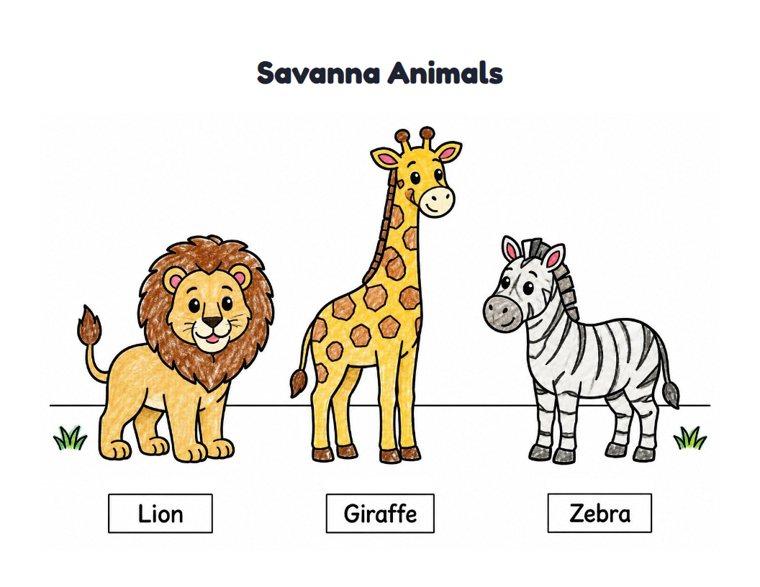
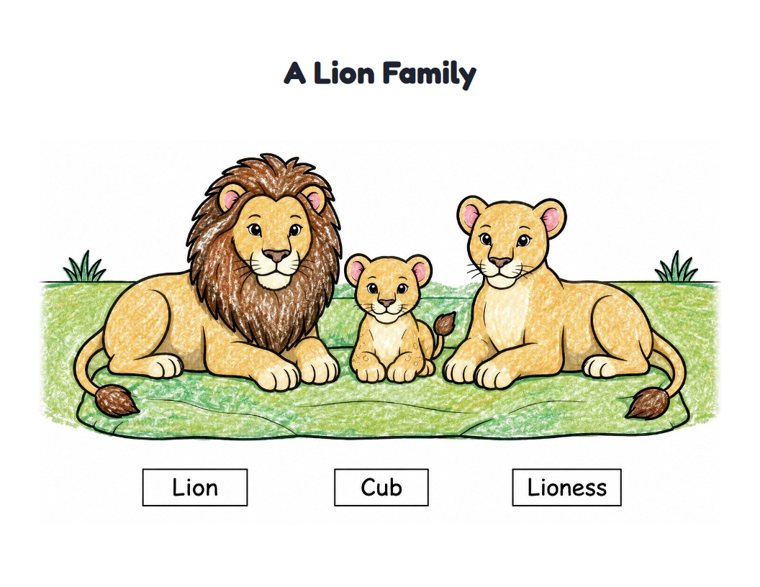
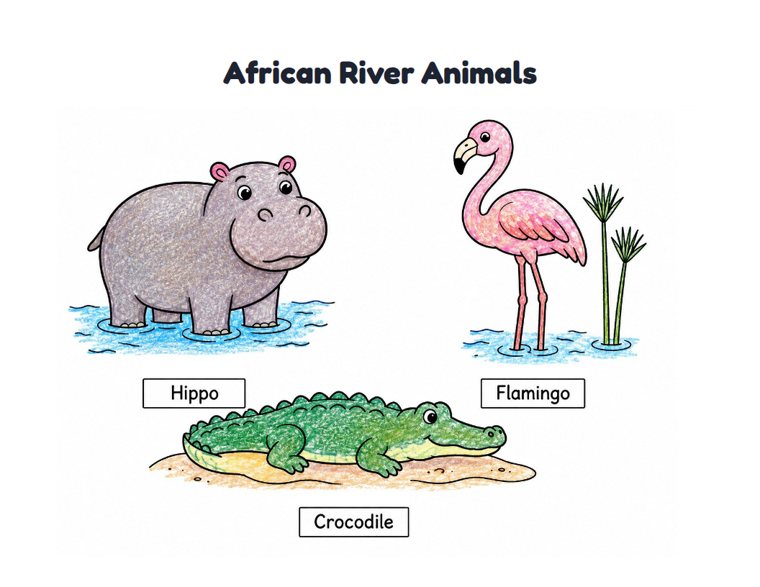
These cute and friendly savanna animals are drawn with simple outlines that are easy for young children to color.


Printable African Animal Masks to Cut and Wear
Kids can color, cut out, and wear these fun animal masks for school plays or safari-themed activities.


Realistic African Wildlife in Natural Habitats
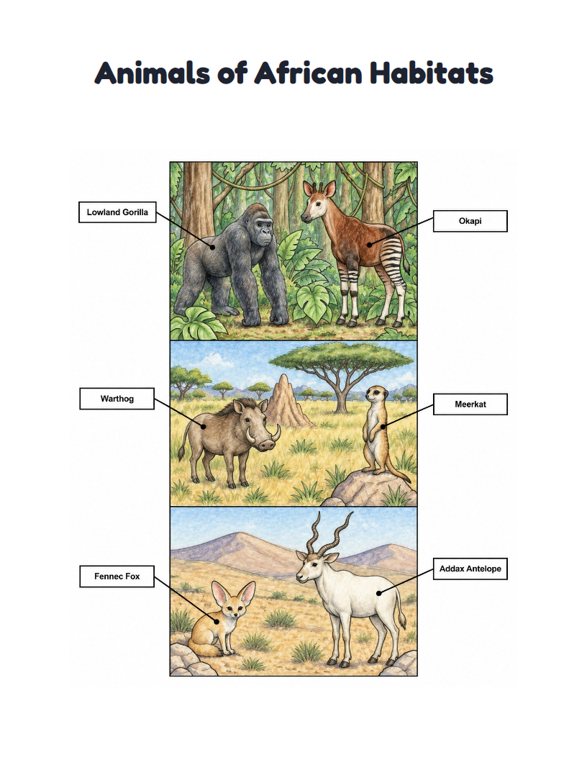
Older kids and adults will enjoy these detailed portraits and natural habitat scenes featuring iconic savanna wildlife.


More pages to explore
Related coloring pages on Color Confetti.


All 12 more: Giraffe (50), Zebra (35), Rhinoceros (24), Leopard (41), Elephant (50), Lion (50), Cheetah (43), Hyena (29), Baboon (44), Gorilla (46), Meerkat (30) and Africa (31).
Ready to print for home, preschool and classroom.
PDF paper size:
Using these pages in your nonprofit, library, hospital or at an event? We'd love to hear from you
African Animals Worksheets
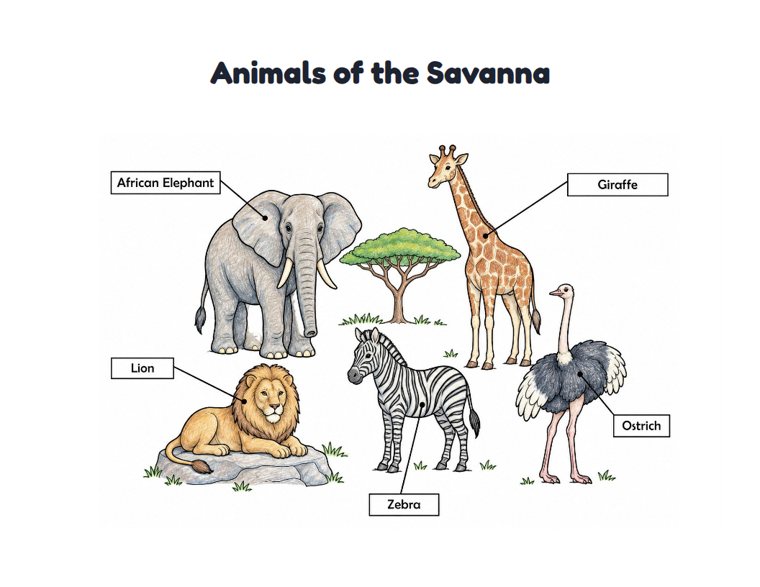
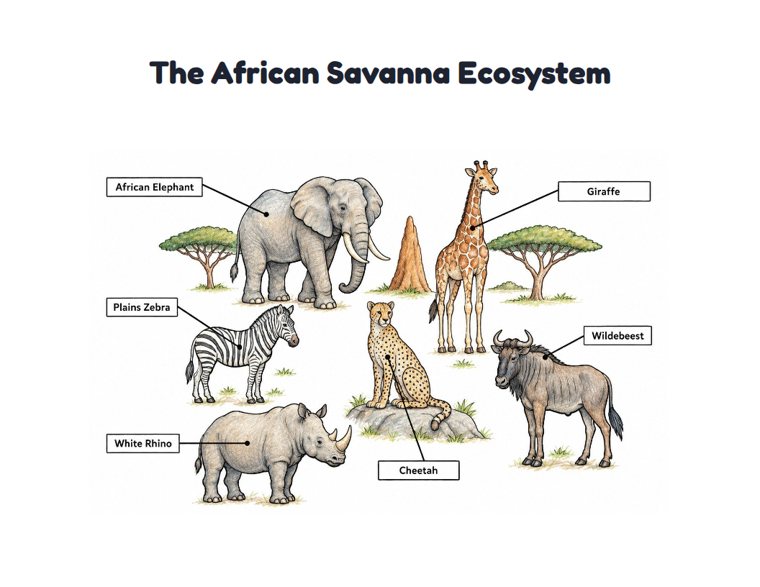
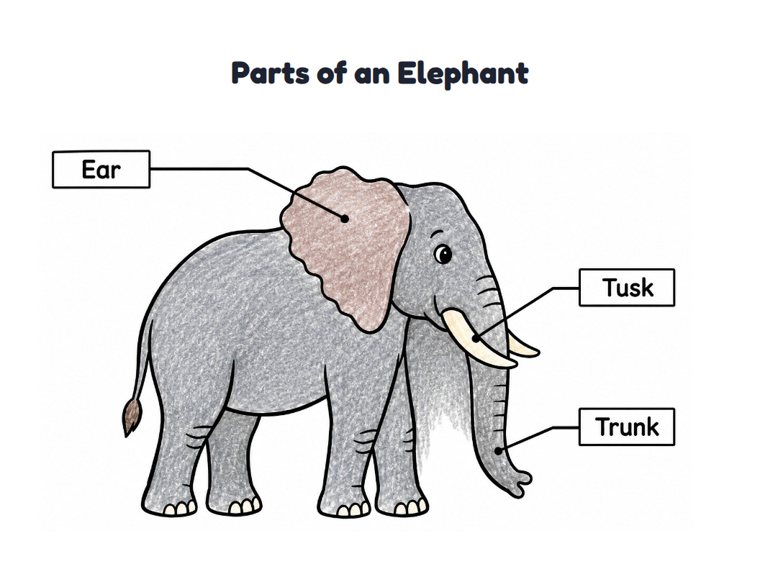
8 printable african animals worksheets with answer keys, from tracing first words in Pre-K to labeling and writing in grades 3–4. Every PDF has the worksheet, the answer key and a colored example. You can change the title and the words before printing.
Download all 8 worksheets as one PDF with answer keysIconic Savanna Animals in 3 levels
More african animals worksheets
Using Safari Coloring Sheets in the Classroom
Teachers and homeschooling parents can use these printables to introduce young learners to the diverse savanna ecosystem. As children work on the cute safari animals, educators can share basic facts about the diet and habits of both herbivores and predators. The printable masks are especially useful for interactive lessons where students act out the behaviors of their favorite wildlife or put on a short play.
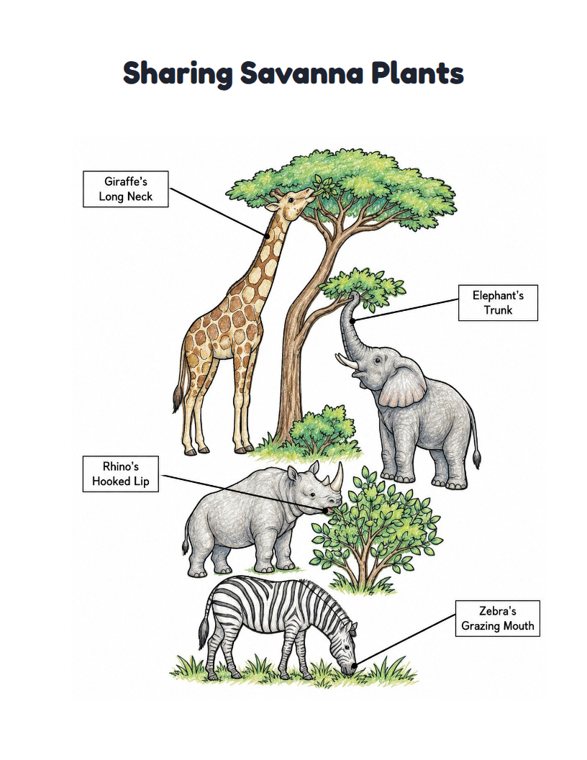
- Discuss the long neck of the giraffe and how it helps the animal reach high acacia leaves.
- Explain how a zebra uses its unique black and white stripes for camouflage in the tall grass.
- Talk about the thick skin and distinctive horns of the rhinoceros while coloring its portrait.
Tips for Coloring Realistic African Wildlife
The realistic habitat pages offer an excellent opportunity for older students and adult colorists to practice blending and shading. When coloring the dry grasses of the African plains, layer different shades of ochre, mustard yellow, and light brown. For the iconic baobab trees and sparse acacia leaves, mix olive and dusty greens to accurately reflect the arid environment.
Animal coats also require careful attention to detail. A leopard resting on a branch needs a warm golden base with dark, distinct rosettes, while a cheetah requires solid black spots. For the large gray mammals, adding hints of brown and dusty red near their feet grounds them in the dry dirt of the African plains.
Relaxing with African Animal Mandalas
Alongside the natural scenes, this collection includes several animal portraits filled with intricate mandala patterns. These pages are designed for older colorists who want a mindful, relaxing activity. The repeating geometric shapes inside the lion face or the ornate elephant portrait require fine-tipped markers or sharp colored pencils.
Choosing a limited color palette can make these patterned designs stand out. Try using warm sunset colors like deep oranges, reds, and purples to capture the feeling of an African sunset, or stick to earth tones for a more natural look.