Equality Coloring Sheets to Print
These 21 printable pages help educators and parents introduce concepts of fairness, inclusion, and justice. You will find diverse groups of children, recognizable symbols, and meaningful slogans designed for classroom discussions and adult coloring sessions.
Equality Coloring Pages
Scenes of diverse children and community trees illustrate the importance of belonging and mutual respect.


Equality Slogans and Sayings
Bold text designs feature clear messages about fairness, justice, and standing together.


Symbols of Equality and Justice
Classic motifs like the scales of justice, peace doves, and raised fists provide recognizable imagery for older students and adults.


More pages to explore
Related coloring pages on Color Confetti.


All 16 more: Diversity (29), Earth (41), Classroom (16), Rainbow (35), Portrait (29), Social Justice (20), Civil Rights (27), Unity (19), Feminist (28), Peace Sign (20), Girl Power (20), Empowering (15), Martin Luther King (32), I Have A Dream Martin Luther King (36), Rosa Parks (25) and Kindness (33).
Ready to print for home, preschool and classroom.
PDF paper size:
Want to use these pages in your nonprofit, library, hospital or at an event? Contact us
Equality Worksheets
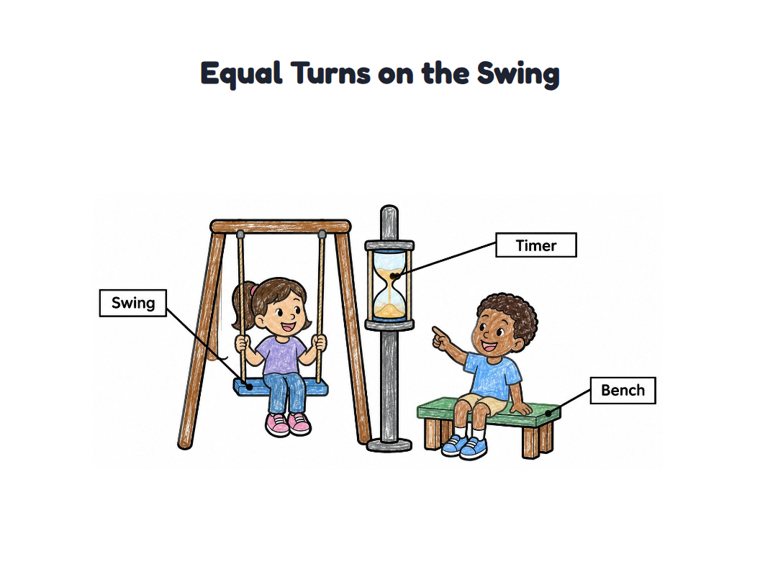
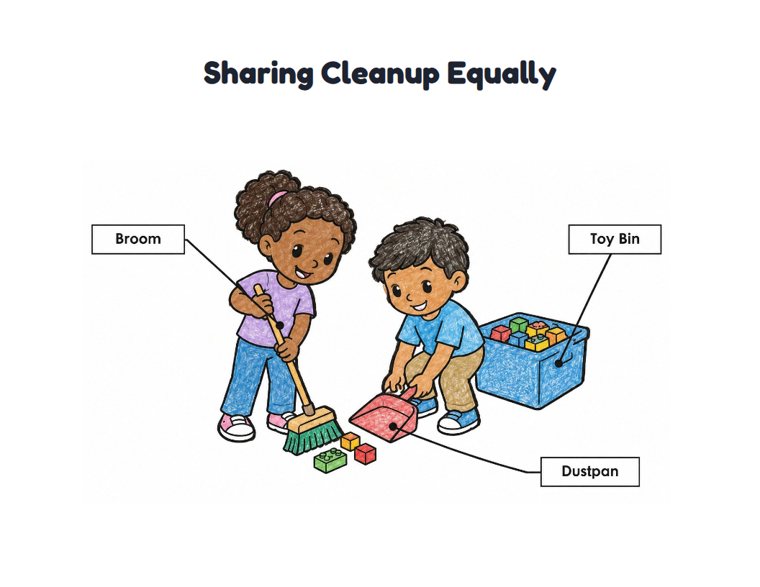
5 printable equality worksheets with answer keys, from tracing first words in Pre-K to labeling and writing in grades 3–4. Every PDF has the worksheet, the answer key and a colored example. You can change the title and the words before printing.
Download all 5 worksheets as one PDF with answer keys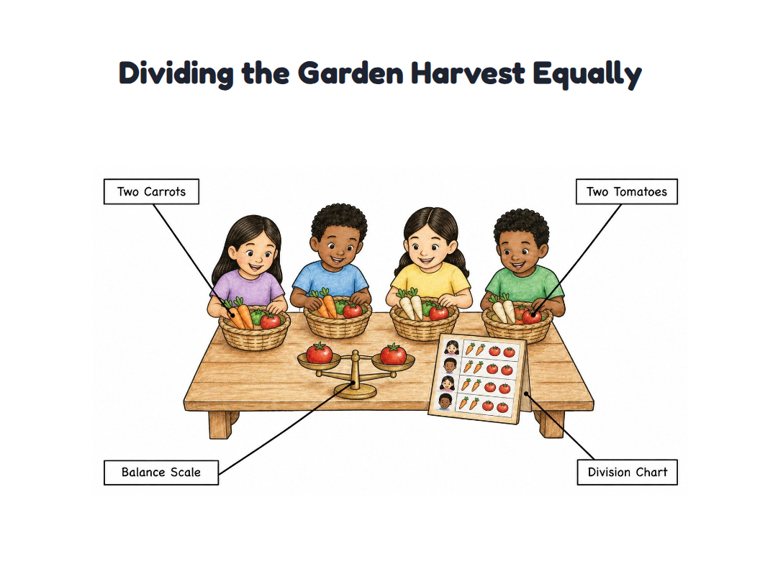
Teaching Fairness and Inclusion in the Classroom
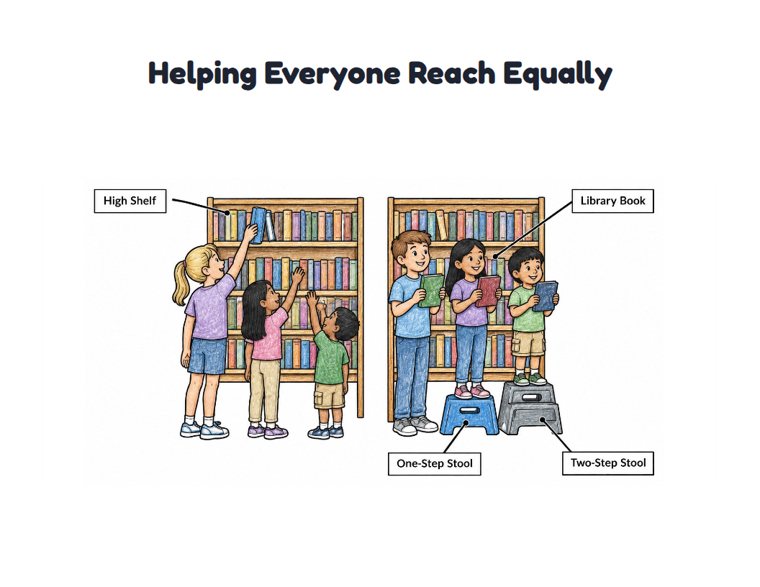
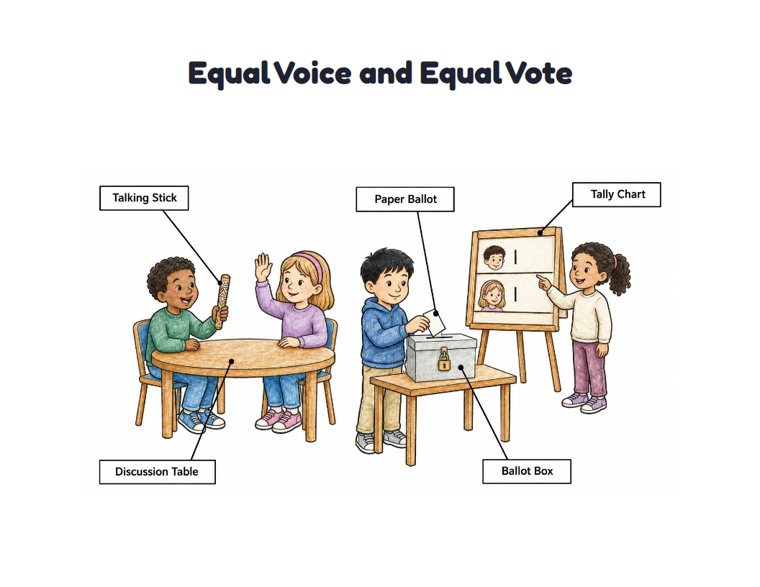
Educators often need visual aids to explain complex social concepts to younger students. The classroom-ready materials in our first section depict concrete examples of inclusion, such as children holding hands around the globe or working together on a unity mural. Coloring these scenes gives teachers a quiet activity to pair with lessons on civil rights, mutual respect, and how every person deserves equal opportunities. When students color diverse groups of people, they learn to appreciate different backgrounds, physical abilities, and cultures, laying the groundwork for a more accepting generation.
Understanding Symbols of Justice
Throughout history, social movements have relied on powerful imagery to convey their messages. Our pages include several of these historic motifs. The scales of justice represent the need for a fair and impartial legal system, while the peace dove carrying an olive branch symbolizes harmony among different nations. You will also find the raised fist, a long-standing emblem of solidarity and resistance against systemic oppression. Discussing these symbols while coloring helps older children and adults connect the artwork to real-world social justice efforts and historical milestones.
Coloring Slogans and Quotes
Combining text with art reinforces the vocabulary of equality. The pages featuring bold lettering allow colorists to focus on words like unity, diversity, and fairness.
- Use bright, contrasting colors to make the main message stand out against the background.
- Incorporate elements like a rainbow palette to represent a broad spectrum of humanity.
- Display finished pages on bulletin boards to promote a culture of belonging in your school, library, or community center.
Choosing Materials for Diverse Skin Tones
When coloring pages that feature people from various backgrounds, having the right supplies makes a big difference. A standard box of crayons might only have one or two peach or brown shades. To accurately represent racial equality, consider using specialized multicultural crayon or marker sets. These sets offer a wider range of skin tones, allowing children to color a diverse portrait that reflects the real world and their own identities. Blending colored pencils is another effective way for adult colorists to achieve realistic and varied complexions, ensuring every figure on the page is uniquely represented.