
Day and Night Coloring Pages
Print these 22 day and night coloring pages to help children explore the concept of opposites. You will find split scenes, daily routines, and simple designs for kindergarten and preschool learning.
Split Day and Night Scenes
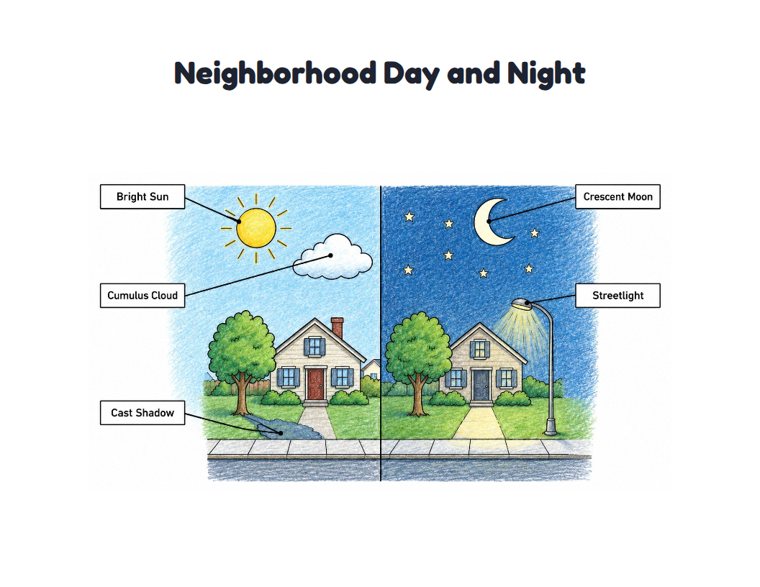
These split compositions contrast a sunny daytime sky with a moonlit, starry night in a single picture.


Day and Night Pages for Kindergarten
Simple designs with clear outlines help young children grasp the basic differences between daytime and nighttime.


Daytime and Nighttime Routines and Animals
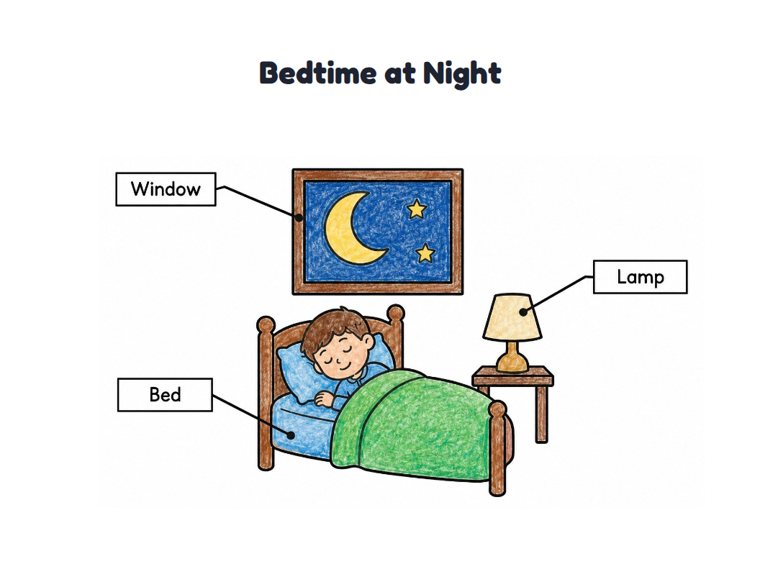
These pages show how human activities and animal behaviors change when the sun goes down.


More pages to explore
Related coloring pages on Color Confetti.


All 15 more: Night (28), Earth Science (21), Sky (27), Owl (51), Preschool (41), Sun And Moon (30), Moon And Stars (17), Sunrise (24), Sunset (33), Sun (37), Moon (36), Night Time (20), Night Sky Galaxy (19), Earth (41) and Seasons (19).
Ready to print for home, preschool and classroom.
PDF paper size:
Using these pages in your nonprofit, library, hospital or at an event? We'd love to hear from you
Day And Night Worksheets
7 printable day and night worksheets with answer keys, from tracing first words in Pre-K to labeling and writing in grades 3–4. Every PDF has the worksheet, the answer key and a colored example. You can change the title and the words before printing.
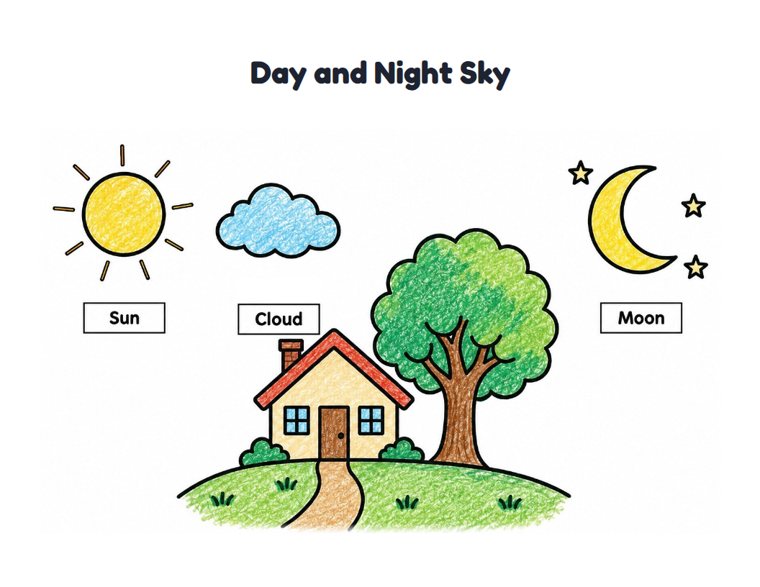
Download all 7 worksheets as one PDF with answer keysDay Sky and Night Sky in 2 levels
More day and night worksheets
Teaching Opposites with Split Scenes
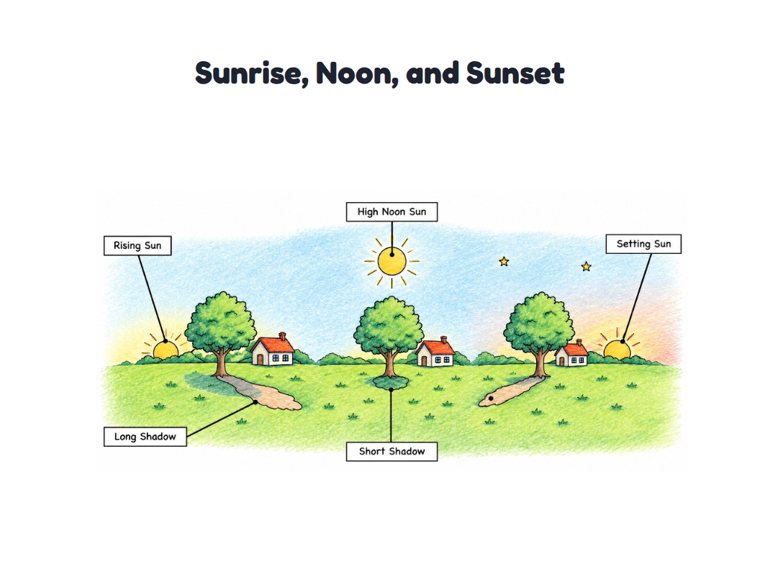
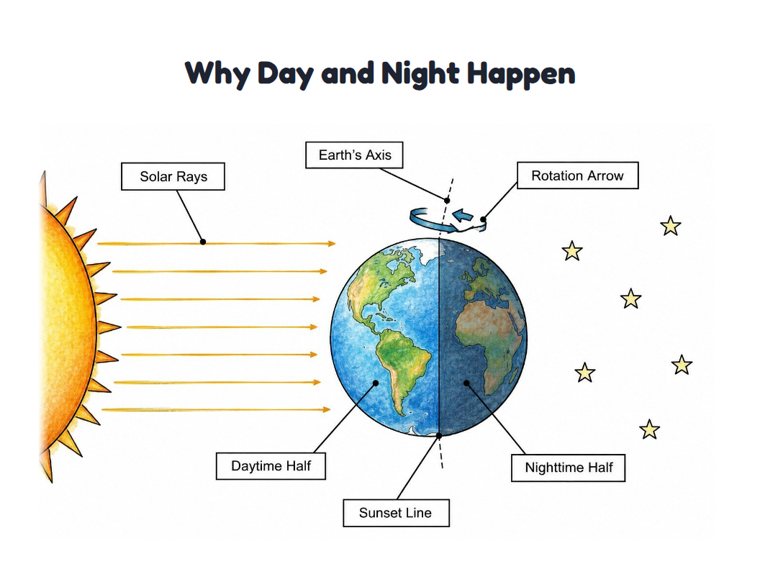
Using coloring pages is a hands-on way to introduce young learners to the concept of opposites. The split day and night scenes on this page clearly divide the paper into two halves. One side features a bright sun and fluffy clouds, while the other shows a crescent moon and stars. This visual contrast helps children understand how the Earth's rotation creates our 24-hour cycle. Teachers often use these printables as part of an earth science unit to explain light and shadow, showing how our planet faces the sun during the day and turns away from it at night.
Kindergarten Activities and Crafts
The kindergarten pages are designed with thick lines and large spaces, making them easy for little hands to color. You can turn these sheets into interactive classroom crafts for early education.
- Have students color the daytime side with warm yellows, bright greens, and light blues.
- Use dark blues, deep purples, and silver crayons for the nighttime sky.
- Cut the circular split scenes in half and attach them with a brass fastener to create a spinning day-to-night wheel.
Daily Routines and Nocturnal Animals
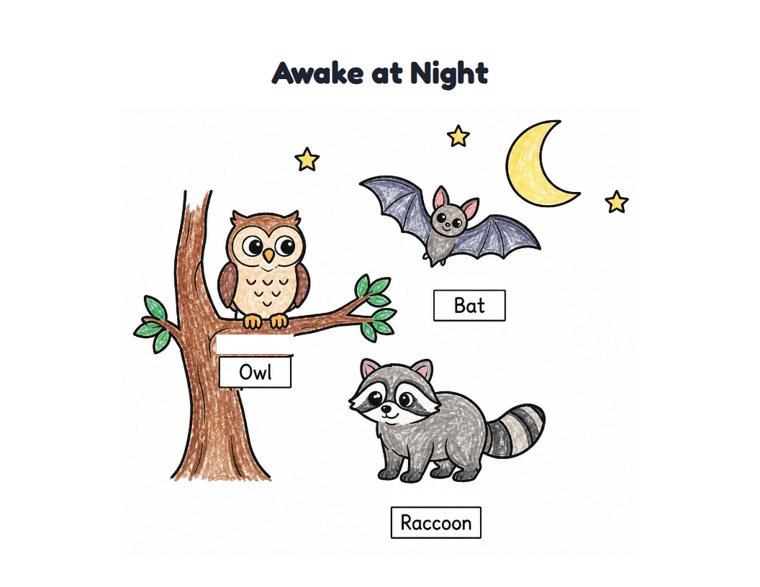
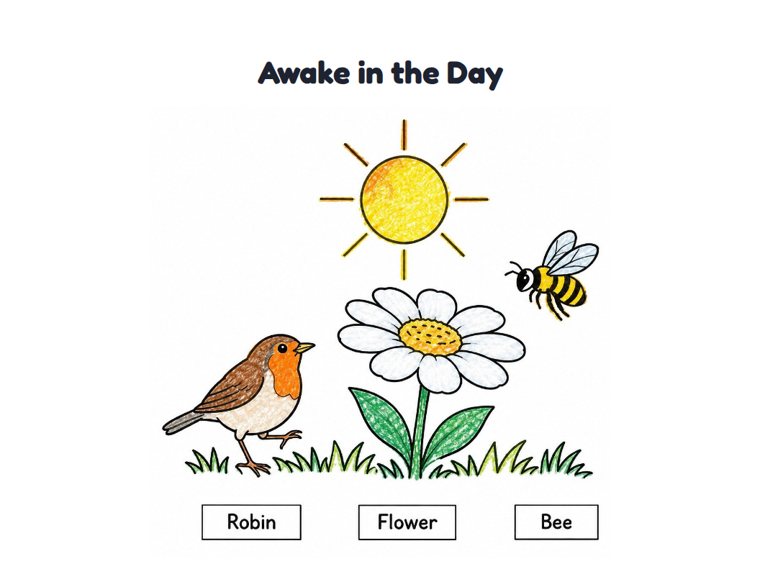
Beyond the sky and weather, the transition from day to night affects how we live and which animals are active. The routines section includes pictures of morning breakfasts and bedtime habits, which helps toddlers sequence their day and understand time. You will also find pages featuring diurnal animals like horses in a pasture, contrasted with nocturnal creatures. Coloring a wise owl perched on a branch under the moonlight opens up conversations about animal adaptations and sleep cycles. Discussing these differences while coloring reinforces the learning material in a relaxed setting.