
Free Printable Ear Coloring Pages
Choose from 15 printable sheets featuring simple outer ears, listening activities, and detailed anatomy diagrams. These pages work well for early childhood sensory lessons, science classes, or just for fun.
Ear Coloring Pages
Simple outlines of the human ear and fun characters exploring sound.


Detailed Ear Anatomy and Inner Ear Diagrams
Detailed cross-sections showing the inner workings of the auditory system for science students.


Listening Ears and Sound Activities
Kids actively listening to music, seashells, and their surroundings to build sensory awareness.


More pages to explore
Related coloring pages on Color Confetti.


All 5 more: Anatomy (29), Mouse (49), Human (33), Science (28) and Educational (29).
Ready to print for home, preschool and classroom.
PDF paper size:
Using these pages in your nonprofit, library, hospital or at an event? We'd love to hear from you
Ear Worksheets
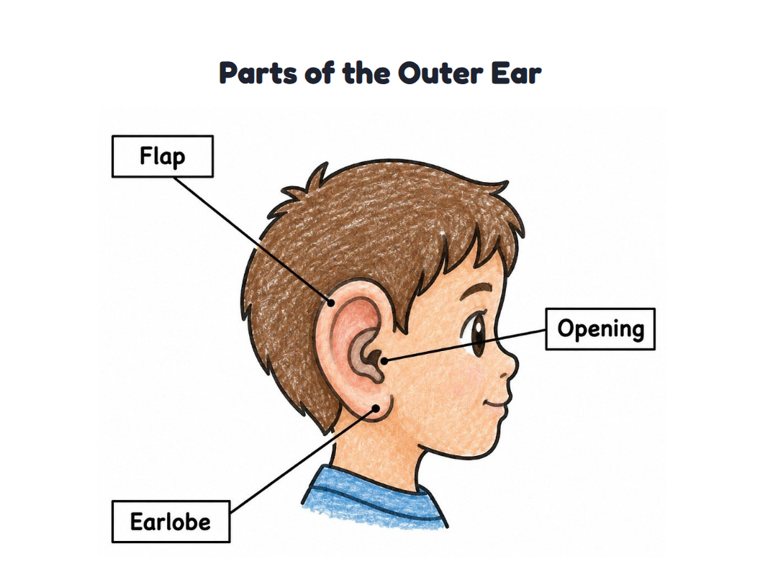
8 printable ear worksheets with answer keys, from tracing first words in Pre-K to labeling and writing in grades 3–4. Every PDF has the worksheet, the answer key and a colored example. You can change the title and the words before printing.
Download all 8 worksheets as one PDF with answer keysParts of the Human Ear in 3 levels
More ear worksheets
Teaching the Five Senses with Listening Ears
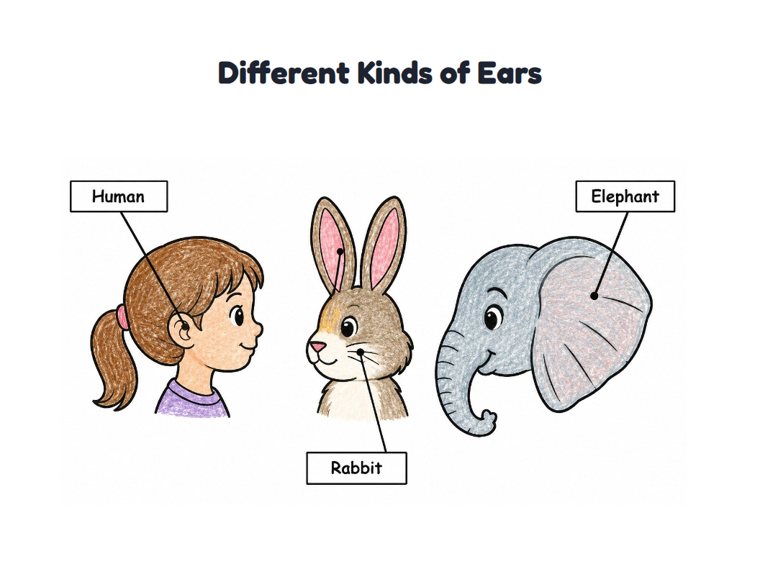
When introducing young children to the five senses, visual aids help make abstract concepts concrete. The simple outlines in our outer ear section are ideal for preschoolers learning to identify body parts. These simple line drawings feature thick borders that are easy for small hands to trace and color with crayons. You can pair these printables with a listening walk where students color a page after identifying sounds like birds or traffic.
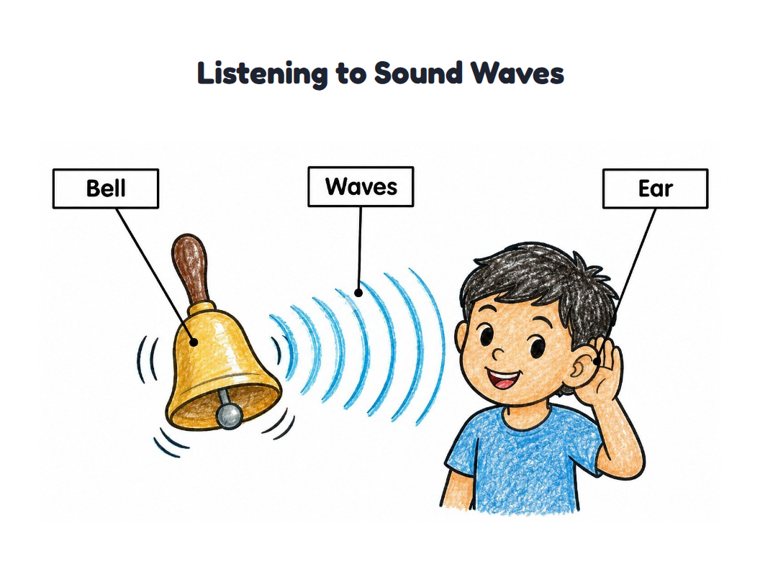
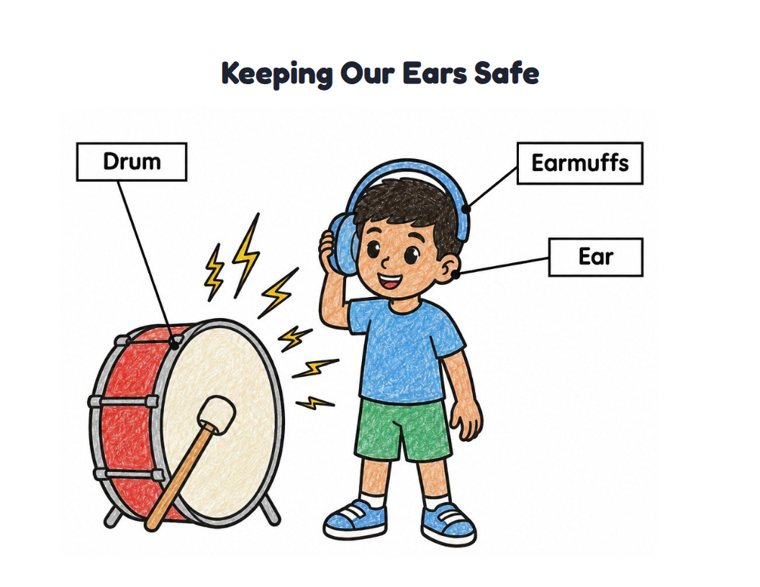
Teachers often use the listening activities to reinforce sensory awareness in the classroom. Discussing how the characters cup their hands to hear better makes the lesson interactive and engaging for early learners.
Exploring Ear Anatomy for Science Classes
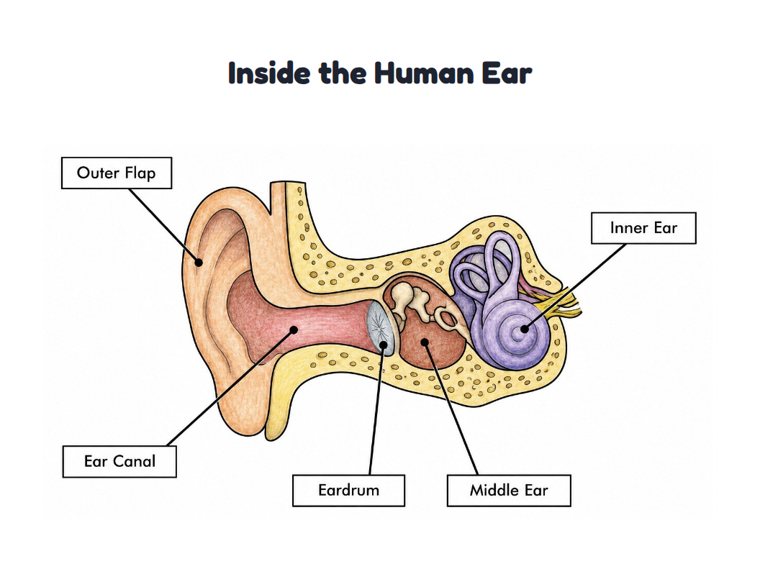
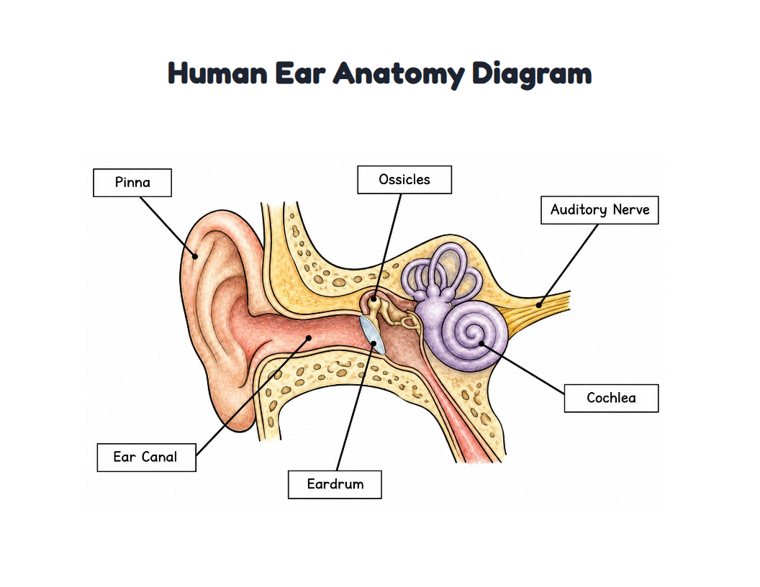
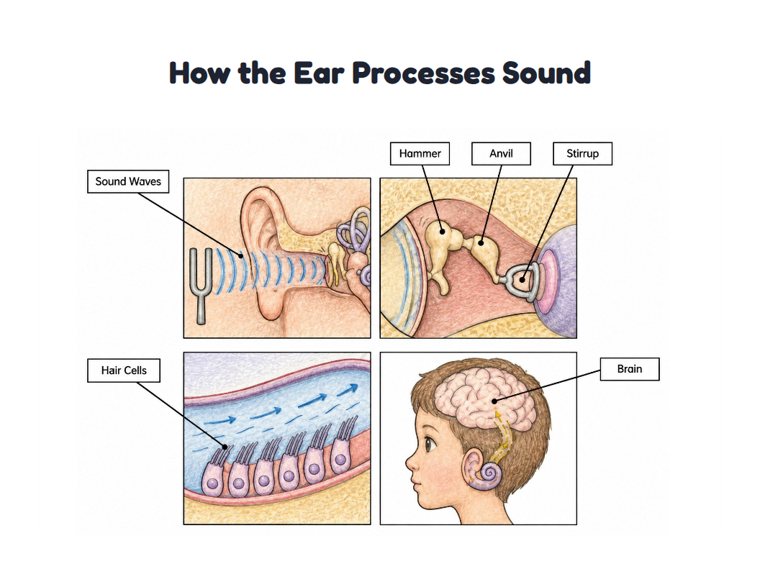
Older students studying human biology need accurate diagrams to understand how sound waves travel. Our anatomy diagrams provide clear cross-sections of the auditory system. Coloring these complex structures helps students memorize the different components before a test.
These detailed sheets are a great addition to any anatomy lesson or broader science curriculum.
- Outer ear: Color the pinna and ear canal where sound first enters.
- Middle ear: Highlight the eardrum and the three tiny bones that amplify vibrations.
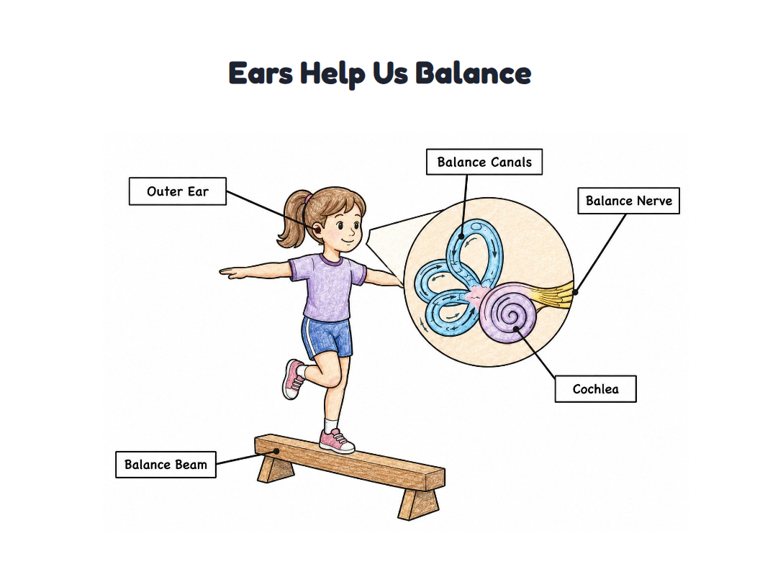
- Inner ear: Use bright colors for the snail-shaped cochlea and the semicircular canals that manage balance.