Free Printable Herb Coloring Pages
Explore 22 free printable coloring pages featuring detailed botanical herbs, potted kitchen gardens, and drying bundles. These sheets offer a relaxing activity for adults and a helpful way for children to learn about common culinary plants.
Botanical Herbs and Culinary Leafy Sprigs
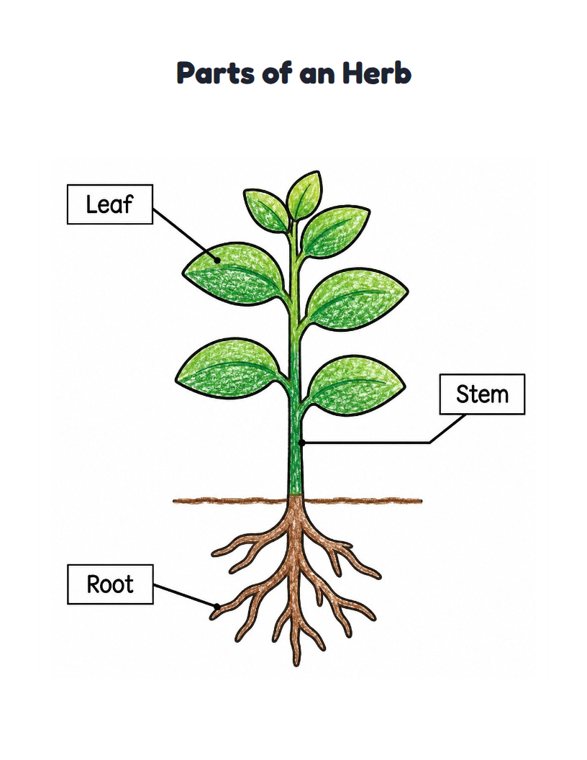
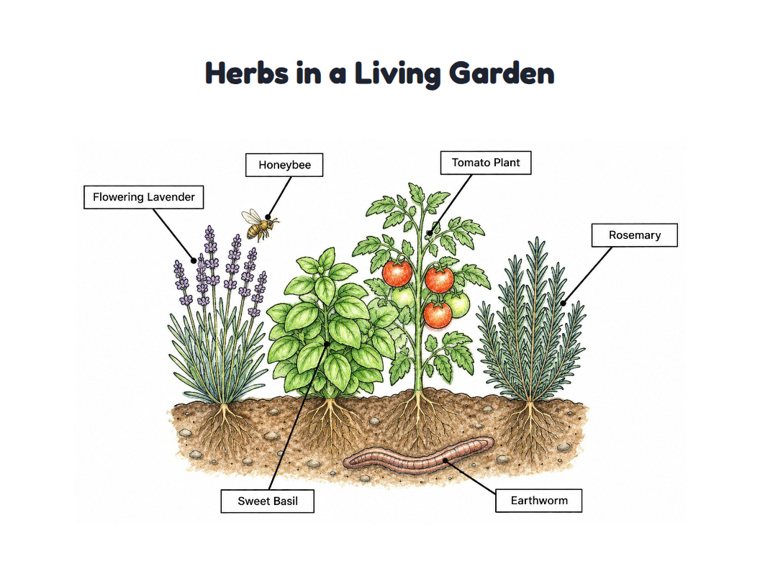
Discover detailed illustrations of leafy sprigs and flowering plants, complete with helpful labels for easy identification.


Potted Herb Gardens on Sills and Steps
Color cozy scenes of culinary plants growing in terracotta pots on sunny windowsills and rustic garden steps.


Drying Herb Bundles and Pantry Jars
Find rustic arrangements of harvested plants hanging from drying racks, alongside infused oils and spice jars.


More pages to explore
Related coloring pages on Color Confetti.


All 12 more: Botanical (27), Garden (36), Plant (40), Lavender (21), Leaves (42), Gardener (16), Seeds (20), Vegetable (34), Sprout (24), Cooking (27), Soil (4) and Wild Flower (24).
Ready to print for home, preschool and classroom.
PDF paper size:
Using these pages in your nonprofit, library, hospital or at an event? We'd love to hear from you
Herb Worksheets
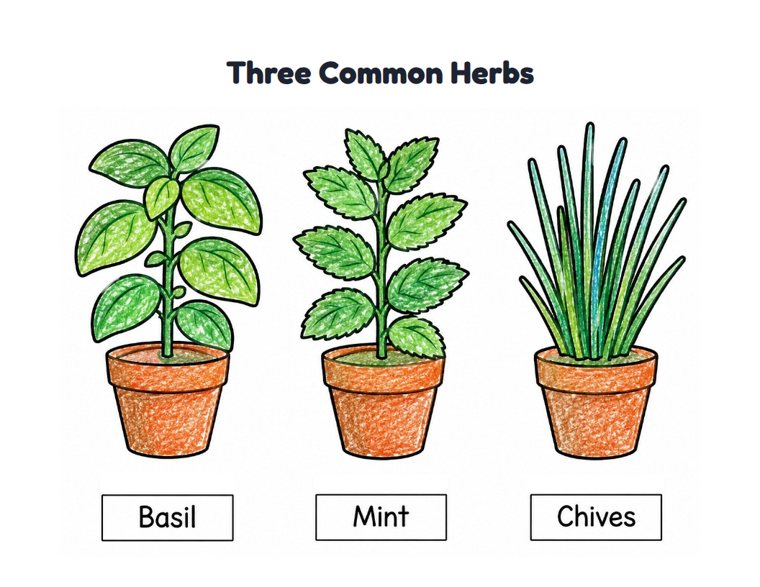
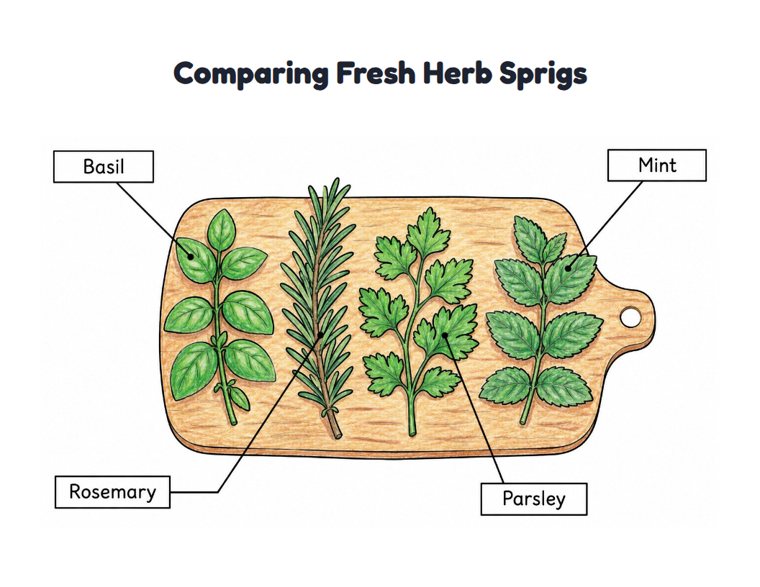
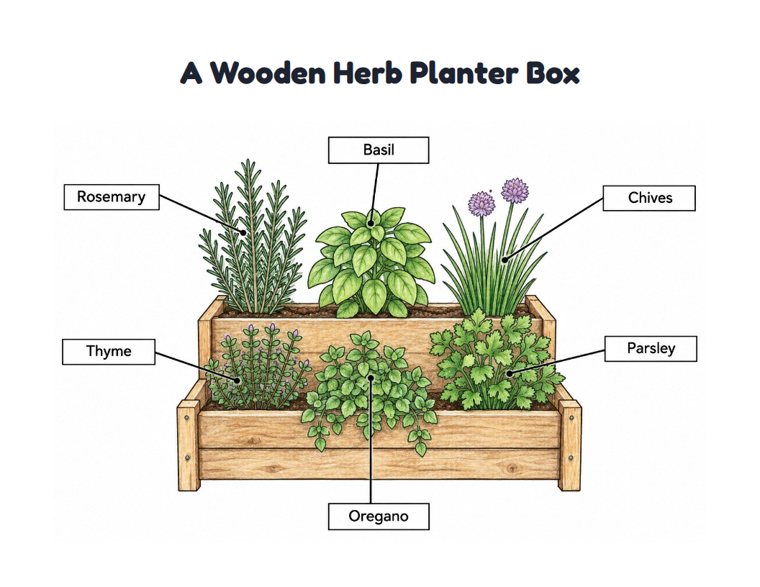
7 printable herb worksheets with answer keys, from tracing first words in Pre-K to labeling and writing in grades 3–4. Every PDF has the worksheet, the answer key and a colored example. You can change the title and the words before printing.
Download all 7 worksheets as one PDF with answer keysRecognizing Common Herbs in 3 levels
More herb worksheets
Learning About Culinary and Medicinal Plants
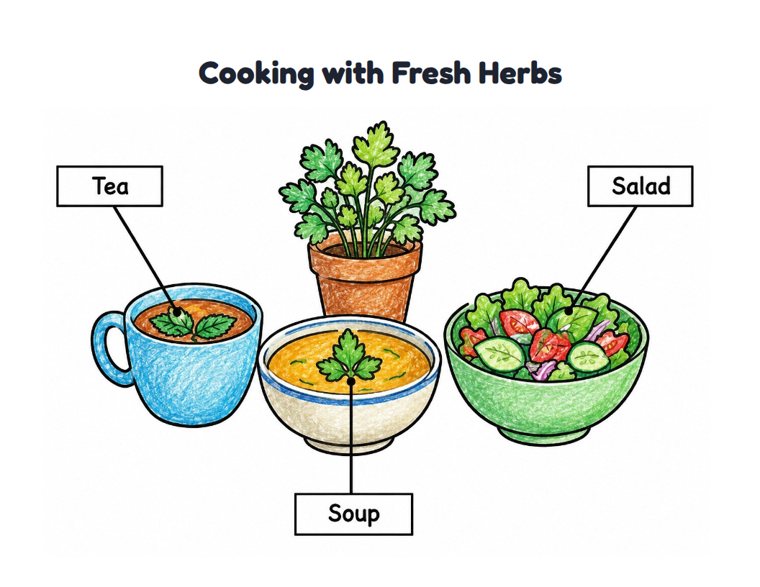
Coloring these pages is a hands-on way to introduce children and students to common culinary herbs. As they fill in the detailed botanical illustrations, you can discuss how plants like basil, thyme, and oregano are used in everyday cooking.
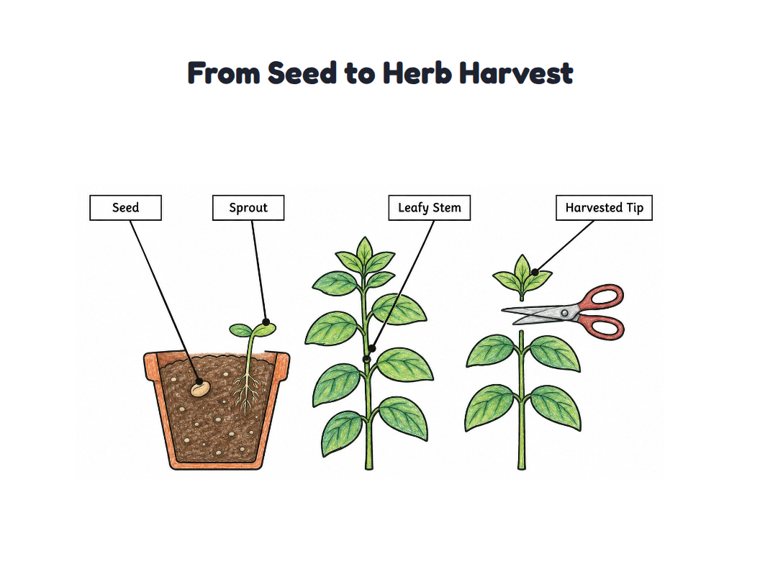
Many of these sheets feature clear text labels, making them excellent additions to educational science units about plant life cycles or human agriculture. You can also point out the differences in leaf shapes, from the broad leaves of basil to the tiny, clustered foliage of thyme.
Shading and Blending Greenery
Adult colorists often enjoy the relaxing nature of botanical subjects. When working on our potted herb scenes, try layering different shades of green colored pencils to create realistic depth. A base layer of yellow-green can highlight areas where the sun hits the leaves, while deeper olive or forest greens add shadow near the stems.
- Use fine-tipped markers or gel pens to capture the delicate veins on mint leaves.
- Blend soft purples and blues for the small blossoms on flowering chives.
- Add earthy terracotta and umber tones to the planters and wooden stands.
Using Your Finished Herb Artwork
The rustic aesthetic of drying herb bundles and spice jars translates well into home decor and kitchen crafts. Once colored, these botanical prints can be framed as inexpensive wall art for a dining room or kitchen.
You can also scale down the images before printing to create custom labels for your own glass pantry jars or homemade infused olive oil bottles. The clean lines of the single sprigs are particularly easy to cut out and use for scrapbooking or greeting cards for gardening enthusiasts. Adding a date and the plant name gives the finished piece a classic vintage field guide appearance.