Ecology and Ecosystem Coloring Pages
Explore the balance of nature with these ecology coloring sheets. Teachers and parents can use these illustrations of biomes, food webs, and conservation activities to help students understand how living things interact with their environment.
Ecology Coloring Pages
Illustrations showing students exploring nature, studying insects, and observing the balance of life in different environments.


Natural Ecosystems and Habitats
Detailed scenes of specific biomes, from desert wildlife to coastal tide pools and woodland creatures.


Caring for the Environment
Action-oriented pages showing composting, river cleanups, and renewable energy to encourage environmental stewardship.


More pages to explore
Related coloring pages on Color Confetti.


All 13 more: Ecosystem (28), Ocean (57), Forest (33), Earth Day (42), Recycling (29), Nature (34), Earth Science (21), Mother Nature (24), Earth (41), Rainforest (34), Deciduous Forest (21), Wetlands (25) and Tundra Environment (20).
Ready to print for home, preschool and classroom.
PDF paper size:
Want to use these pages in your nonprofit, library, hospital or at an event? Contact us
Ecology Worksheets
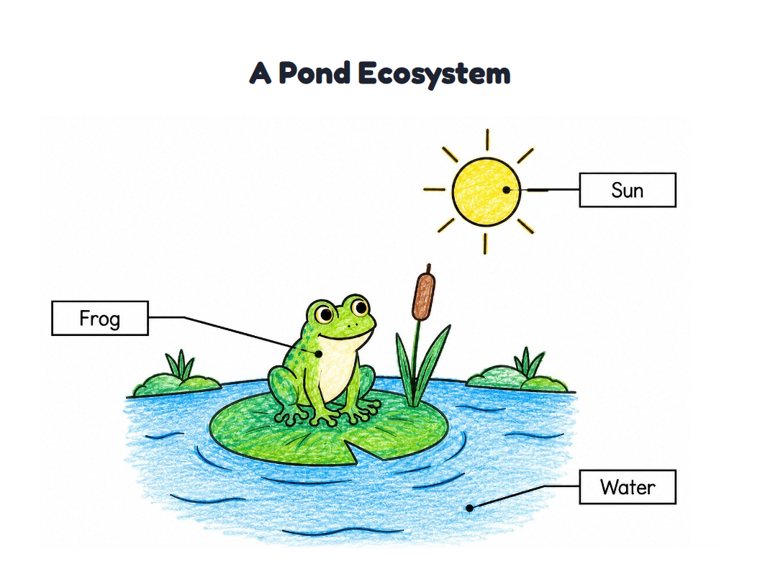
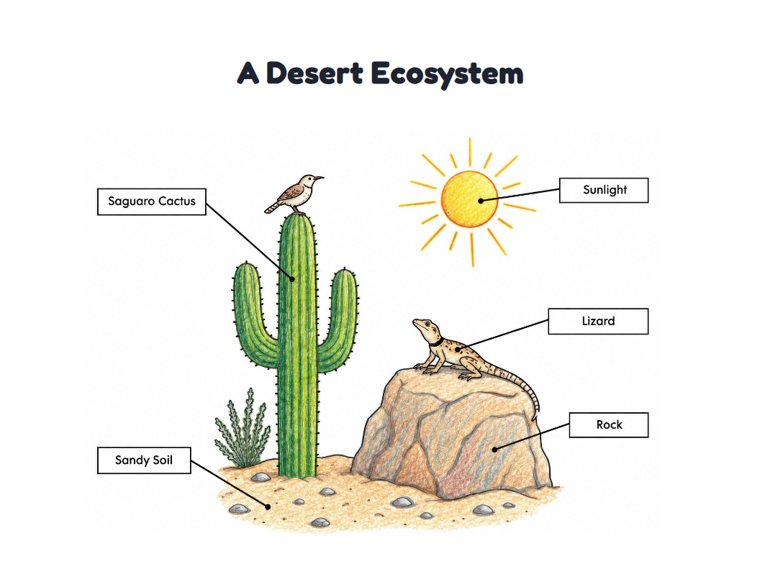
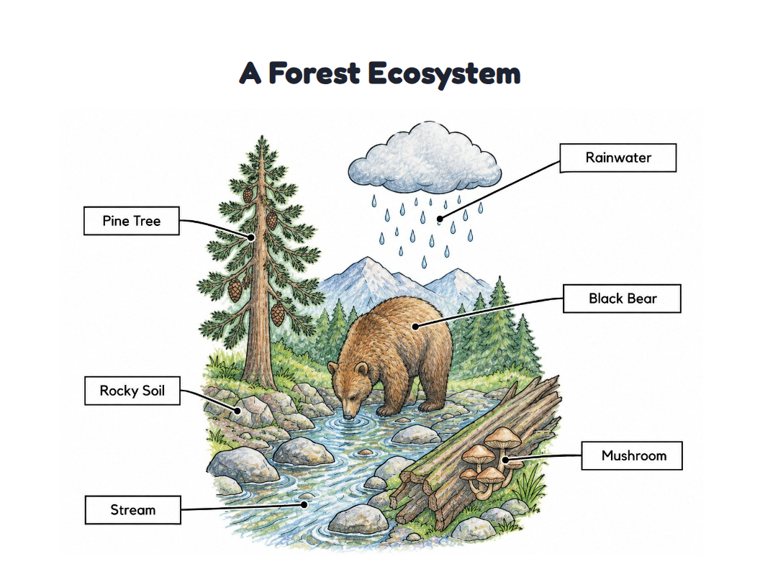
7 printable ecology worksheets with answer keys, from tracing first words in Pre-K to labeling and writing in grades 3–4. Every PDF has the worksheet, the answer key and a colored example. You can change the title and the words before printing.
Download all 7 worksheets as one PDF with answer keysLiving and Non-Living Parts of an Ecosystem in 3 levels
More ecology worksheets
Teaching Environmental Science Through Art
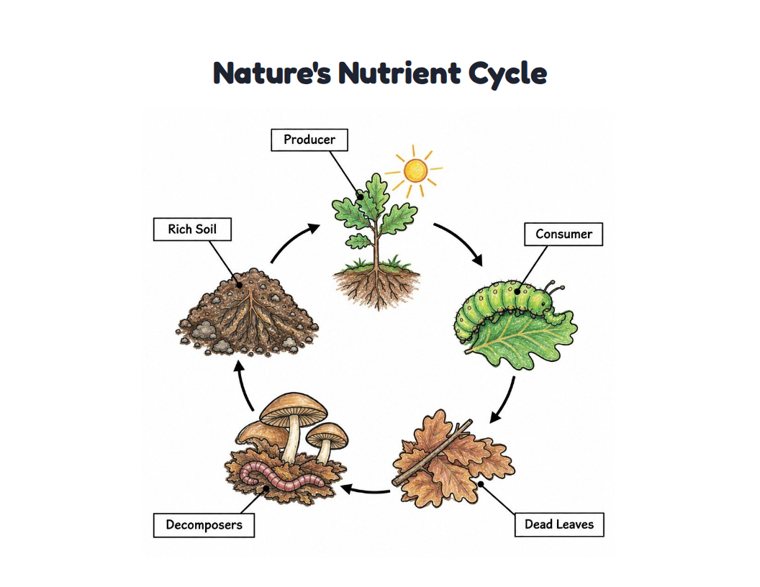
Coloring is a practical way to introduce complex environmental science concepts to children. When students color a meadow ecosystem or a freshwater pond, they can identify producers, consumers, and decomposers within the scene.
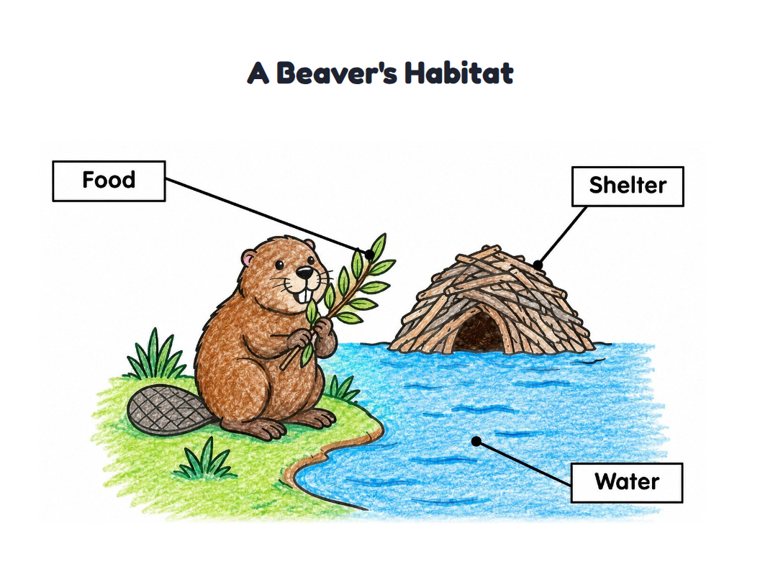
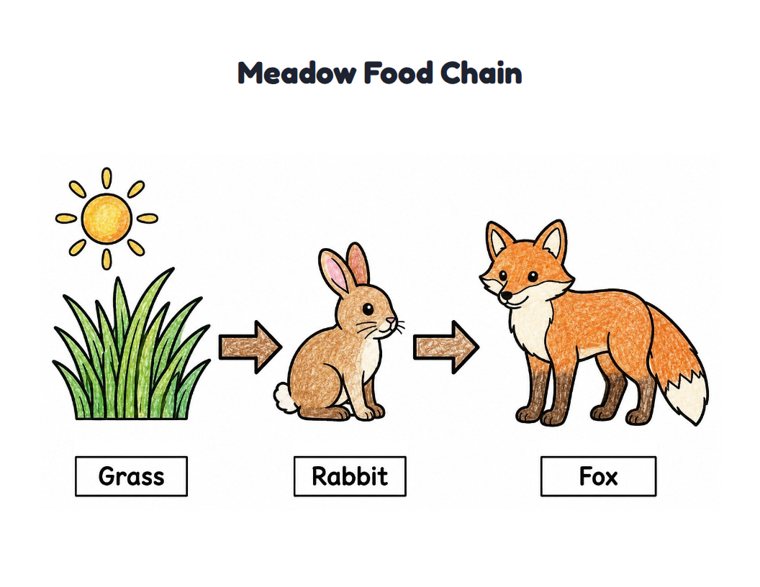
The illustrations in our habitats section provide a visual foundation for discussing how animals, plants, and non-living elements like water and soil interact. Parents and educators can use these detailed sheets to explain the food web, nutrient cycles, and the flow of energy in nature.
Exploring Different Biomes
Earth is home to diverse biological communities, each adapted to specific climate conditions. Our collection includes several major biomes to help learners recognize global diversity and understand adaptation.
- Desert environments featuring drought-resistant cacti and specialized wildlife that conserve water.
- Marine habitats like the ocean kelp forest where sea otters, fish, and aquatic plants thrive in a delicate balance.
- Woodland areas showing the complex layers of a temperate forest, from the canopy down to the nutrient-rich soil.
Coloring Conservation and Sustainability
Understanding ecology also means learning how human populations impact the planet. The pages focused on caring for the environment highlight positive, actionable steps like planting trees, managing an urban rooftop garden, and organizing community river cleanups.
Discussing renewable energy or the mechanics of composting while coloring helps reinforce the importance of sustainability and everyday conservation efforts. These sheets work exceptionally well for Earth Day classroom activities or general science lessons about reducing our ecological footprint and protecting vulnerable species.
Choosing Colors for Nature Scenes
Capturing the realistic look of an ecological community requires a thoughtful approach to color. Encourage older students and adult colorists to blend different shades of green and brown to give depth to foliage and tree bark.
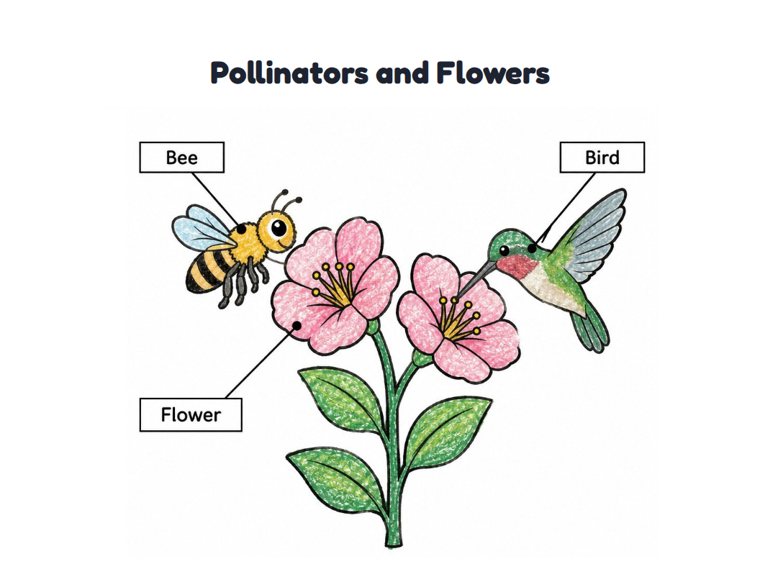
Using colored pencils allows for fine details on insect wings, animal fur, and delicate flower petals. For aquatic scenes, layering blues, greens, and purples can create the illusion of deep water and shifting currents around the marine life.