
Free Printable Ecosystem Coloring Pages
These printable sheets show how plants, animals, and their environments interact. Teachers and parents can use these habitat scenes to support science lessons, from complex forest biomes to simple garden food chains.
Printable Ecosystem Coloring Pages
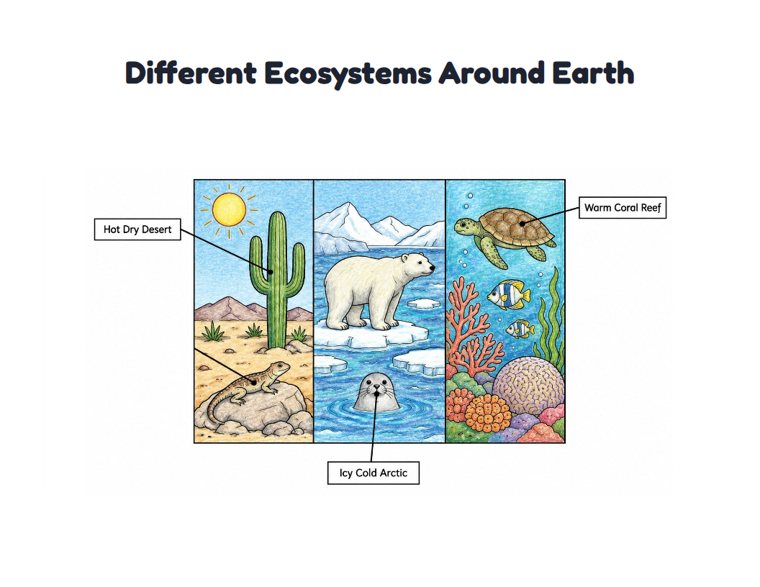
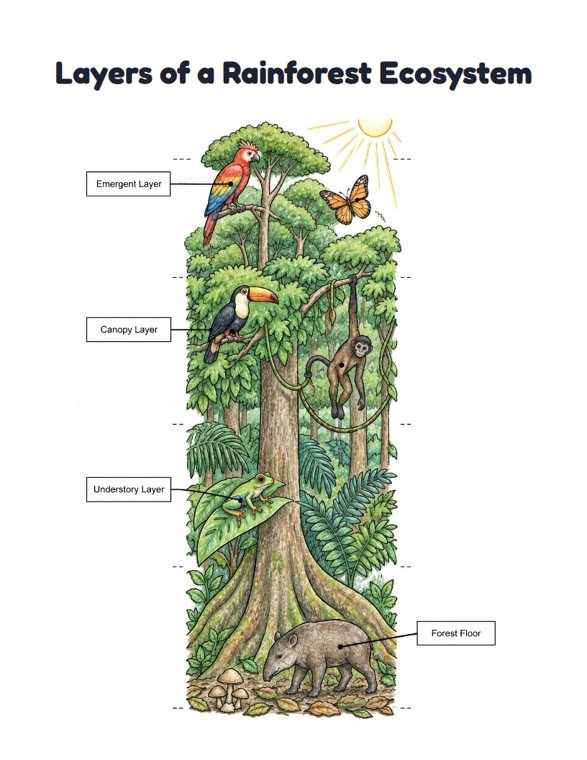
Detailed scenes of forests, wetlands, and tundras show the complex interactions between native wildlife and their natural habitats.


Simple Ecosystem Coloring Pages for Kids
These simpler designs focus on familiar garden and meadow interactions, helping younger children understand basic nature concepts.


Coral Reef and Marine Ecosystems
Underwater habitats feature kelp forests, tide pools, and deep sea vents teeming with aquatic life.


More pages to explore
Related coloring pages on Color Confetti.


All 22 more: Beach (40), Forest (33), Mountain (38), Desert (34), Rainforest (34), Lake (26), Ponds (24), Swamp (20), Prairie (21), River Landscape (19), Wetlands (25), Tundra Environment (20), Nature (34), Earth Day (42), Ocean (57), Landscape (38), Earth (41), Sea Turtle (43), Ecology (22), Coral Reef (37), Deciduous Forest (21) and Earth Science (21).
Ready to print for home, preschool and classroom.
PDF paper size:
Using these pages in your nonprofit, library, hospital or at an event? We'd love to hear from you
Ecosystem Worksheets
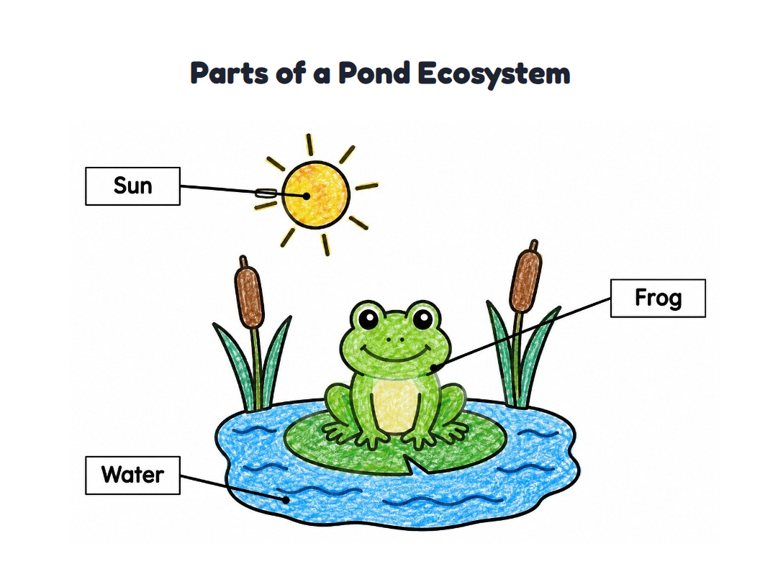
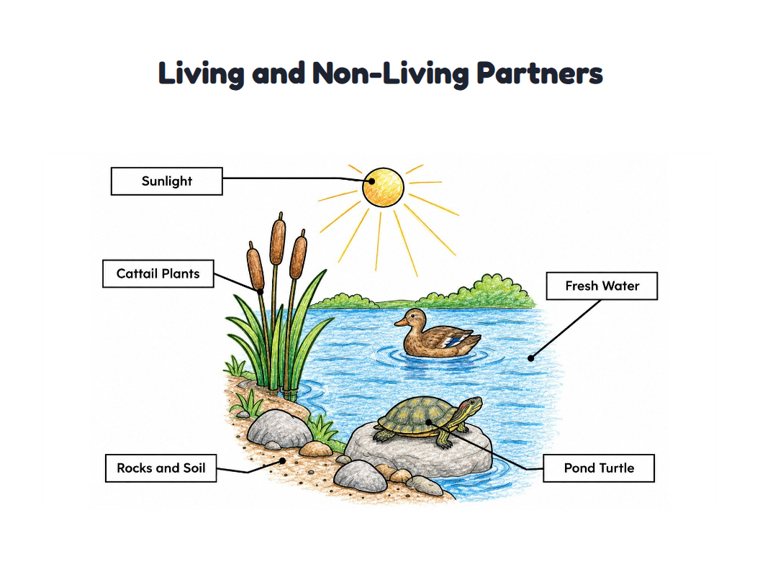
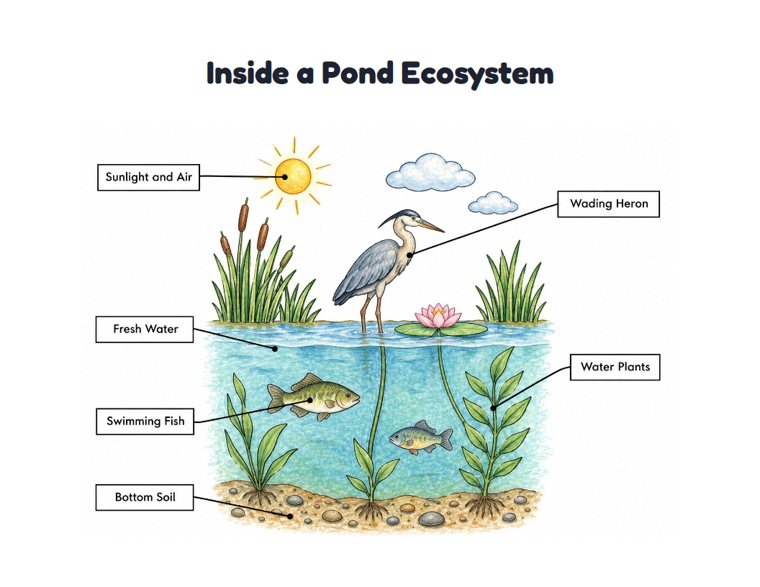
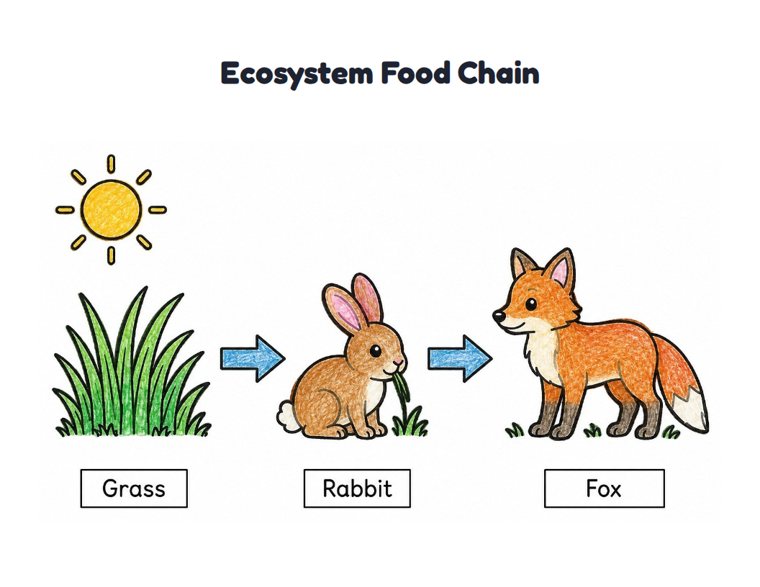
8 printable ecosystem worksheets with answer keys, from tracing first words in Pre-K to labeling and writing in grades 3–4. Every PDF has the worksheet, the answer key and a colored example. You can change the title and the words before printing.
Download all 8 worksheets as one PDF with answer keysLiving and Non-Living Parts in 3 levels
More ecosystem worksheets
Using Biome Pages in the Classroom
Teaching students about habitats and the environment often requires visual aids. These printables help illustrate how different species rely on each other within specific biomes. You can use the detailed ecosystem scenes to discuss food webs, climate, and geography during science lessons.
Students can color a tallgrass prairie or an arctic tundra while learning about adaptation and survival. Adding labels to the plants, animals, and non-living elements like rocks and streams turns a simple coloring activity into a useful biology study guide.
Exploring Marine and Aquatic Life
Water-based environments offer a wide variety of species and physical conditions to study. Our marine ecosystem pages include everything from shallow, sunlit tide pools to dark, deep sea hydrothermal vents.
When coloring these underwater scenes, children can learn about the symbiotic relationships between creatures, such as how sea otters maintain giant kelp forests by eating sea urchins. You can pair these sheets with our ocean coloring pages to build a larger unit on marine biology, ocean currents, and water conservation.
Simple Nature Connections for Early Learners
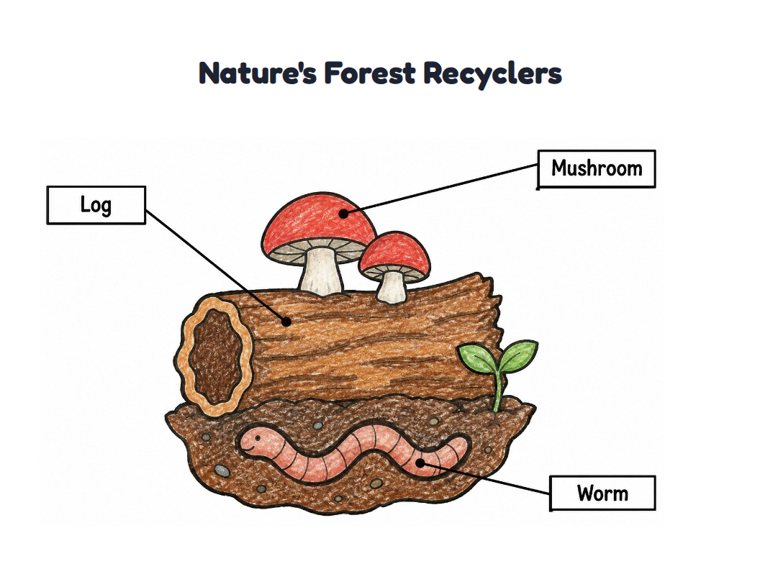
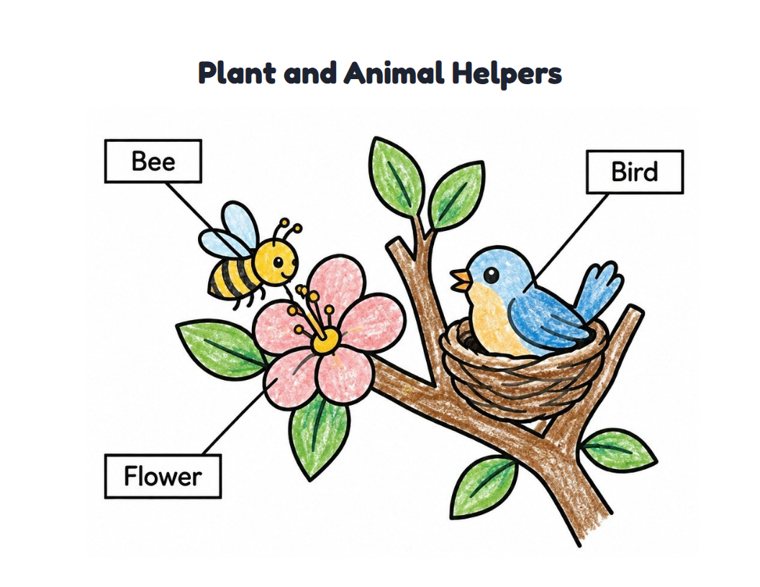
Younger children might not be ready for complex food webs, but they can easily grasp how a bee pollinates a flower or how worms help a compost pile break down soil. The simple ecosystem pages focus on these small, everyday interactions that kids can observe in their own backyards.
These accessible pages pair well with our nature printables or Earth Day activities to encourage an early appreciation for the environment and local wildlife.
- Garden compost piles showing decomposers at work.
- Tide pools with starfish and hermit crabs finding shelter.
- Meadow scenes featuring bunnies and busy bees interacting with local flora.
- Bird nests with friendly caterpillars demonstrating basic food chains.