Free Printable Election Day Coloring Pages
Help children understand the voting process with these non-partisan election day coloring sheets. Teachers and parents can use these printables to introduce civic duties, ballot boxes, and classroom elections to young learners.
Election Day Coloring Pages
Explore polling places, secure ballot drop boxes, and classic patriotic symbols like the eagle seal.


Kids Voting and Classroom Elections
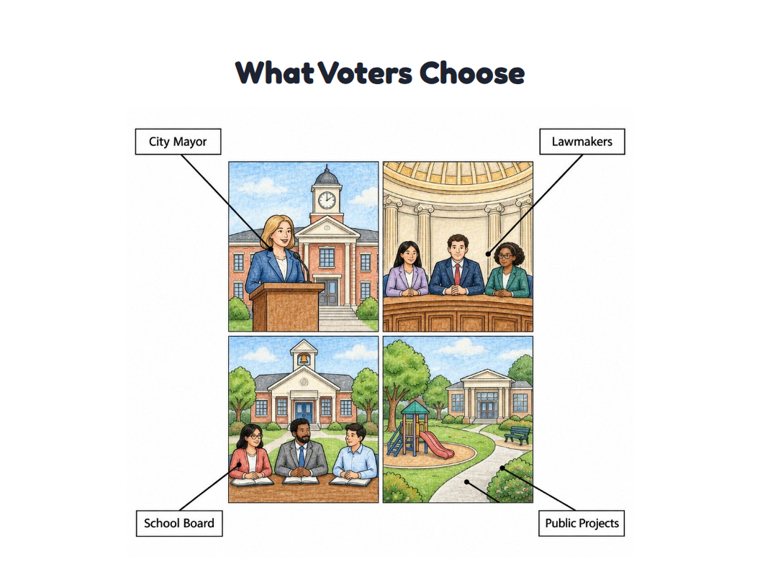
These scenes show students participating in school council elections and learning that every vote counts.


I Voted Badges and Patriotic Signs
Color detailed rosette badges, rally signs, and patriotic shields to celebrate civic participation.


More pages to explore
Related coloring pages on Color Confetti.


All 17 more: Zohran Mamdani (20), Abdul El Sayed (20), Classroom (16), Donkey (37), Preschool (41), Politician (21), White House (18), United States (19), American Symbols (26), American History (22), Constitution Day (22), Flag Day (23), Fourth Of July (34), Civil Rights (27), Freedom (21), Leadership (18) and Social Studies (20).
Ready to print for home, preschool and classroom.
PDF paper size:
Using these pages in your nonprofit, library, hospital or at an event? We'd love to hear from you
Election Day Worksheets
3 printable election day worksheets with answer keys, from tracing first words in Pre-K to labeling and writing in grades 3–4. Every PDF has the worksheet, the answer key and a colored example. You can change the title and the words before printing.
Download all 3 worksheets as one PDF with answer keys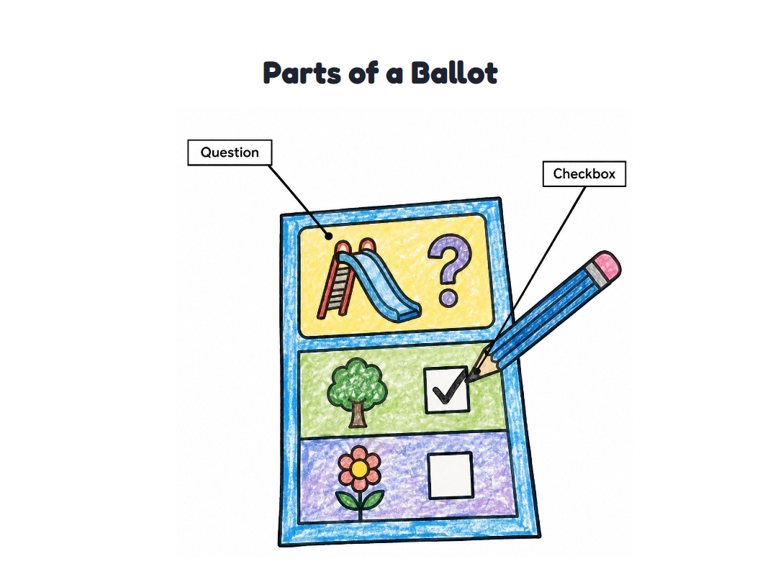
Introducing the Voting Process to Young Citizens
Election Day is an excellent opportunity to teach children about democracy and civic responsibility. Using our polling place scenes, educators can explain how a secret ballot works and why privacy booths are important. For younger students, coloring a simple ballot box helps demystify the process they might see their parents participating in at the local community center. Discussing the role of poll workers and the steps of checking in, receiving a ballot, and casting it securely builds foundational knowledge for future voters.
Activities for Student Council and Classroom Votes
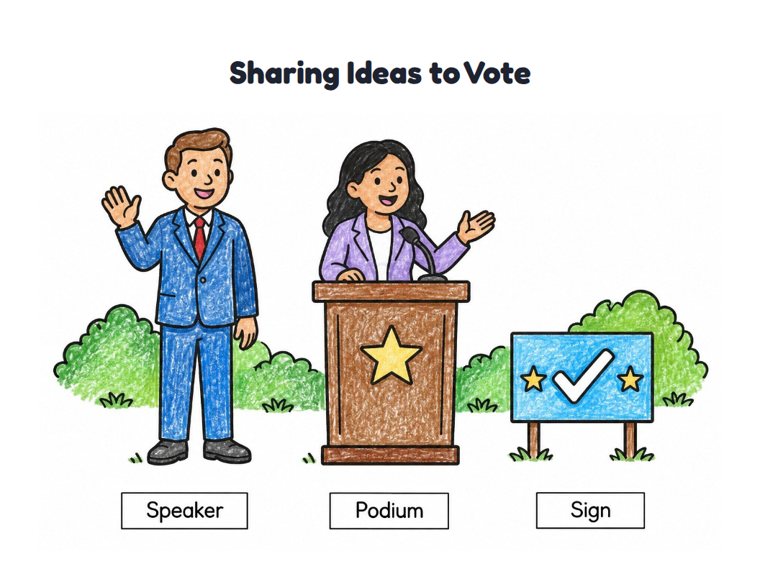
Hosting a mock election makes the concept of voting tangible for elementary students. You can pair a classroom vote for a favorite book or snack with our student voting sheets. Children can color their own campaign signs and hand out badges after casting their choices. This interactive approach helps them understand that every voice matters in a democratic system, whether they are choosing a class president or a recess game.
- Set up a cardboard voting booth in the classroom for an authentic feel.
- Have students design their own rally posters using the blank sign templates.
- Distribute the colored rosette badges to everyone who participates.
Coloring American Political Symbols
Many of these printables feature traditional US political mascots and emblems. You will find the Democratic donkey and the Republican elephant standing together as friends, promoting a non-partisan message of unity. When coloring the presidential seal or the Uncle Sam hats, children can practice staying within the lines while using standard red, white, and blue crayons. Adding silver or gold to the eagle and stars gives the pages a finished look.
Simple Election Printables for Early Learners
Finding age-appropriate civic activities for early learners can be challenging during the election season. The designs featuring cute animals holding vote signs or large block letters are ideal for developing motor skills. These simple outlines require less precision, allowing toddlers to focus on recognizing the letters in the word VOTE while learning basic concepts about making fair choices.