Printable Anger Management Coloring Pages
Help children explore and process strong emotions with these free coloring pages. You will find expressive faces, feelings charts, and practical anger management exercises designed for home or classroom calm-down corners.
Anger Coloring Pages
Explore different ways frustration looks and feels, from steaming ears to helpful feelings charts and calm-down corners.


Anger Management and Calming Down
Practice self-regulation with calming activities like deep breathing, using a stress ball, and exploring the anger iceberg.


More pages to explore
Related coloring pages on Color Confetti.


All 15 more: Monster (45), Face (29), Sadness (29), Empathy (23), Positive Affirmation (28), Grief (18), Sympathy (23), Self Control (19), Patience (18), Kindness (33), Respect (20), Joy (31), Manners (23), Responsibility (20) and Being Sick (22).
Ready to print for home, preschool and classroom.
PDF paper size:
Want to use these pages in your nonprofit, library, hospital or at an event? Contact us
Anger Worksheets
3 printable anger worksheets with answer keys, from tracing first words in Pre-K to labeling and writing in grades 3–4. Every PDF has the worksheet, the answer key and a colored example. You can change the title and the words before printing.
Download all 3 worksheets as one PDF with answer keys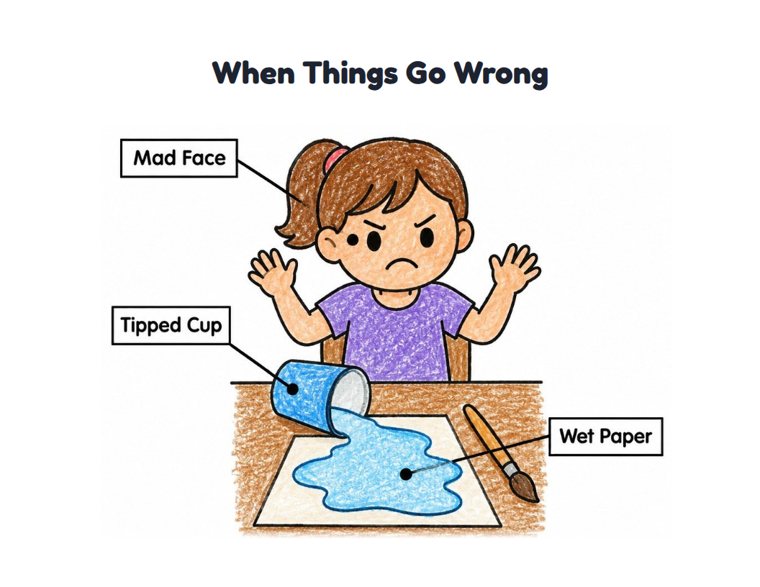
Understanding Big Feelings Through Art
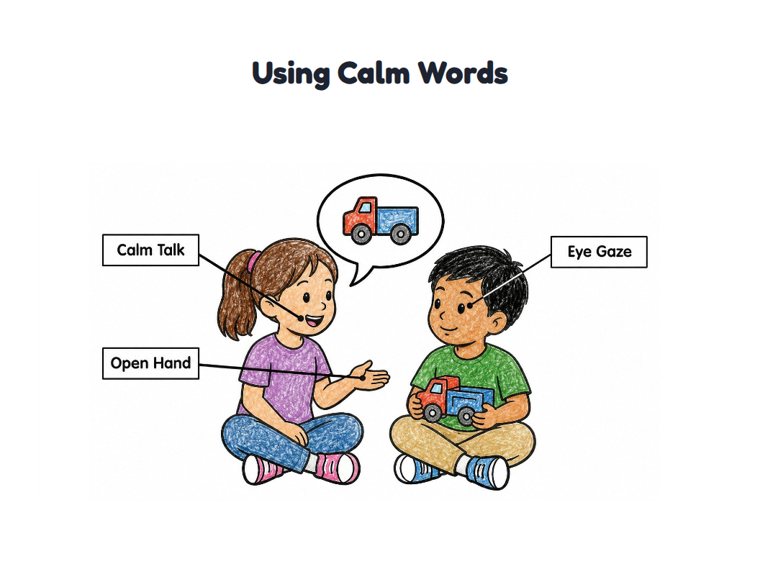
Coloring provides a safe, quiet space for children to process strong emotions. When kids color expressive faces and emotional scenes, they give a physical shape to their frustration, making it easier to discuss. Using these printables alongside facial expression pages helps students recognize the physical signs of being mad, such as clenched fists, steaming ears, or a furrowed brow.
This visual approach is a core part of social-emotional learning, allowing kids to name their feelings before they escalate. Discussing the artwork afterward opens a dialogue about what triggered the emotion.
Setting Up a Classroom Calm-Down Corner
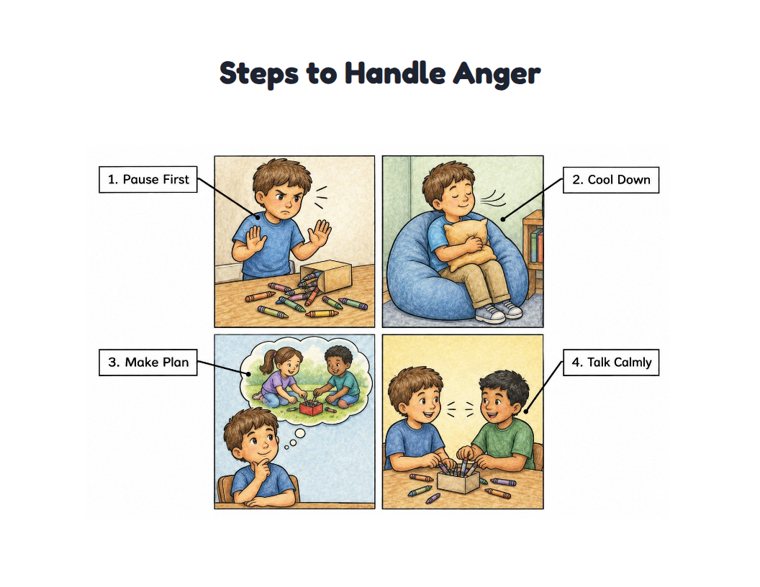
Teachers and parents can use these sheets to build effective self-regulation stations. The anger management section includes practical exercises that guide children through cooling down when they feel overwhelmed. Stocking a quiet area with these printables gives kids an independent way to reset.
- Deep breathing exercises: Pages showing kids blowing pinwheels or counting on their fingers act as visual prompts for mindful breathing.
- The anger iceberg: This specific worksheet helps older kids and teens identify underlying emotions like embarrassment, fear, or sadness that often hide beneath a grumpy exterior.
- Active release: Coloring a boy squeezing a stress ball or drawing stormy feelings encourages healthy coping strategies instead of acting out.
Coloring Tips for Emotional Expression
Encourage children to choose colors that match their mood. While red, orange, and yellow are traditional choices for expressing anger, a child might feel their frustration is a dark, scribbly purple or an intense black. Let them use heavy crayon strokes if they need a physical release, as the act of pressing down can be a physical tension release in itself.
Pairing these activities with empathy-building exercises helps children understand how their reactions affect others. You can also introduce positive affirmation pages once the child has calmed down, reinforcing their ability to handle tough situations.