Benefits of Coloring
What science really says, for adults and kids.
By Color Confetti Team · Reviewed
The short answer
Coloring for about 20 minutes can lower stress and anxiety in the short term, and drawing works just as well. For kids, it is easy daily practice for the hand control they need for writing. Most studies are small, so think of coloring as relaxing self-care, not treatment.
- Good evidence
- Some evidence
- Early evidence
- Expert advice
Benefits of Coloring for Adults
-

-

2. Drawing works just as well
Free drawing lowered anxiety just as much as coloring. Both count.
-
-

4. May lift your mood
One study found a daily coloring habit lowered depressive symptoms in just one week.
Some evidence [7]
-

5. Sharpens your attention
Students showed better selective attention and creative thinking right after a coloring session.
Early evidence [3]
-
6. Builds persistence on hard tasks
Picking your own colors helped students stick with a difficult task longer afterwards.
Early evidence [8]
Try one now
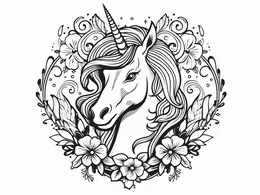
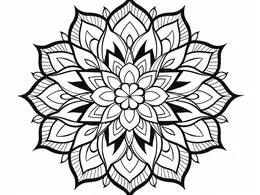

Tip: print one mandala or flower page and color it for about 20 minutes tonight.
Benefits of Coloring for Kids
-

-
8. Calms test anxiety
A few minutes of coloring right before a spelling test lowered anxiety in children.
Some evidence [12]
-
9. Creative play builds the brain
Pediatricians recommend creative, free play to help kids build self-control and social skills.
Expert advice [13]
-
10. May help with ADHD attention
A small study showed coloring sessions improved attention scores in children with ADHD.
Early evidence [14]
-

11. Drawing helps memory
In studies, drawing something helped people remember it better than writing it down.
Some evidence [15]
Easy pages for kids
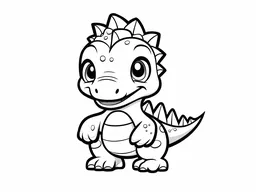
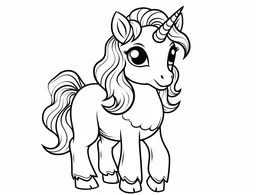
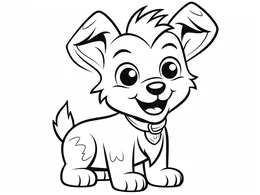
For kids, easy pages with big shapes and thick lines are the best place to start.

3 Coloring Myths
-
Coloring activates both brain halves
There is no study showing this. It is a popular claim without proof.
-
Mandalas are the best for anxiety
A review found free drawing lowers anxiety just as well as mandalas.
-
Coloring can cure anxiety
It is a helpful self-care tool, but not a replacement for medical treatment.
A 20-minute calm coloring routine
- 1
 Set a timerColor for about 20 minutes to relax.
 - 2
 Pick your colorsChoose your own colors instead of copying.
 - 3
 Stay mindfulNotice the feeling of the pencil moving.
 - 4
 Draw or colorFree drawing works just as well.
 Draw or color online
 Free coloring books (PDF)
No printer at home? You can also color every page online on our free drawing board.


Questions and Answers
Why is adult coloring so addictive?
Coloring is low-pressure: there is no blank page, no wrong answer, and you see progress fast. Many people find that mix calming and come back to it again and again.
Does coloring help with ADHD?
A small study found coloring sessions improved attention scores in children with ADHD. It is early evidence and acts as a helpful complement, not a medical treatment.
Is coloring good for your brain?
In two randomized studies, students had sharper attention and more creative ideas right after coloring. For kids, pediatricians say creative play supports healthy brain development. Claims about using both brain halves are not proven.
What kind of therapy is coloring?
Coloring is not formal therapy. The American Art Therapy Association states that true art therapy requires a trained therapist. Coloring is simply a therapeutic self-care activity.
What is a good age for kids to start coloring?
Most children start scribbling with a fist grip around 15 months. Controlled scribbling follows at about 2 to 3 years, so that is a great time for big, simple coloring pages.
How long should you color to feel calmer?
Many studies showing reduced anxiety had participants color for about 20 minutes. Even a few minutes before a test helped calm children's nerves.
Does coloring help with anxiety?
In several studies, coloring a design or drawing freely lowered anxiety right after a stressful task. It works best as a short calming break. If anxiety is strong or lasts, talk to a doctor.
Do mandalas work better than other coloring pages?
No. A review of eight studies found that coloring mandalas and free drawing lowered anxiety about equally well.
Sources (18 studies and expert pages)
- Curry & Kasser (2005), Art Therapy 22(2)
- van der Vennet & Serice (2012), Art Therapy 29(2)
- Holt, Furbert & Sweetingham (2019), Art Therapy 36(4)
- Støre & Jakobsson (2022), Art Therapy, meta-analysis
- Turturro & Drake (2022), Empirical Studies of the Arts 40(1)
- Mantzios & Giannou (2018), Frontiers in Psychology 9:56
- Flett et al. (2017), Creativity Research Journal 29(4)
- Eaton & Tieber (2017), Art Therapy 34(1)
- Grissmer et al. (2010), Developmental Psychology 46(5)
- Cameron et al. (2012), Child Development 83(4)
- Dinehart & Manfra (2013), Early Education and Development 24(2)
- Carsley, Heath & Fajnerova (2015), Journal of Applied School Psychology 31(3)
- Yogman et al. / American Academy of Pediatrics (2018), The Power of Play, Pediatrics 142(3)
- Borzabadi Farahani et al. (2023), Art Therapy
- Fernandes, Wammes & Meade (2018), Current Directions in Psychological Science 27(5)
- American Art Therapy Association (2016), position paper
- Samuel et al. (2022), Animal Models and Experimental Medicine
- ZERO TO THREE, Learning to Write and Draw
This page shares research for general information. It is not medical advice.