Free Hispanic Heritage Month Coloring Pages
Explore our collection of free Hispanic Heritage Month printables. These sheets feature national flags, traditional instruments, and festive banners, providing a creative way for teachers and parents to introduce children to rich cultural traditions.
Hispanic Heritage Month Coloring Pages
Festive designs featuring traditional instruments, sweet treats, and inspiring banners for classroom displays.


Hispanic Heritage Flags
Detailed coloring sheets showcasing national flags and maps from various Spanish-speaking countries.


Hispanic Heritage Coloring Pages for Kids
Simple, engaging illustrations of smiling characters, piñatas, and dancers designed for younger children.


Hispanic Culture and Traditions
Intricate scenes of traditional weavers, mariachi bands, and folklorico dancers for older students and adults.


More pages to explore
Related coloring pages on Color Confetti.


All 16 more: Sugar Skull (42), Papel Picado (18), Classroom (16), Guitar (30), Maraca (21), Day Of The Dead (35), Cinco De Mayo (41), Mexican Folk Art (21), Fiesta (27), Mexico (30), Calaveras (19), Charro Days (19), Cesar Chavez (15), Taco (23), Chile (19) and Colombia (18).
Ready to print for home, preschool and classroom.
PDF paper size:
Using these pages in your nonprofit, library, hospital or at an event? We'd love to hear from you
Hispanic Heritage Month Worksheets
7 printable hispanic heritage month worksheets with answer keys, from tracing first words in Pre-K to labeling and writing in grades 3–4. Every PDF has the worksheet, the answer key and a colored example. You can change the title and the words before printing.
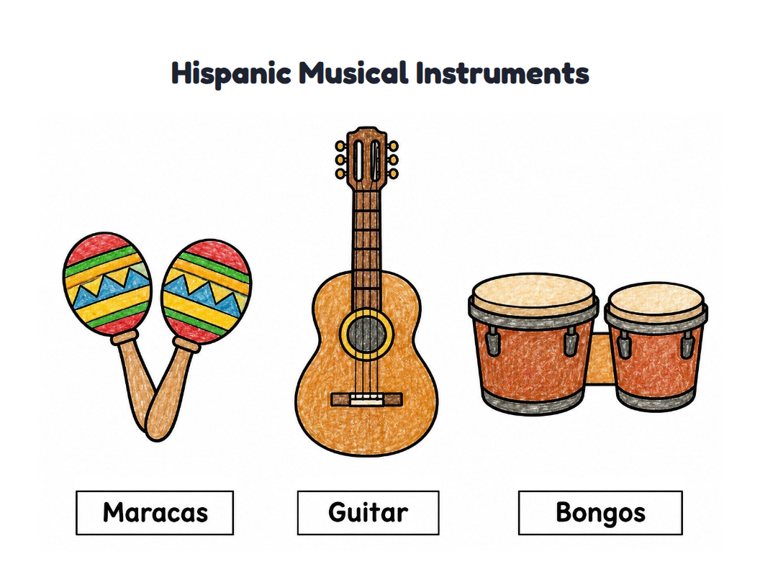
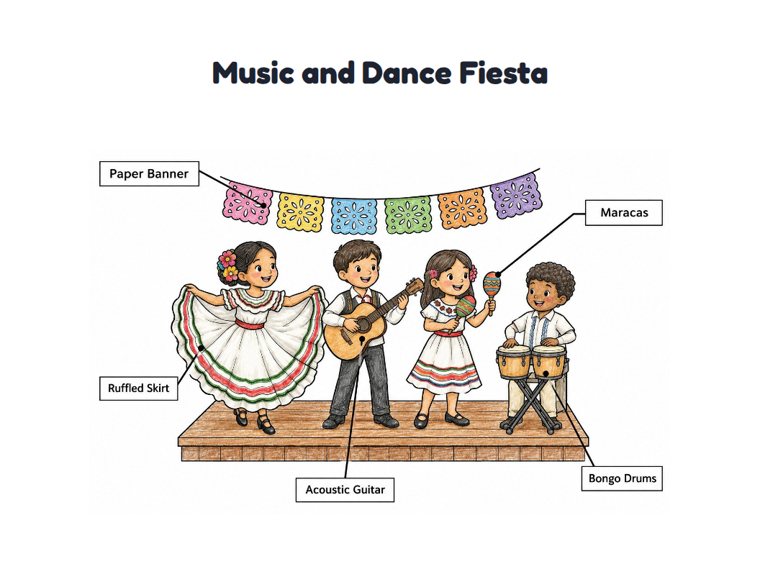
Download all 7 worksheets as one PDF with answer keysTraditional Music and Dance of Hispanic Cultures in 2 levels
More hispanic heritage month worksheets
Using These Printables for Education and Celebration
Teachers and parents often look for engaging ways to observe this national month from September 15 to October 15. Our celebration sheets serve as excellent starting points for discussions about history and heritage. You can use the finished artwork to create vibrant bulletin boards or hallway displays. Incorporating these designs into your daily classroom activities helps students connect visually with the subject matter.
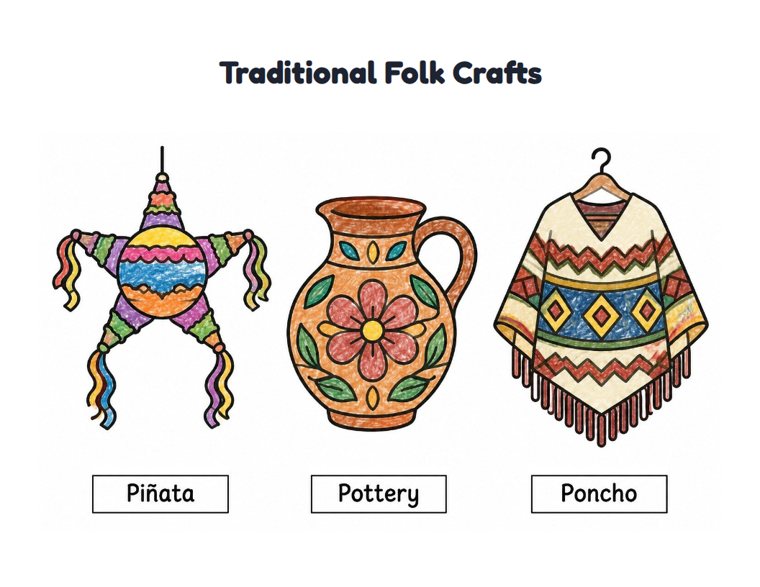
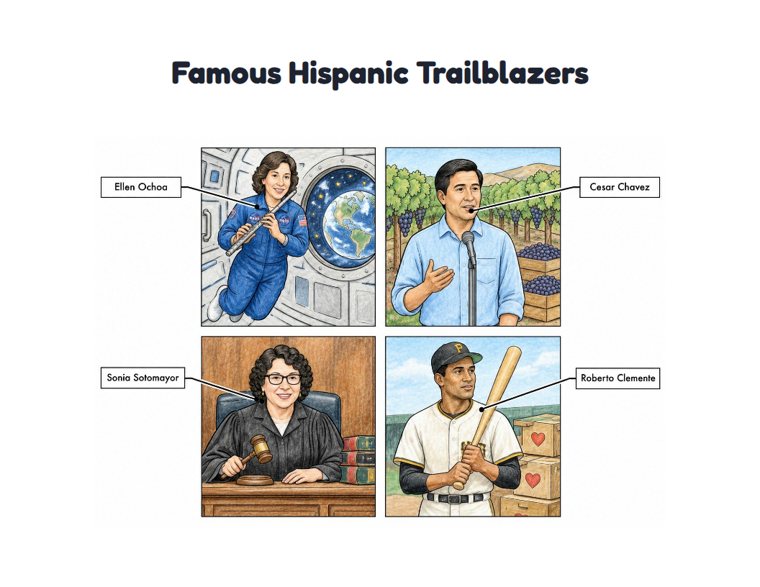
For hands-on projects, children can color the banners and string them together to mimic real papel picado. This adds a festive touch to any learning environment while teaching students about traditional Mexican folk art. Many educators also pair these coloring pages with reading assignments about influential Hispanic figures.
Traditional Instruments and Attire
The illustrations capture a variety of iconic elements from across Latin America and Spain. Students can color traditional clothing like the embroidered blouses and the ribbon dresses worn by folklorico dancers. These garments often feature bright, contrasting colors, giving colorists a chance to experiment with bold markers and colored pencils.
Music plays a central role in these traditions. The collection includes detailed pages of mariachi players, Afro-Cuban conga drums, and maracas. When coloring the acoustic guitars and other instruments, you might play regional music in the background to create a more immersive cultural experience for the children.
Learning Through National Flags
Our flags section provides a geographical element to your heritage lessons. Coloring the flags of Spanish-speaking countries helps students recognize different national symbols, from the Sun of May on the Argentine flag to the coat of arms on the Mexican flag.
These flag printables can be paired with geography assignments or family heritage projects. Children can research the specific colors required for each flag, turning a simple coloring session into an interactive history and geography lesson.
- Assign a specific country to each student for a mini research project.
- Create a diverse bunting by stringing colored flags across the room.
- Discuss the meaning behind the colors and emblems found on each design.
Connecting to Other Cultural Celebrations
While this month-long observance is a primary focus in the fall, many of these elements overlap with other significant dates. For example, the sugar skulls and marigolds are central to Day of the Dead observances in November.
Similarly, the mariachi bands and traditional dancers are frequently studied alongside Cinco de Mayo events in the spring. Keeping these printables on hand allows you to revisit these rich cultural traditions throughout the entire school year.