
Free Printable Robot Coloring Pages
Find 28 robot coloring sheets for all ages. Young kids will enjoy simple, friendly droids, while older colorists can tackle detailed mechanical animals and giant battle mechs.
Classic and Futuristic Robots to Color
Color vintage tin toys, futuristic androids, and friendly retro robots with gears and antennas.


Giant Battle Mechs and Armored Robots
Older kids will enjoy these highly detailed giant mechs, exosuits, and armored warriors ready for action.


Cute and Simple Robots for Kids
These simple, cheerful droids have thick outlines and big smiles for young children to color.


Robotic Animals and Mechanical Creatures
Mechanical creatures combine biology and engineering, featuring cybernetic pets and steel predators.


More pages to explore
Related coloring pages on Color Confetti.


All 14 more: Robot Dinosaur (33), Superhero (39), Dragon (49), Shark (39), Space (38), Toy (20), Science Fiction (25), Technology (20), Steampunk Gears (19), Machine (17), Astronaut (34), Scary Alien (22), Valentines Day Robot (17) and Inventor (19).
Ready to print for home, preschool and classroom.
PDF paper size:
Using these pages in your nonprofit, library, hospital or at an event? We'd love to hear from you
Robot Worksheets
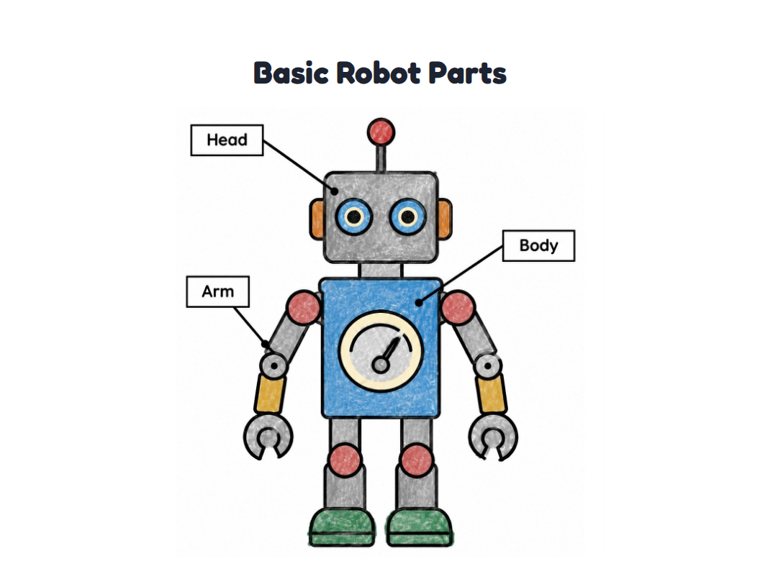
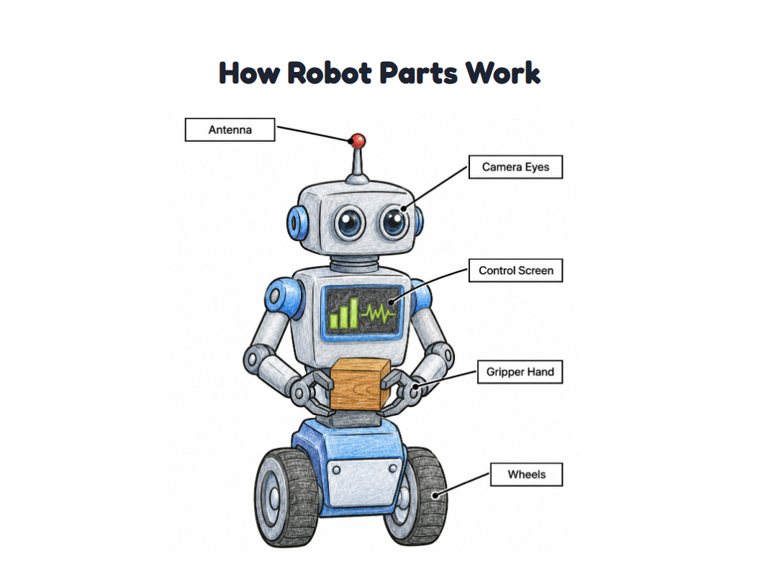
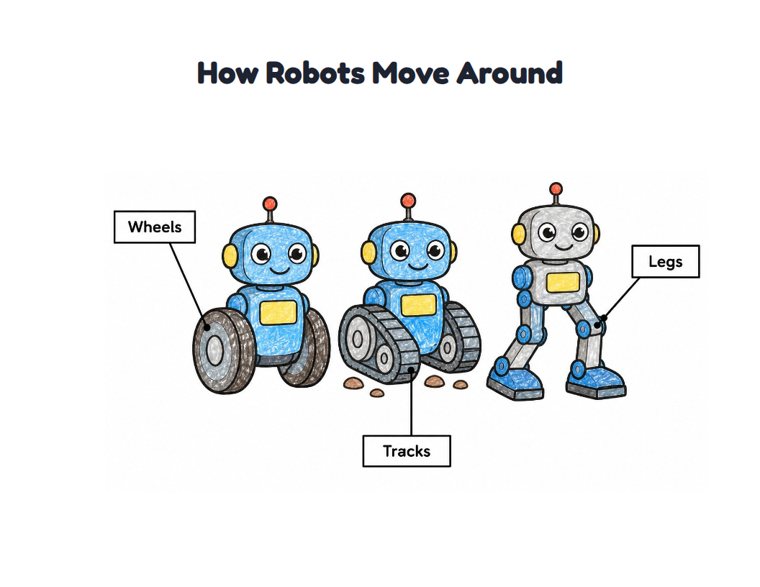
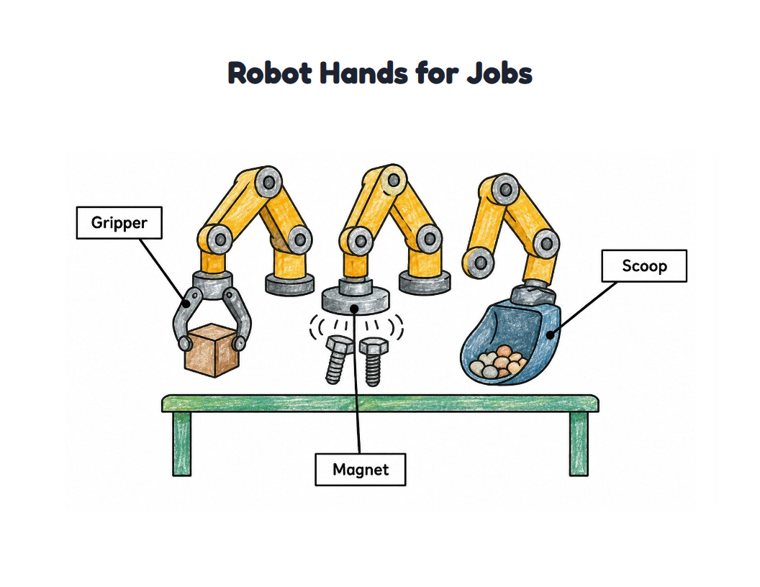
7 printable robot worksheets with answer keys, from tracing first words in Pre-K to labeling and writing in grades 3–4. Every PDF has the worksheet, the answer key and a colored example. You can change the title and the words before printing.
Download all 7 worksheets as one PDF with answer keysParts of a Robot in 2 levels
More robot worksheets
Choosing the Right Robot for Your Colorist
The world of robotics offers endless variety for coloring. Young children usually prefer our simple droids, which feature thick lines, basic geometric shapes, and friendly faces. These pages help develop fine motor skills without the frustration of tiny details.
Older kids and teens often gravitate toward complex mechanical engineering designs. The giant battle mechs and armored exosuits require more focus. They offer a great chance to experiment with metallic shading, intricate wiring, and glowing energy cores.
Coloring Metallic Textures and Glowing Lights
Giving a robot a realistic metallic look is easier than it seems. Instead of using a single flat gray crayon, try blending silver, charcoal, and light blue colored pencils to create shiny steel or titanium armor. You can also add rust spots with copper, brown, and orange tones for a weathered, vintage tin toy aesthetic.
- Use bright neon gel pens or markers for glowing eyes, control panel buttons, and energy beams.
- Blend dark grays and blacks deep inside the joints, pistons, and gears to create shadows and depth.
- Leave small white spaces on the curved metal parts to simulate bright light reflections.
Mechanical Creatures and Nature
A popular theme in science fiction is the stark contrast between advanced technology and the natural world.
You can also explore fully robotic beasts, like a mechanical dragon or a cybernetic shark. Coloring these pages allows you to mix earthy greens and browns with the cold, hard grays of cybernetic components.
Ideas for Science and Technology Lessons
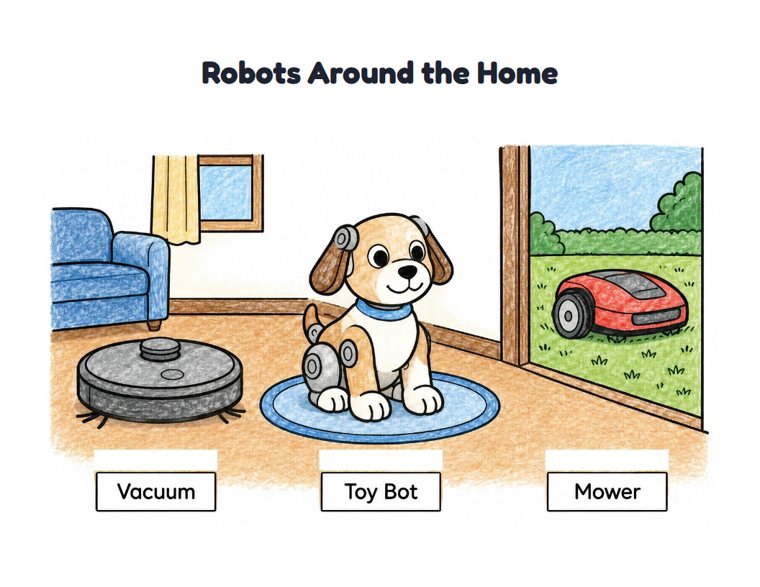
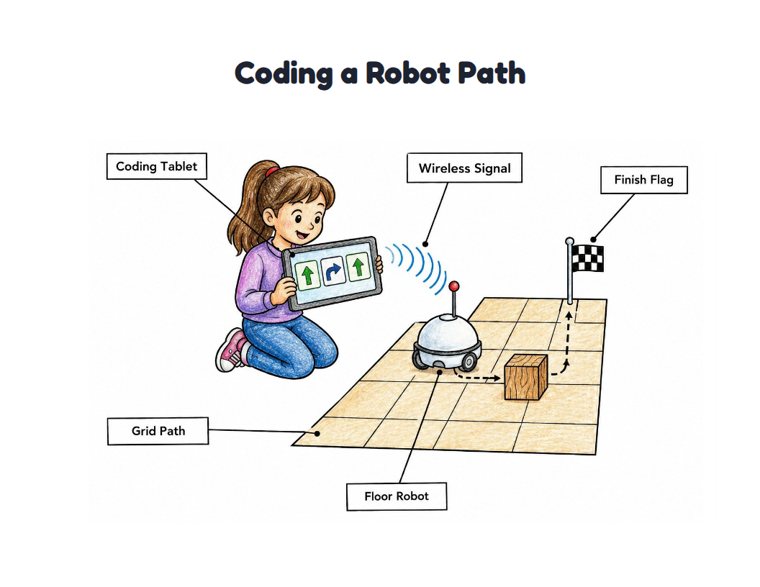
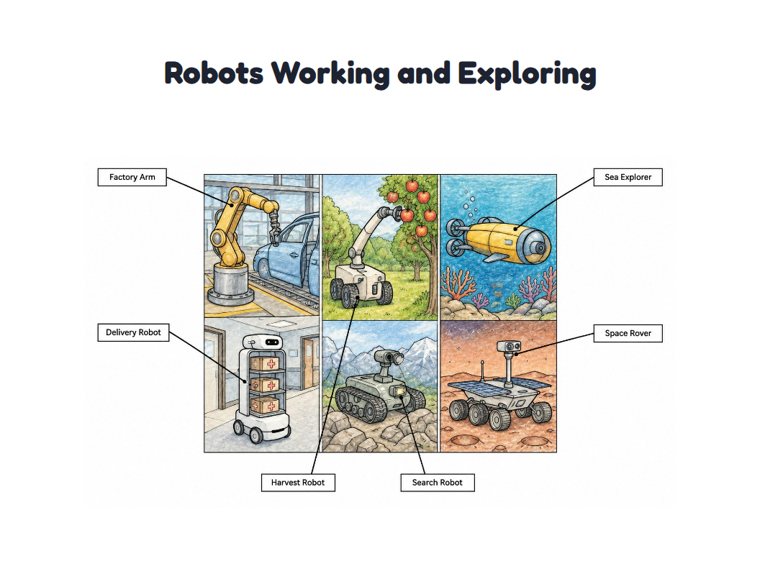
Teachers and homeschooling parents can use these printables to introduce basic STEM concepts. While coloring a bipedal android or a mechanical dog, you can discuss how real-world sensors and actuators help machines move and understand their environment. The pages serve as a quiet, creative activity after a robotics club meeting or a science lesson about automation and artificial intelligence.