
Printable Helping Others Coloring Pages
These 19 coloring pages show children and adults doing everyday good deeds. Parents and teachers can use these scenes to talk about kindness, empathy, and community service with kids of all ages.
Helping Others Coloring Pages
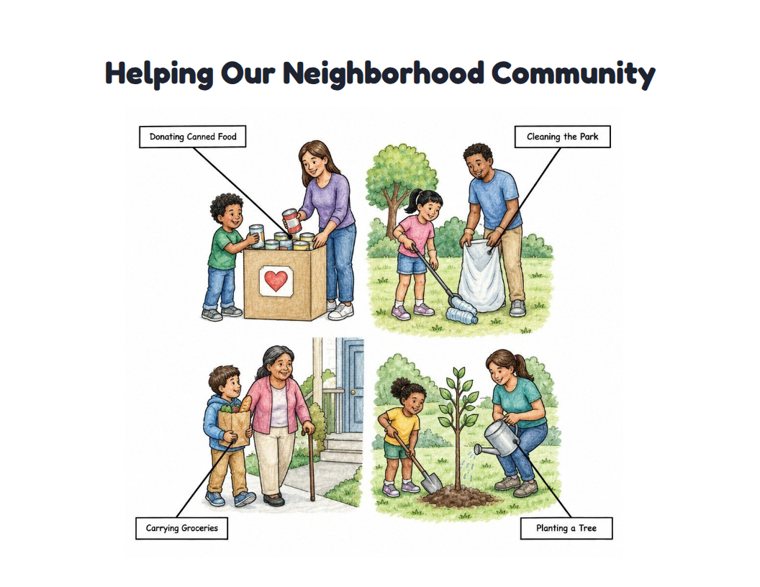
These scenes feature everyday acts of kindness, from carrying groceries for a grandmother to assisting a friend on crutches.


Children Helping Each Other at School and Play
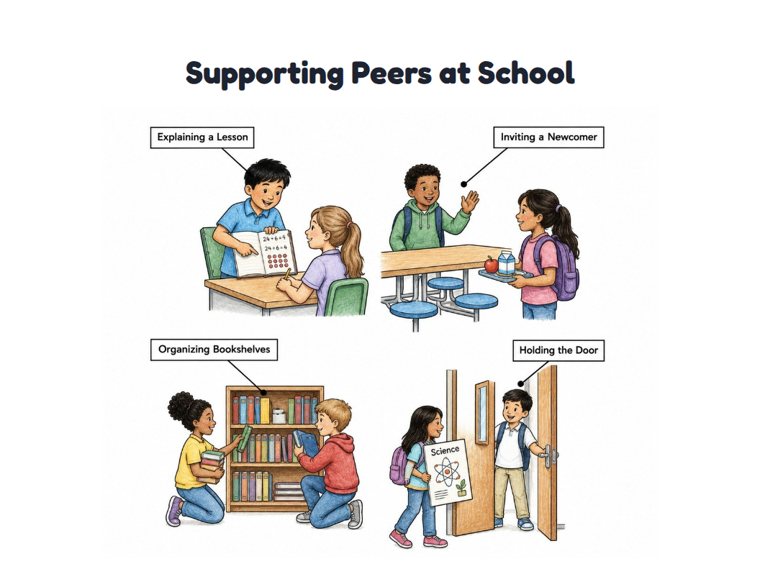
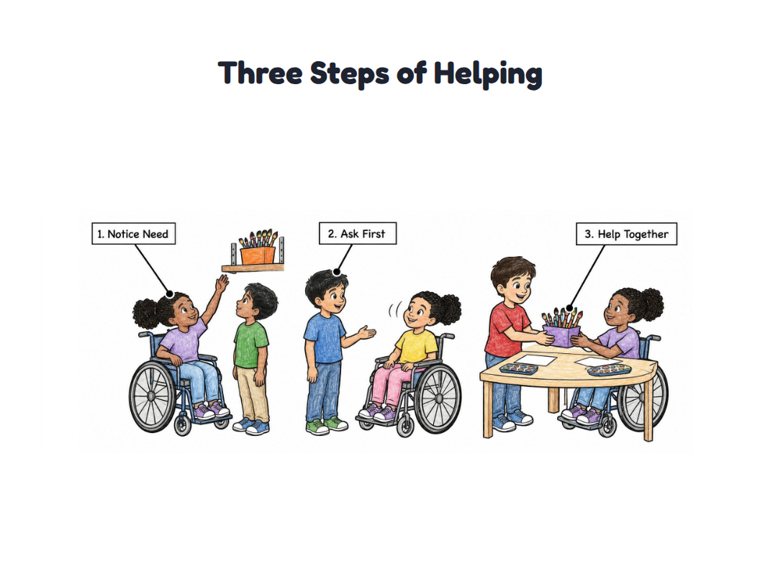
School and playground settings highlight peer support, such as sharing an umbrella or comforting a friend on a bench.


Simple Helping Hands for Preschoolers
Simple outlines show toddlers and young children practicing good deeds like feeding pets and tidying up toys.


More pages to explore
Related coloring pages on Color Confetti.


All 13 more: Preschool (41), Sharing (2), Kindness (33), Caring (16), Empathy (23), Good Samaritan (31), Love One Another (13), Respect (20), Responsibility (20), Bucket Filling (13), Gratitude (25), Manners (23) and Leadership (4).
Ready to print for home, preschool and classroom.
PDF paper size:
Want to use these pages in your nonprofit, library, hospital or at an event? Contact us
Helping Others Worksheets
7 printable helping others worksheets with answer keys, from tracing first words in Pre-K to labeling and writing in grades 3–4. Every PDF has the worksheet, the answer key and a colored example. You can change the title and the words before printing.
Download all 7 worksheets as one PDF with answer keysHelping Classmates at School in 3 levels
More helping others worksheets
Teaching Empathy Through Art
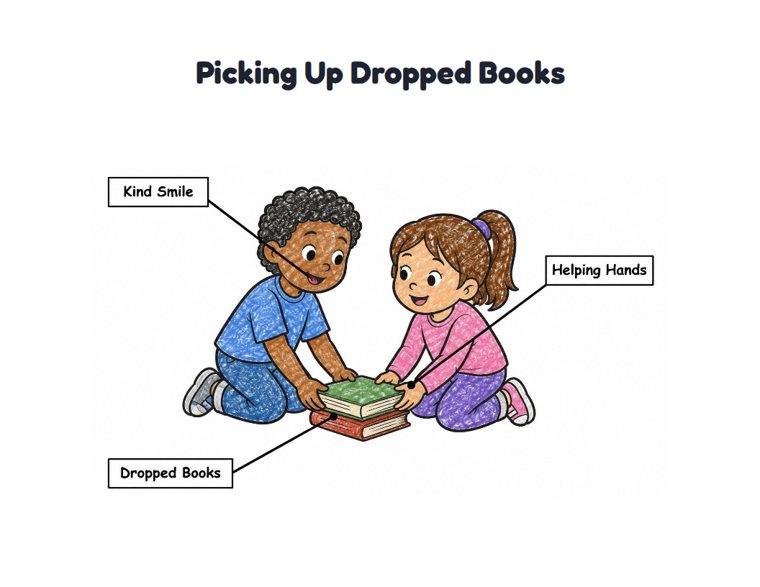
Coloring is a quiet, focused activity that gives parents and educators a natural opportunity to discuss good deeds with children. As kids color scenes of someone assisting an elderly neighbor on the sidewalk or comforting a classmate who dropped their books, adults can guide the conversation toward why these actions matter. You can ask children how they think the characters in the pictures feel, both the person helping and the person receiving help. This simple reflection helps develop emotional intelligence and encourages kids to look for similar opportunities in their own lives.
Classroom and Community Service Themes
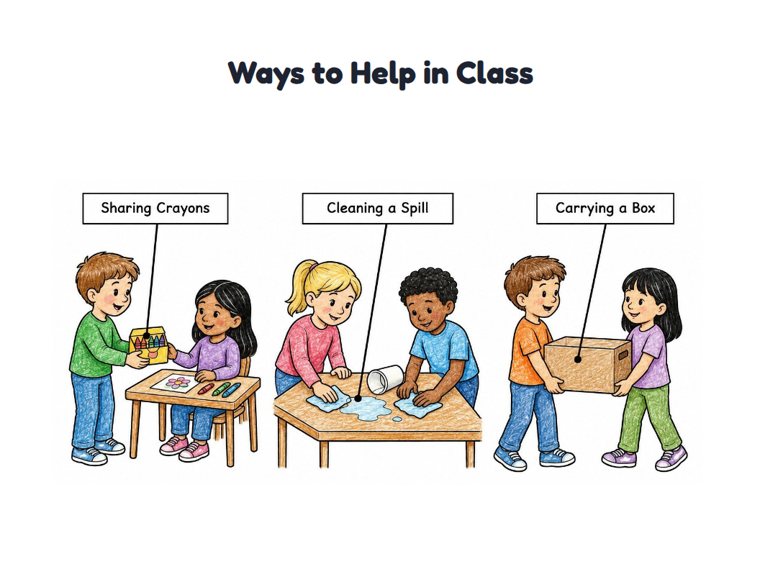
These printables are highly useful for character education lessons, Sunday school classes, or community youth groups. Teachers can introduce the school and play scenes during morning meetings to set a positive, cooperative tone for the day. When children see their peers engaging in mutual support, it reinforces the behavior expected in a group setting.
- Create a classroom bulletin board displaying the finished pages to remind students of daily acts of kindness.
- Pair the coloring activity with a storybook about community service or volunteering.
- Use the preschool sheets to introduce basic concepts like taking turns and respecting others.
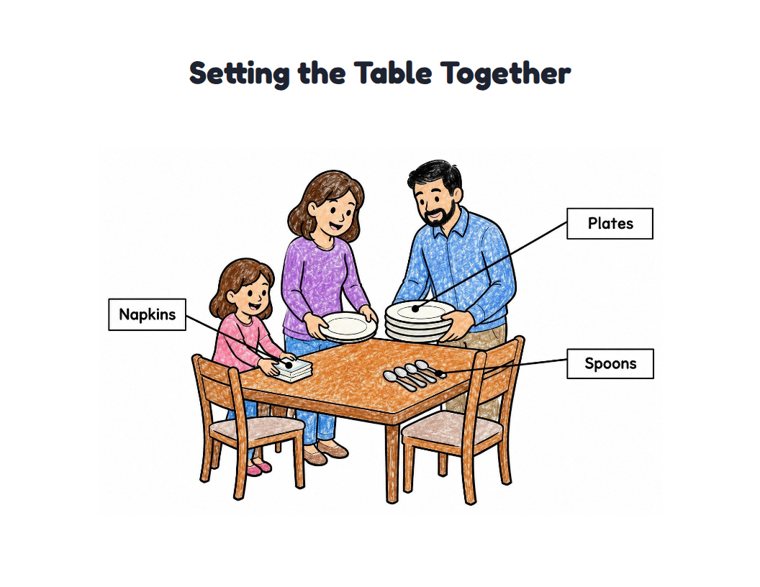
- Send pages home as a family activity to encourage discussions about helping neighbors.
Choosing the Right Pages for Different Ages
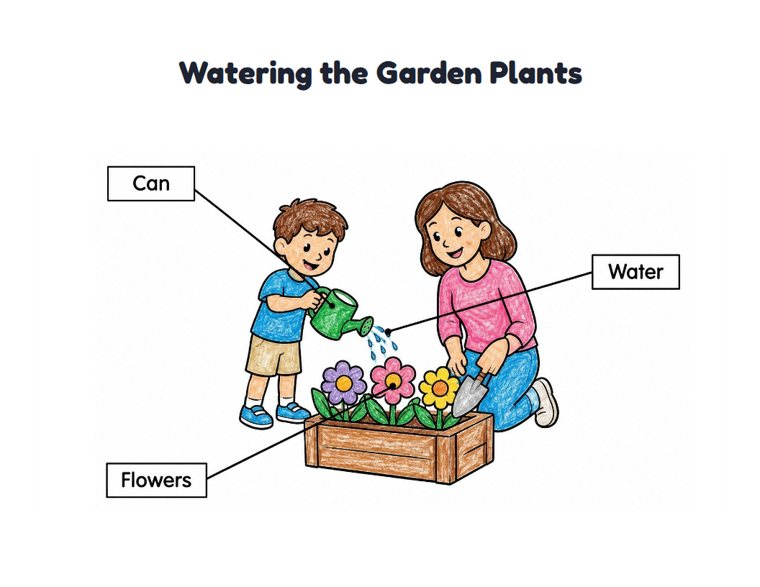
Younger children usually do best with large, clear outlines that represent situations they encounter daily. The preschool section features simple tasks they already understand, like sharing a teddy bear, watering garden flowers, or feeding a family puppy. These pages have fewer background details, making it easier for little hands to practice motor skills with thick crayons. Older kids can handle the more detailed community scenes, such as a girl bandaging a knee or a child donating coins to a charity. These pictures offer more opportunities to use colored pencils and discuss complex ideas like civic responsibility and how small actions improve a neighborhood.
Everyday Situations and Roleplaying
Parents can use these illustrations as a starting point for roleplaying everyday situations. After coloring a page showing a boy helping his grandmother carry groceries, you might practice how to offer assistance to family members at home. Discussing the body language and facial expressions of the characters in the drawings helps children recognize when someone might need a helping hand, whether they are at the park or in the classroom.