
Printable Life Cycle Coloring Pages
Explore how plants and animals grow with these free life cycle coloring pages. These printable diagrams help preschool and elementary students learn about nature's stages through simple illustrations and clear labels.
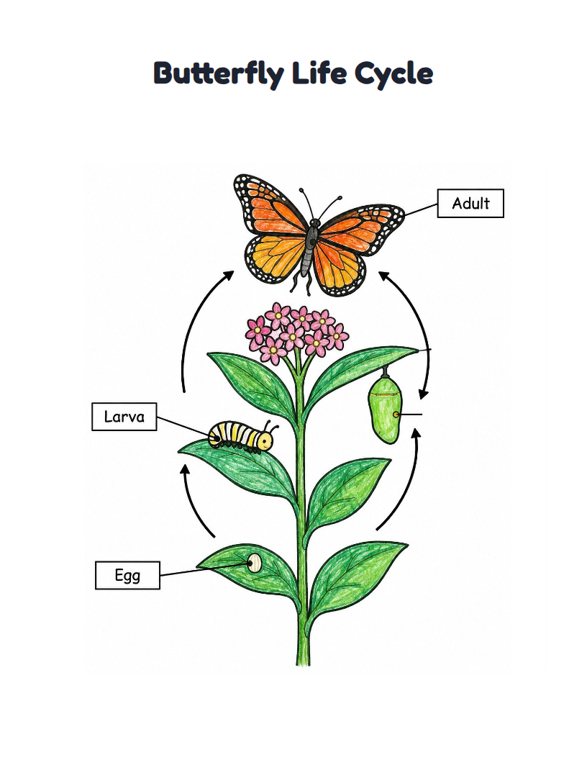
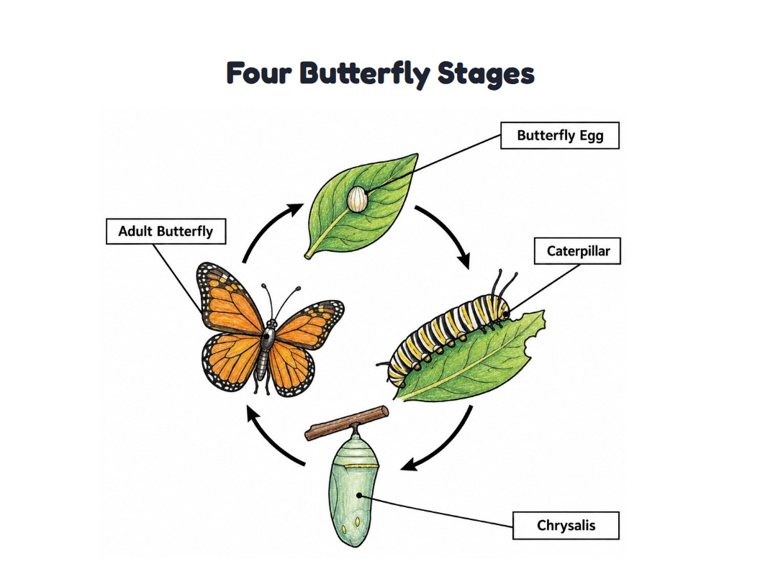
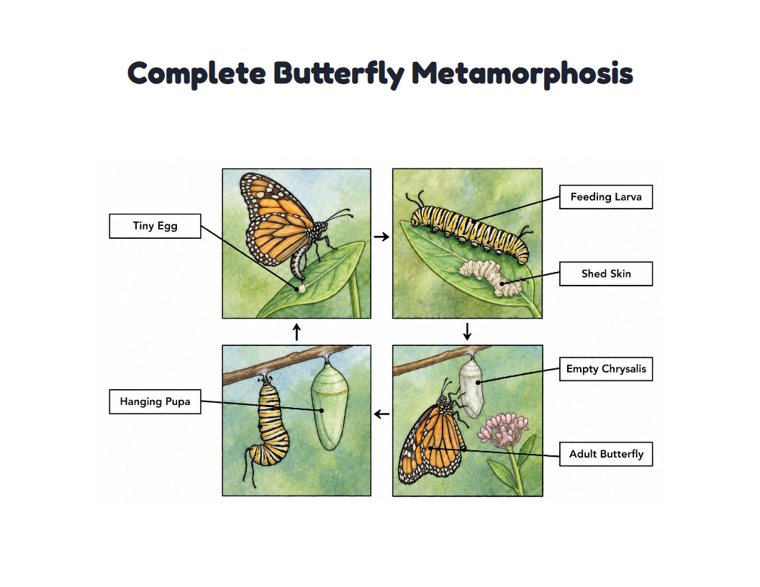
Butterfly Life Cycle Coloring Pages
Trace the transformation from tiny egg and hungry caterpillar to beautiful adult butterfly.
Download all 6 as one PDF with cover page


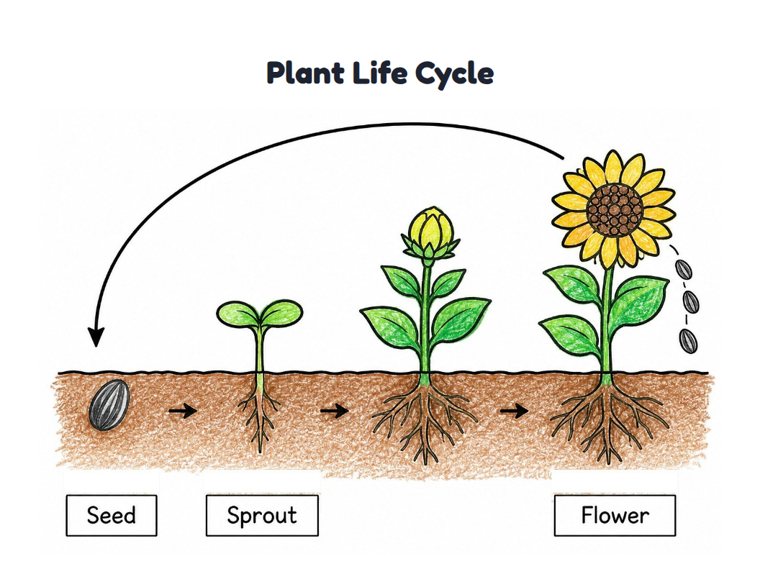
Life Cycle of Plants, Seeds, and Pumpkins
Follow the growth of seeds into sprouts, vines, and mature fruiting plants.
Download all 5 as one PDF with cover page


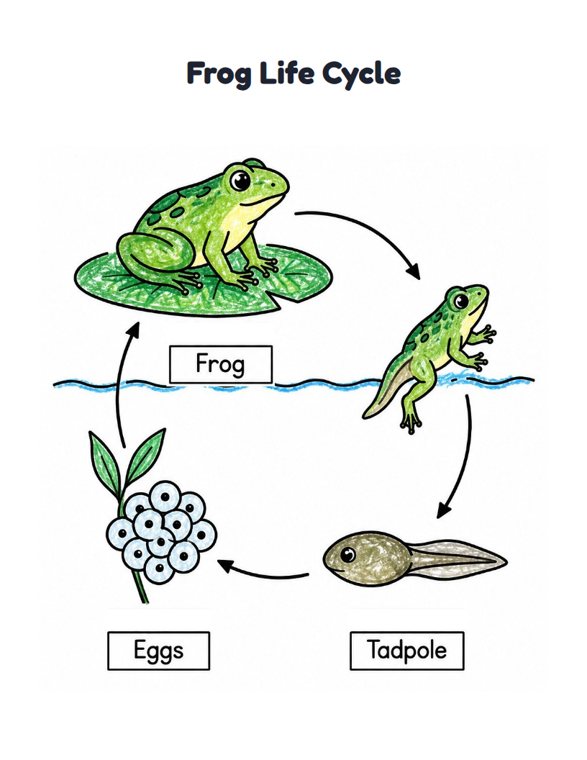
Frog and Tadpole Life Cycle Sheets
Watch tadpoles hatch, grow legs, and develop into adult amphibians ready to hop.
Download all 4 as one PDF with cover page


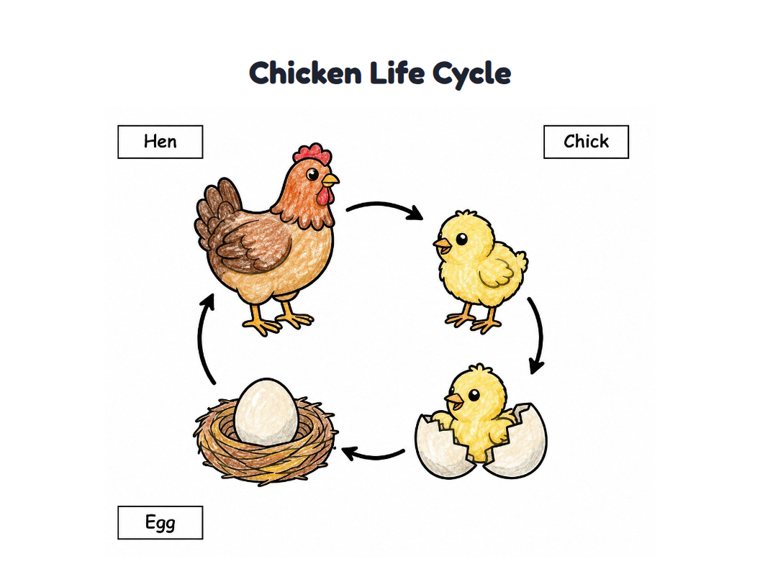
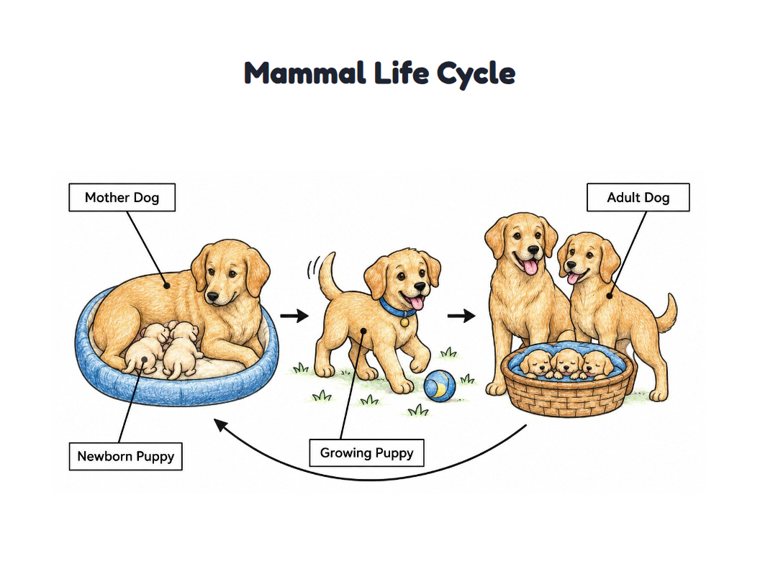
Chicken, Bee, and Animal Life Cycles
Discover the development stages of common farm animals and helpful garden insects.
Download all 3 as one PDF with cover page


More pages to explore
Related coloring pages on Color Confetti.


All 6 more: Butterfly (62), Plant (40), Frog (57), Ladybug (47), Pumpkin (50) and Bee (54).
Ready to print for home, preschool and classroom.
PDF paper size:
Using these pages in your nonprofit, library, hospital or at an event? We'd love to hear from you
Life Cycle Worksheets
8 printable life cycle worksheets with answer keys, from tracing first words in Pre-K to labeling and writing in grades 3–4. Every PDF has the worksheet, the answer key and a colored example. You can change the title and the words before printing.
Download all 8 worksheets as one PDF with answer keysButterfly Life Cycle in 3 levels
More life cycle worksheets
Using Life Cycle Diagrams in the Classroom
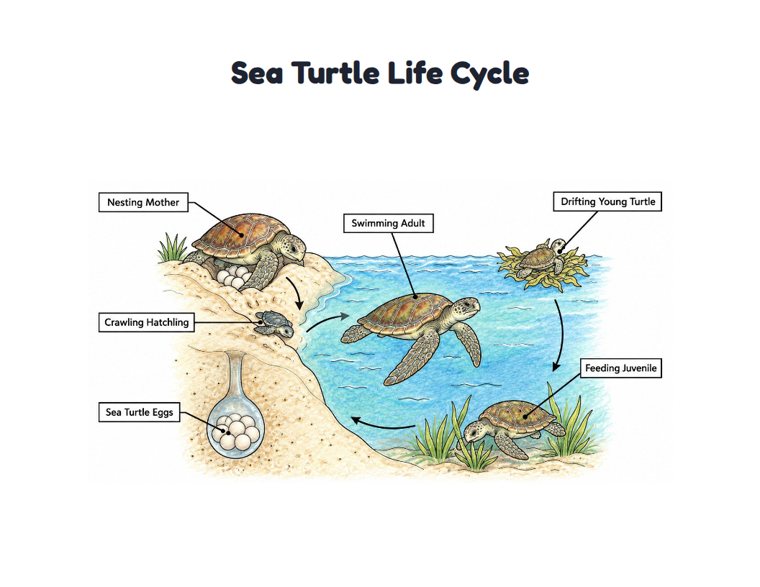
Teaching early biology to young learners is easier when they can visualize the process. These printable worksheets feature circular diagrams with clear arrows to show how living things grow and change over time. When children color the metamorphosis of a butterfly or the sprouting of a plant, they actively engage with the material. The simple line drawings help preschool and elementary students focus on the exact sequence of events, from a tiny egg or seed to a fully mature adult organism.
Key Science Terms to Discuss
As kids color, you can introduce them to proper biological terms to build their science vocabulary. For example, when working on the frog life cycle, talk about how amphibians transition from breathing through gills as tadpoles to using lungs as adults.
- Chrysalis or Pupa: The resting stage where a caterpillar transforms into a butterfly.
- Germination: The process of a seed sprouting its first roots and shoots in the soil.
- Larva: The juvenile stage of certain insects, like the ladybug, before they reach adulthood.
Coloring Tips for Nature Worksheets
Encourage students to use realistic colors for their science pages to reinforce what they see in nature. A pumpkin growth chart looks great with bright oranges and earthy greens, while a honeybee diagram needs distinct yellow and black stripes to show its warning colors. Using fine-tipped markers or colored pencils allows older kids to neatly color the text labels and small details like roots, leaves, or antennae. For younger children, crayons work best for filling in the larger shapes of the growth stages without frustration.