Printable Science Lab Equipment Coloring Sheets
Find 21 free coloring pages featuring essential laboratory tools. These clean line art designs of chemistry glassware, microscopes, and safety gear are ideal for science teachers, homeschool parents, and students learning about the scientific method.
Science Lab Equipment Coloring Pages
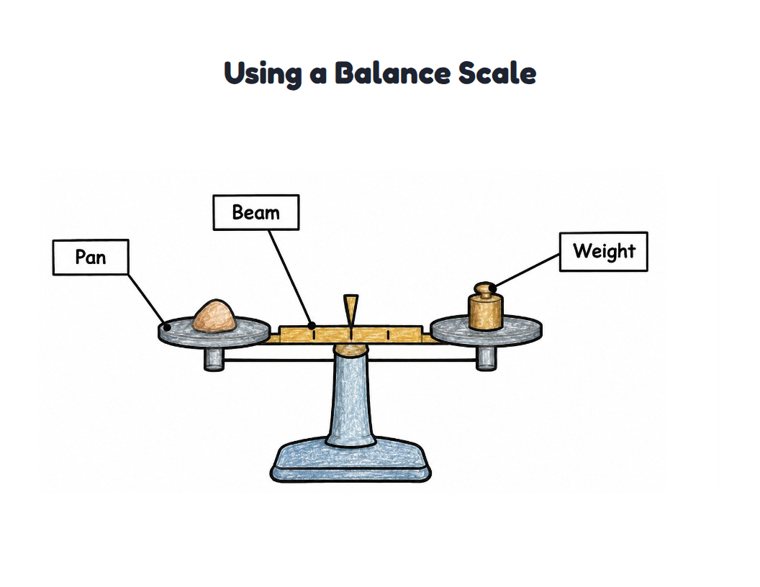
Discover basic laboratory tools, from simple wash bottles to heavy-duty centrifuge machines.


Beakers, Flasks, and Chemistry Glassware
Color detailed setups featuring test tube racks, Bunsen burners, and precise graduated cylinders.


Microscopes and Biology Tools
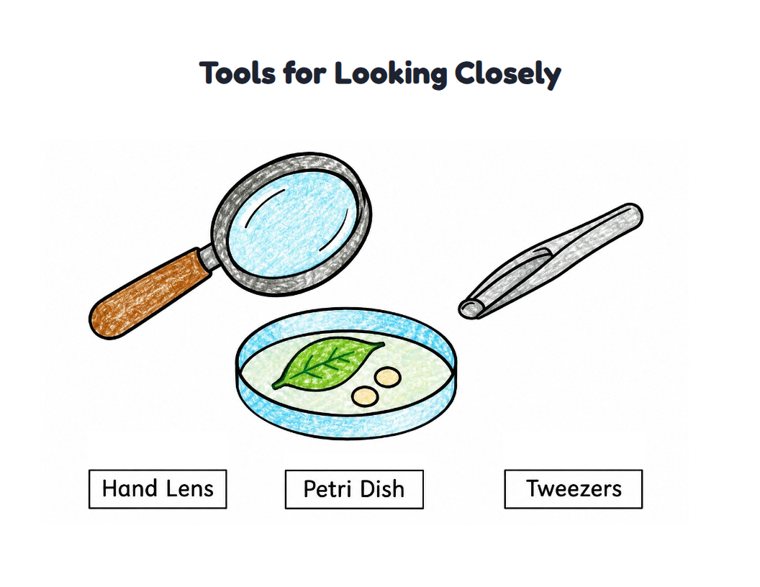
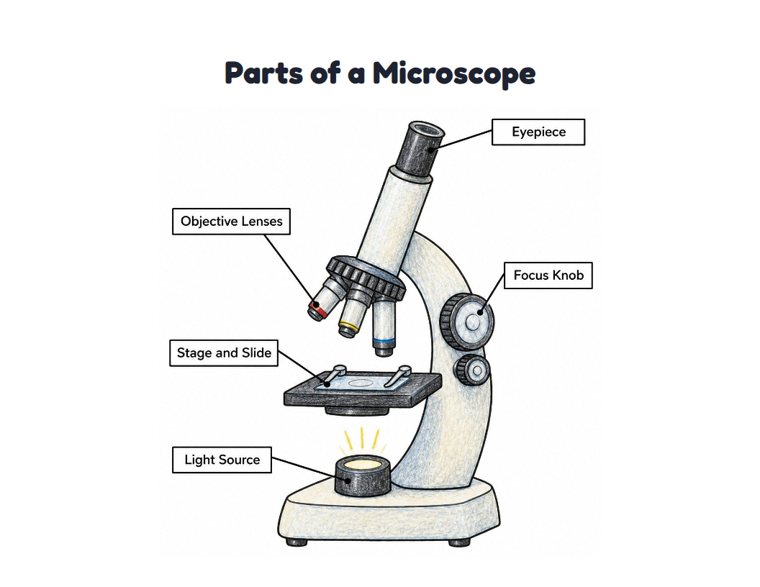
Explore the microscopic world with classic optical microscopes, petri dishes, and magnifying glasses.


Lab Safety and Protective Gear
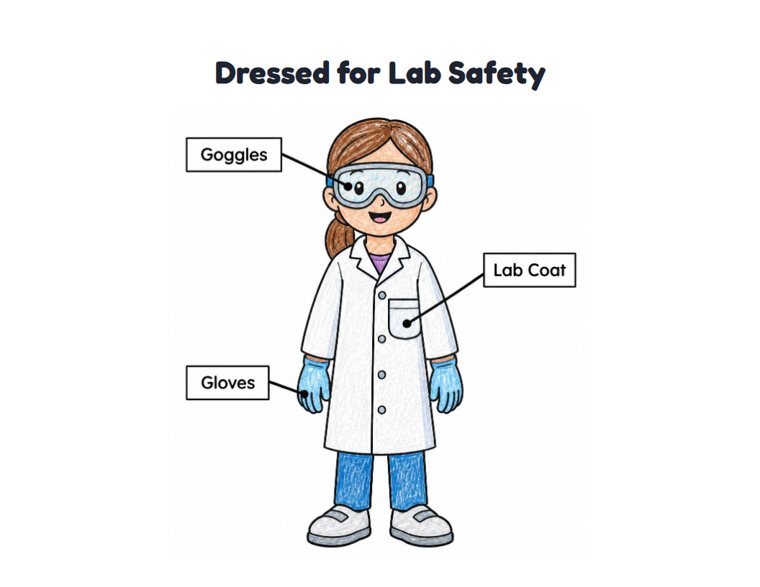
Review crucial protective equipment like safety goggles, heavy gloves, and emergency eye wash stations.


More pages to explore
Related coloring pages on Color Confetti.


All 14 more: Science (28), Classroom (16), Dna (21), Lab (10), Tools (27), Scientist (25), Bacteria (19), Cell (16), Genetics (3), Einstein (45), Light Bulb (31), Anatomy (29), Human Heart (45) and Earth Science (21).
Ready to print for home, preschool and classroom.
PDF paper size:
Using these pages in your nonprofit, library, hospital or at an event? We'd love to hear from you
Science Lab Equipment Worksheets
8 printable science lab equipment worksheets with answer keys, from tracing first words in Pre-K to labeling and writing in grades 3–4. Every PDF has the worksheet, the answer key and a colored example. You can change the title and the words before printing.
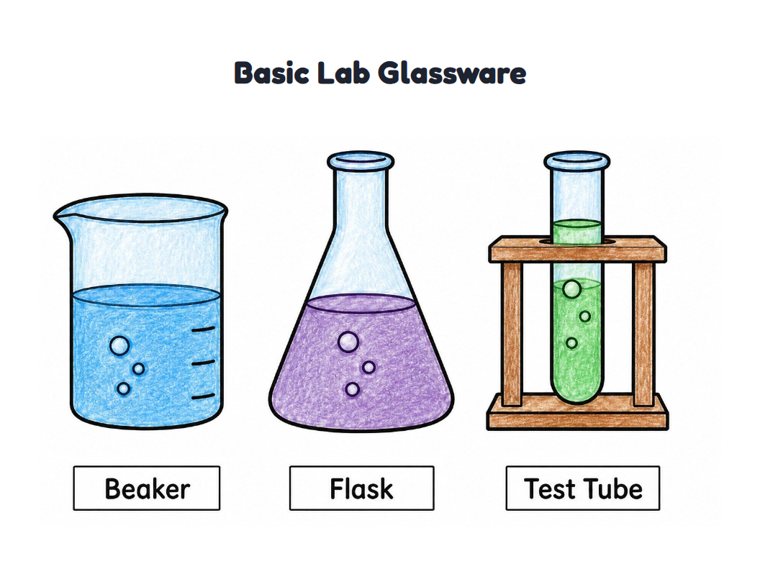
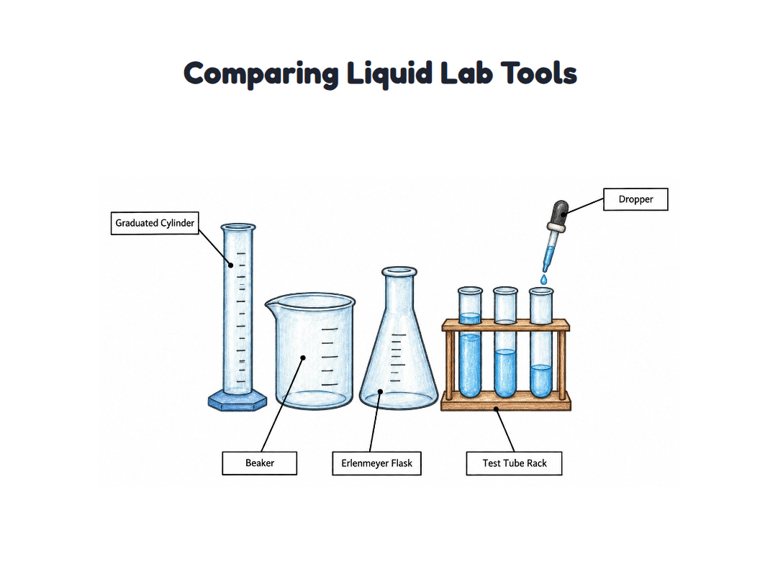
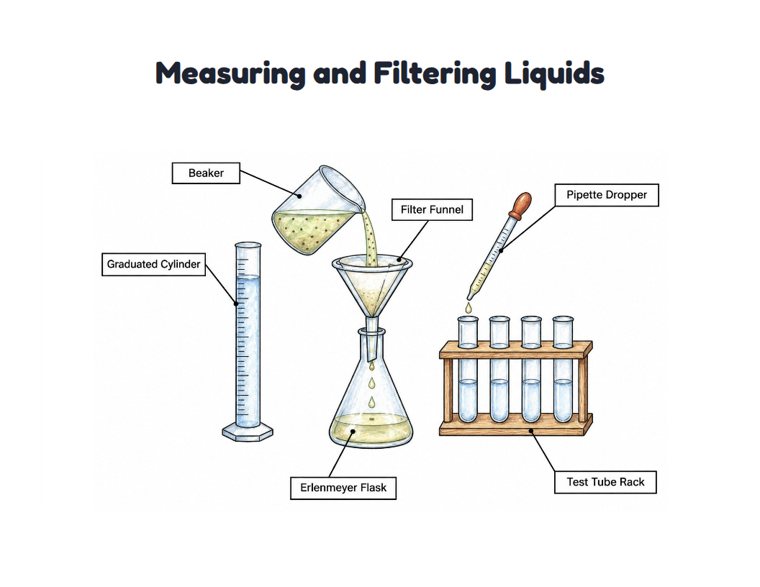
Download all 8 worksheets as one PDF with answer keysLaboratory Glassware for Liquids in 3 levels
More science lab equipment worksheets
Using Coloring in the Science Classroom
Introducing scientific tools to young learners requires clear visuals. These pages function well as introductory worksheets before a hands-on experiment. Students can color the chemistry glassware while learning the difference between a graduated cylinder and a boiling flask. Teachers often use these line art designs as quiet morning work or as a supplementary activity for early finishers during a science block.
- Labeling practice: Have students write the names of the tools next to the images.
- Safety review: Use the protective gear pages to discuss lab rules.
- Equipment matching: Pair the colored pages with real items in your classroom.
Accurate Colors for Laboratory Tools
While students can use any colors they like, coloring these tools realistically helps with recognition. Borosilicate glass used in beakers and flasks often has a slight blue or grey tint along the edges. Chemical solutions inside the test tubes can be shaded with bright neon greens, deep blues, or vibrant pinks to represent different reactions.
For the biology tools, optical microscopes are typically black, white, or silver. Safety items like the emergency eye wash station and fire blanket are usually bright red or green to ensure they are highly visible in a real laboratory environment.
Expanding Your Science Unit
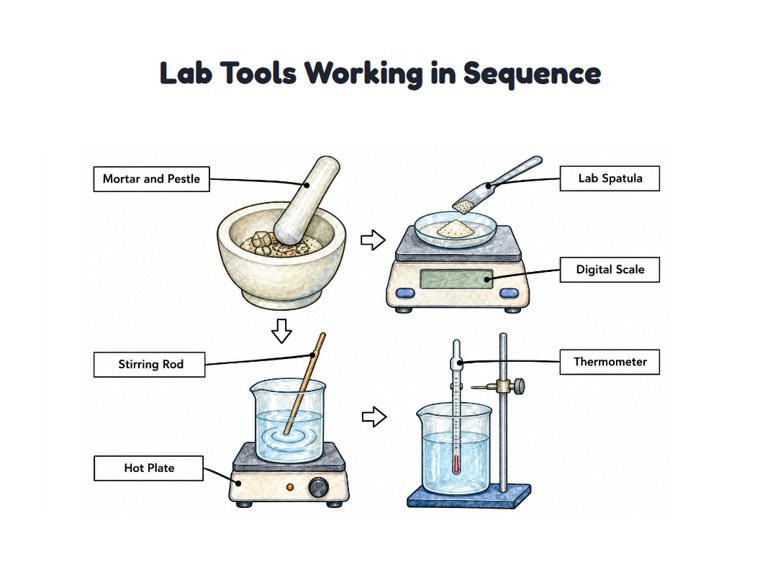
These equipment pages fit naturally into a broader science curriculum. After mastering the names of the mortar and pestle or the retort stand, students can move on to coloring specific fields of study. You might transition from general lab tools to studying human anatomy or exploring genetics with DNA strands. They also work well for a dedicated science week or a STEM fair preparation unit.