
Free Printable Tarantula Coloring Pages
Choose from 27 printable tarantula sheets for all ages. We have detailed, realistic spiders for older children and adults, along with friendly, smiling cartoon tarantulas for younger kids to color.
Tarantula Coloring Pages
These friendly cartoon tarantulas feature big eyes and fun activities, making them great for younger kids who might be nervous about spiders.


Realistic Tarantula Pages
Older kids and adults can color detailed anatomical features, including hairy legs and intricate carapace patterns.


Tarantula Spiders in the Wild
See these large spiders exploring their natural habitats, from sandy burrows to rocky desert landscapes.


More pages to explore
Related coloring pages on Color Confetti.


All 11 more: Bug (47), Desert (34), Spider (59), Black Widow Spider (28), Scorpion (31), Centipede (25), Beetle (32), Desert Animals (32), Halloween (52), Lizard (45) and Snake (45).
Ready to print for home, preschool and classroom.
PDF paper size:
Using these pages in your nonprofit, library, hospital or at an event? We'd love to hear from you
Tarantula Worksheets
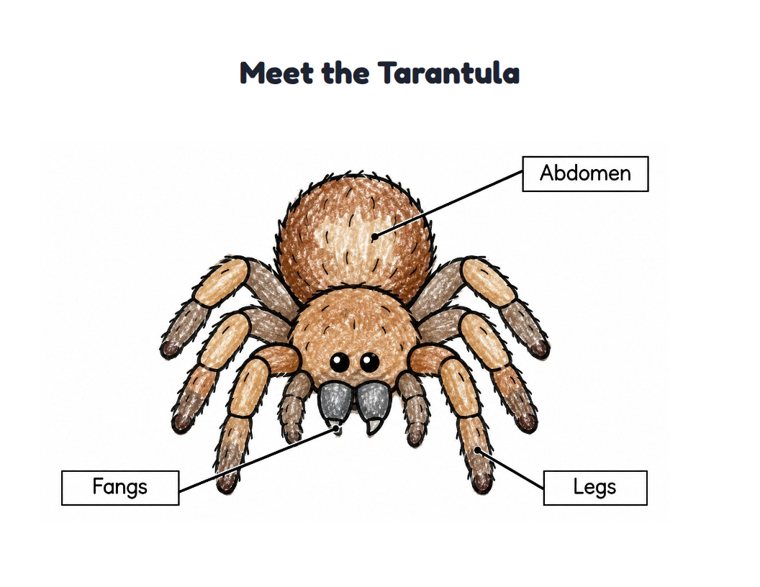
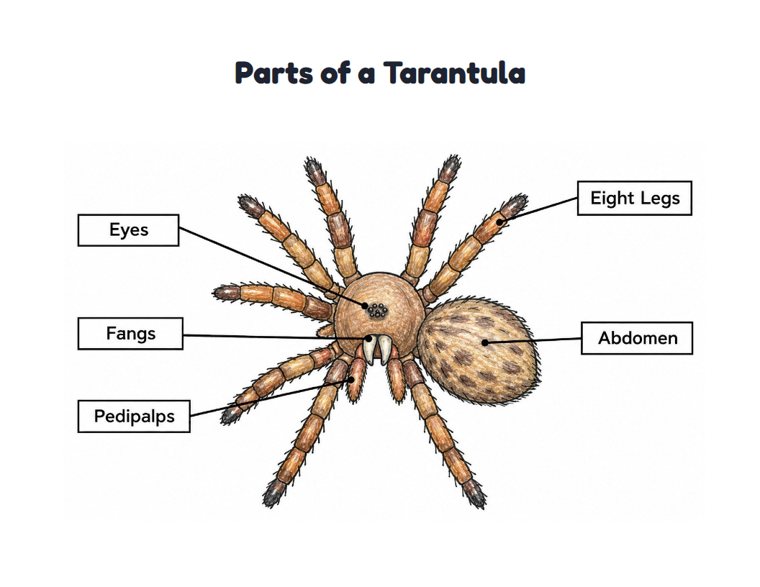
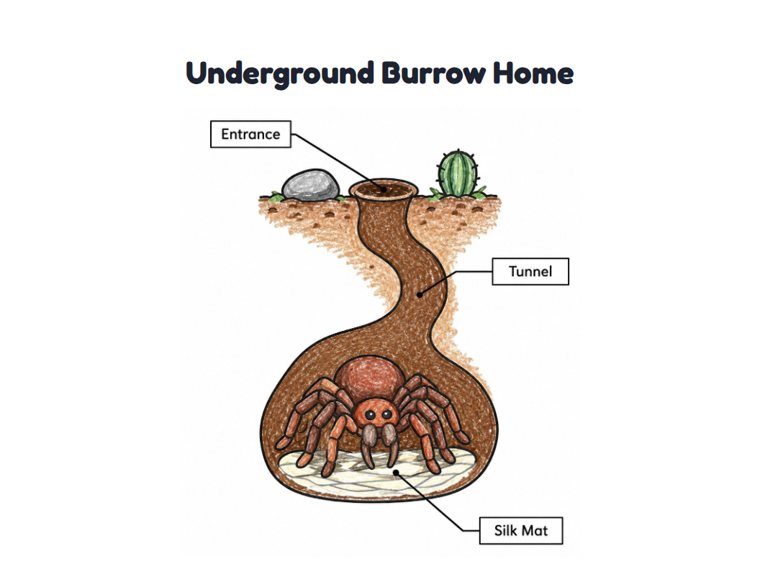
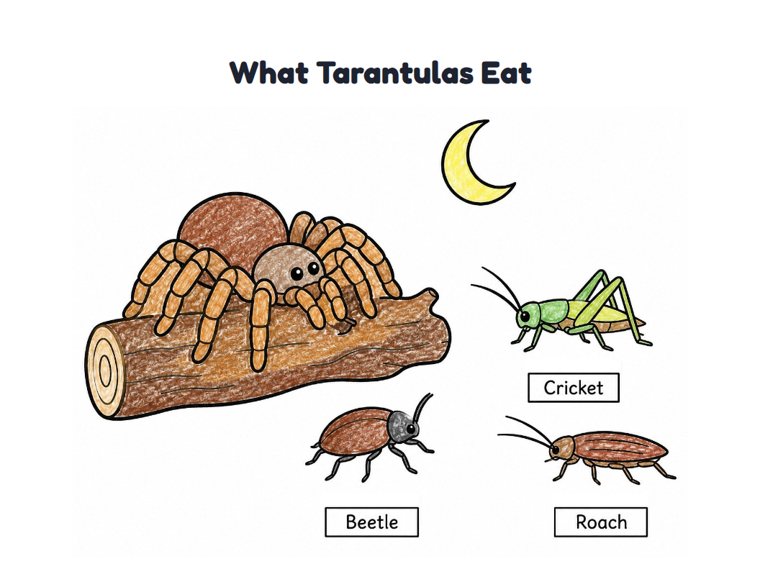
6 printable tarantula worksheets with answer keys, from tracing first words in Pre-K to labeling and writing in grades 3–4. Every PDF has the worksheet, the answer key and a colored example. You can change the title and the words before printing.
Download all 6 worksheets as one PDF with answer keysTarantula Body Structure in 2 levels
More tarantula worksheets
Understanding Tarantula Anatomy
When coloring our realistic tarantula pages, you can highlight the unique physical traits of these fascinating arachnids. Unlike typical bugs, tarantulas have two main body parts: the cephalothorax at the front and the abdomen at the back. They also have eight legs and two pedipalps near their mouth, which look like short extra legs used for feeling and grabbing.
Many species are famous for their urticating hairs. These fuzzy bristles cover their abdomen and can be kicked off to deter predators. You can use fine-tipped markers or colored pencils to draw individual hairs on the detailed overhead views. Tarantulas typically have eight small eyes clustered together, though they rely more on vibrations than sight. Notice the large fangs on the front view pages, which fold under their body rather than pinching side-to-side.
Choosing Colors for Your Spider
While you might think of these creatures as just brown or black, many species in the wild are incredibly colorful. The Mexican Redknee tarantula has striking orange and black bands on its joints, while the Greenbottle Blue features a metallic blue body and bright orange abdomen. Layering different shades of brown and gray can give the body a textured, three-dimensional look.
For the spiders in nature scenes, use earthy tones like ochre, rust, and olive green to blend the tarantula into its desert environment. If you are working on the mandala backgrounds, feel free to use bright, contrasting neon gel pens to make the spider stand out against the geometric patterns. For the cute cartoon versions, younger children can use crayons in any imaginative color they like, turning a potentially scary animal into a friendly purple or pink character.
Educational Uses for Kids
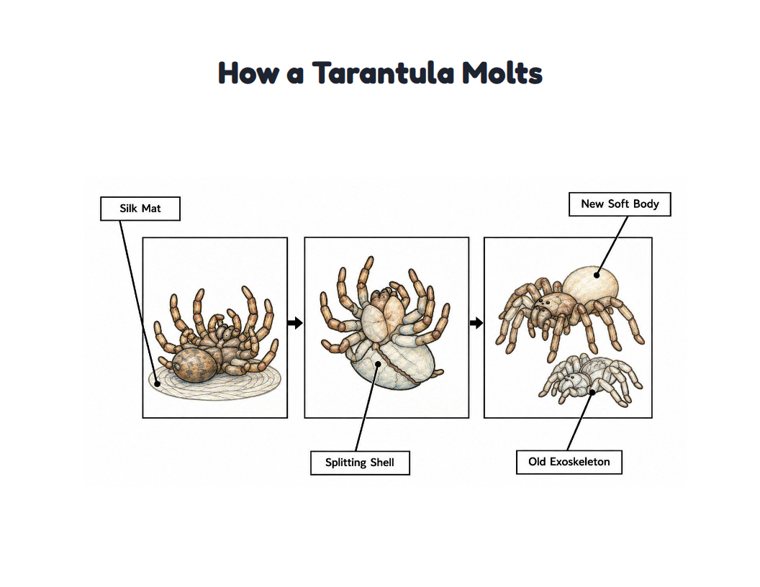
These printables work well for science lessons about arachnids. Teachers can use the molting tarantula sheets to explain how spiders shed their exoskeleton to grow. Parents can introduce the burrowing habits of these animals, explaining how they line their underground homes with silk instead of spinning traditional aerial webs to catch prey.
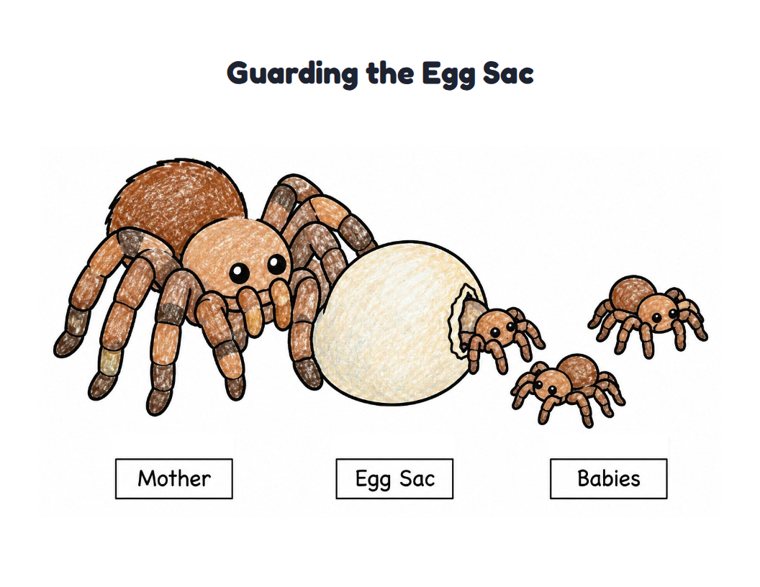
- Use the egg sac pictures to discuss the spider life cycle and reproduction.
- Color the threat pose page to learn about animal defense mechanisms.
- Pair these sheets with general spider printables to compare different web-building and hunting behaviors.