Weaving Coloring Pages
Explore the craft of interlacing threads and natural fibers. These printables feature traditional artisans at their looms, basket makers working with wicker, and geometric textile patterns for history lessons and relaxing art sessions.
Weaving Coloring Pages
Scenes of artisans and students working with floor looms, drop spindles, and yarn to create traditional textiles.


Basket Weaving and Wicker Crafts
Illustrations of craftspeople shaping wicker and natural fibers into functional coils, bread baskets, and fish traps.


Woven Textures and Geometric Patterns
Geometric designs and intricate mandalas that simulate the repeating textures of interlaced threads and basketry.


More pages to explore
Related coloring pages on Color Confetti.


All 14 more: Mexican Folk Art (21), Educational (29), Basket (27), Line Art (5), Cultural (10), Rug (21), Sewing (20), Crochet (21), Quilt (27), Blanket (18), Clothes (33), Creativity (3), Ribbon (18) and Zentangle (38).
Ready to print for home, preschool and classroom.
PDF paper size:
Using these pages in your nonprofit, library, hospital or at an event? We'd love to hear from you
Weaving Worksheets
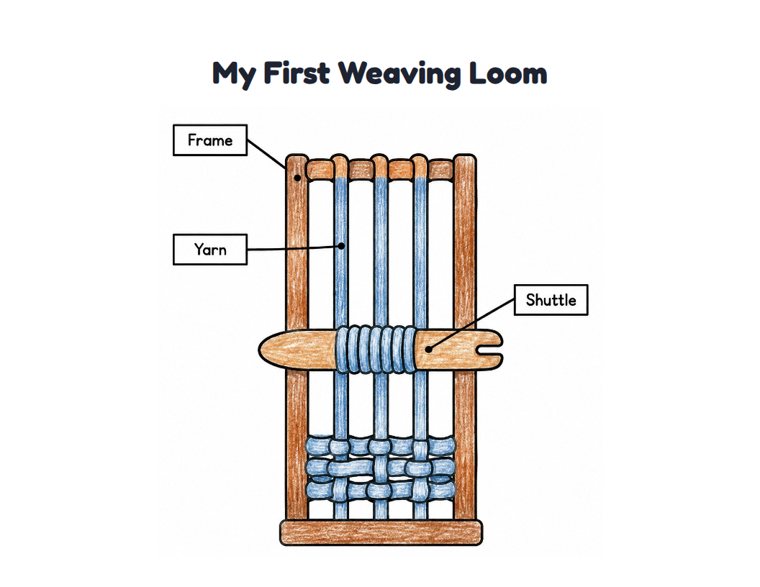
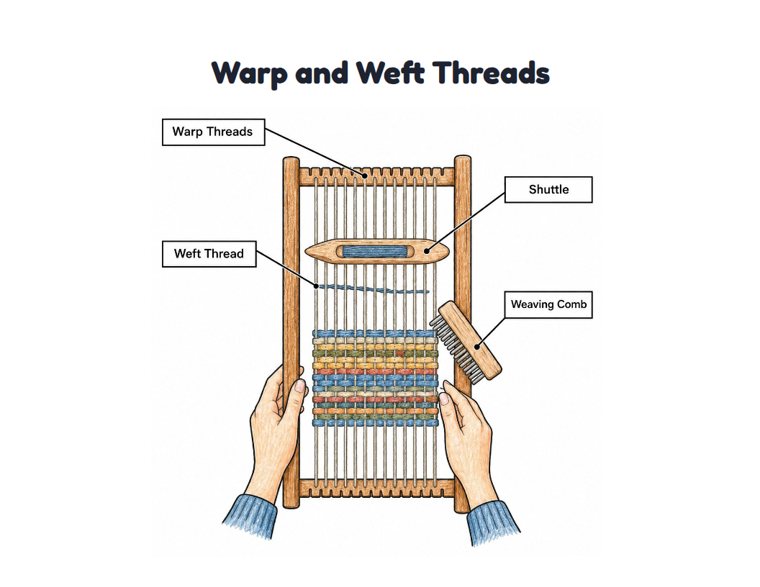
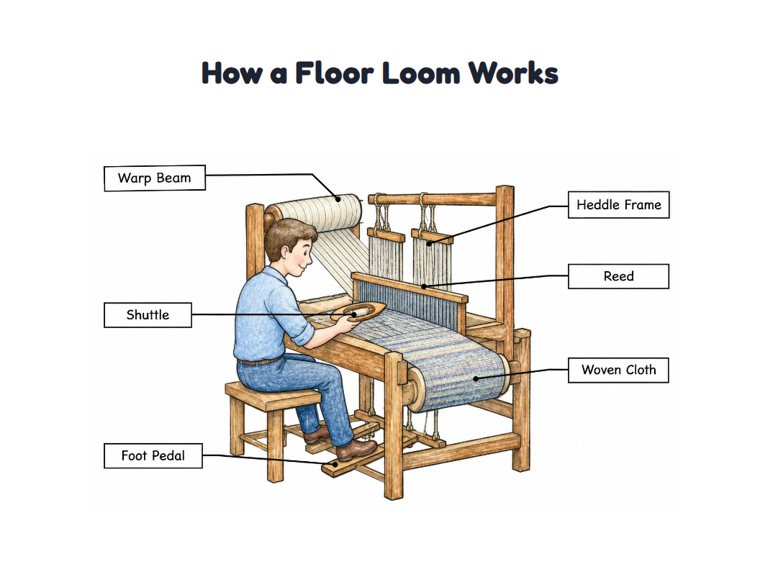
8 printable weaving worksheets with answer keys, from tracing first words in Pre-K to labeling and writing in grades 3–4. Every PDF has the worksheet, the answer key and a colored example. You can change the title and the words before printing.
Download all 8 worksheets as one PDF with answer keysLooms and How Weaving Works in 3 levels
More weaving worksheets
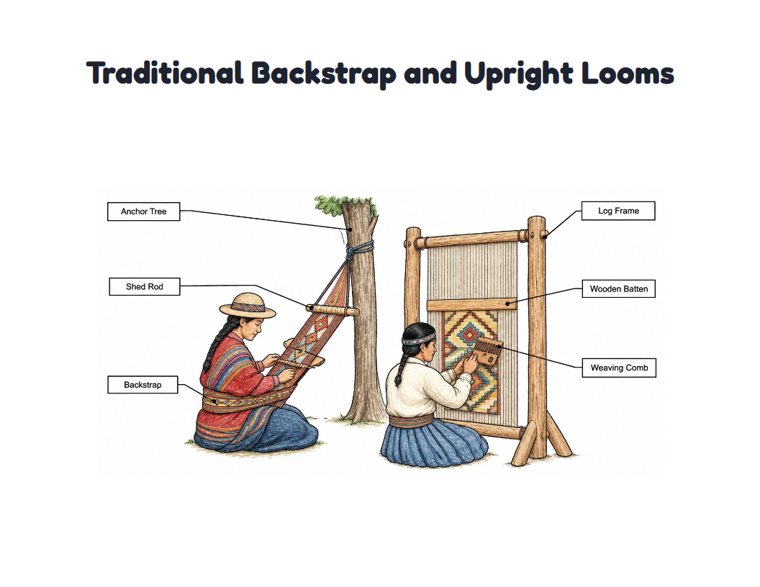
Understanding Weaving Techniques
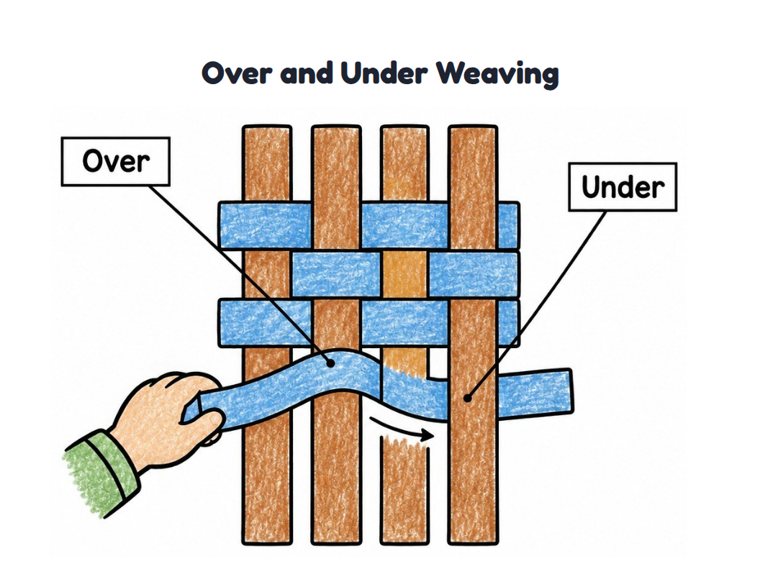
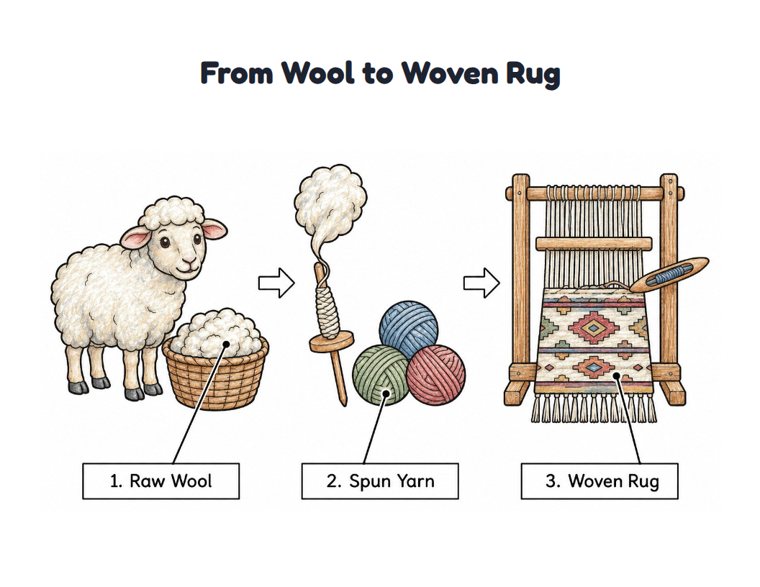
Weaving is one of the oldest human crafts, relying on the interlacing of two sets of threads. The longitudinal threads are called the warp, which are held in tension on a loom, while the transverse threads, known as the weft, are woven through them. Our loom illustrations show how artisans use these tools to create fabric. Historically, people spun their own yarn using a drop spindle before setting up the loom.
Educational Uses for Classrooms
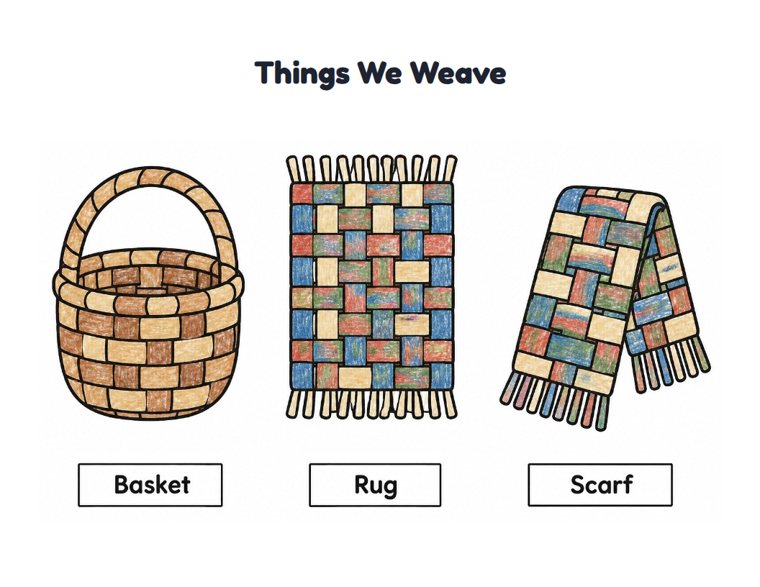
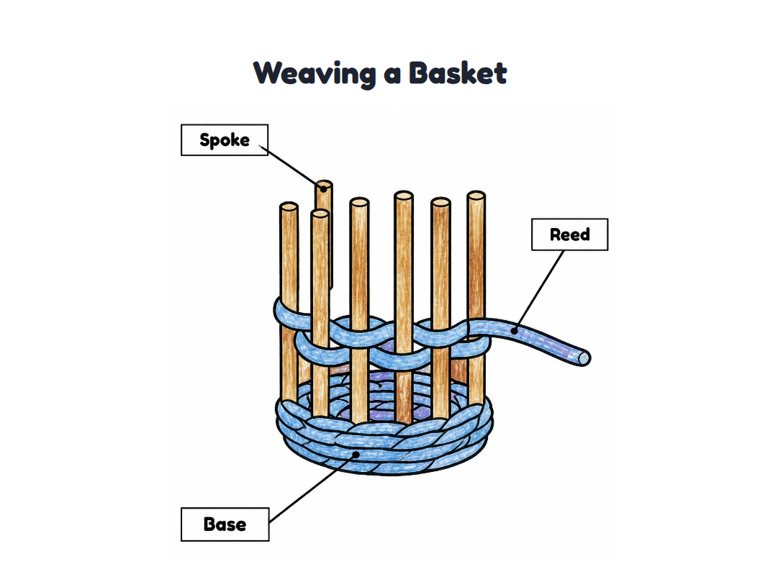
These sheets are useful for social studies lessons covering early human history or indigenous crafts. Teachers can use the pictures of basket making to explain how early communities crafted functional items for gathering, storing food, and fishing. You can pair these pages with discussions on how natural materials like willow and reed are harvested.
- Discuss the difference between textile weaving and coil basketry.
- Identify tools like the drop spindle and weaving comb.
- Explore cultural traditions, such as Mexican folk art textiles.
Coloring Woven Textures
The geometric patterns require a steady hand and offer a relaxing challenge for older students and adults. To highlight the interlocking texture of a herringbone or basketweave design, try using alternating shades of the same color to create depth. Fine-tipped markers or sharp colored pencils work best for the tight spaces in these line art designs.