
Printable Water Cycle Coloring Pages
Choose from 16 free water cycle coloring sheets for your next science lesson. You will find simple pages for young learners and detailed, labeled diagrams to help elementary students understand how water moves through our environment.
Water Cycle Coloring Pages
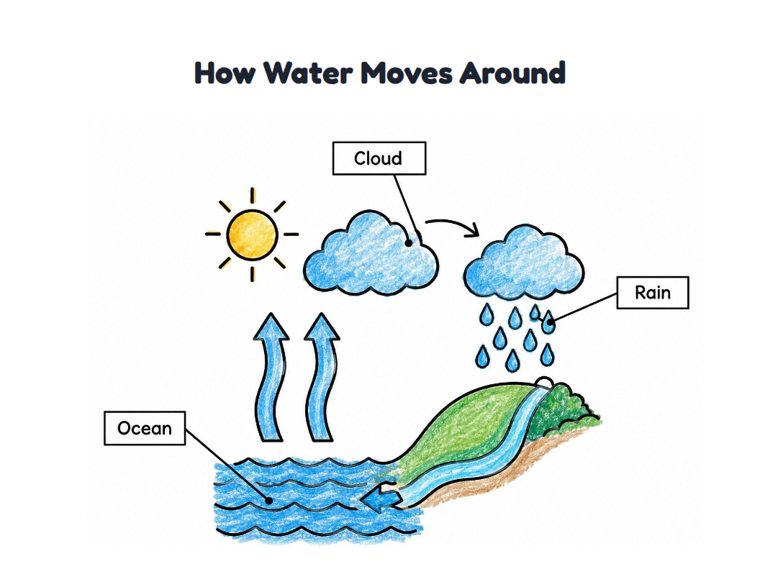
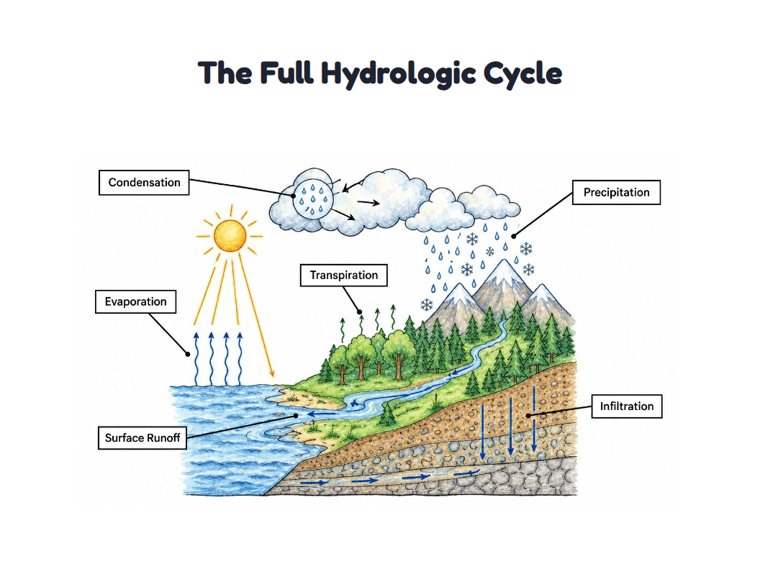
These pages show different parts of the water cycle in action, from storm clouds to underground aquifers.


Water Cycle Diagrams with Labels
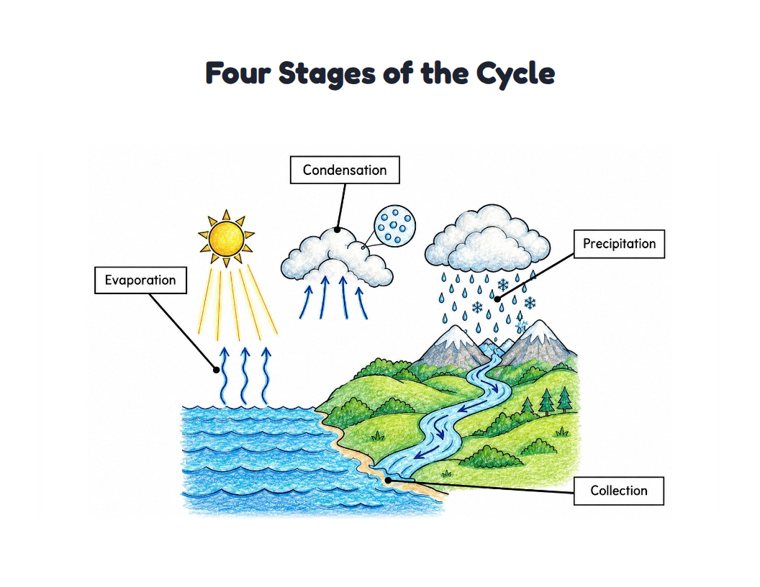
Older students can color these detailed diagrams that include scientific labels for evaporation, condensation, and precipitation.


Simple Water Cycle Pages for Kindergarten and Preschool
Designed for preschool and kindergarten, these sheets feature friendly water droplets and easy-to-understand nature scenes.


More pages to explore
Related coloring pages on Color Confetti.


All 13 more: Water (26), Science (28), Earth Science (21), Ocean (57), Preschool (41), Clouds (27), Rainy Day (30), Weather (28), Spring Rain (18), Storm (26), River Landscape (19), Sun (37) and Nature (34).
Ready to print for home, preschool and classroom.
PDF paper size:
Using these pages in your nonprofit, library, hospital or at an event? We'd love to hear from you
Water Cycle Worksheets
7 printable water cycle worksheets with answer keys, from tracing first words in Pre-K to labeling and writing in grades 3–4. Every PDF has the worksheet, the answer key and a colored example. You can change the title and the words before printing.
Download all 7 worksheets as one PDF with answer keysThe Complete Water Cycle in 3 levels
More water cycle worksheets
Teaching the Stages of the Water Cycle
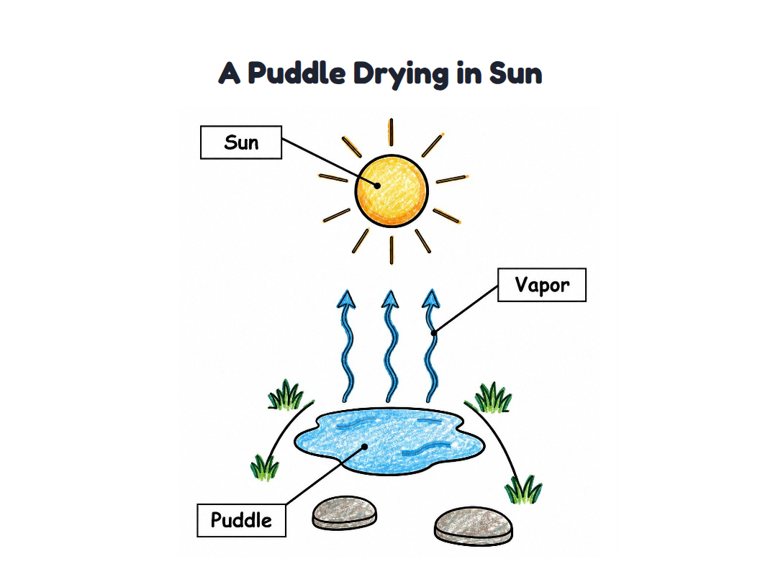
Using a labeled diagram helps students visualize how water travels between the earth and the atmosphere. As children color, they can trace the path of evaporation as the sun heats lakes and oceans, turning liquid into gas.
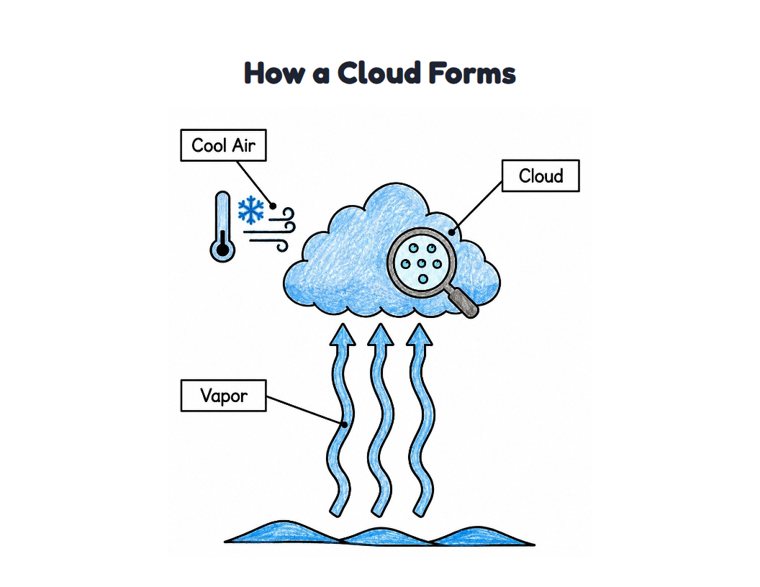
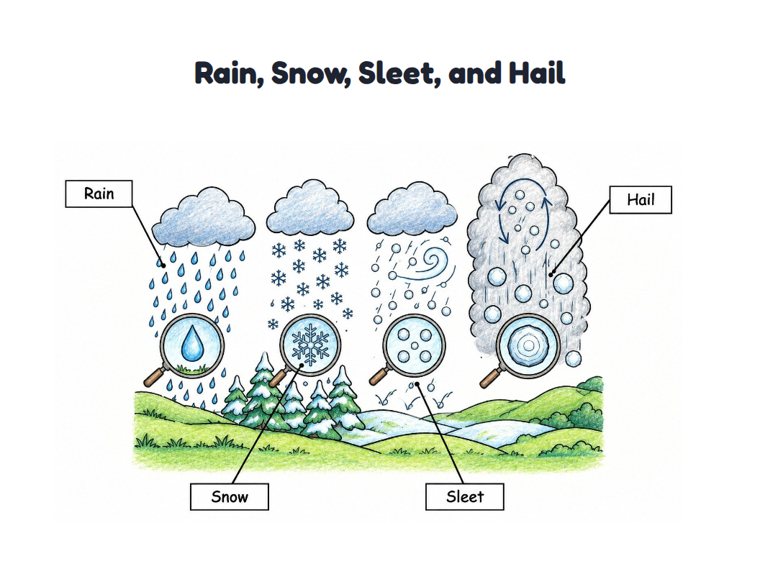
The next steps become clear when they color the clouds. This shows condensation, where water vapor cools and forms droplets. Finally, they can color the rain or snow to represent precipitation falling back to the ground.
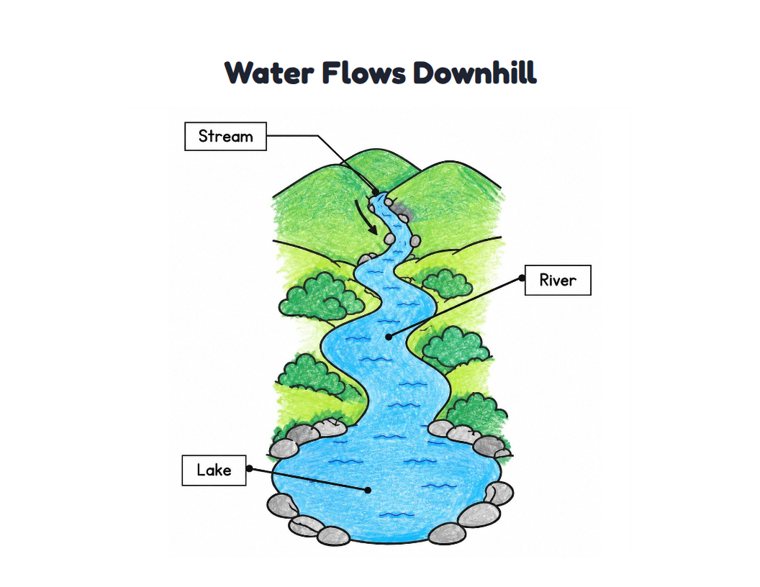
After precipitation, water gathers in rivers, lakes, and oceans. This collection phase is crucial because it stores water until the sun's heat starts the cycle all over again.
Adapting for Different Grade Levels
For early childhood education, our simple water cycle pages introduce basic concepts without overwhelming text. Kindergarteners can focus on coloring the rain, clouds, and sun while learning that water moves in a continuous circle.
Elementary students benefit from more complex illustrations. The cross-section pages show how water collects in an aquifer underground, while the mountain landscape pages demonstrate transpiration from plants and trees. These detailed sheets fit well into a broader earth science unit, pairing naturally with lessons about the ocean or weather patterns.
Coloring Tips for Science Diagrams
Coloring educational science diagrams requires a bit of planning. Using a consistent color code helps reinforce the learning process and makes the final page a useful study guide.
- Use light blue for water vapor and arrows pointing upward.
- Choose gray or dark blue for heavy clouds holding moisture.
- Color underground water tables and collection areas in a distinct shade of dark blue.
- Highlight the sun in bright yellow or orange to show the energy source driving the entire process.