
Uganda Flag and Culture Coloring Pages
Explore the Pearl of Africa with these printable pages. Teachers and parents will find national flags, geography outlines, and native wildlife to help students learn about Ugandan culture and natural habitats.
Uganda Coloring Pages
Scenes combining daily life, geography, and the famous Rwenzori mountains for a broad overview of the country.


Uganda Flag Coloring Pages
Detailed national emblems, including the flag, coat of arms, and the crested crane, ideal for social studies.


Ugandan Wildlife and Nature
Native animals from the savanna and forests, focusing on iconic primates and big cats in their natural environment.


More pages to explore
Related coloring pages on Color Confetti.


All 17 more: Geography (26), Gorilla (46), Mountain (38), People (41), Educational (29), Kenya (17), Tanzania (20), Ethiopia (8), Ghana (21), Cameroon (18), Nigeria (18), Angola (17), Sudan (4), Africa (31), African Animals (34), Continent (9) and World (29).
Ready to print for home, preschool and classroom.
PDF paper size:
Want to use these pages in your nonprofit, library, hospital or at an event? Contact us
Uganda Worksheets
7 printable uganda worksheets with answer keys, from tracing first words in Pre-K to labeling and writing in grades 3–4. Every PDF has the worksheet, the answer key and a colored example. You can change the title and the words before printing.
Download all 7 worksheets as one PDF with answer keysMountain Gorillas of Bwindi Forest in 2 levels
More uganda worksheets
Educational Resources for Geography
Teaching students about East Africa is easier with visual aids. Our Uganda flag coloring pages and map worksheets provide a hands-on way to introduce the country's geography. Students can color the national flag, which features six alternating bands of black, yellow, and red, representing the African people, sunshine, and brotherhood.
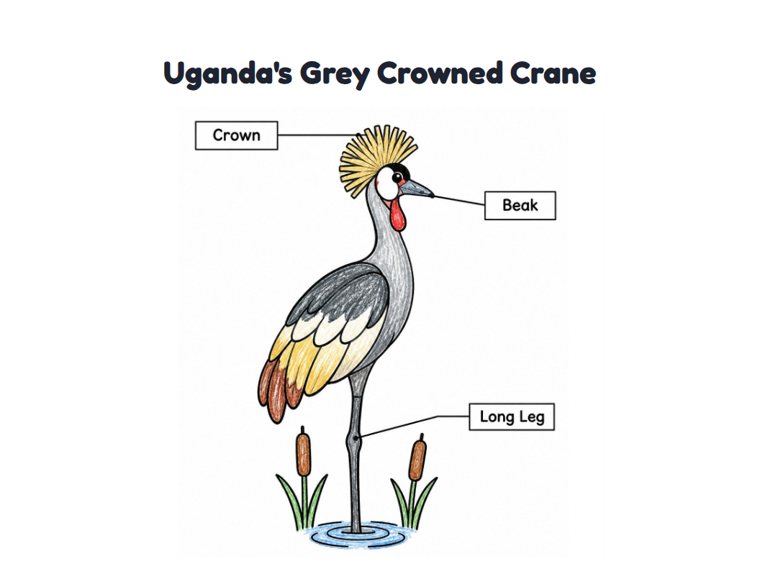
The center of the flag displays the Grey Crowned Crane, the national bird. You will also find the official coat of arms, which includes a spear and shield to symbolize the defense of the nation. These printables work well alongside general geography worksheets for elementary and middle school classrooms.
Exploring the Pearl of Africa's Wildlife
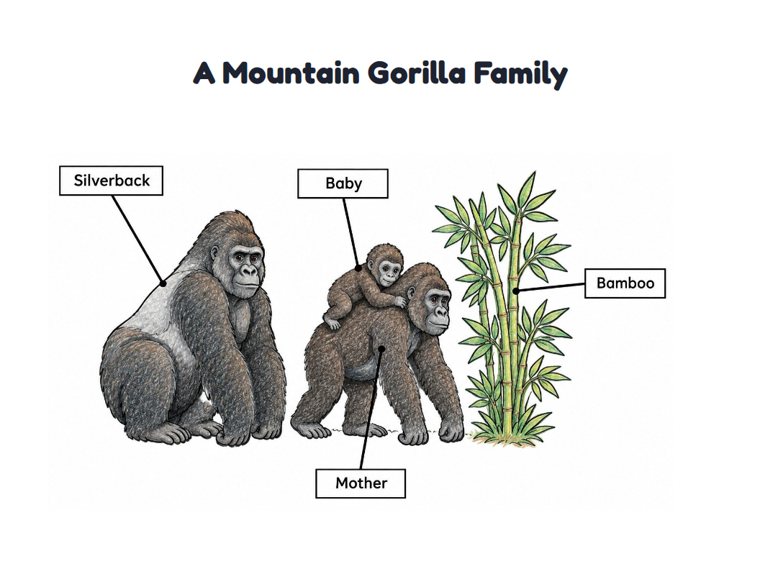
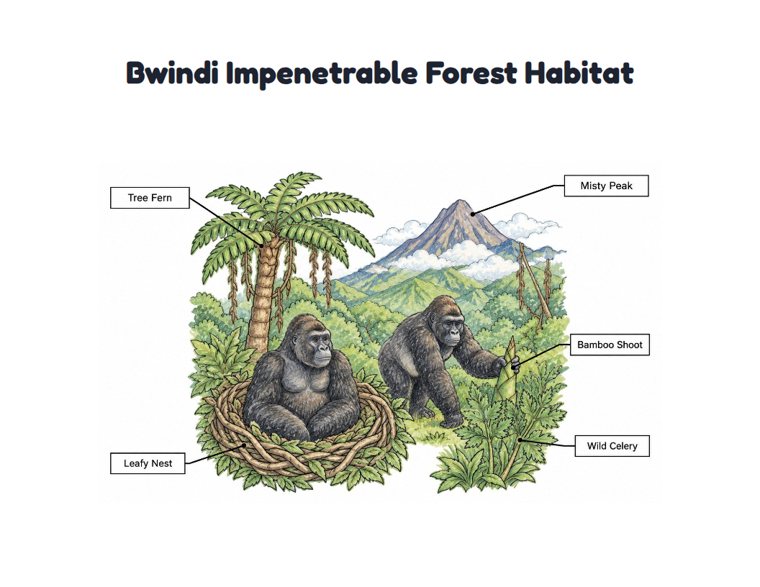
Uganda is renowned for its incredible biodiversity, particularly within the Bwindi Impenetrable Forest. Colorists can bring to life the endangered mountain gorillas that inhabit these dense, misty habitats. The wildlife section captures these primates in bamboo forests, as well as mothers caring for their young.
- Uganda Kob: A reddish-brown antelope often found on the savanna.
- Tree-Climbing Lions: Rare big cats resting in the branches of large fig trees.
- Grey Crowned Cranes: Elegant birds wading through the wetlands.
Cultural and Daily Life Scenes
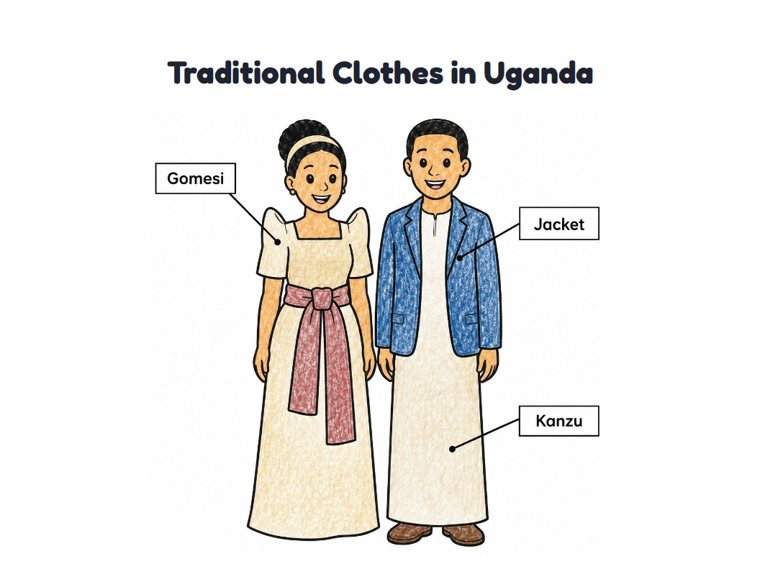
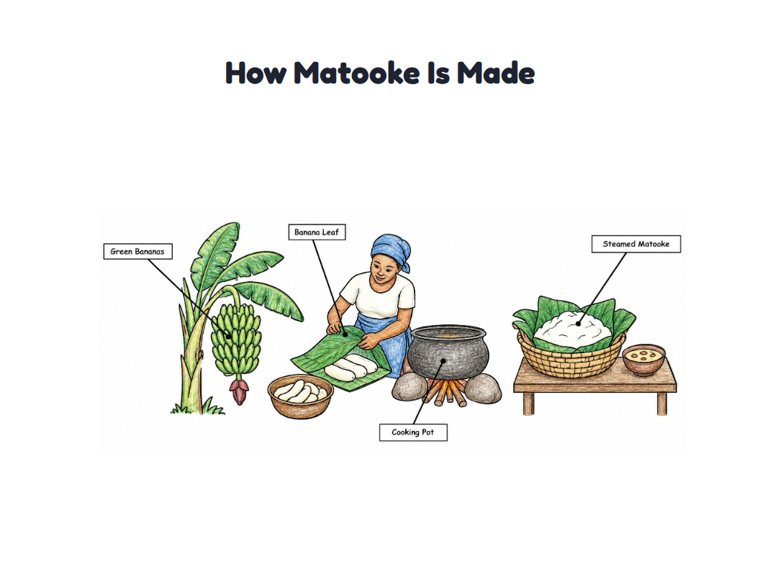
Beyond the wildlife and official emblems, these pages include depictions of daily life and education. Images of Ugandan children learning together or holding welcome signs help young learners connect with people from different parts of the world. These scenes foster global awareness and provide a starting point for discussions about different cultures, languages, and traditions in East Africa.