
Cheetah Coloring Pages
Find 43 printable cheetah coloring pages for kids and adults. This collection includes playful baby cubs, mother cheetahs caring for their families, fast runners on the savanna, and detailed wildlife portraits to color.
Cheetah Coloring Pages
A mix of playful cheetahs, savanna scenes, and fun holiday themes for everyday coloring.


Realistic Cheetah Coloring Pages
Detailed line art showing the big cat stalking, sprinting, and resting in its natural habitat.


Cute Cheetah Cubs and Families
Heartwarming scenes of mother cheetahs grooming, carrying, and exploring with their spotted babies.


Cheetah Print and Pattern Designs
Stylized designs featuring cheetahs surrounded by ornate florals and classic spot patterns.


More pages to explore
Related coloring pages on Color Confetti.


All 13 more: Running (22), Lion (50), Tiger (59), Portrait (29), Leopard (41), Panther (38), African Animals (34), Africa (31), Zebra (35), Giraffe (50), Hyena (29), Baboon (44) and Elephant (50).
Ready to print for home, preschool and classroom.
PDF paper size:
Want to use these pages in your nonprofit, library, hospital or at an event? Contact us
Cheetah Worksheets
6 printable cheetah worksheets with answer keys, from tracing first words in Pre-K to labeling and writing in grades 3–4. Every PDF has the worksheet, the answer key and a colored example. You can change the title and the words before printing.
Download all 6 worksheets as one PDF with answer keysCheetah Body Parts and Speed Adaptations in 2 levels
More cheetah worksheets
Coloring the Fastest Land Animal
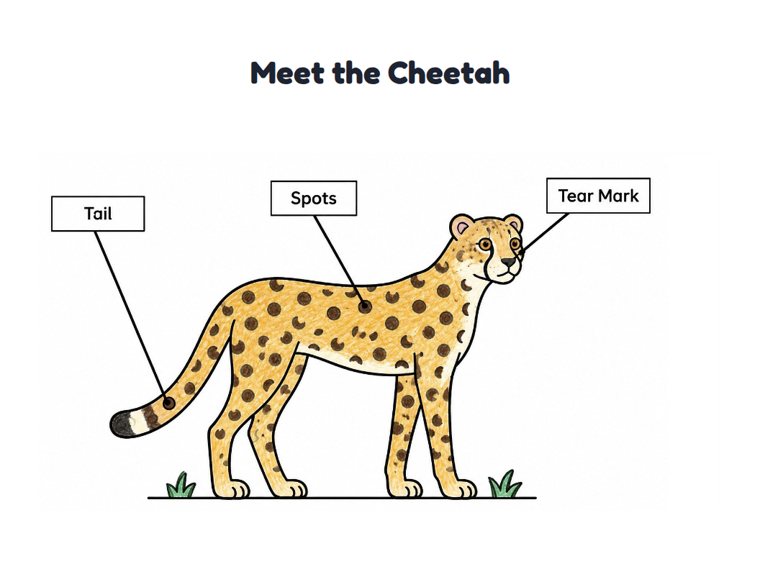
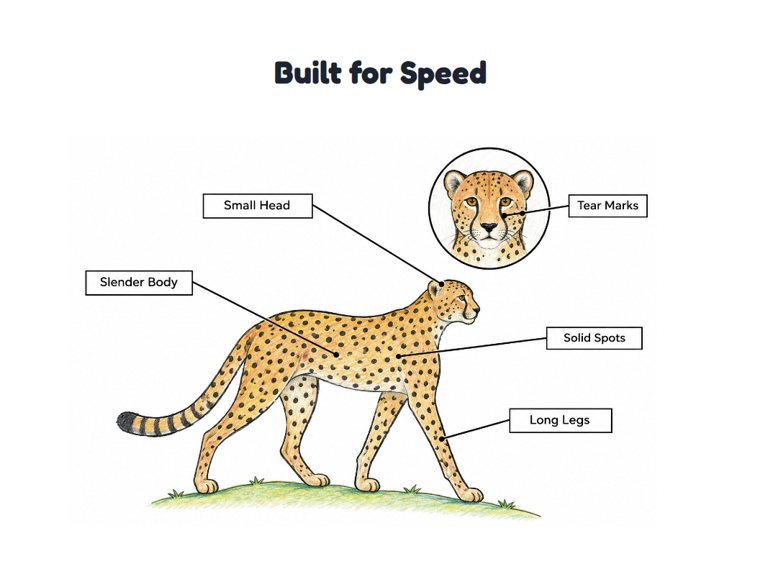
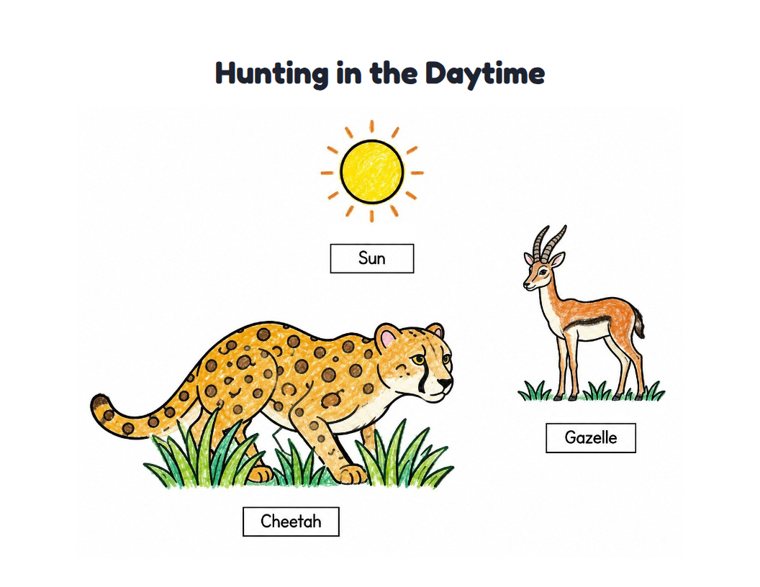
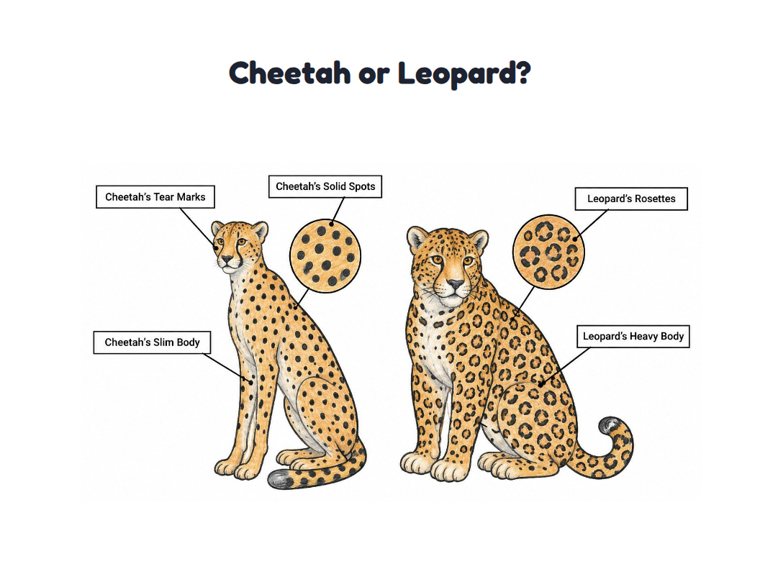
When coloring these big cats, pay attention to their unique markings. Unlike leopards, which have rosette patterns, cheetahs have solid black spots across their bodies. They also feature distinct black tear marks running from the inner corners of their eyes down to the sides of their mouths. These dark lines help reflect the glare of the sun while they hunt on the open savanna.
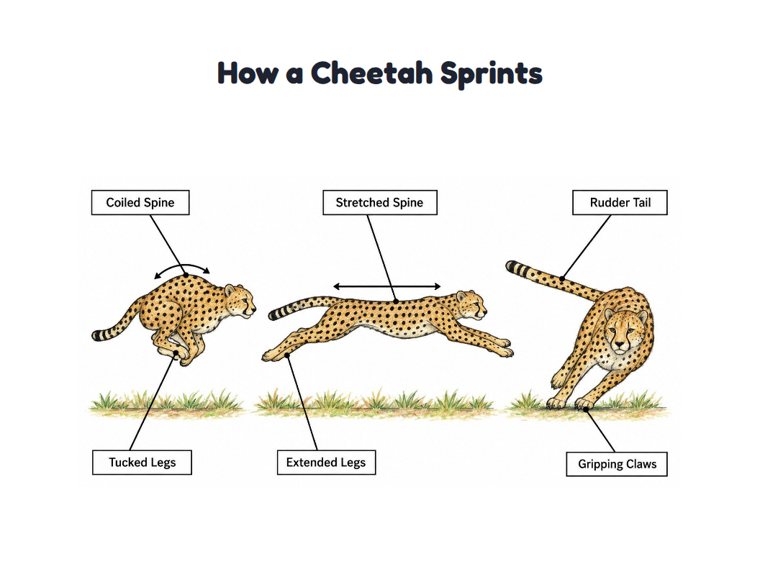
You can use shades of tan, gold, and light yellow for their fur, keeping the belly area lighter or white. Cheetahs have a slender build, deep chest, and long tail that acts like a rudder when they steer at top speeds. Coloring these physical traits accurately makes your artwork look much more lifelike.
Fun Ways to Use These Printables
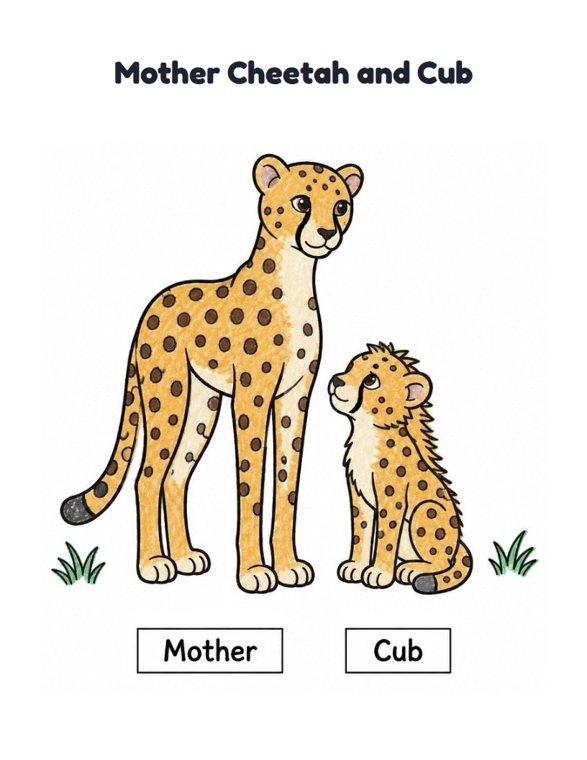
Teachers and parents can use the baby cheetah pages to teach children about wildlife families. Our collection shows mother cheetahs carrying and grooming their cubs, which makes a great addition to a biology lesson. Kids who love action will enjoy the pages showing a sprinting cheetah.
Younger children can use markers or crayons for the simpler outlines, while older kids might enjoy adding their own background scenery like a watering hole or distant mountains.
Tips for Realistic Wildlife Coloring
Adult colorists working on the realistic wildlife pages can experiment with blending techniques. To create depth in the fur, layer light browns and ochre before adding the solid black spots. Pay attention to the background elements like the tall savanna grass, termite mounds, and acacia trees. Using muted greens and dusty browns for the landscape helps the bright golden coat of the cheetah stand out.
When coloring the spots, remember that they vary in size and shape. The spots on the tail merge to form dark rings near the tip, ending in a white tuft. The detailed cheetah faces offer a chance to practice shading around the eyes and snout.