
Neptune Coloring Pages
Explore the eighth planet from the sun and the Roman god of the sea with these 14 printable sheets. Teachers and parents will find detailed astronomical designs, simple outlines for young kids, and mythological scenes.
Planet Neptune Coloring Pages
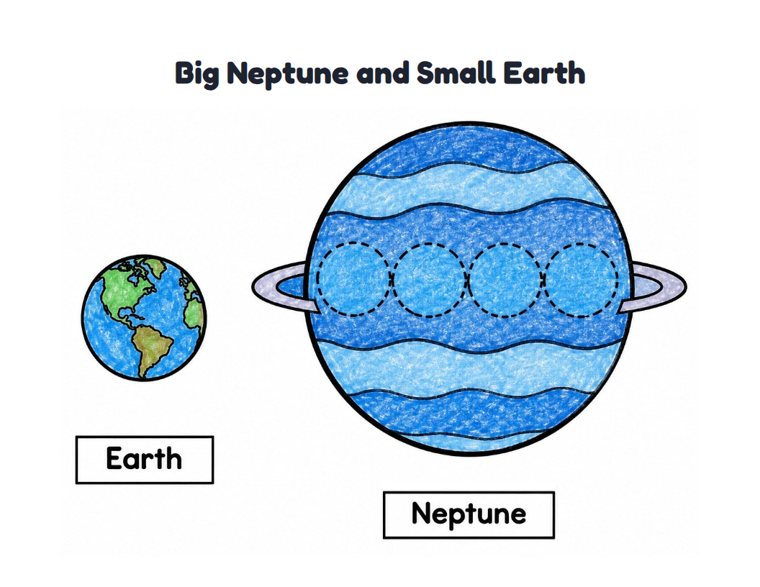
Color the eighth planet, its faint rings, and its largest moon Triton in these detailed and simple space scenes.


Neptune Roman God of the Sea
Discover the mythological namesake of the ice giant with scenes of the sea god holding his trident among ocean waves.


Exploring Planet Neptune
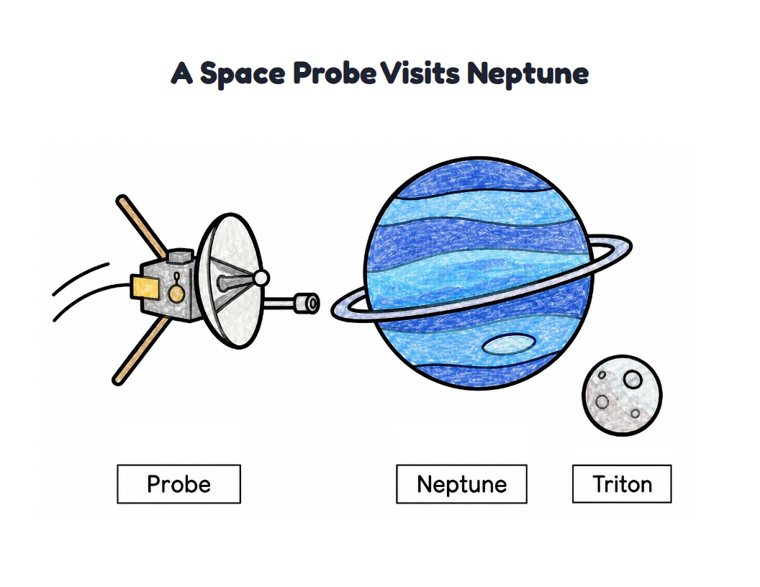
Learn about space exploration with sheets featuring probes orbiting the distant gas giant.


More pages to explore
Related coloring pages on Color Confetti.


All 14 more: Galaxy Celestial (17), Space (38), Earth Science (21), Classroom (16), Uranus (25), Saturn (27), Jupiter (25), Pluto Planet (20), Mercury (16), Venus (24), Earth (41), Astronaut (34), Moon (36) and Star (35).
Ready to print for home, preschool and classroom.
PDF paper size:
Using these pages in your nonprofit, library, hospital or at an event? We'd love to hear from you
Neptune Worksheets
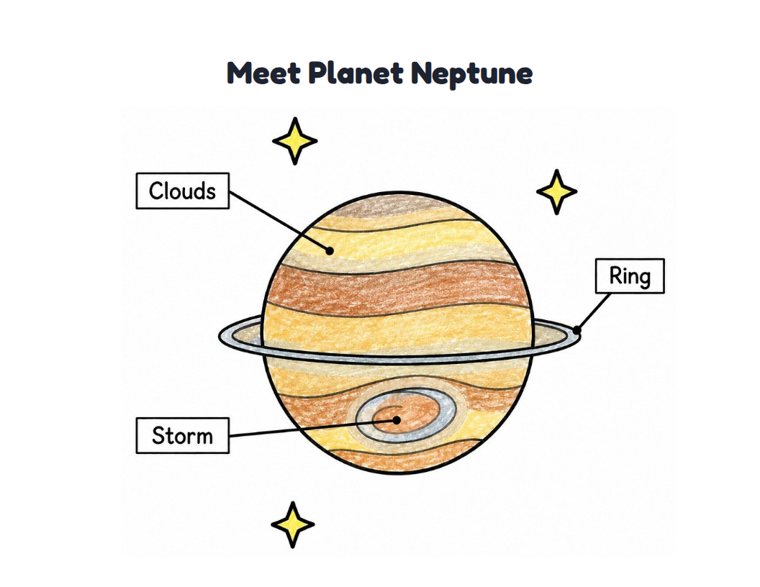
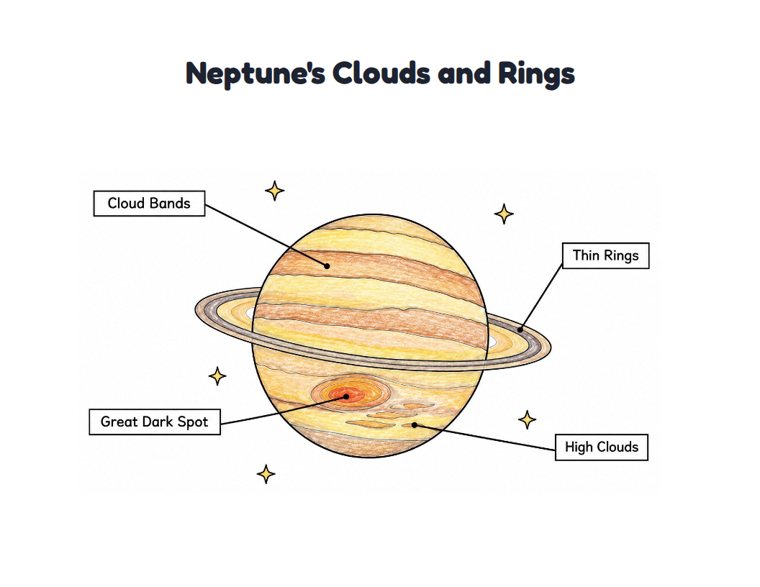
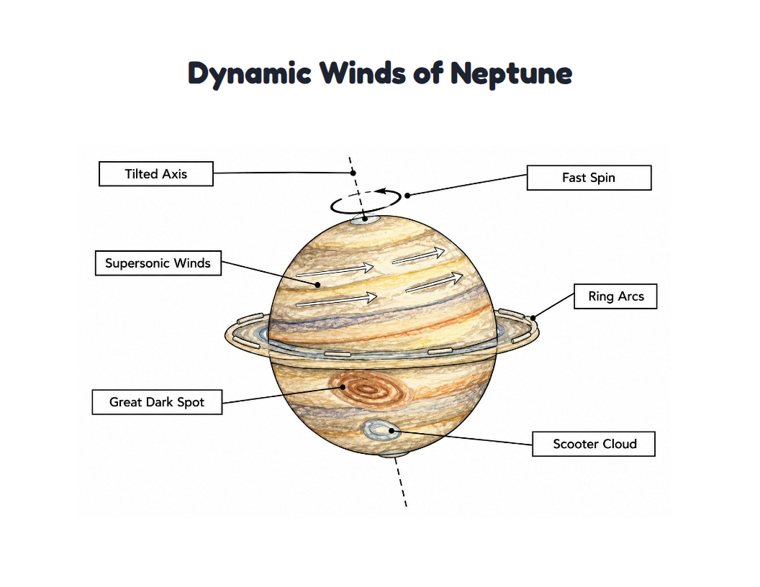
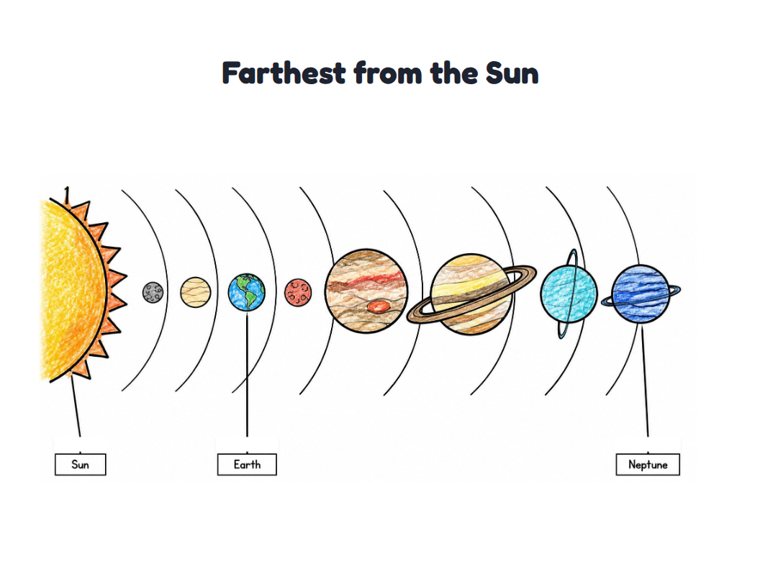
8 printable neptune worksheets with answer keys, from tracing first words in Pre-K to labeling and writing in grades 3–4. Every PDF has the worksheet, the answer key and a colored example. You can change the title and the words before printing.
Download all 8 worksheets as one PDF with answer keysObservable Features of Neptune in 3 levels
More neptune worksheets
Learning About the Ice Giant
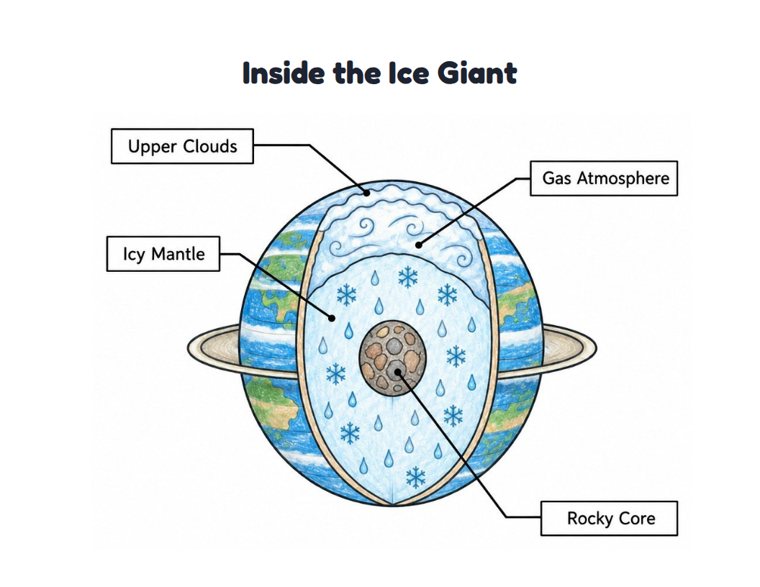
When teaching students about the solar system, a Neptune planet coloring page helps visualize the most distant world in our neighborhood. As an ice giant, Neptune is composed mostly of water, ammonia, and methane over a rocky core. The methane gas in its upper atmosphere absorbs red light, giving the planet its famous deep blue color.
The only spacecraft to visit this distant world was Voyager 2 in 1989. You can use these printables as a starting point for a broader science lesson about how astronomers study planets that are too far away to see clearly with backyard telescopes.
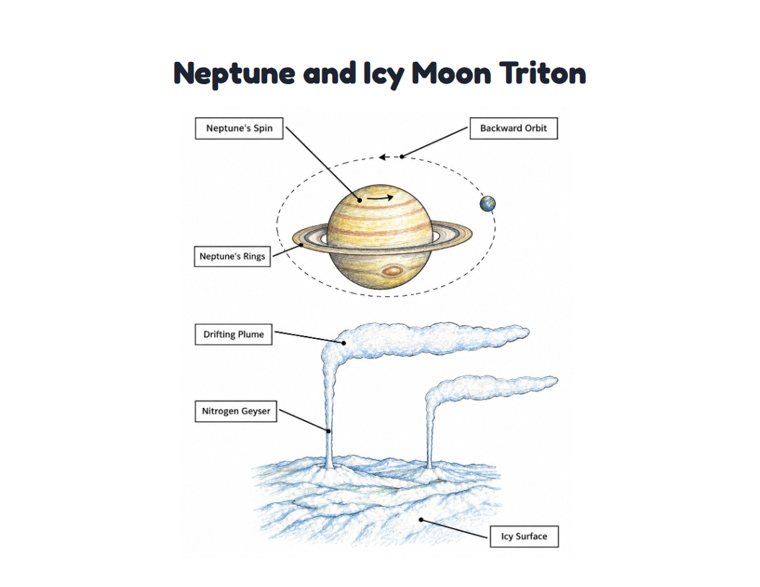
- Highlight its faint ring system, which is much darker and harder to see than Saturn's.
- Point out Triton, the large moon that orbits in the opposite direction of the planet's rotation and features active ice geysers.
- Discuss the high-speed winds that create massive, dark storm spots across the atmosphere.
Choosing Colors for the Eighth Planet
Coloring this distant world gives you a chance to experiment with cool color palettes. While photographs from space probes show a vivid azure blue, you can layer different shades of cobalt, navy, and cyan to give the sphere depth. Use white or light gray colored pencils to add wispy cirrus clouds that float high in the atmosphere.
For the space exploration sheets, metallic gel pens work well for the satellites and probes. The background of deep space can be filled with black or dark purple markers, allowing the bright blue planet and the distant stars to stand out clearly on the page.
The Roman God of the Sea
The planet was named after the Roman god of the sea due to its deep blue appearance. In our mythology section, you will find illustrations of this powerful figure. He is traditionally depicted holding a trident, a three-pronged spear used by fishermen.
These pages connect astronomy with classical history. You can pair them with other earth science or celestial activities to show how ancient cultures influenced modern scientific naming conventions. When coloring the mythological pages, blend seafoam green and turquoise for the crashing ocean waves. The breaching whales and marine elements surrounding the deity provide intricate details for older students and adult colorists who enjoy shading complex water textures.