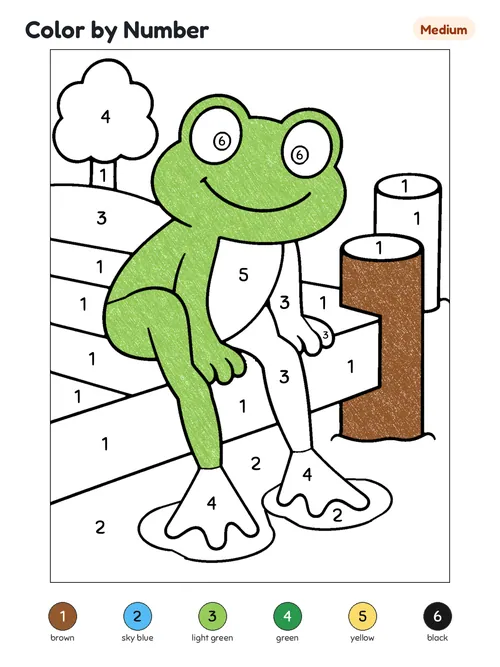
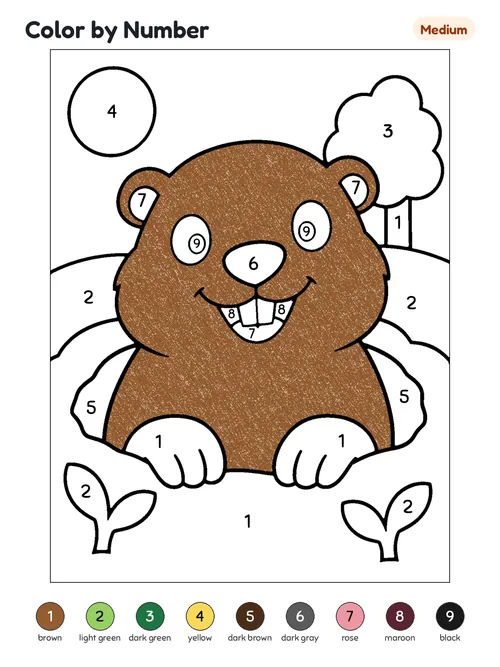
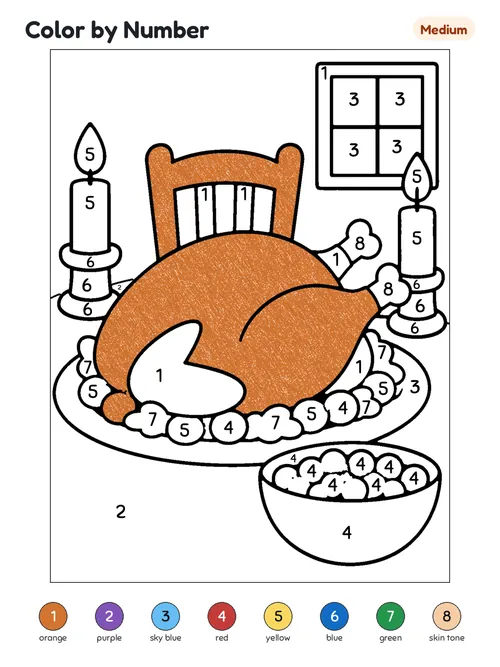
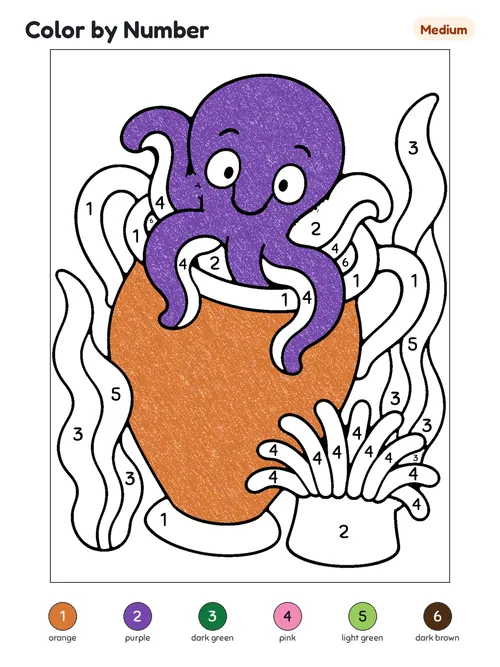
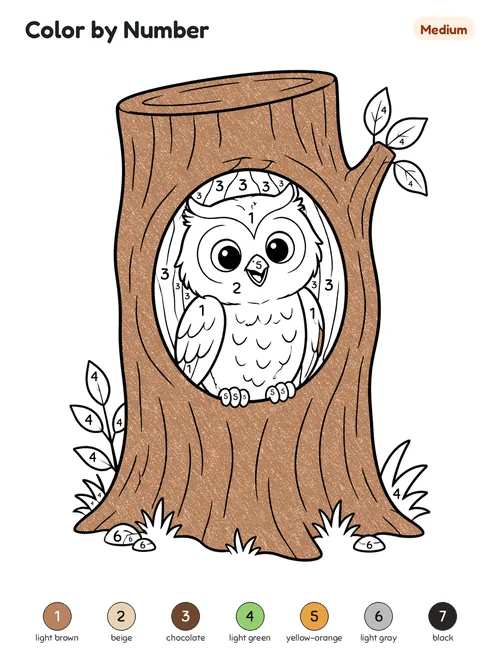
Animal Color by Number Pages
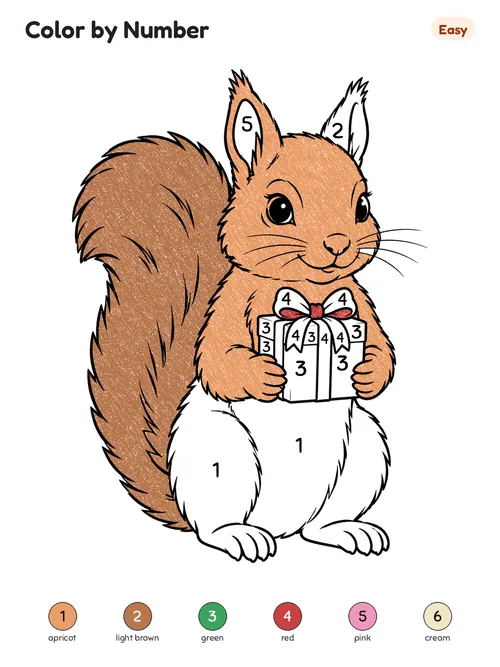
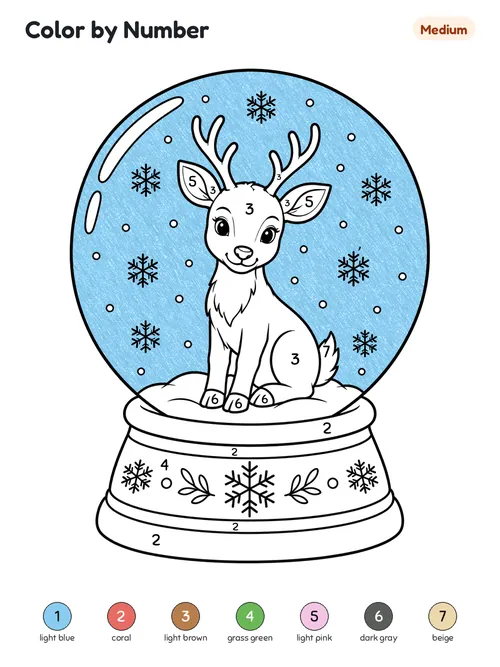
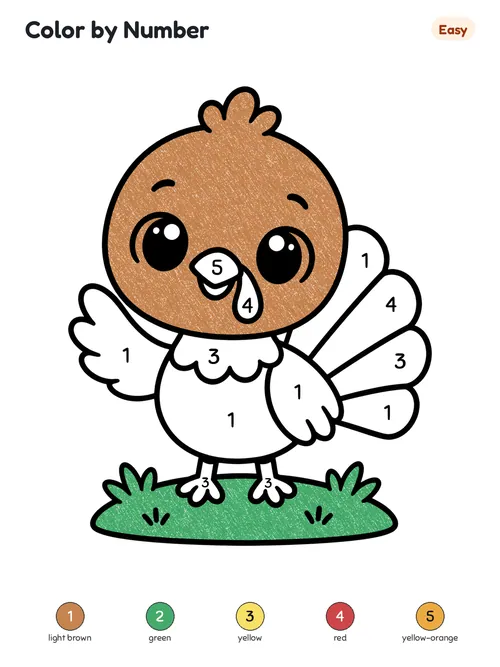
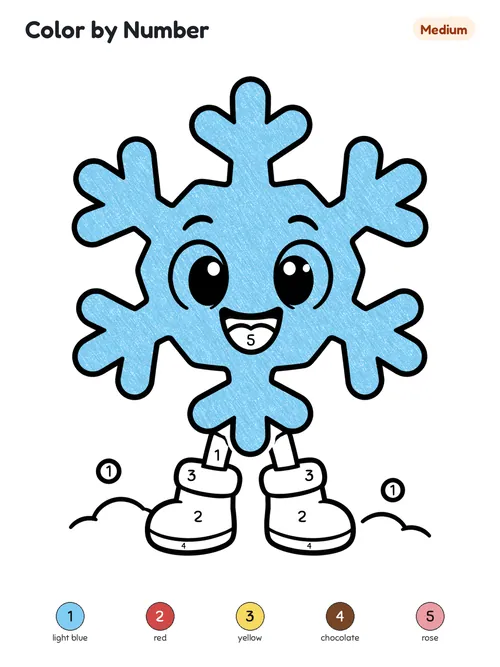
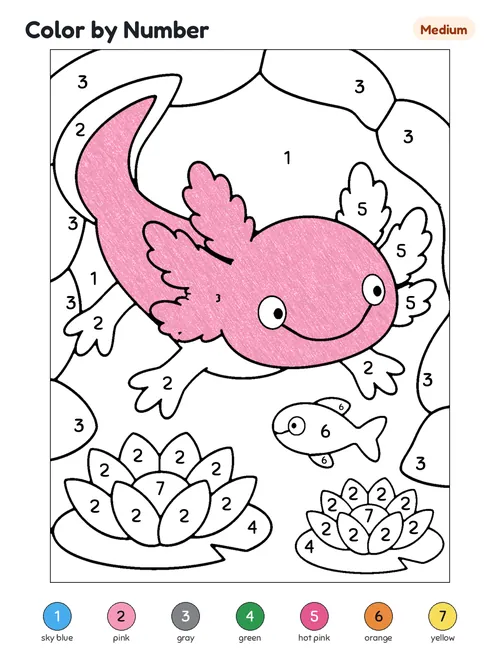
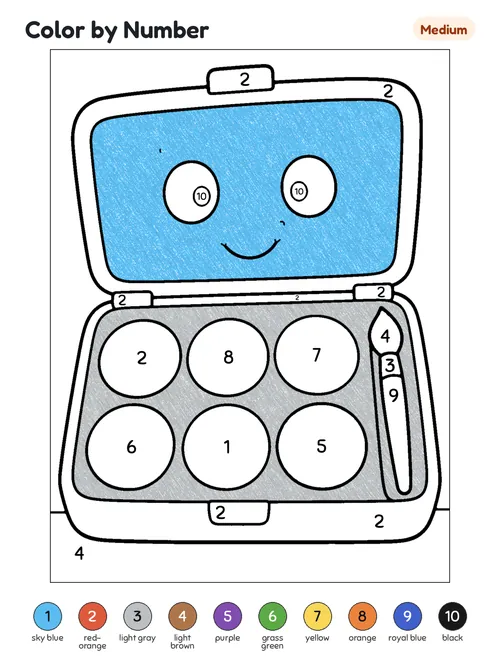
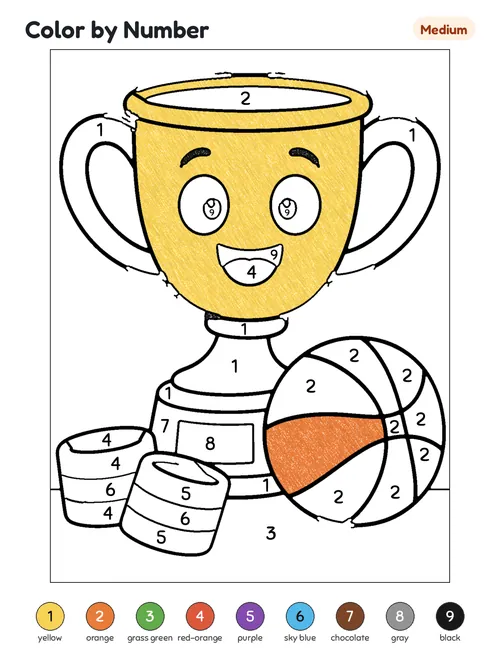
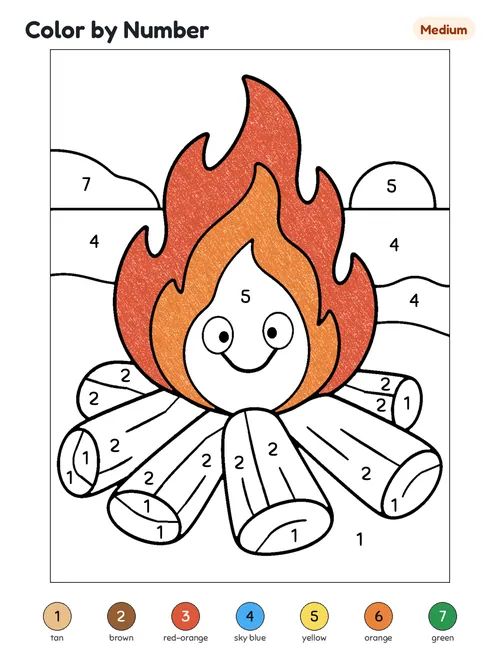
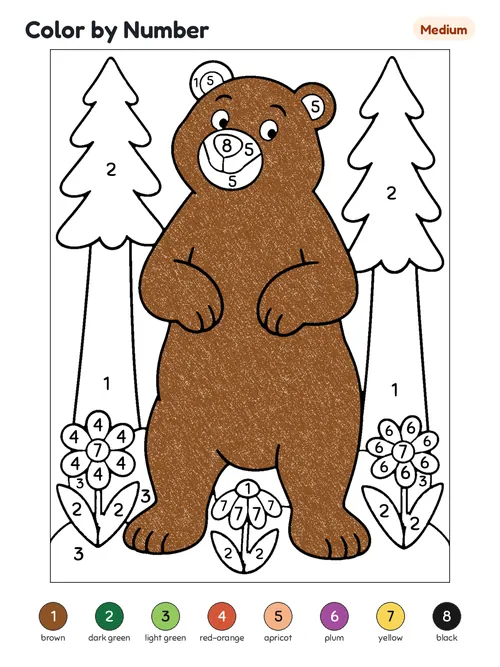
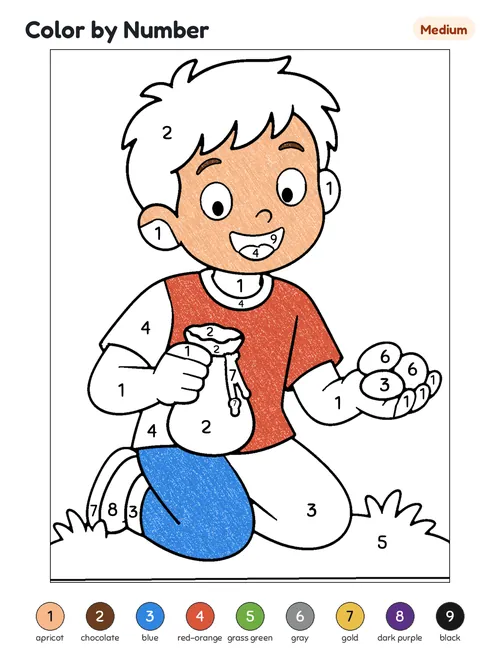
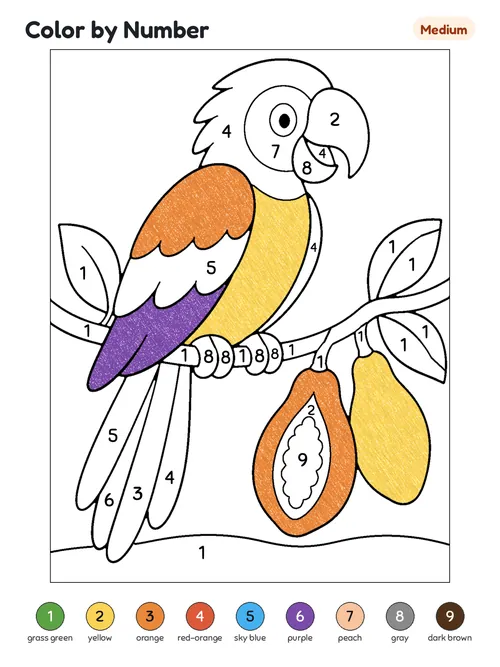
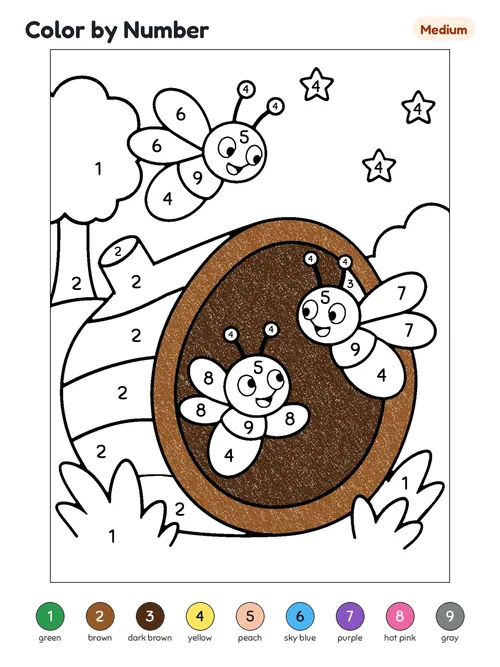
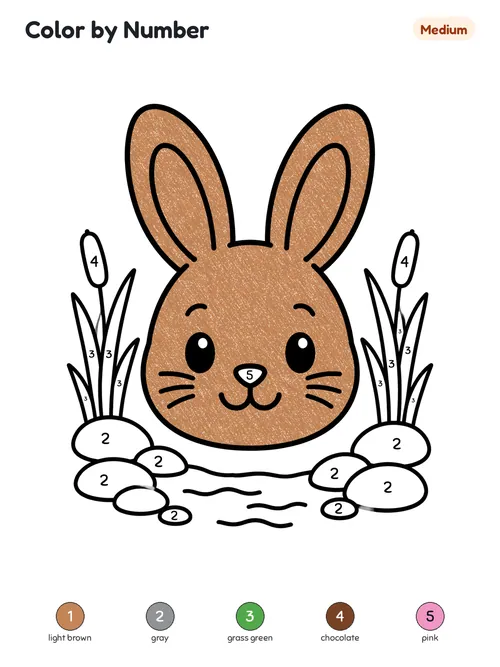
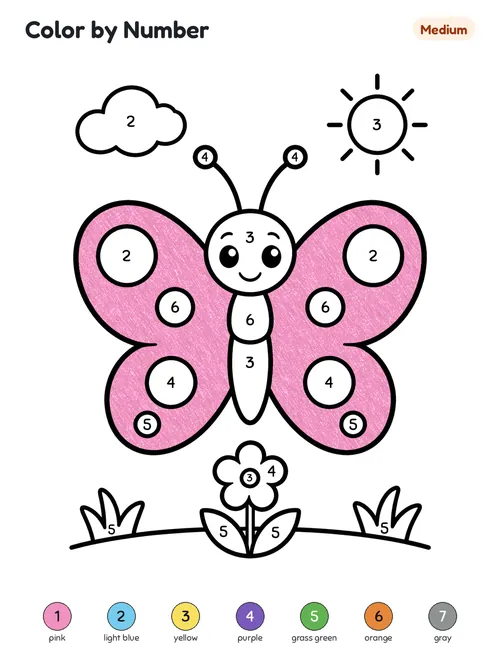
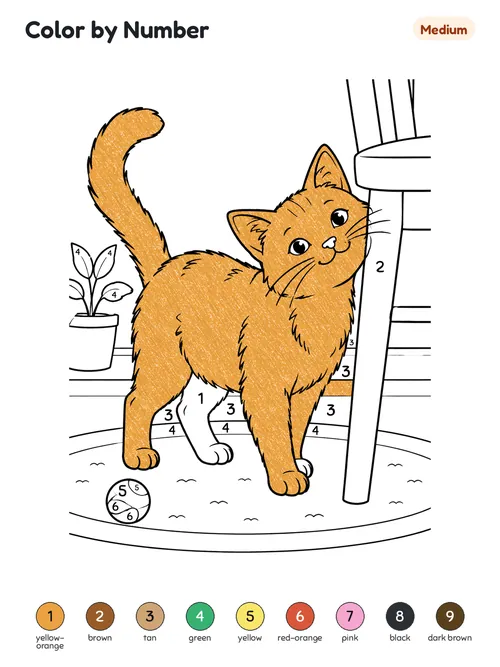
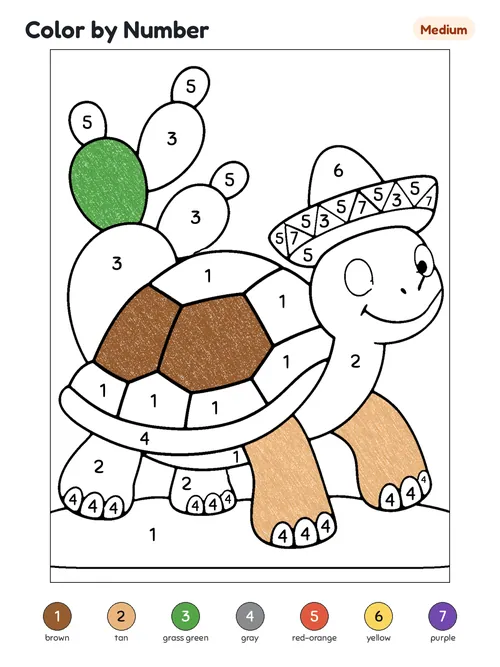
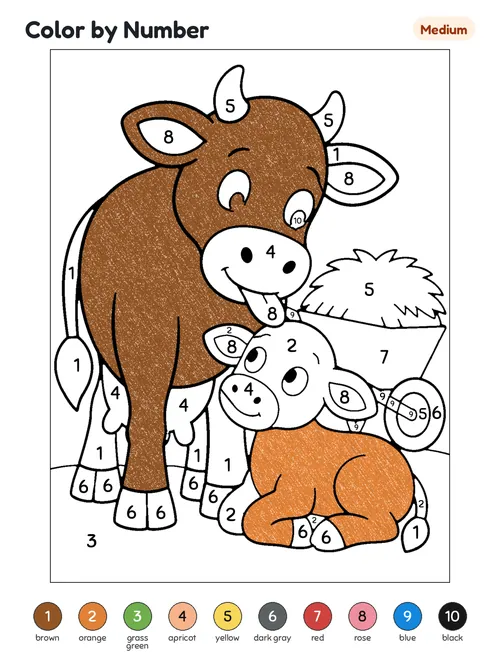
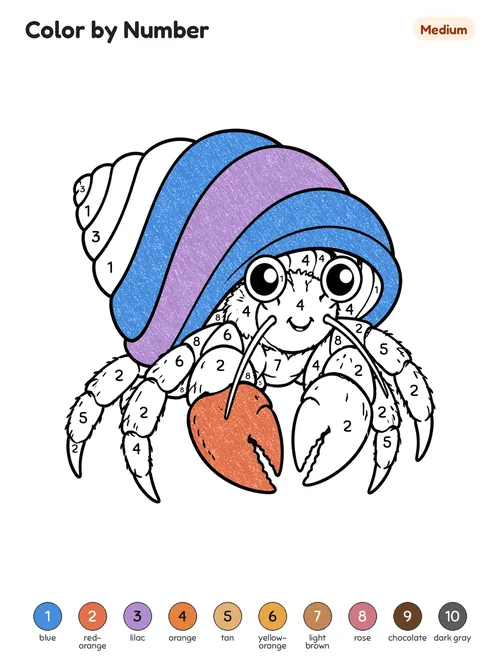
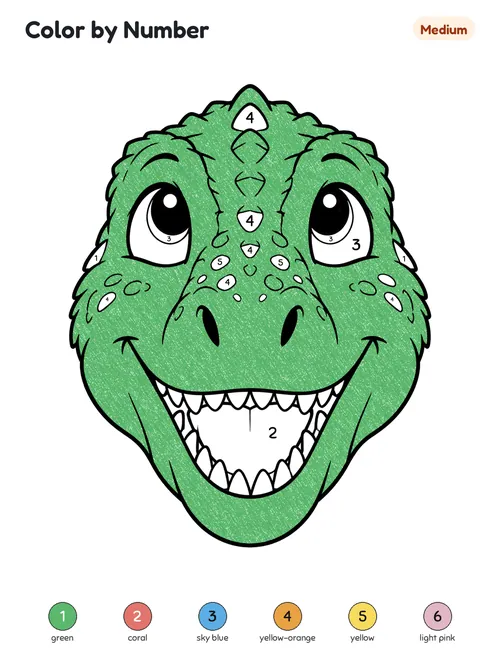
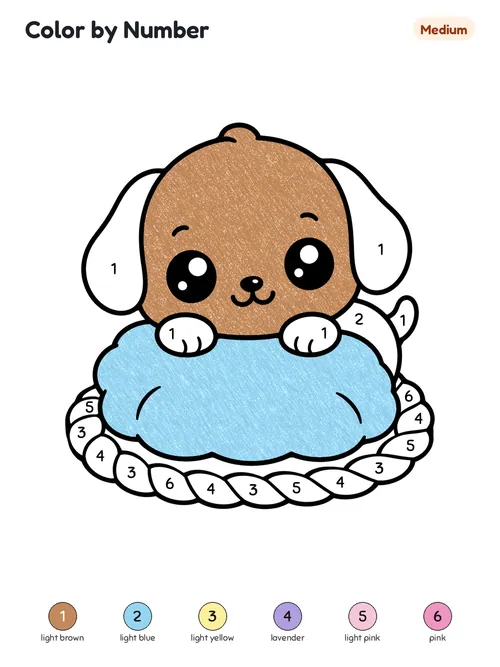
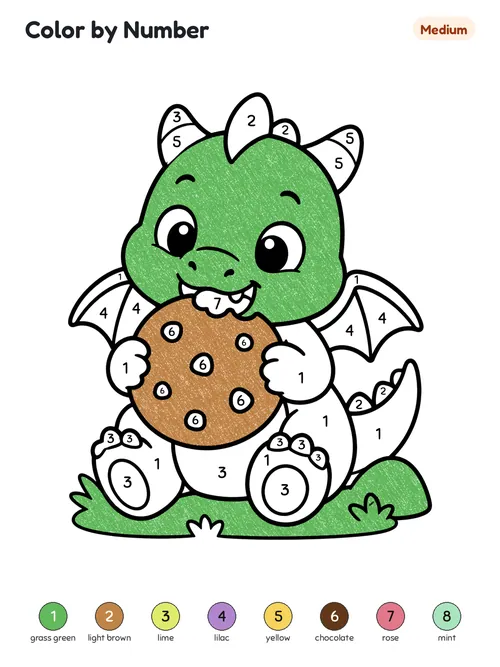
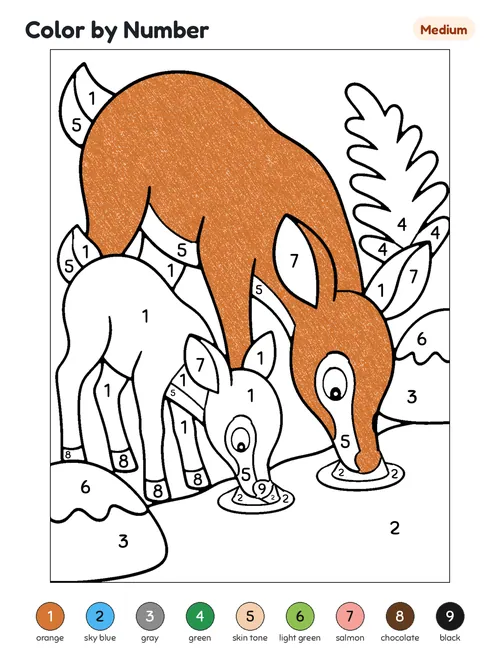
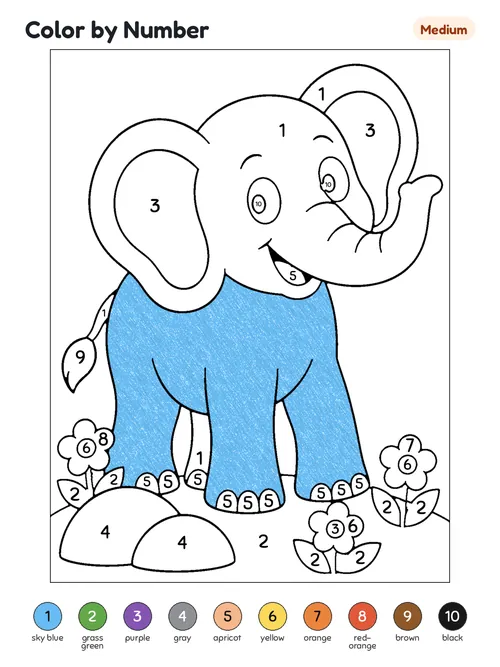
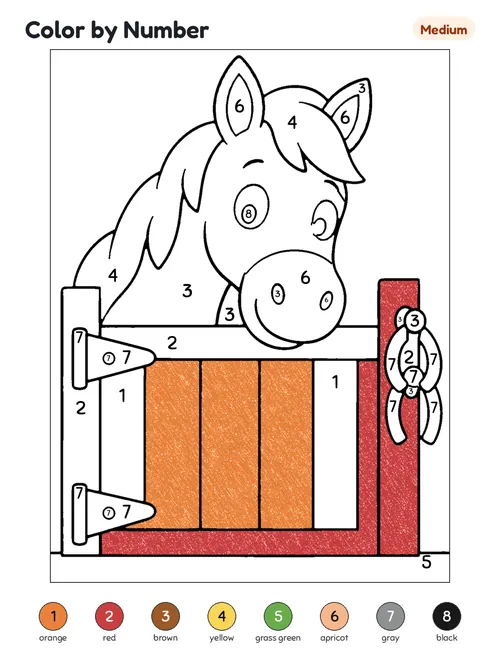
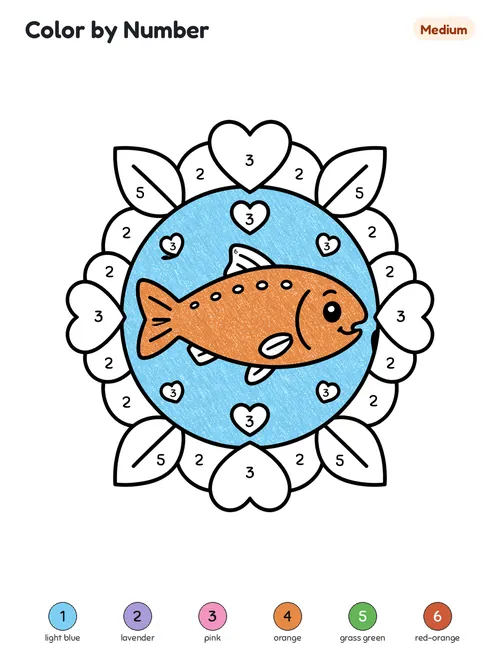
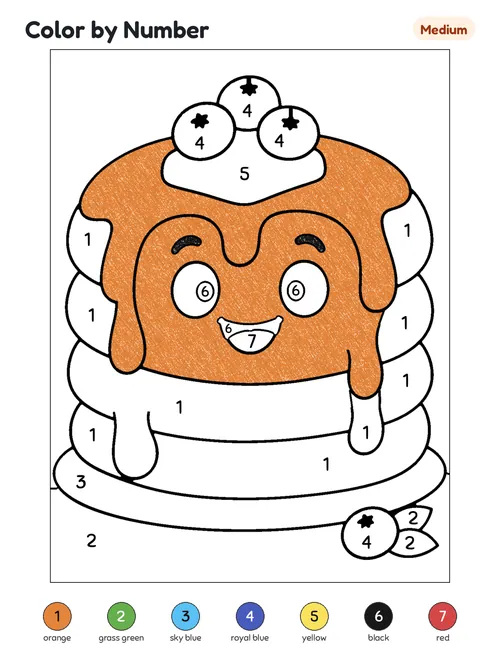
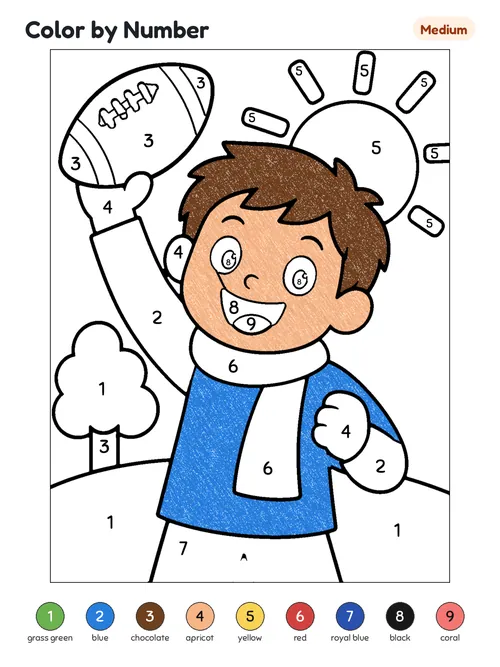
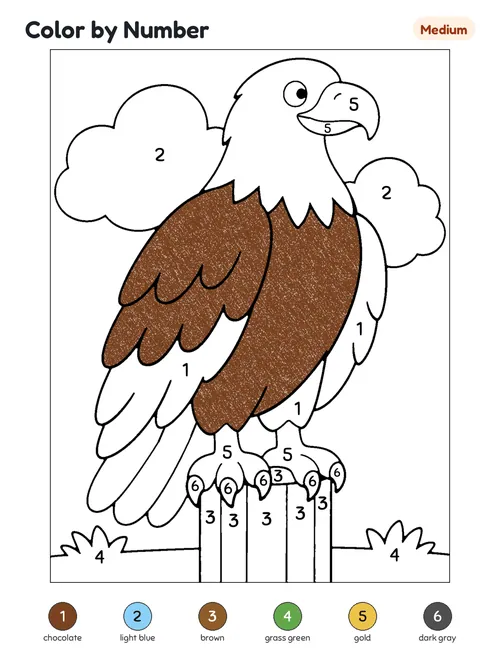
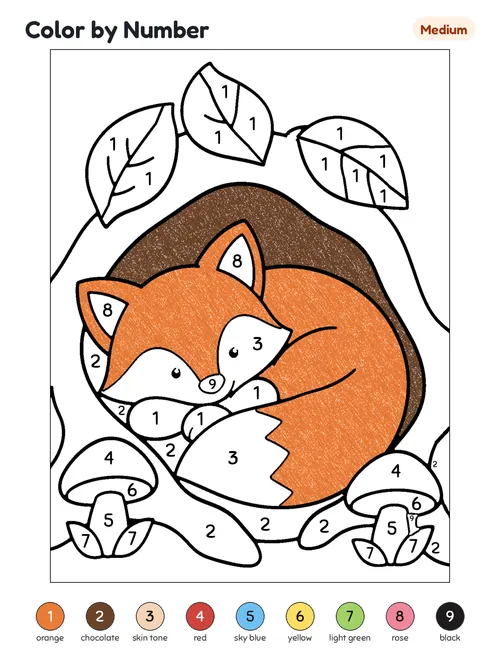
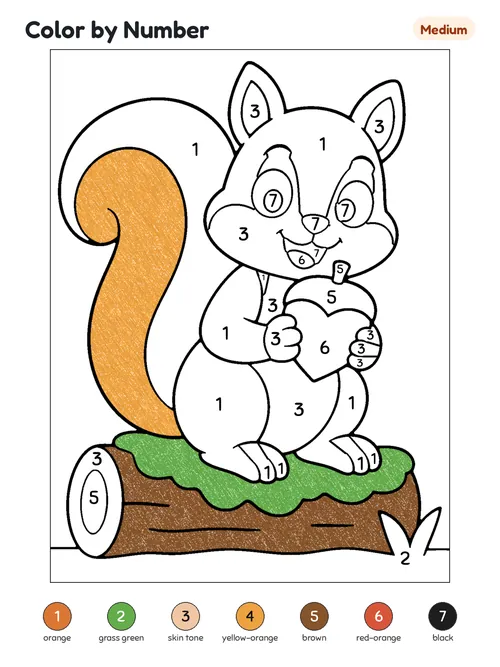
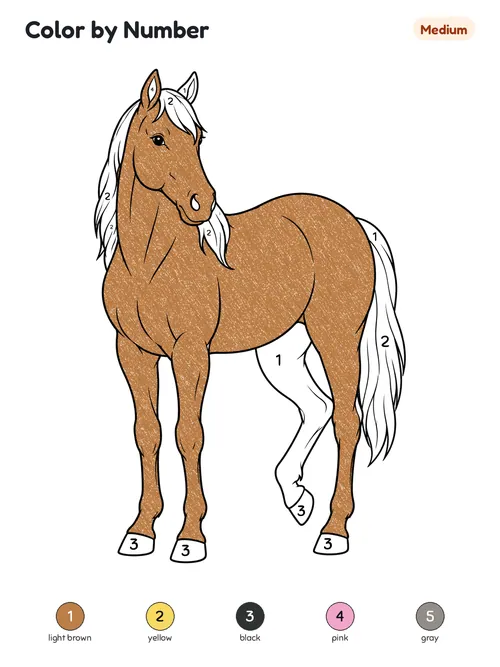
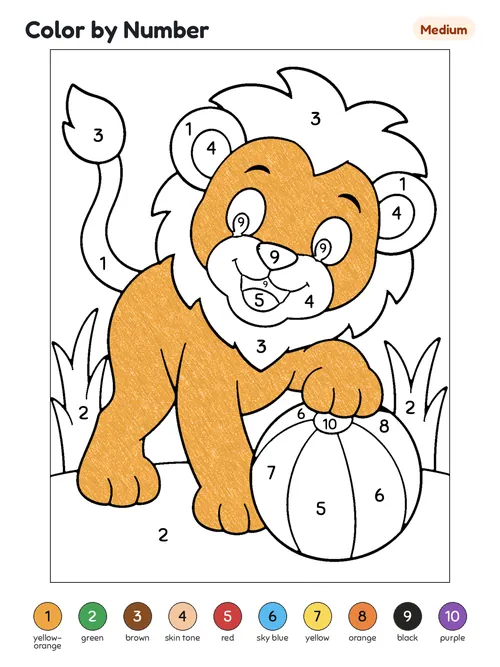
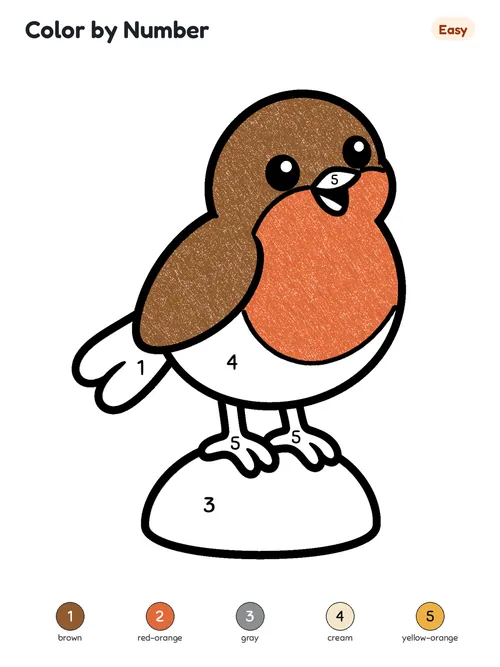
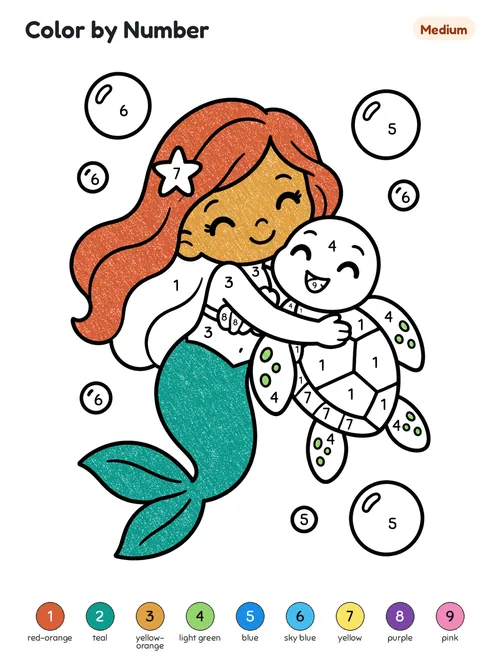
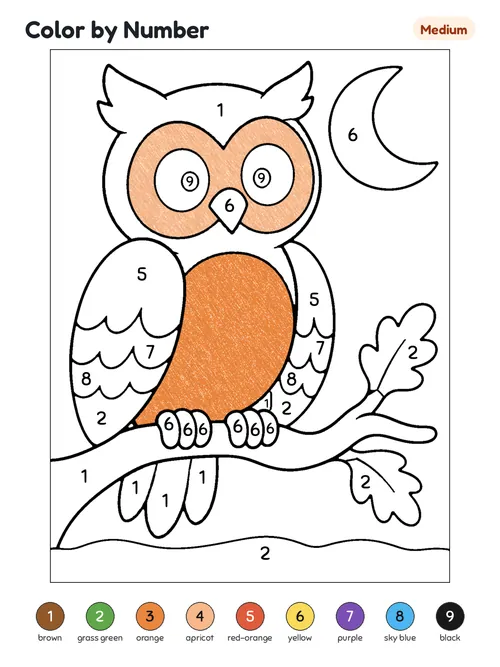
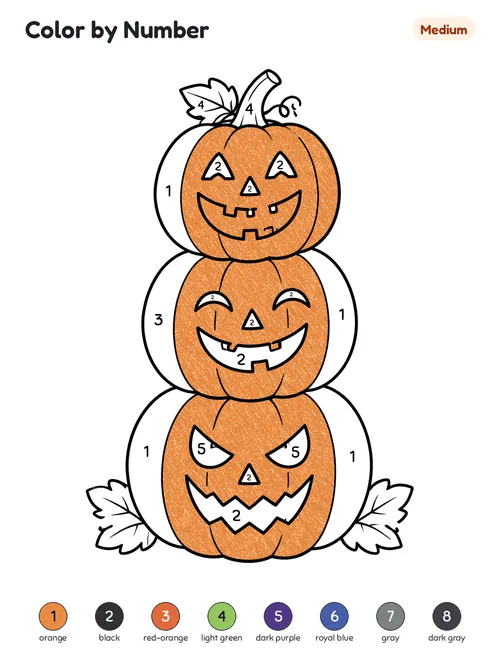
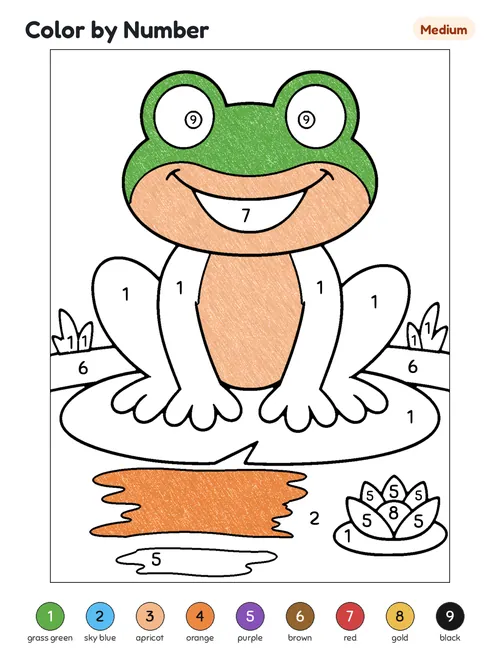
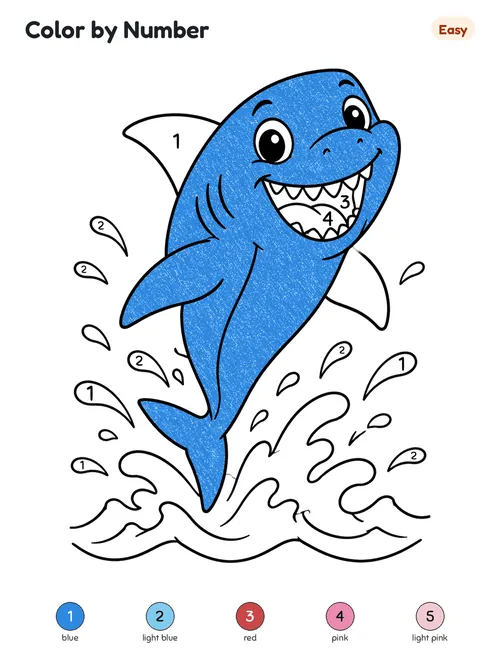
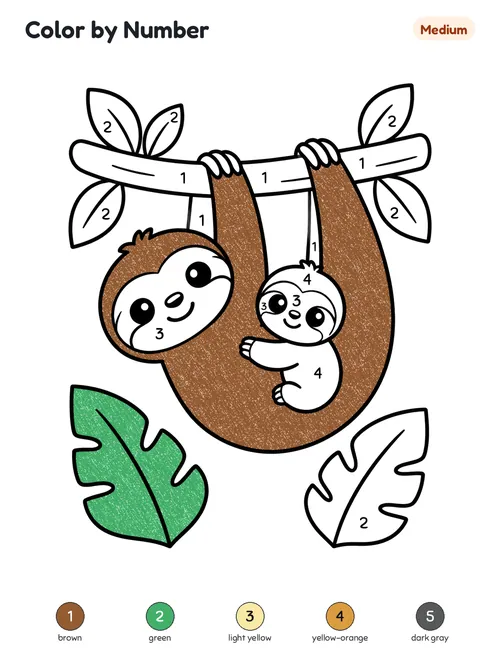
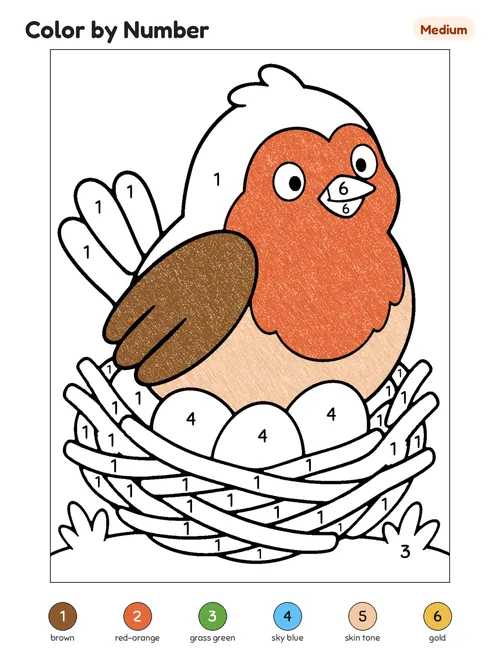
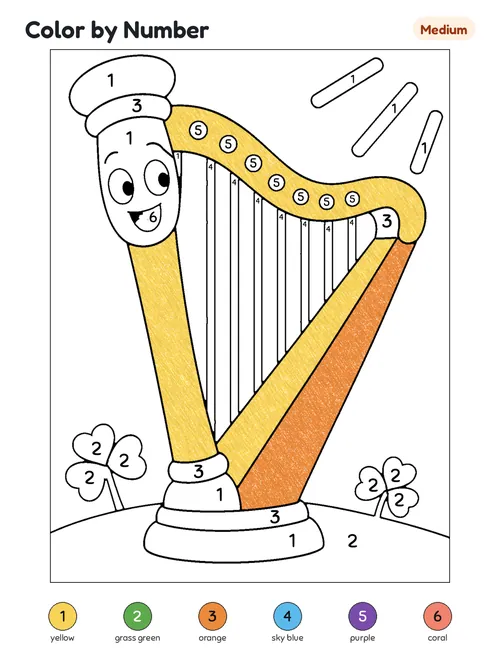
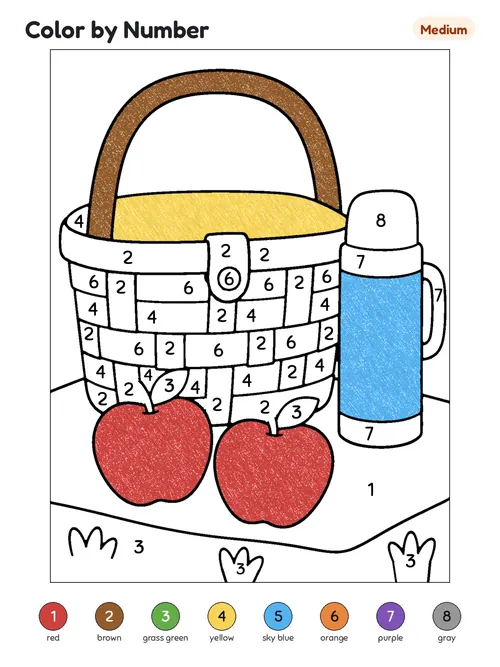
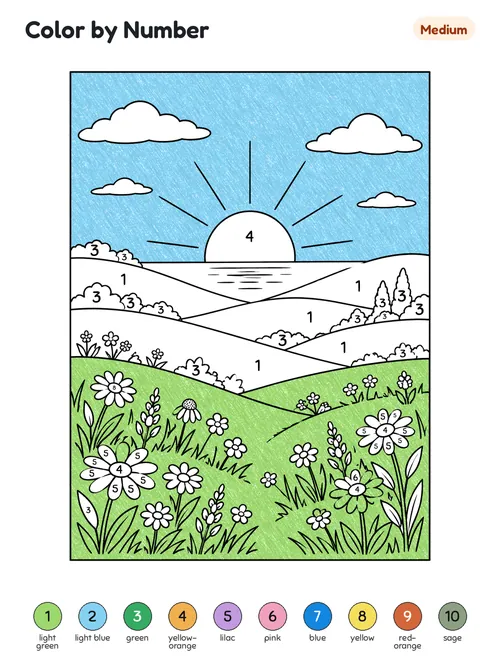
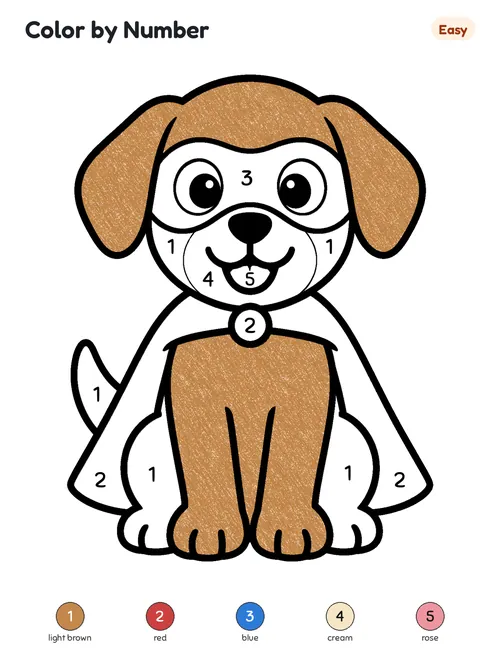
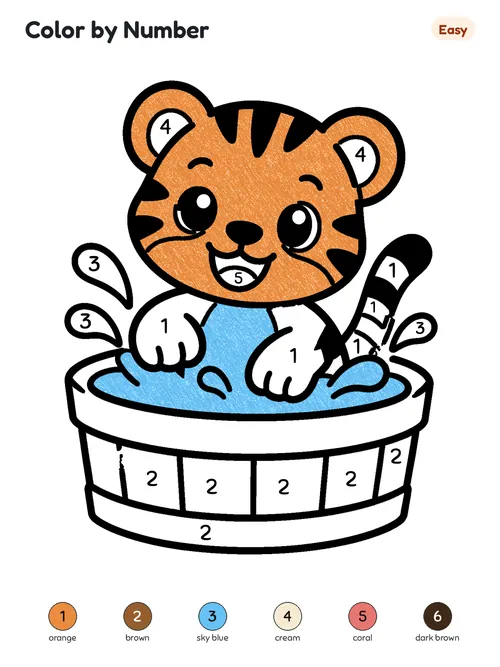
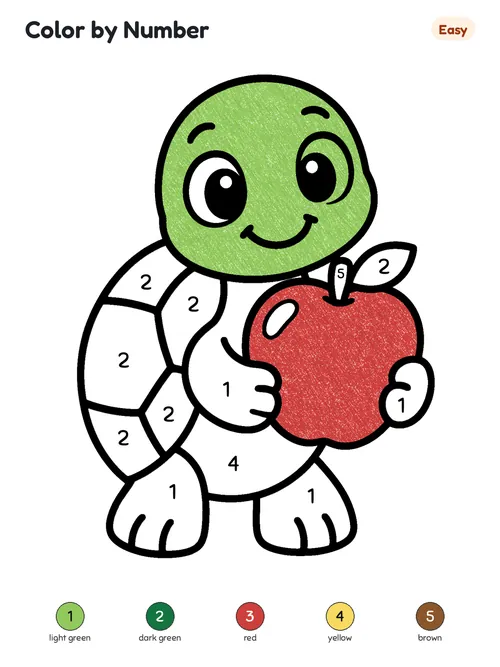
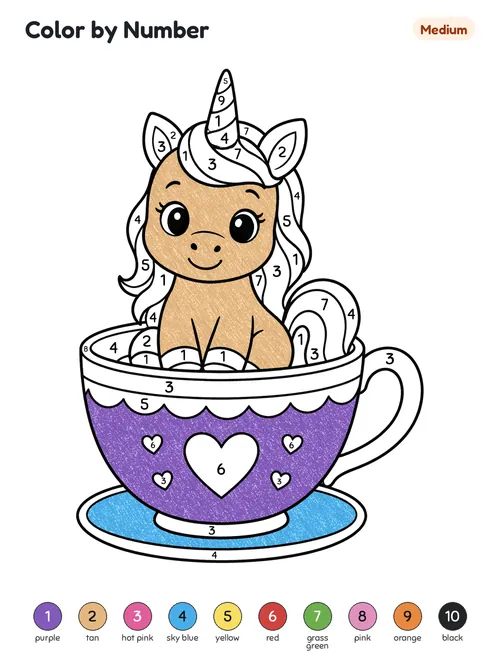
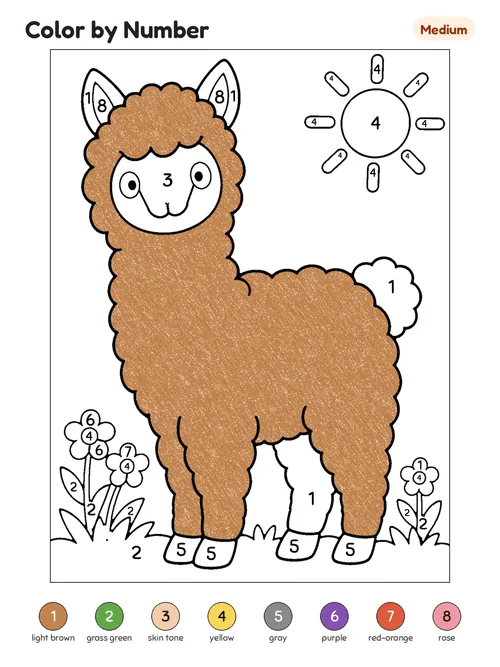
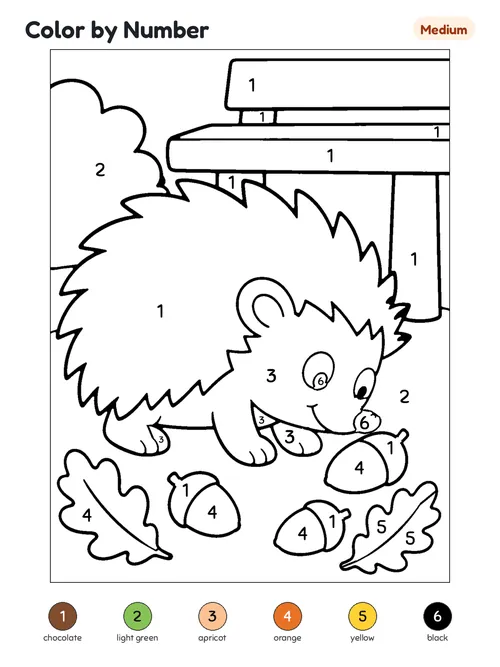
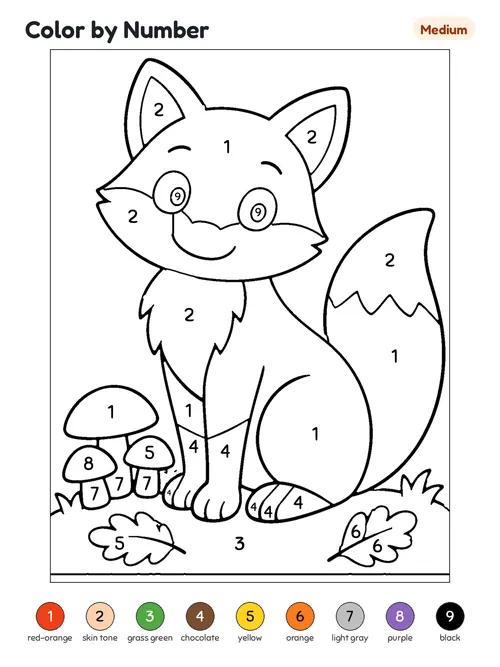
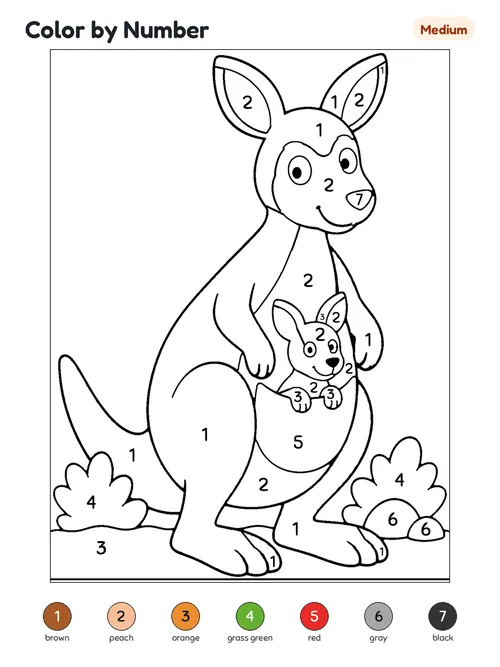
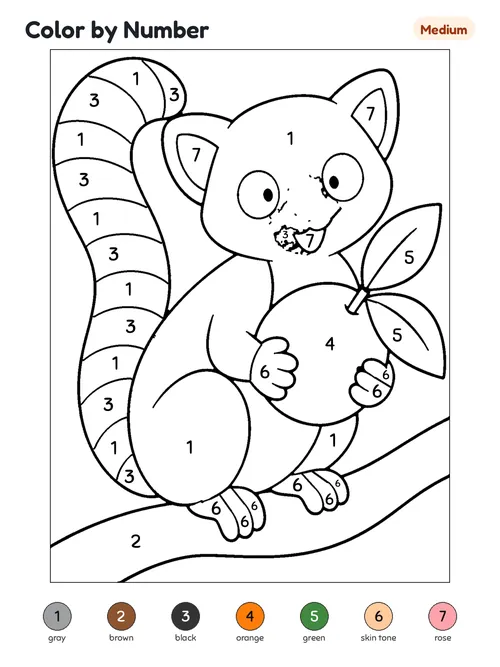
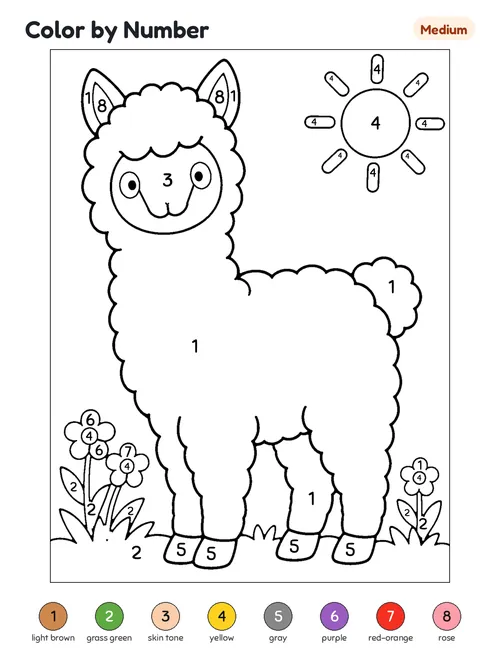
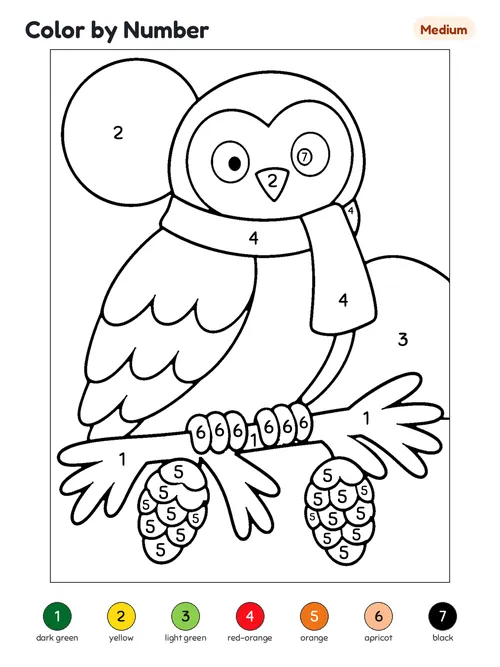
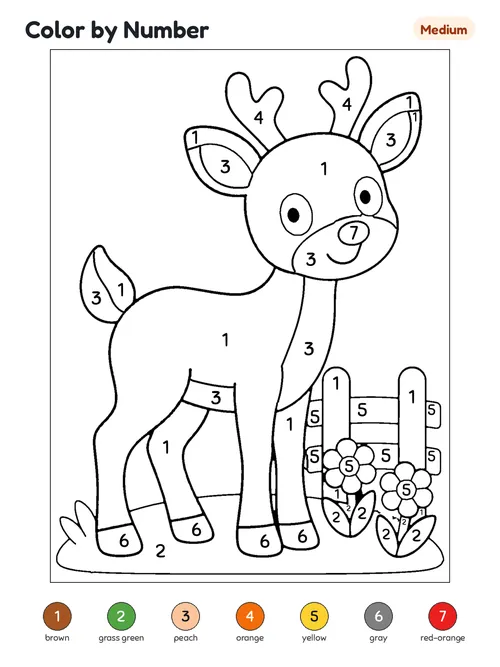
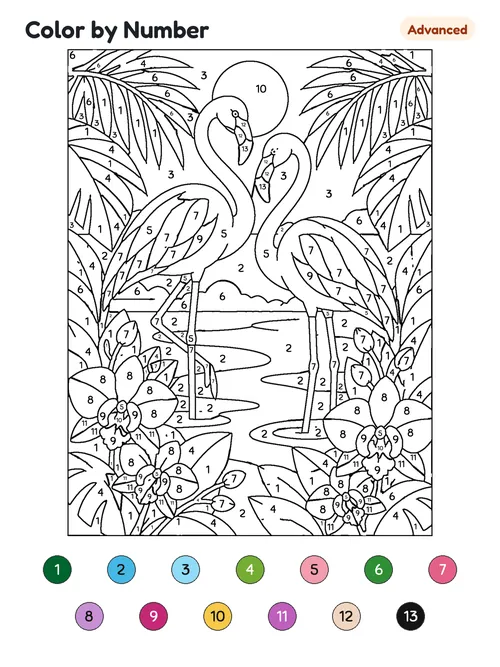
Farms, forests, oceans, and jungles meet here. These 23 animal color by number pages include 5 easy pages for preschool with bold lines, 12 medium pages, 2 challenge pages, and 4 advanced pages for teens and adults.
PDF paper size:
Easy 5 pages · ages 3 to 6


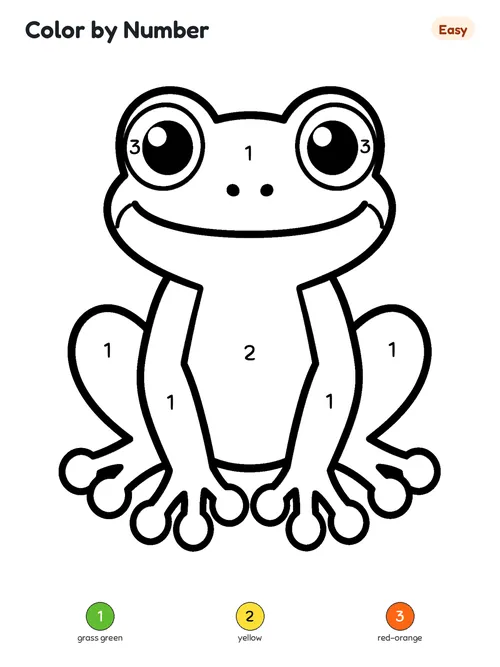

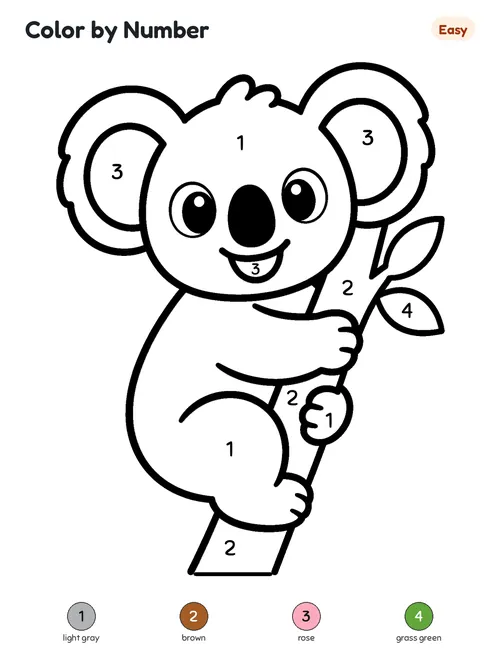

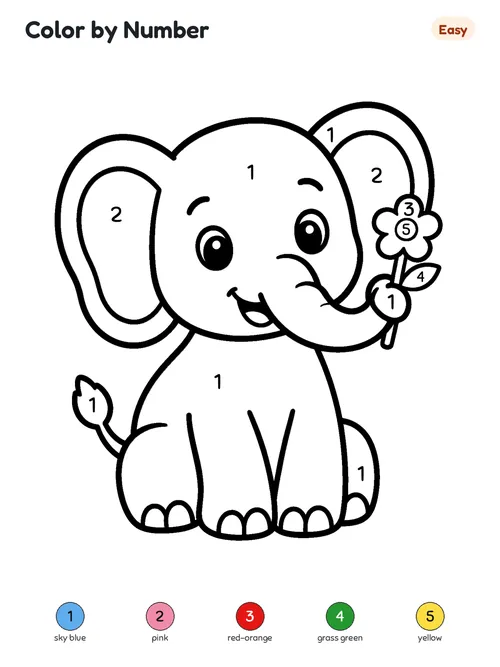

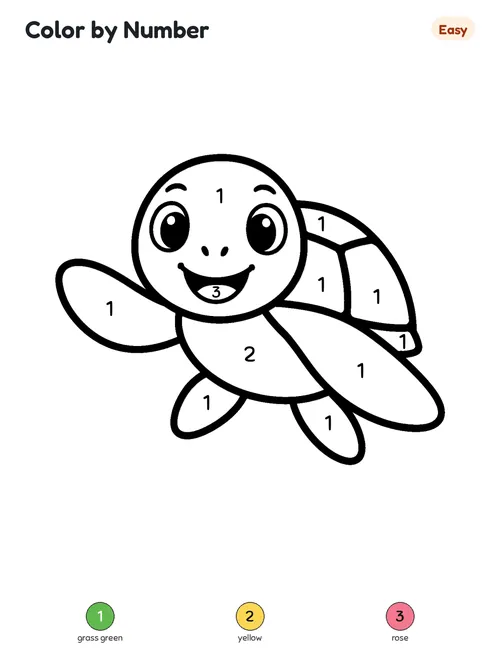

Medium 12 pages · ages 5 to 8










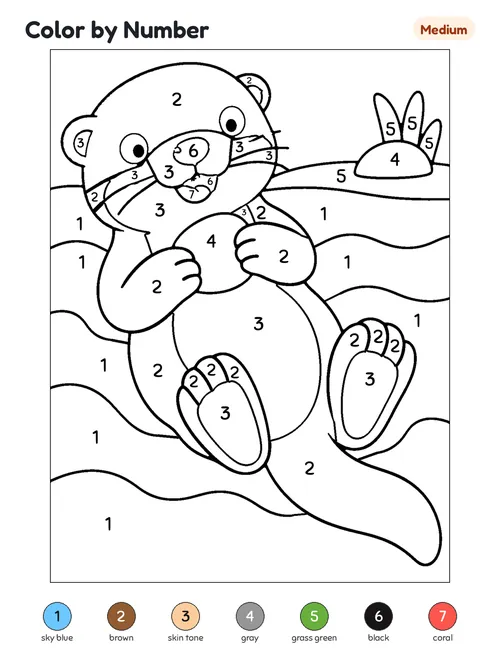


Challenge 2 pages · ages 7 and up


Advanced 4 pages · teens and adults
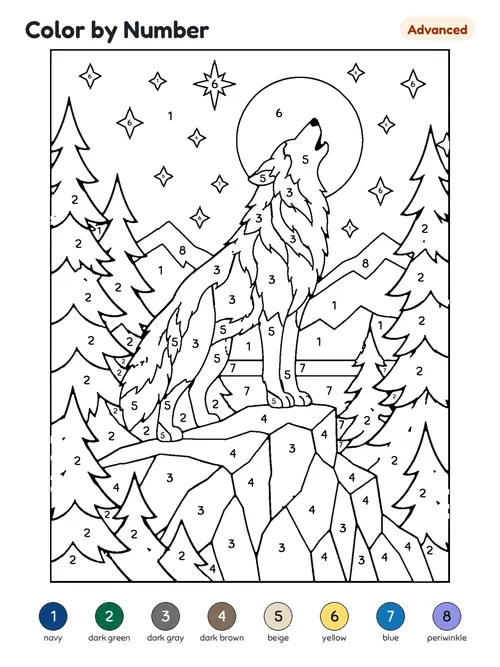

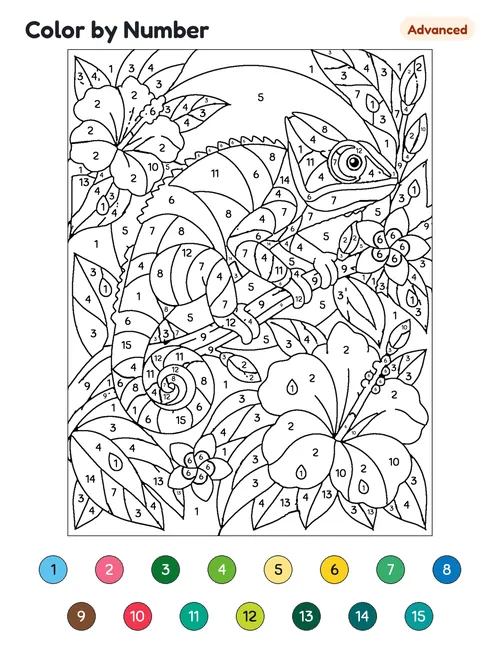



Choosing by habitat or favorite creature
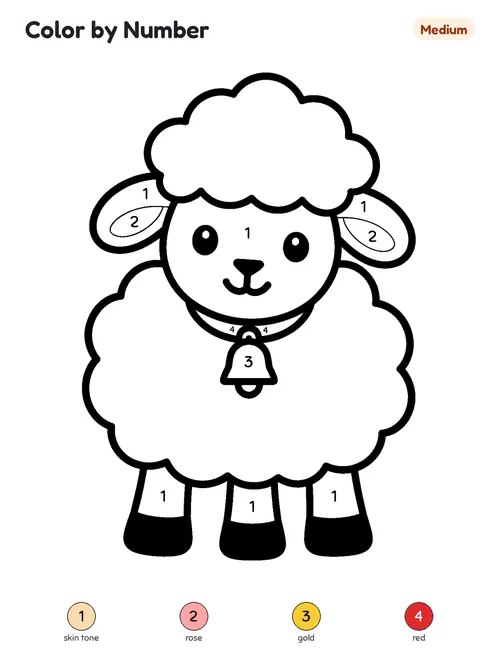
Spread farm, forest, ocean, and jungle sheets across the kitchen table so each child's curiosity picks the first creature. When someone chooses the fluffy farm sheep page, its large, simple shapes make the round fleece inviting right away. Fill those wide fleece sections first and save the tiny neck bell for last so the small detail stays neat.
Every page is a free printable PDF with a color key listing each swatch and name. Families can print different habitats side by side for one shared stack. Anyone ready for tighter patterns after finishing the hardest wildlife scenes can continue with adult color by number pages.
Using habitat sets in classroom units
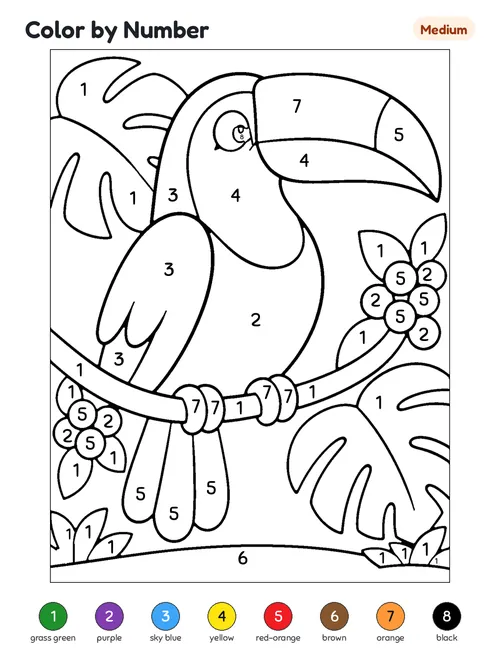
During a habitat unit, teachers can sort these color by number animals into farm, woodland, reef, and rainforest stations so students notice where each species lives. At the rainforest station, the tropical toucan page combines a vine, big jungle leaves, and ripe berries for steady number-matching practice. Have students match each crayon to the key before coloring so they move smoothly across the sheet.
Pinning finished sheets onto a wall map turns quiet desk work into a shared habitat display. When a class wants freehand shading without numbers, our animal coloring pages cover many of the same creatures. Keep extra sheets ready for early finishers.
Realistic coats versus playful color choices
While some sheets use lifelike fur, feathers, and scales to show how camouflage works in nature, others bend the rules for whimsy. Shade the pale bear first so bright scarf and iceberg colors do not smear into its coat.
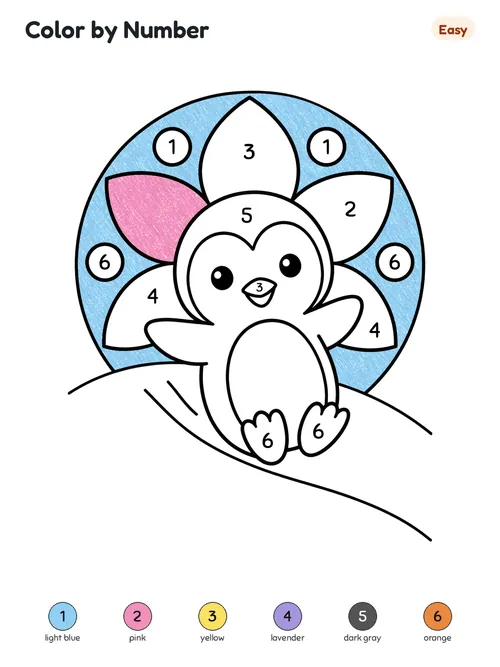
Comparing natural woodland tones against storybook scarves sparks lively talk about real habitats versus playful art. Both styles reward careful attention to the key. Fans of icy wildlife can try our penguin color by number sheets afterward.
Questions about Animals color by number
Why do forest and jungle animals have such different coat and feather colors?
Wildlife colors usually evolve to fit each habitat. Woodland mammals often wear muted browns and grays that blend into bark, soil, and fallen leaves. Tropical birds and frogs live among bright blossoms, where bold greens, reds, and yellows aid camouflage or attract mates.
How can kids shade white fur, feathers, and animal stripes cleanly?
Light pressure keeps white fleece and polar fur clean. Fill the palest coat areas first, then color dark stripes and spots last so marker ink or crayon wax will not smear. Colored pencils also handle fine feather and scale patterns more neatly than wide markers.
How do animal habitat sheets fit into a primary science unit?
Sort pages by biome so each table works on farm, woodland, ocean, or jungle wildlife. Afterward, students write one diet or shelter fact on the back of their sheet. Hanging them together builds a handy review chart.