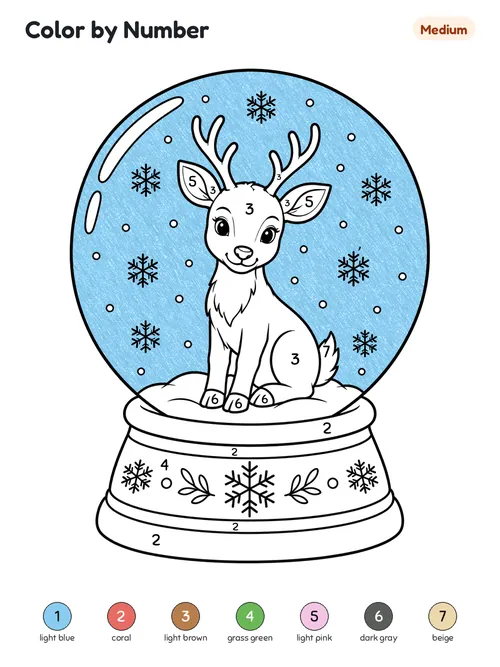
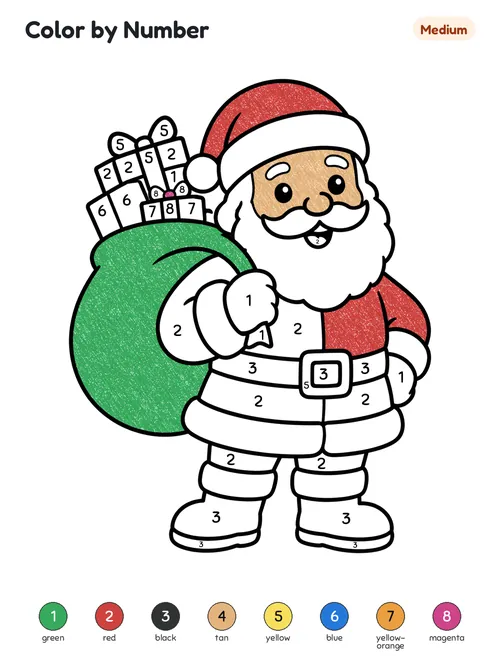
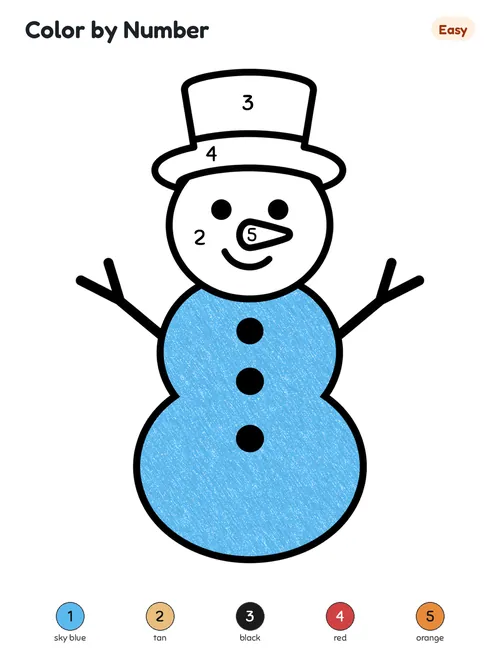
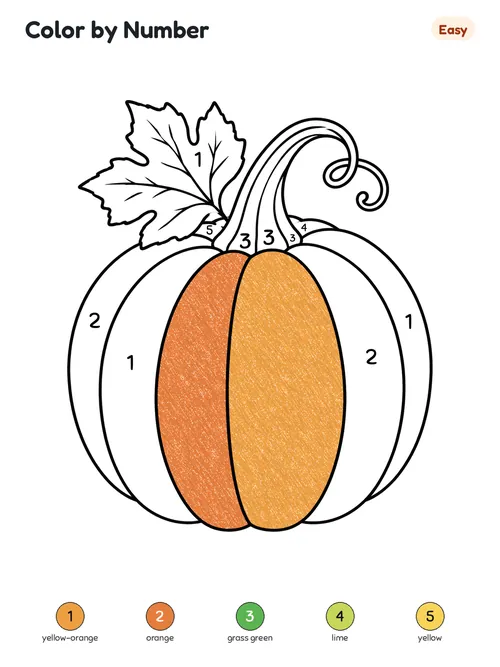
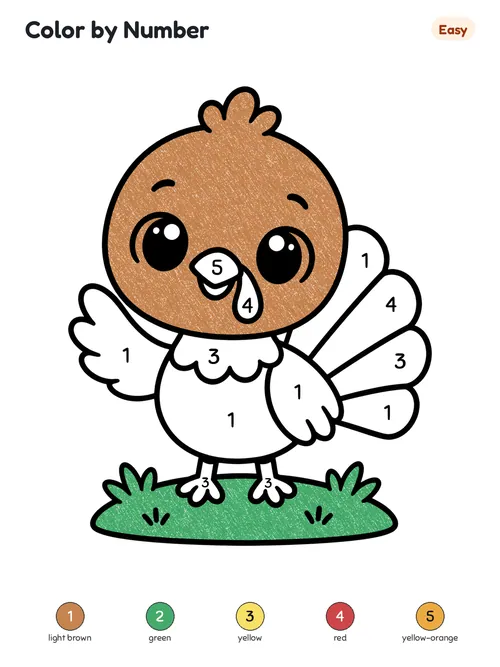
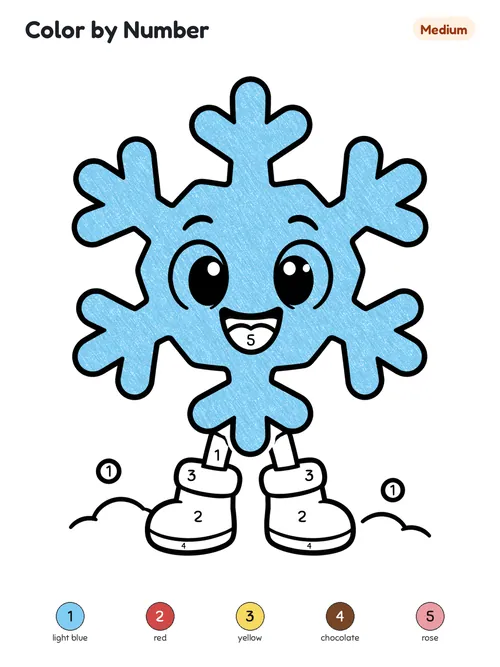
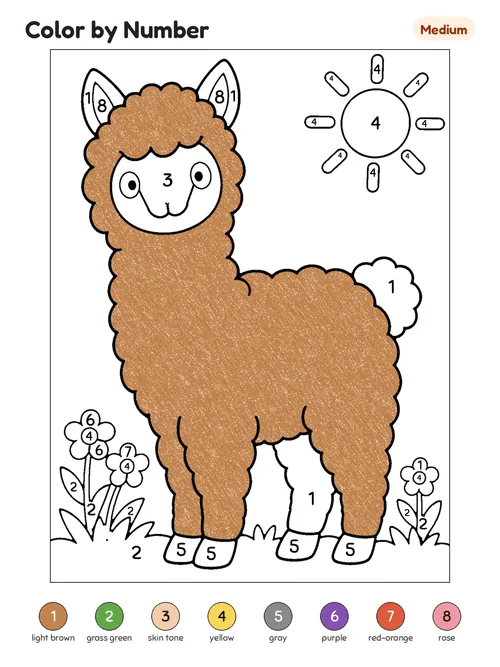
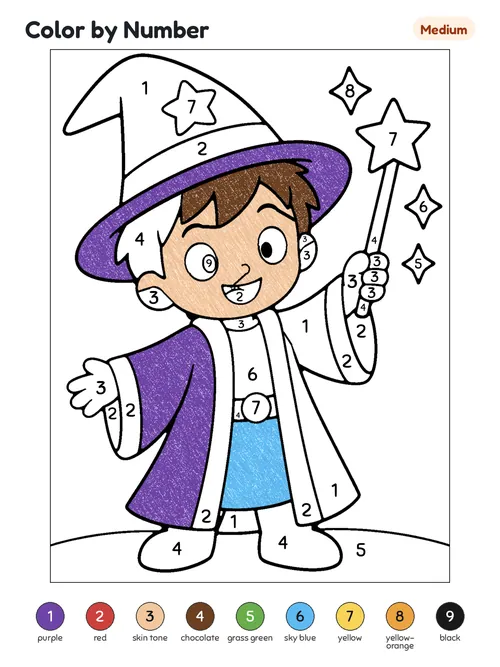
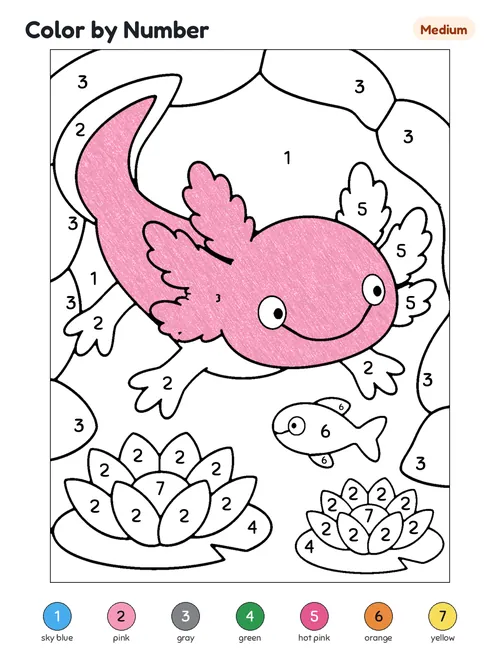
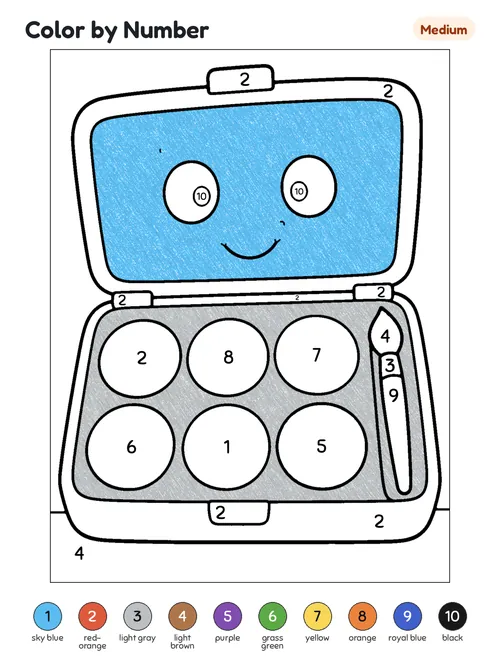
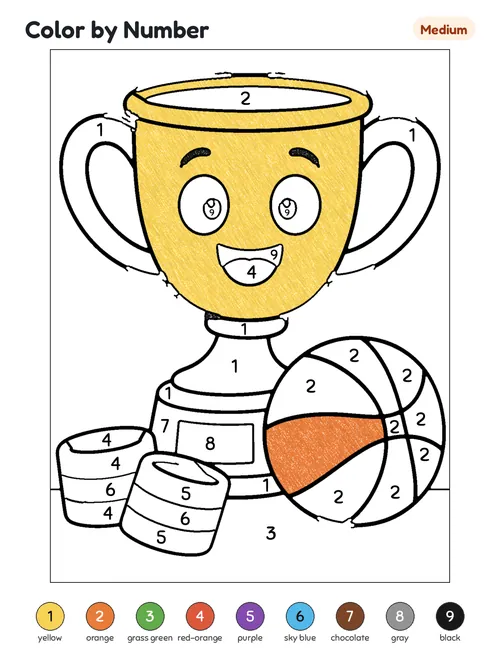
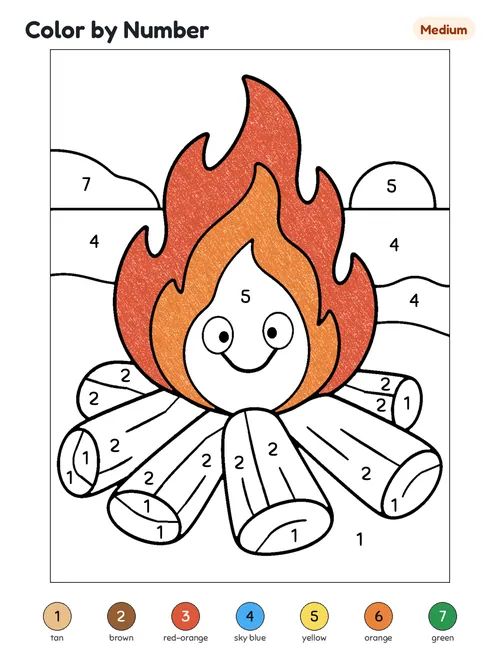
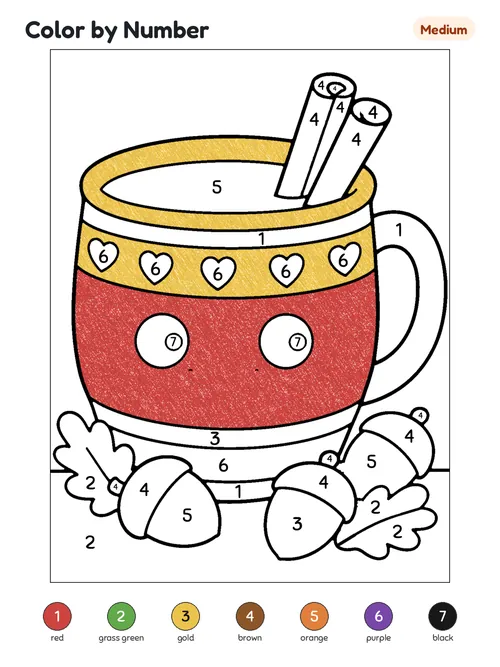
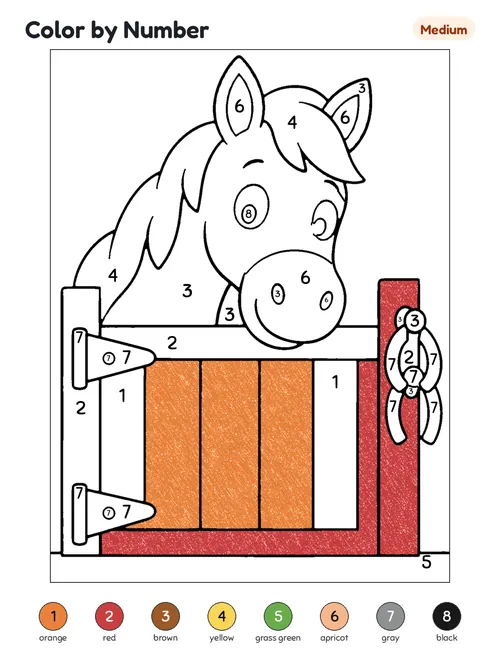
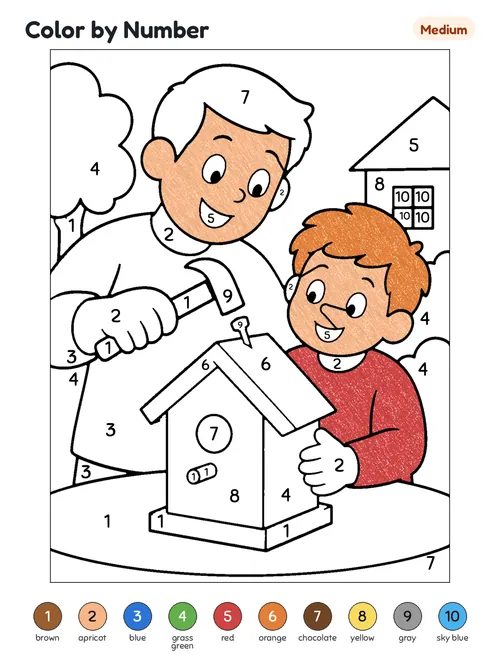
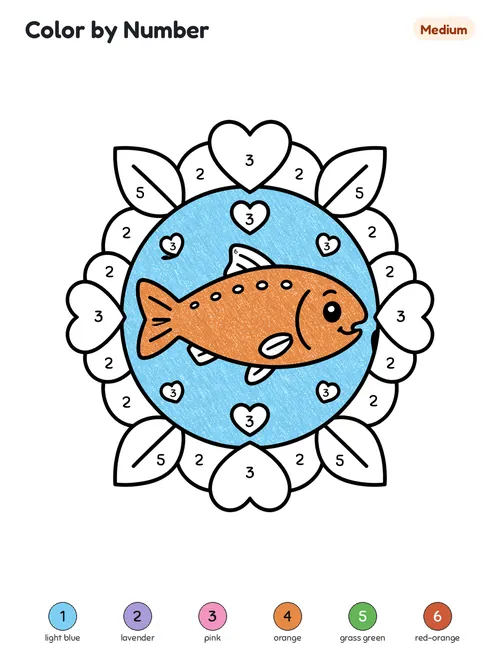
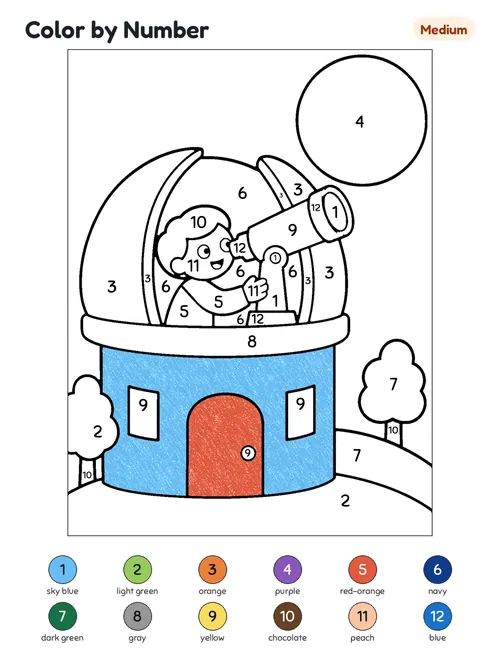
Space Color by Number Pages
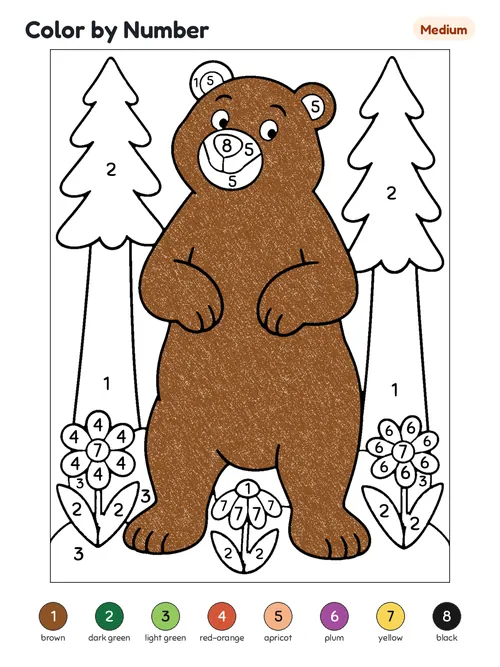
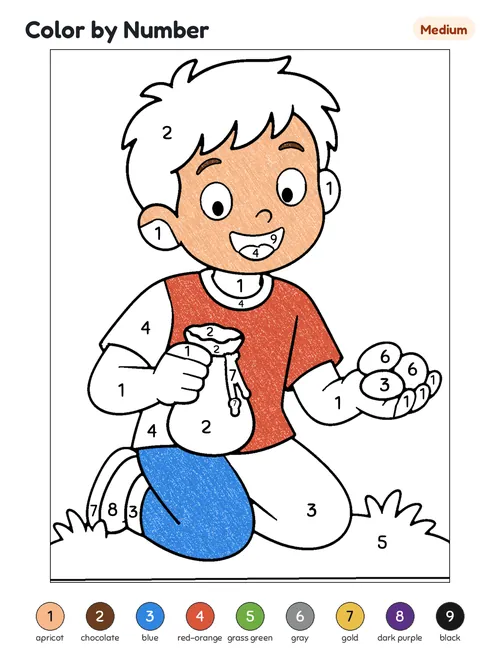
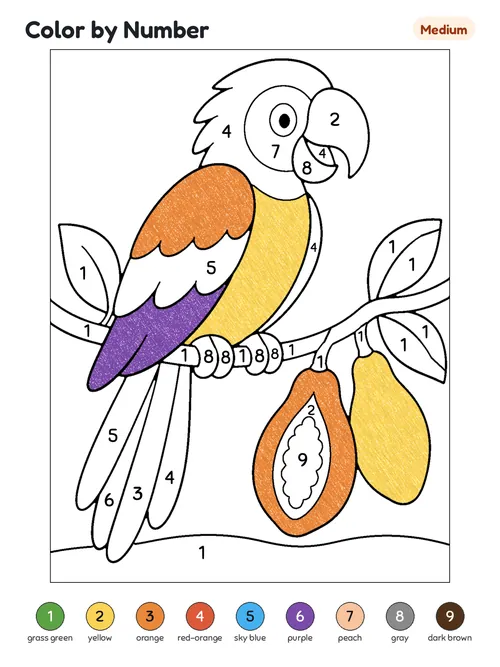
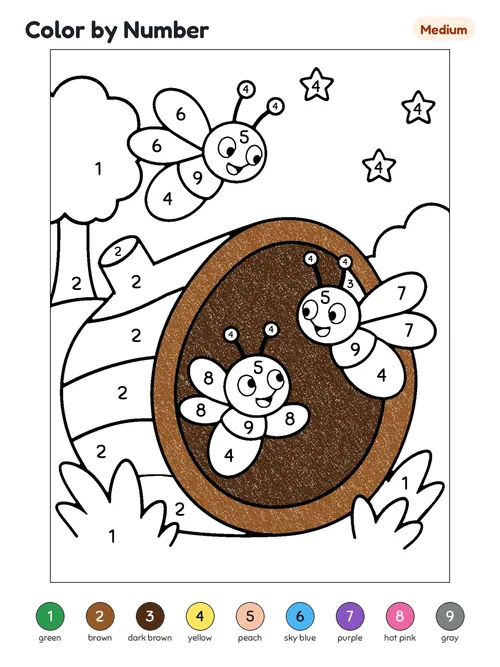
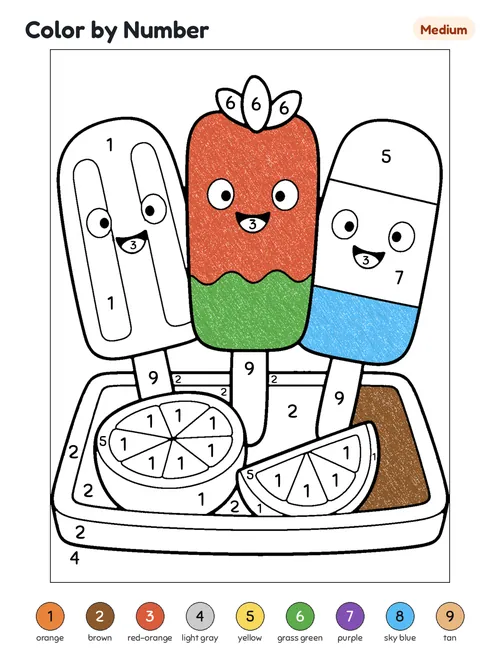
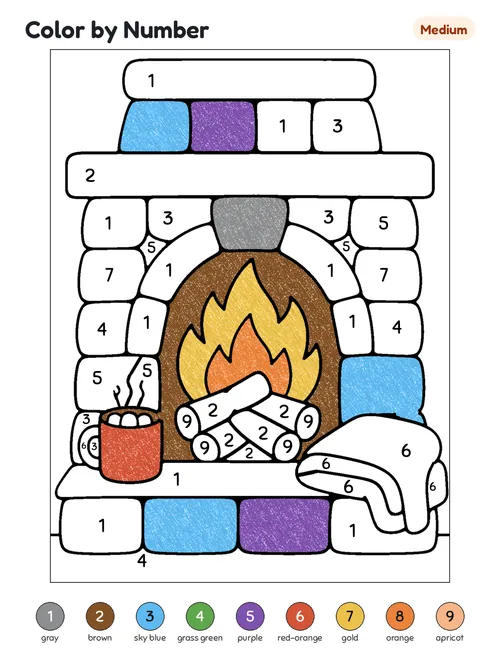
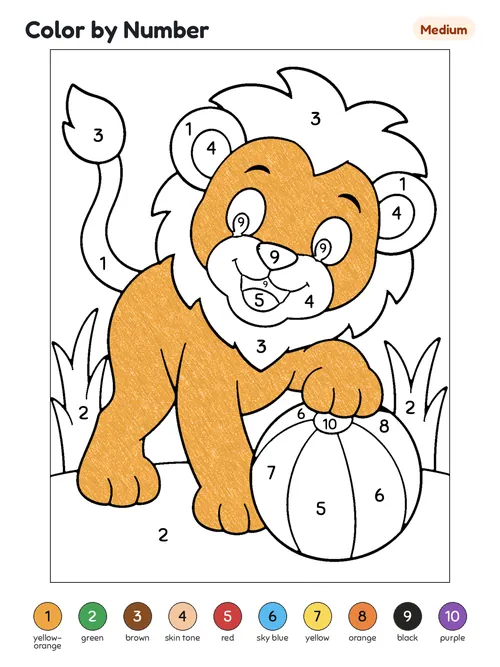
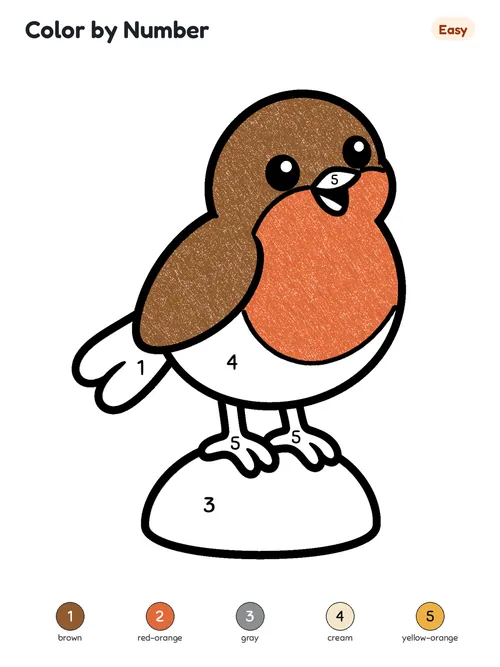
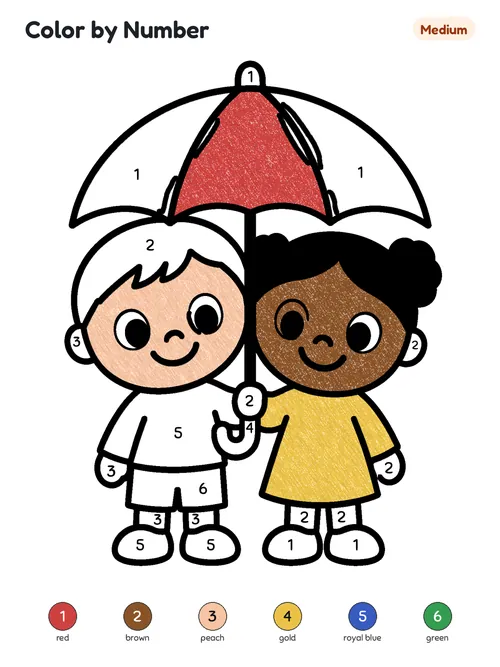
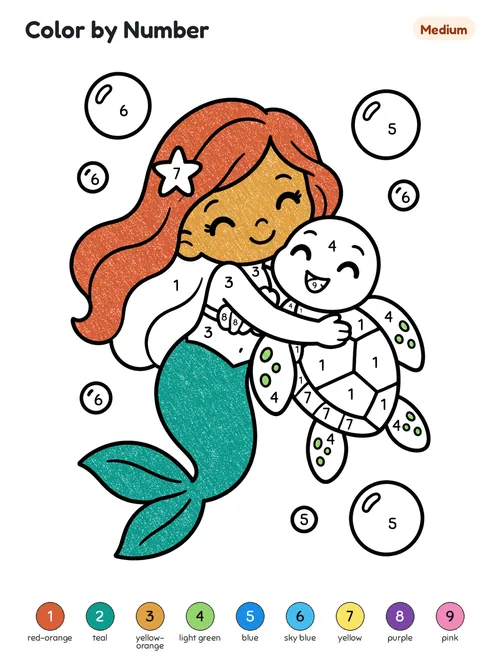
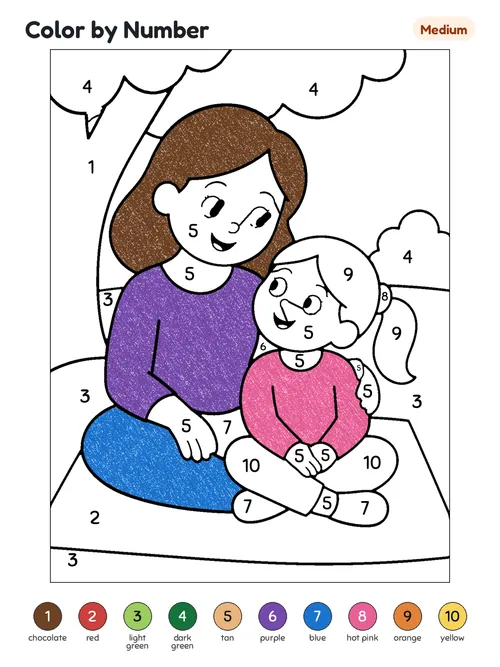
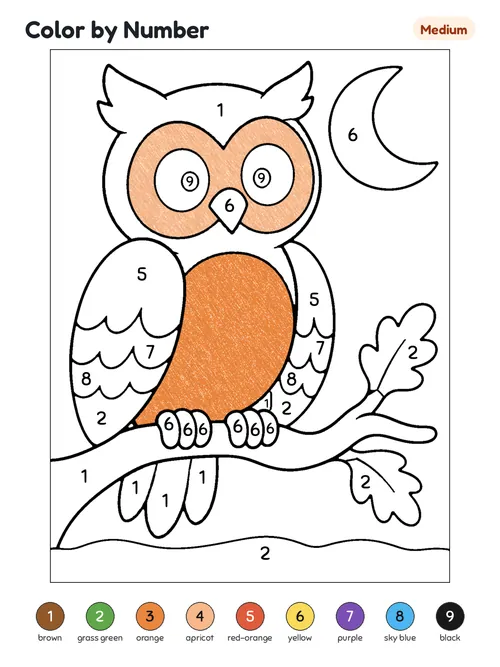
Dark skies, rockets, and planets inspire this set. Inside are 26 space color by number pages: 10 easy pages for preschool with bold lines, 7 medium pages, 5 challenge pages, and 4 advanced pages for teens and adults.
PDF paper size:
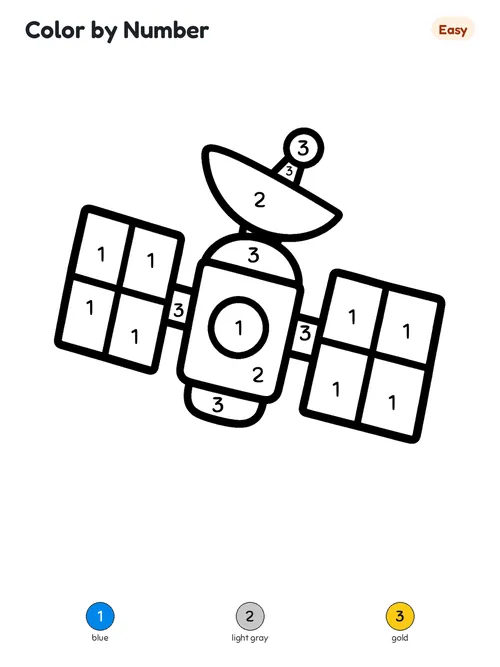
Easy 10 pages · ages 3 to 6


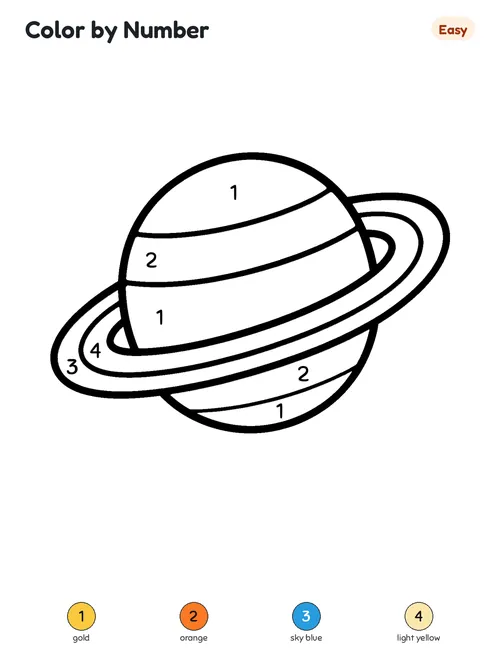


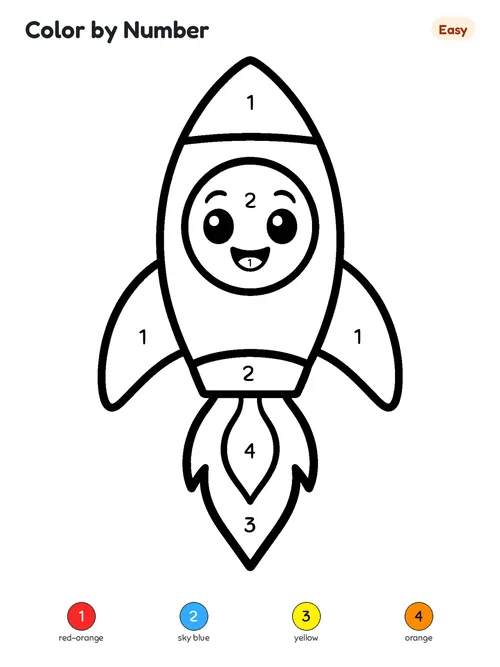

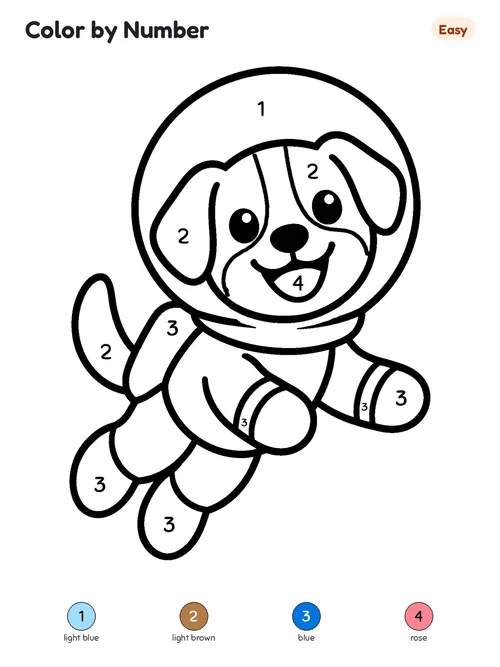


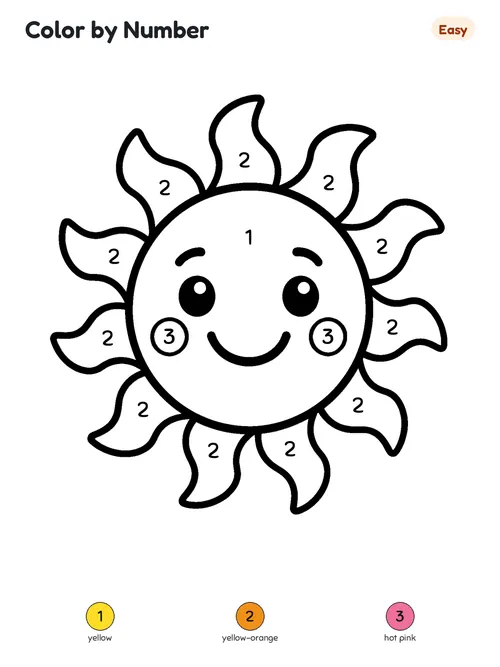


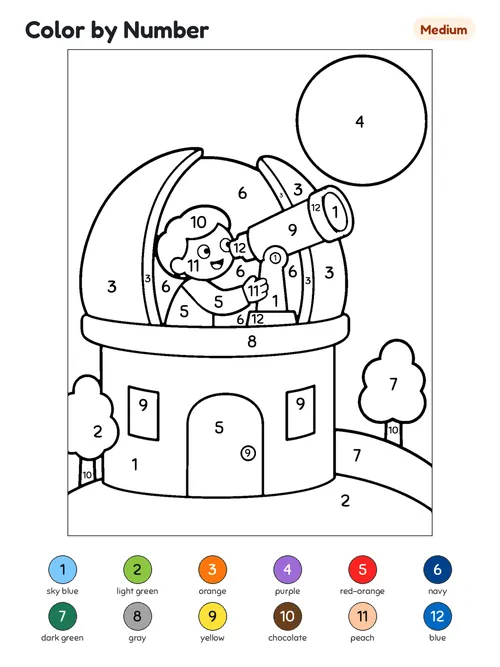
Medium 7 pages · ages 5 to 8




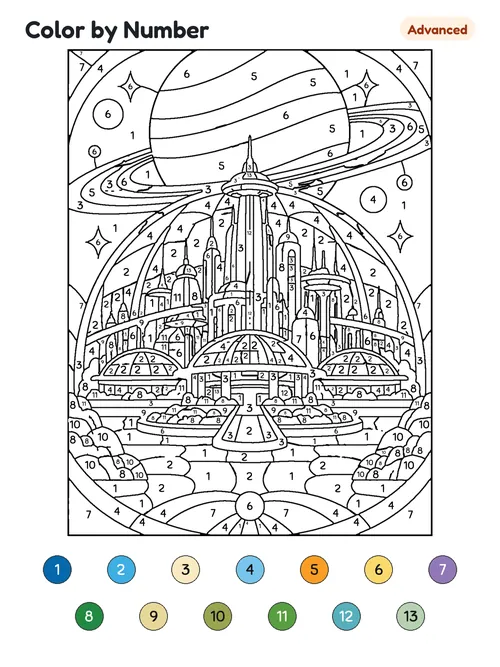
Challenge 5 pages · ages 7 and up


Advanced 4 pages · teens and adults



Teaching a space unit with planets, rockets, and astronauts
A color by number space theme fits naturally into a classroom space unit on rockets, moons, stars, and astronauts. Our solar system has eight distinct planets. Teachers can pair counting with space science using the simple ringed planet design with wide tilted rings for young learners.
Each sheet downloads as a free printable PDF with a full answer key option for teachers. Finished pages make a cheerful bulletin board display. When students want freehand drawing without numbers, switch to open coloring with our space coloring pages or share easy preschool pages with younger siblings.
Coloring dark blue and purple skies with bright yellows
Unlike sunny outdoor scenes, space pictures rely on deep dark blue and purple backgrounds for contrast. Bright yellows make stars and flames stand out. Have children color the yellow spaces first so dark blue crayon wax or marker ink never smears across light moons and stars. Soft colored pencils also layer nicely over large sky sections without soaking through standard printer paper.
Large dark skies can tire small hands, so take short coloring breaks or spread the background over several quiet afternoons. A quick crayon sort keeps the pace calm. Older students and adults who like swirling nebula clouds can unwind with the cosmic mandala solar system design or our adult color by number pages.
Questions about Space color by number
Why do planets look different colors in space?
Surface materials and gases shape how each planet looks. Rusty iron dust gives Mars a reddish tint, while methane gas makes Neptune appear deep blue. Vast oceans and clouds give Earth its familiar blue and white glow from orbit.
How can kids keep dark blue and purple skies from muddying yellow stars?
Fill all yellow and white areas first. Colored pencils stay crisp along narrow star edges and rocket flames better than wide markers. When kids use crayons, a quick wipe on scrap paper cleans dark wax off light tips right away.
How do rocket and planet pages fit into an elementary solar system lesson?
Set them out after introducing the eight planets, the moon, and how rockets reach orbit. Students can write a short space fact on the back. Hanging finished sheets in solar system order builds a handy classroom wall reference.