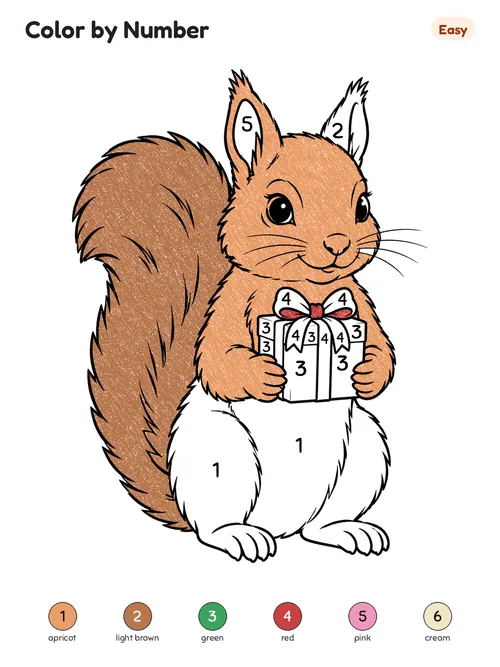
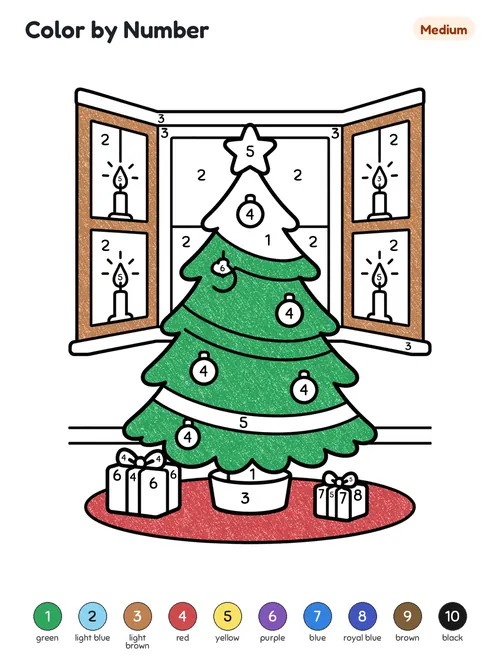
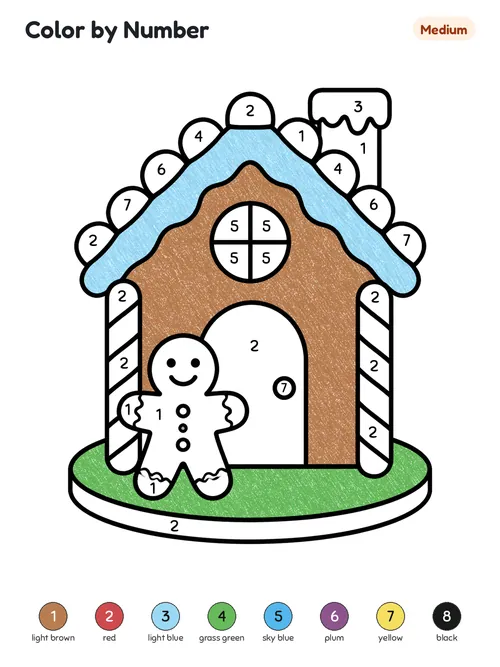
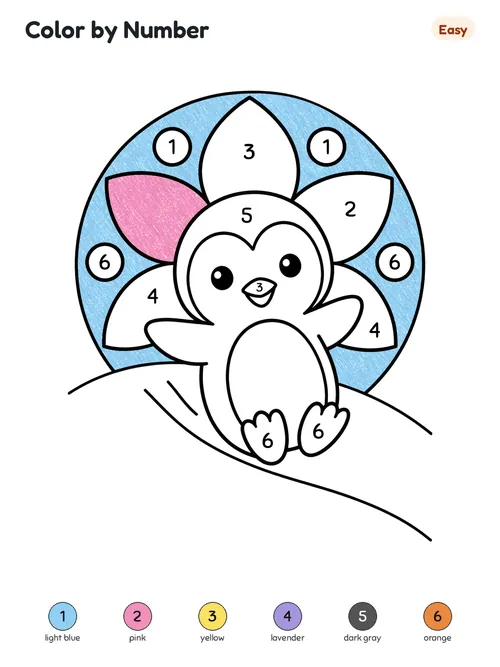
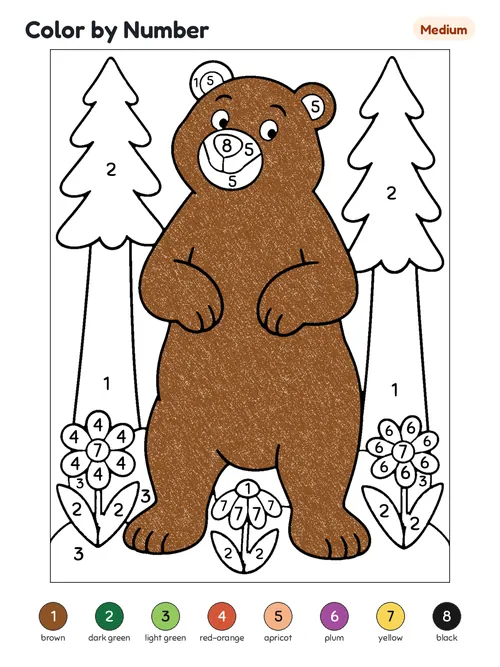
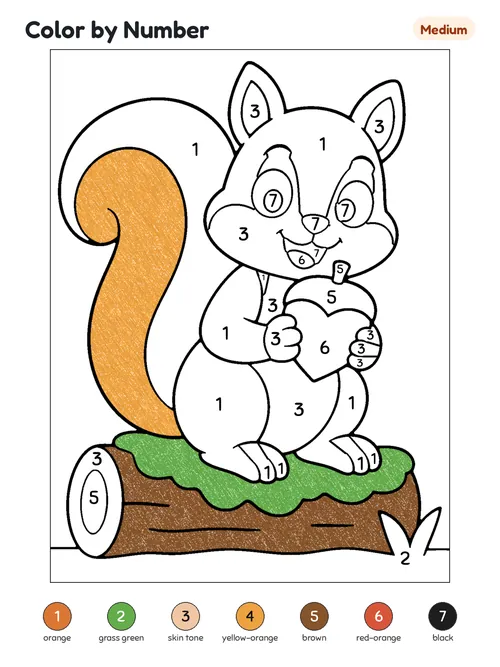
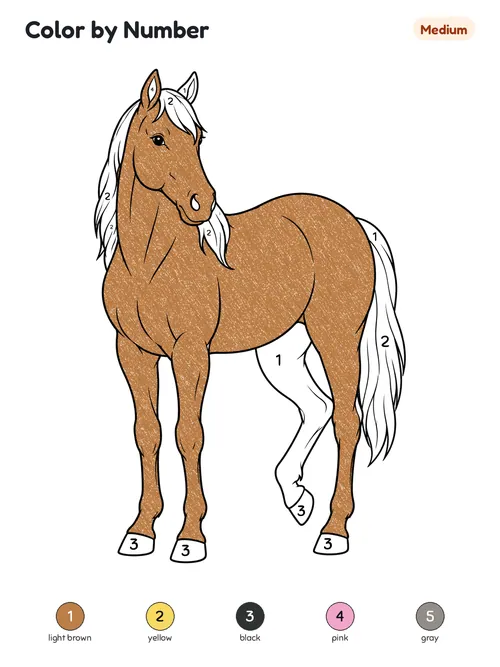
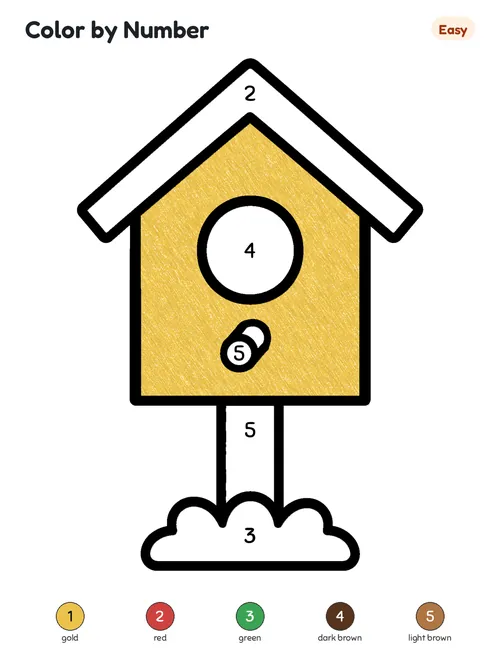
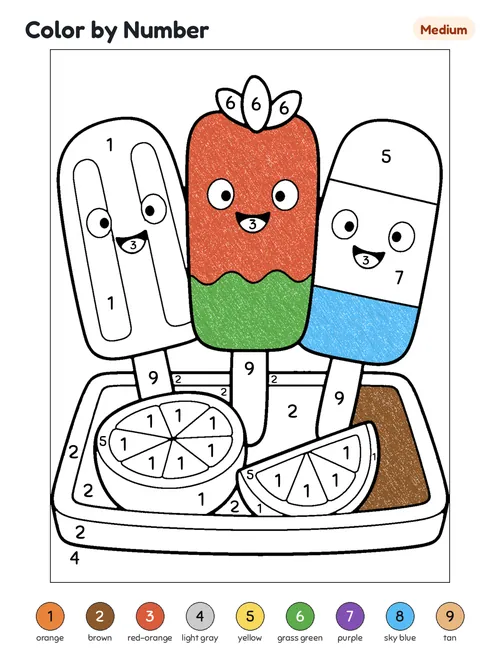
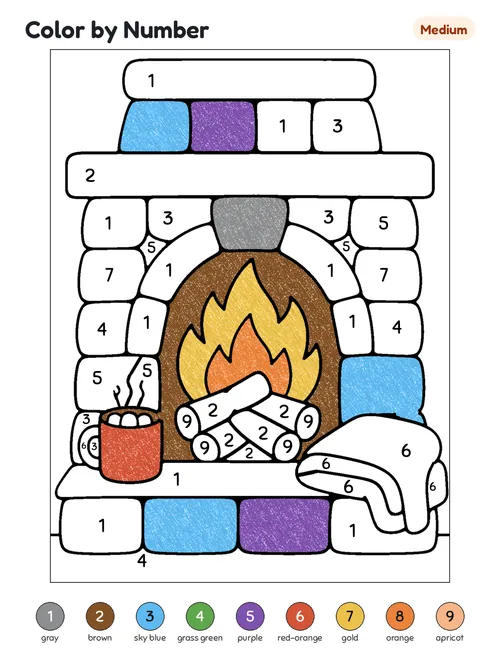
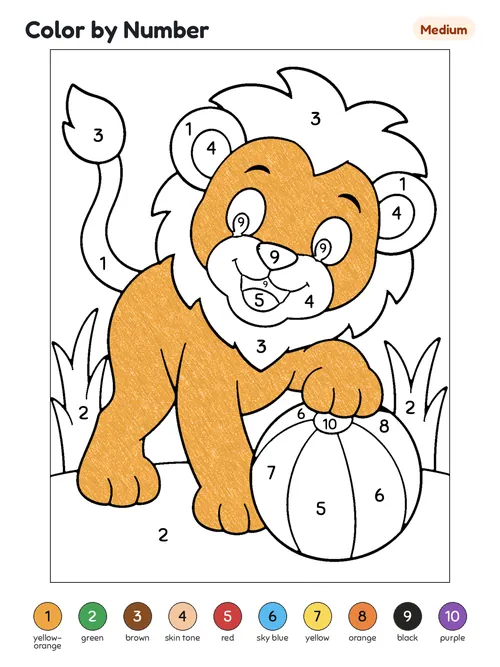
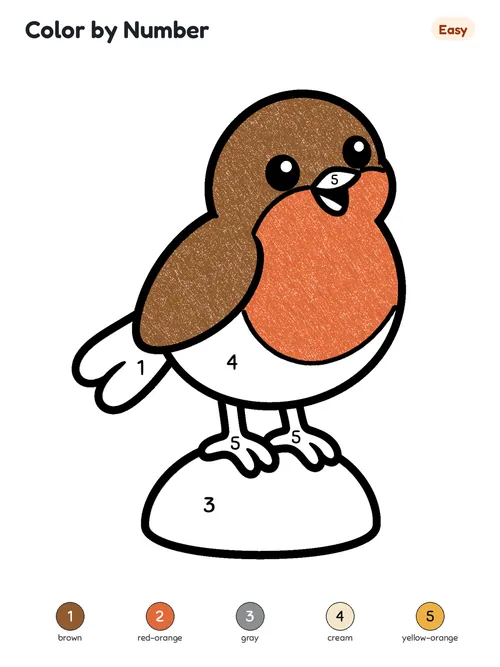
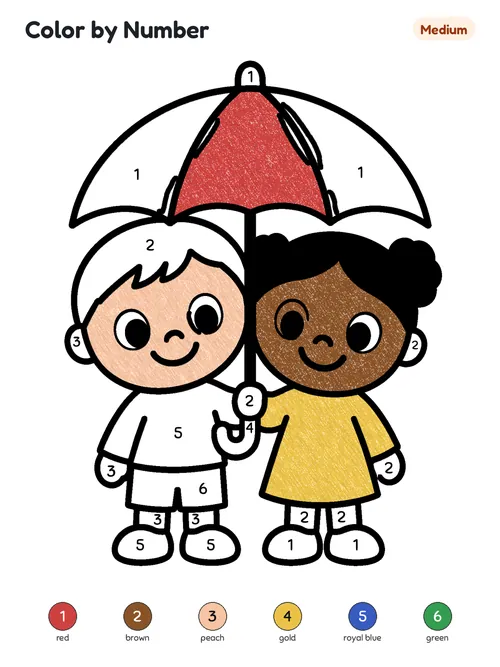
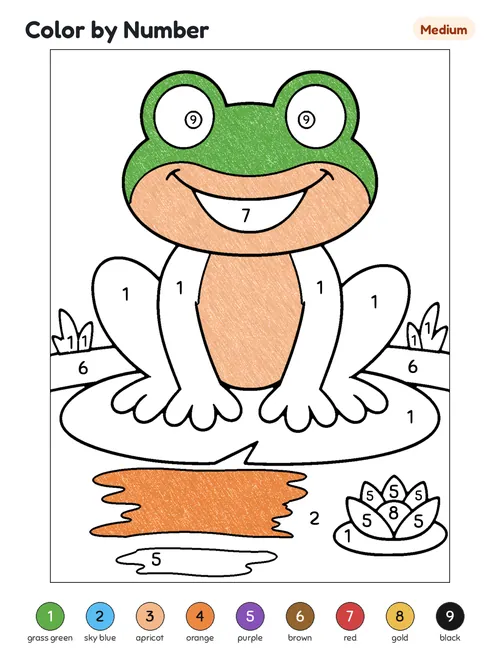
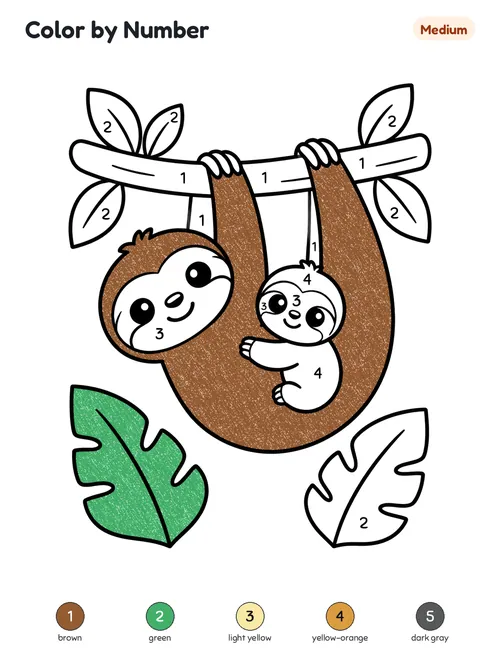
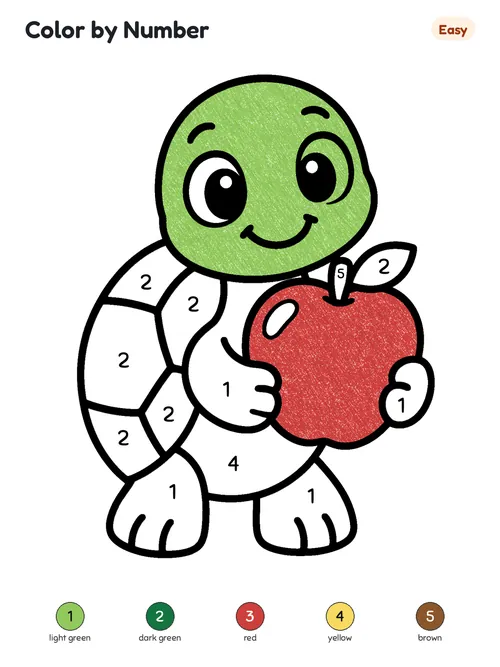
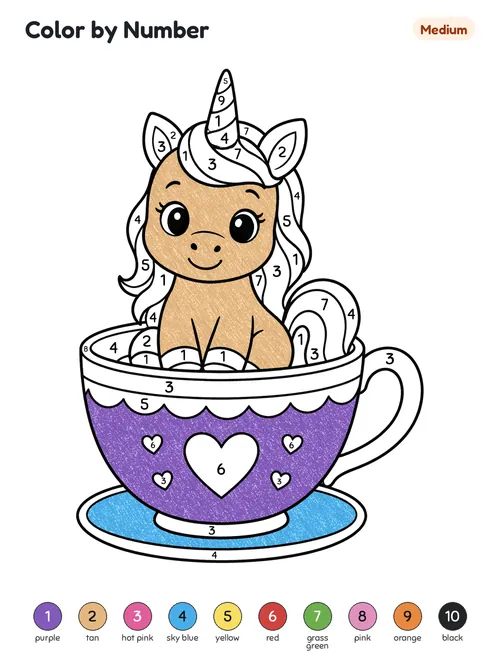
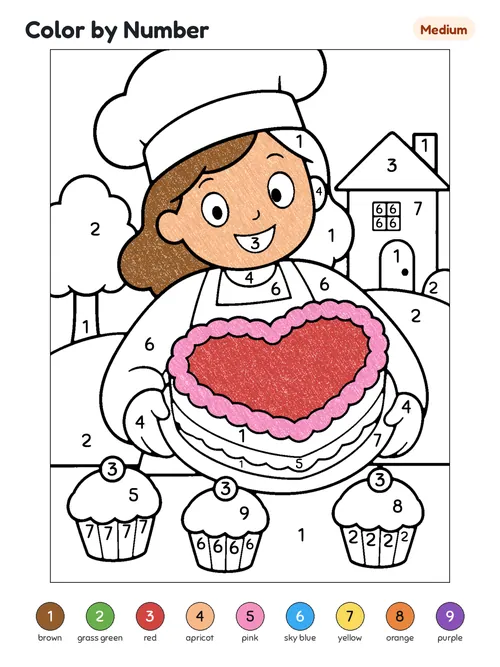
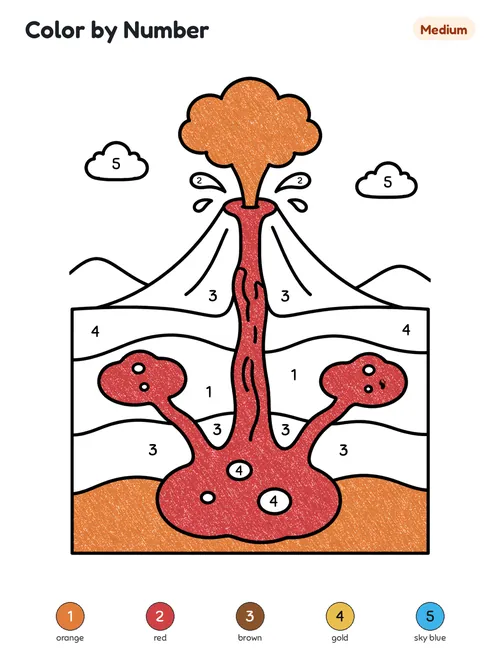
Groundhog Day color by number pages
Shadow or early spring on February 2? Celebrate with 26 Groundhog Day color by number pages: 9 easy pages for preschool with bold lines, 13 medium pages and 4 advanced pages for teens and adults.
PDF paper size:
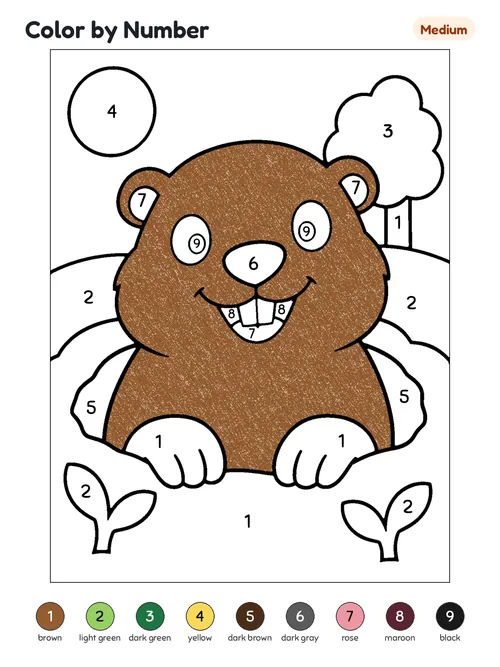
Easy 9 pages · ages 3 to 6


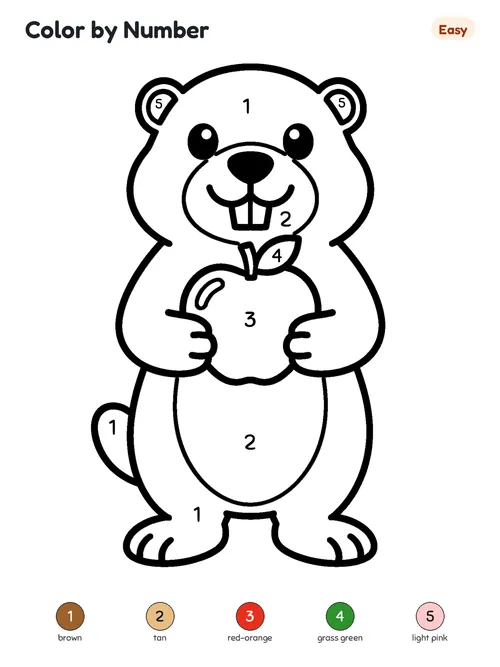

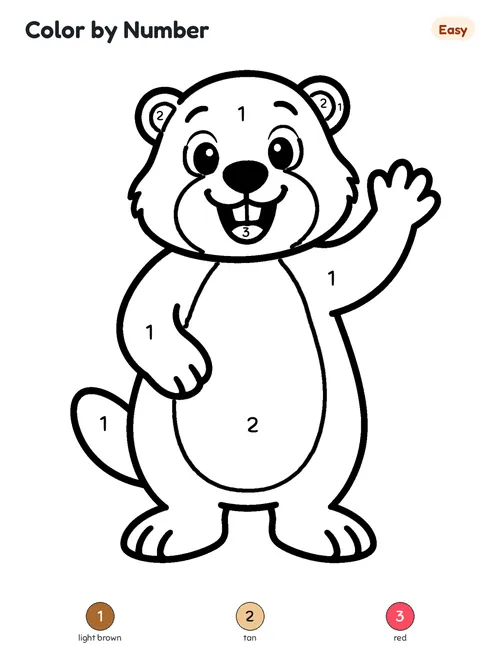

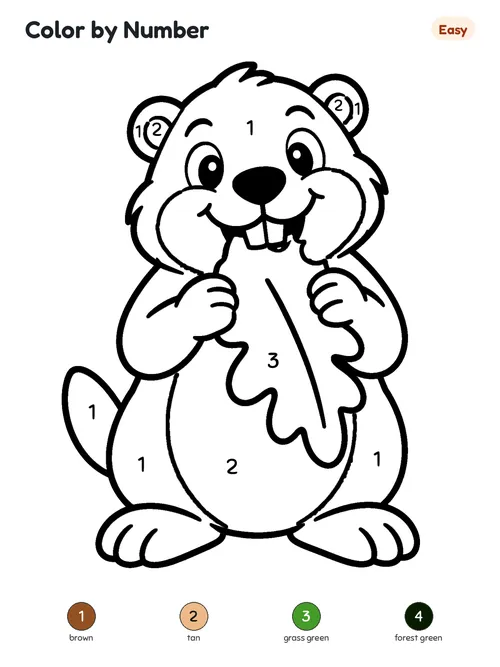


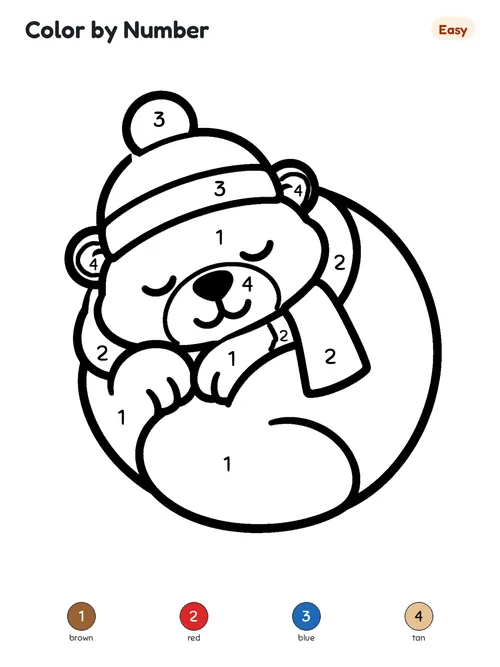


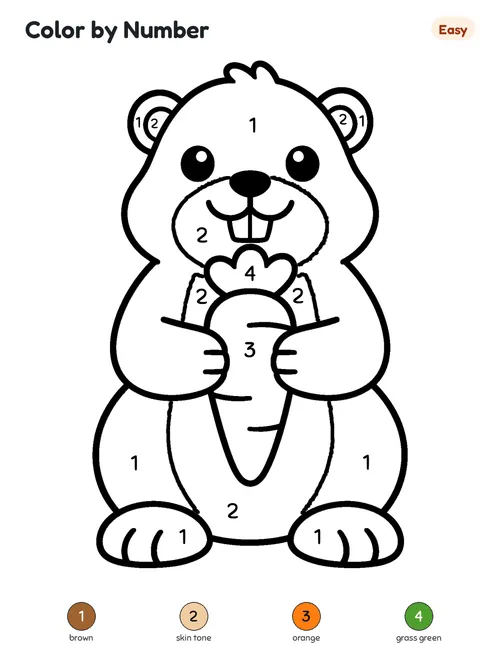


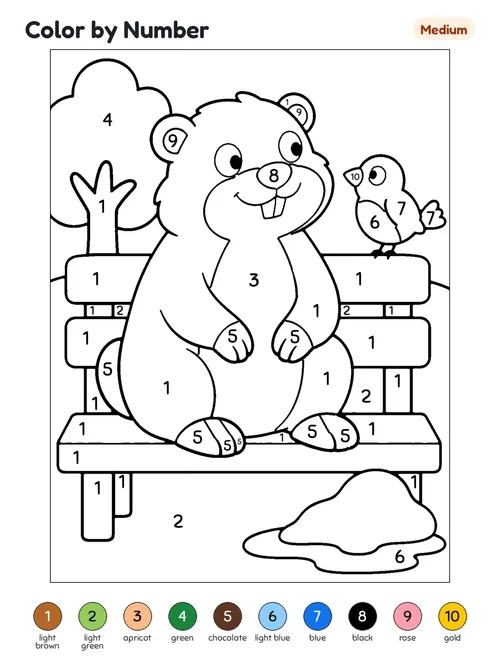
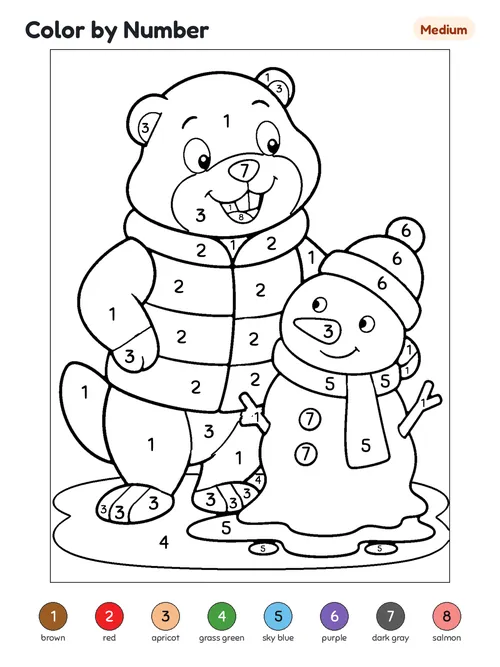
Medium 13 pages · ages 5 to 8
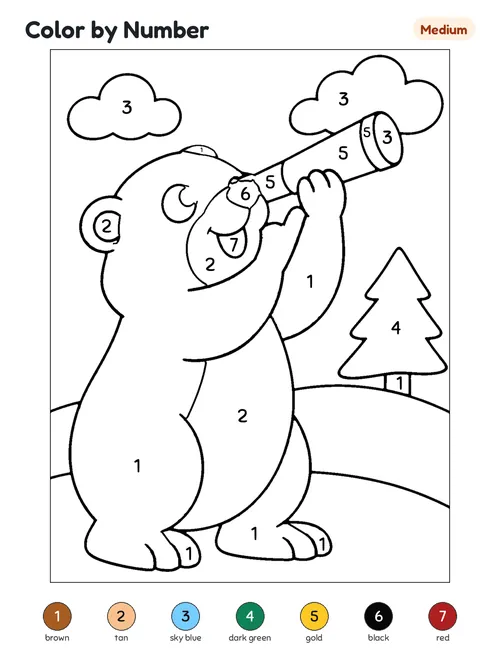


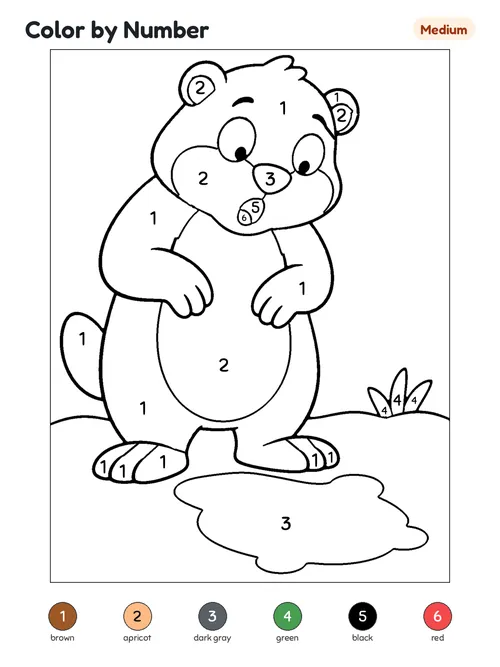


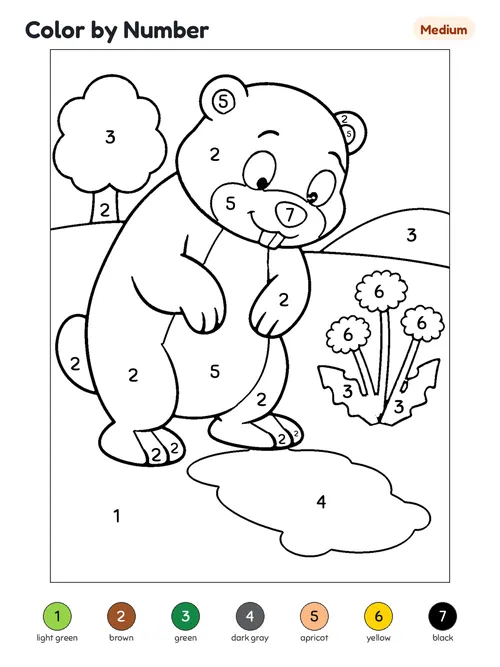


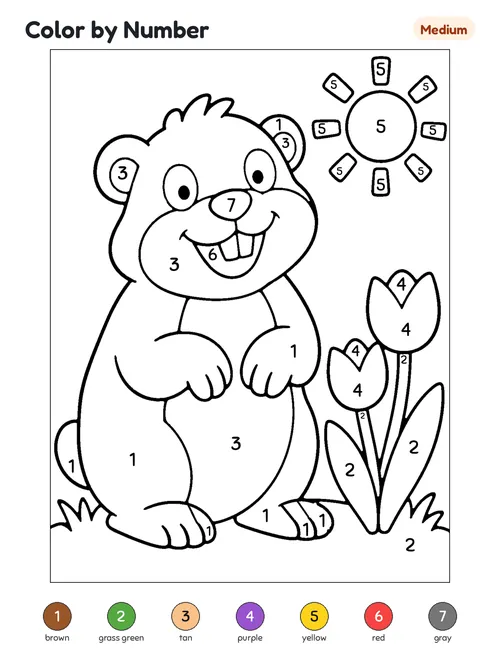

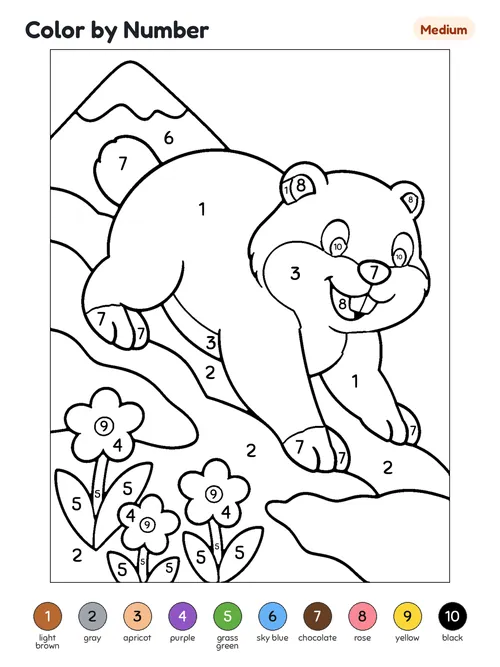




Advanced 4 pages · teens and adults



The February 2 shadow tradition
Groundhog Day arrives right in midwinter on February 2. According to the old folk tradition, if a groundhog sees its shadow, winter lasts six more weeks; if not, spring arrives early. Crowds still gather around the famous groundhog in Punxsutawney, Pennsylvania, even though folklore is not weather science.
Coloring gives kids a playful way to cast their own morning votes before checking the news from Pennsylvania. Every sheet downloads as a free PDF with a color key. You can also browse our full color by number collection if your class wants extra winter themes.
Turning February 2 into a shadow lesson
A simple flashlight experiment pairs well with a groundhog color by number activity to show how shadows actually form. Students test light angles with paper cutouts first. Then they color the groundhog and his shadow sheet, where a surprised stance and a dark shadow on snow make the contrast click.
After coloring, ask students to check whether the sky outside is cloudy or sunny and compare predictions across the room. That quick tally turns folklore into real classroom observation.
Burrows, hibernation, and waiting for spring
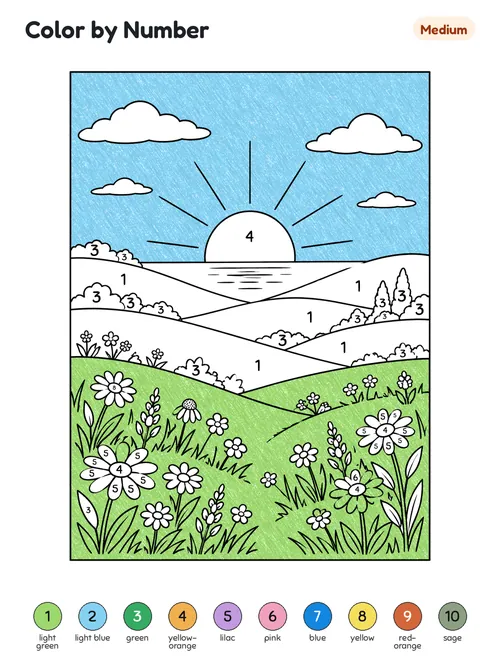
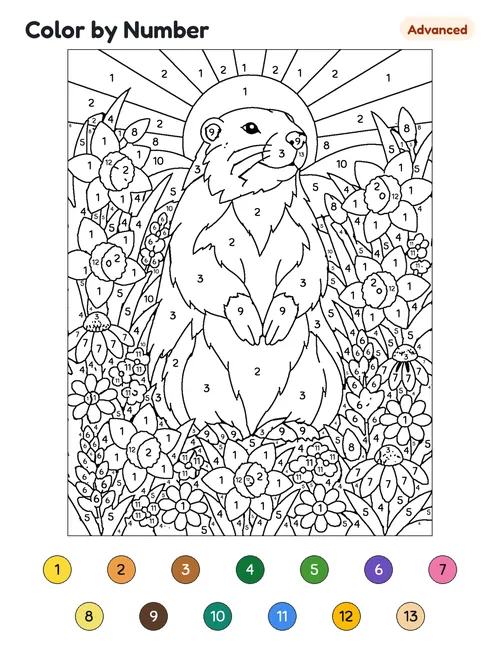
Real groundhogs spend winter asleep in underground burrows, so these palettes pair earthy burrow browns with crisp snow and bright yellow. For example, simpler shapes around the daffodil on the groundhog and spring flower page reward steady crayon grip. Trickier detail shows up on the seasons transition groundhog page, where frost patterns meet small spring blossoms.
Talking about hibernation explains why the holiday centers on an animal waking from its winter rest. Depending on the linework you want, browse our easy preschool pages with bold lines or try our advanced pages for adults with finer detail. Either way, bright spring hues help lift midwinter gloom.
Questions about Groundhog Day color by number
Is the Groundhog Day shadow forecast based on real weather science?
No, the February 2 prediction is a folk tradition rather than meteorology. The famous groundhog in Punxsutawney, Pennsylvania draws a crowd each winter, yet its shadow cannot predict six more weeks of cold or an early spring. Real groundhogs simply hibernate in underground burrows until temperatures rise.
How can kids keep brown groundhog fur, dirt burrows, and dark shadows clear?
Colored pencils make it easier to separate similar browns on fur and dirt burrows without covering the printed numbers. For shadow scenes on snow, light strokes keep dark shades crisp beside bright areas. Coloring small spring blossoms first also helps prevent smudging across lighter snow sections.
How does a Groundhog Day coloring activity fit into a February 2 shadow lesson?
Start by letting students vote on six more weeks of winter or early spring, then step outside at noon to trace shadows on the sidewalk with chalk. Quiet coloring afterward gives children time to reflect on how sunlight moves while reinforcing number matching at their desks.