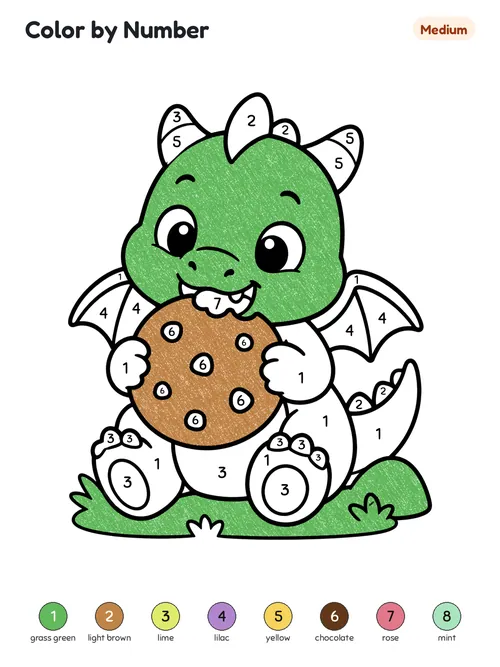
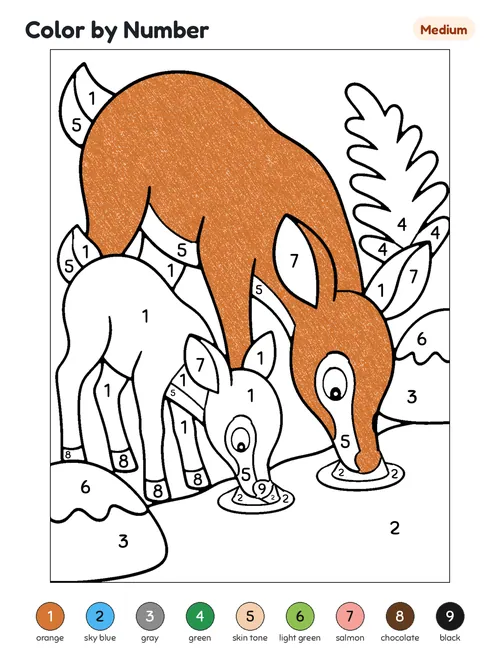
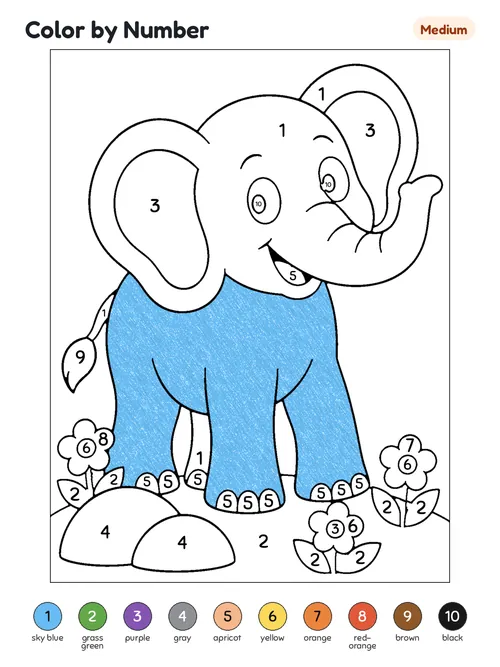
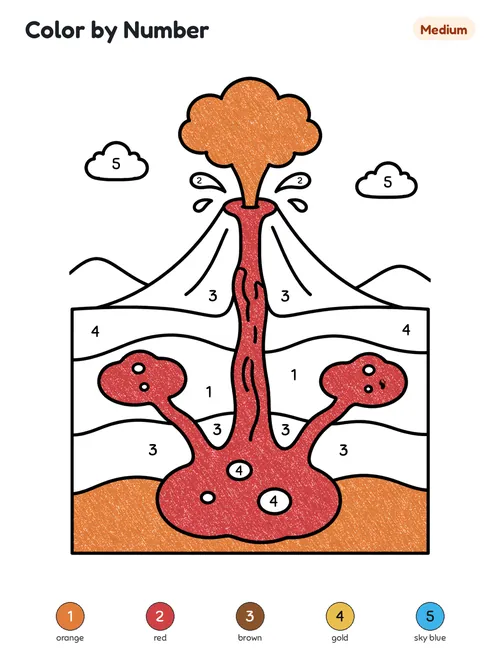
Nature Color by Number Pages
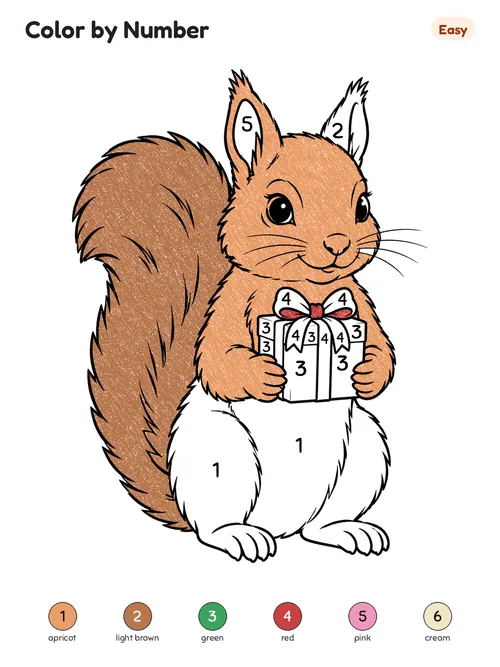
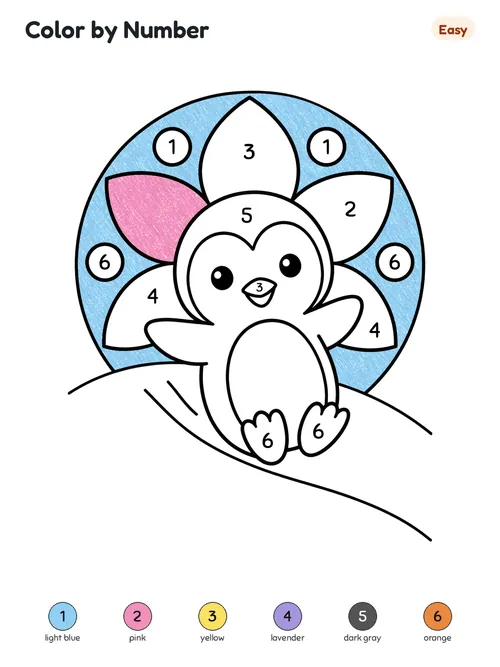
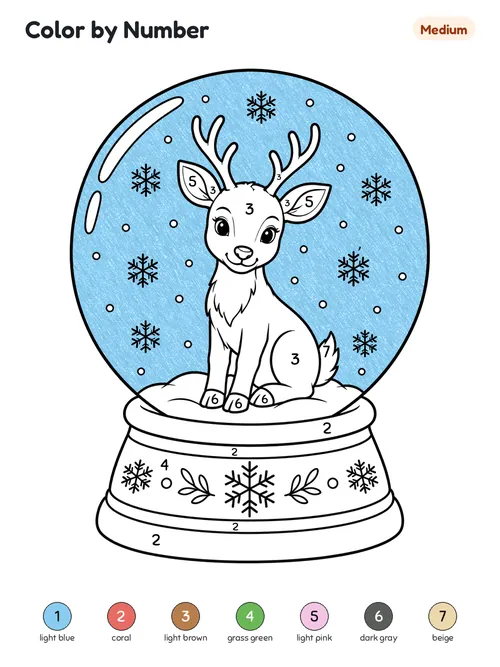
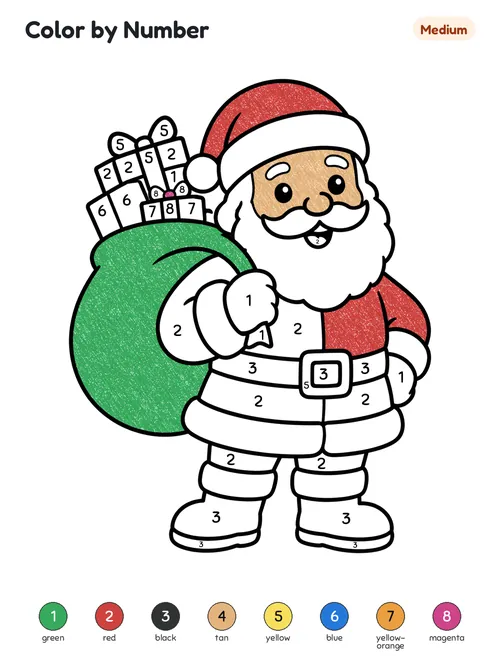
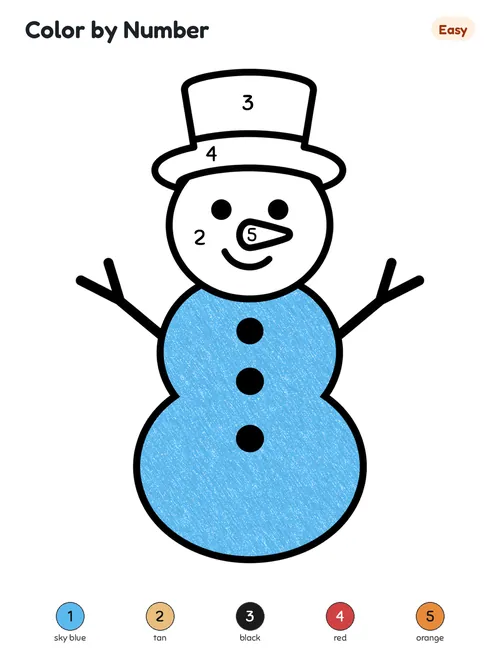
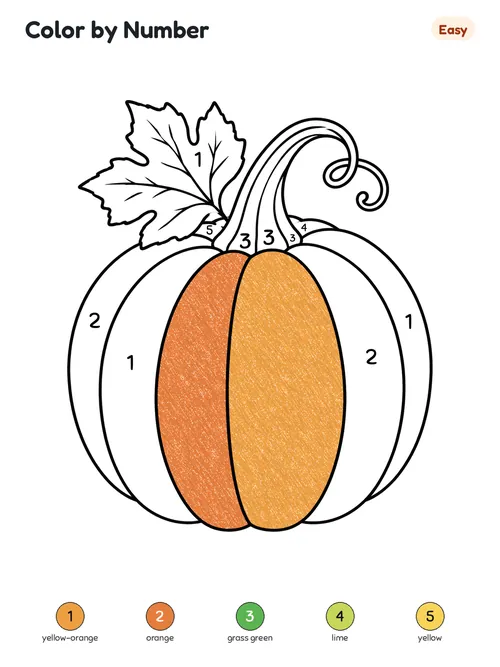
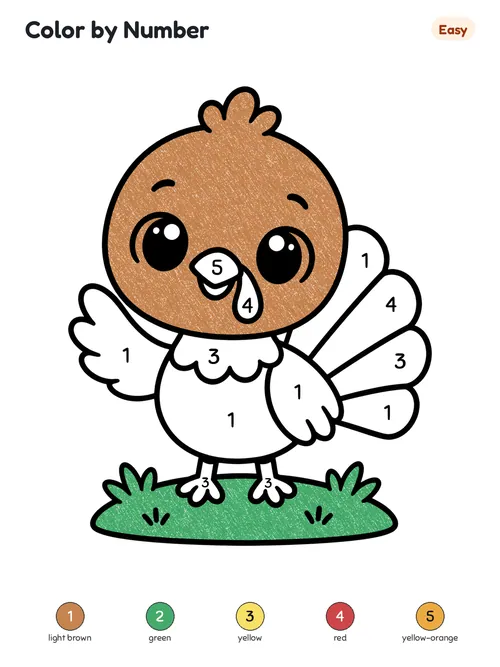
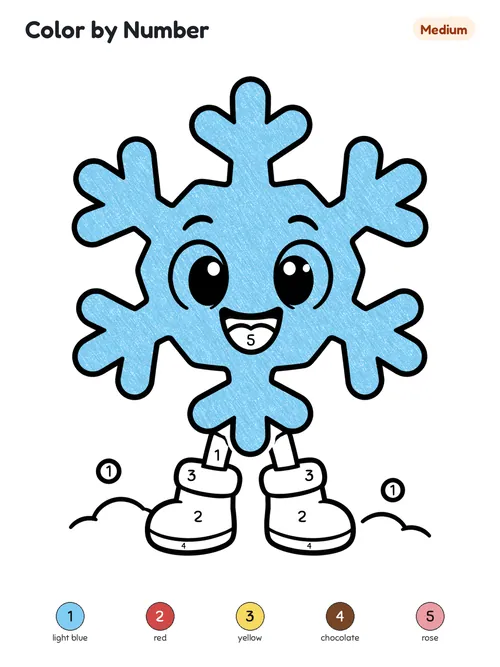
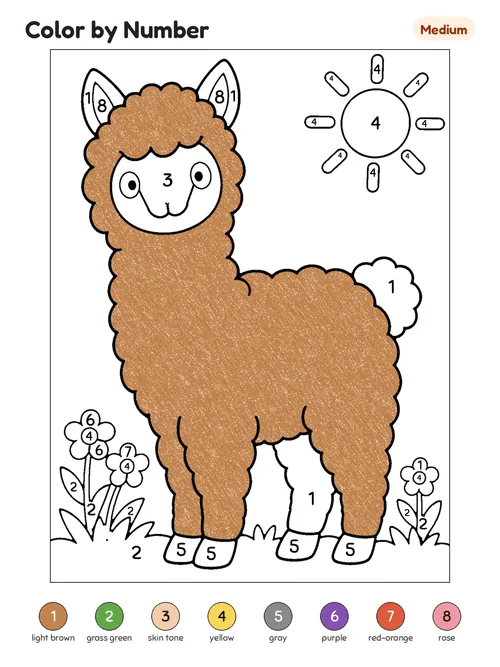
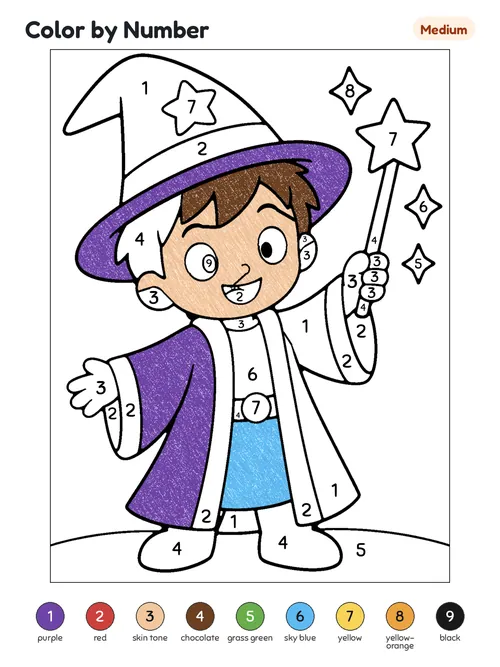
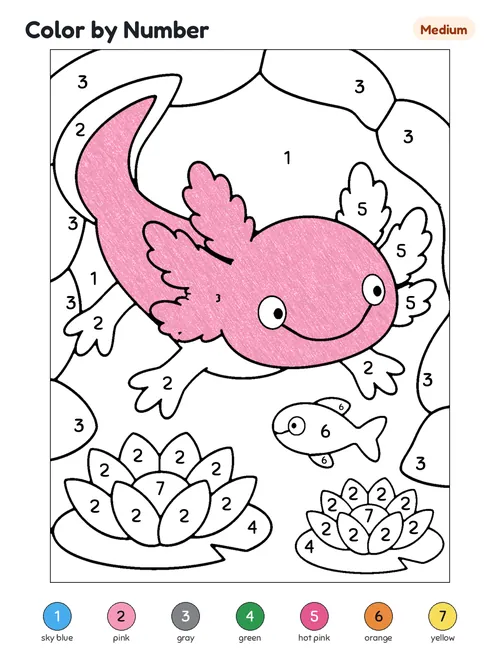
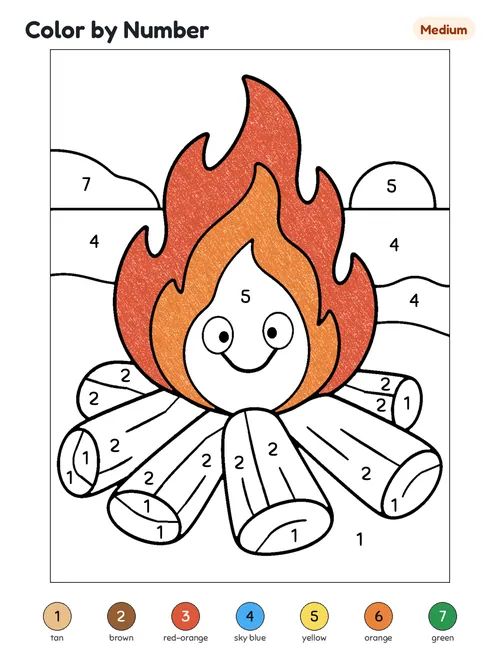
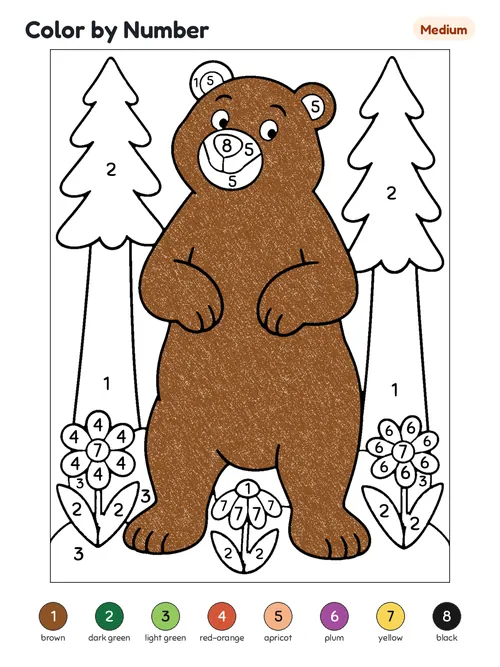
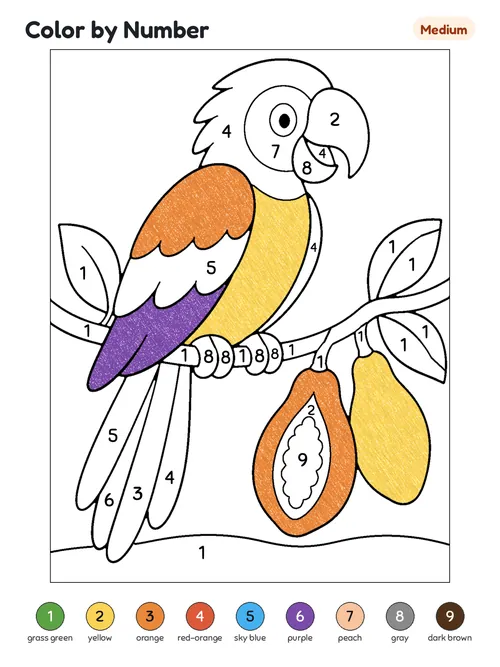
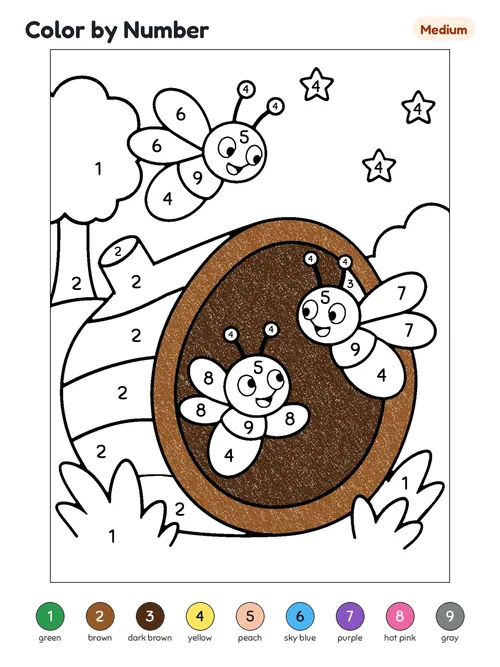
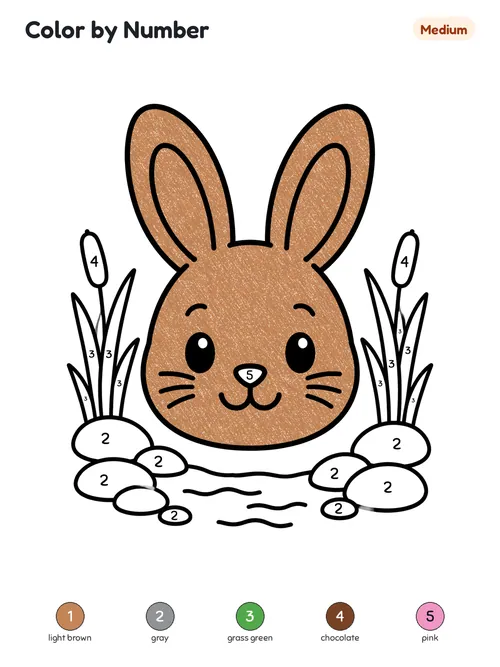
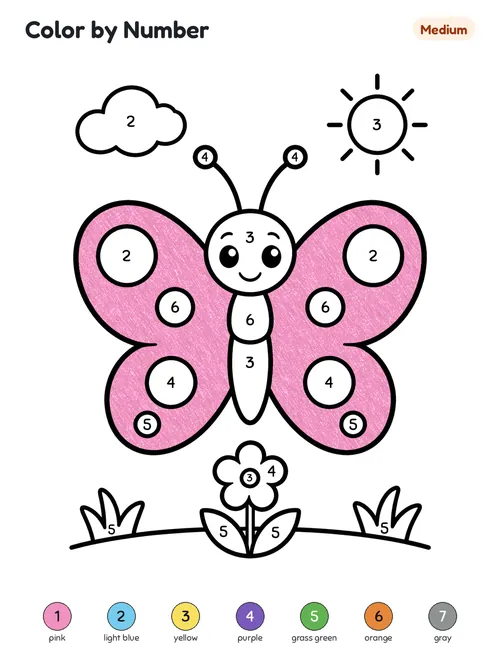
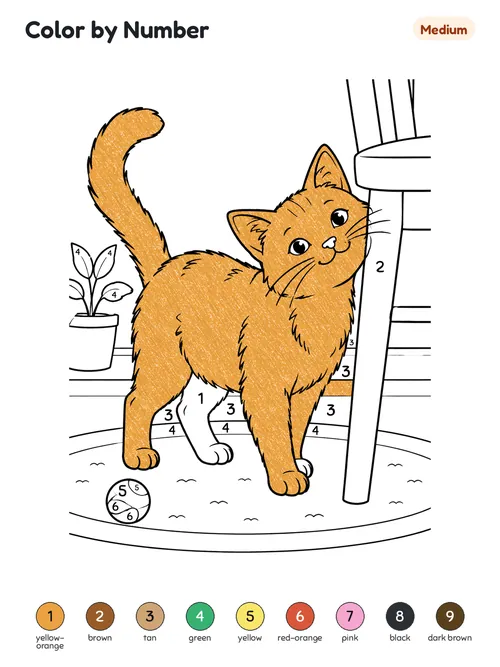
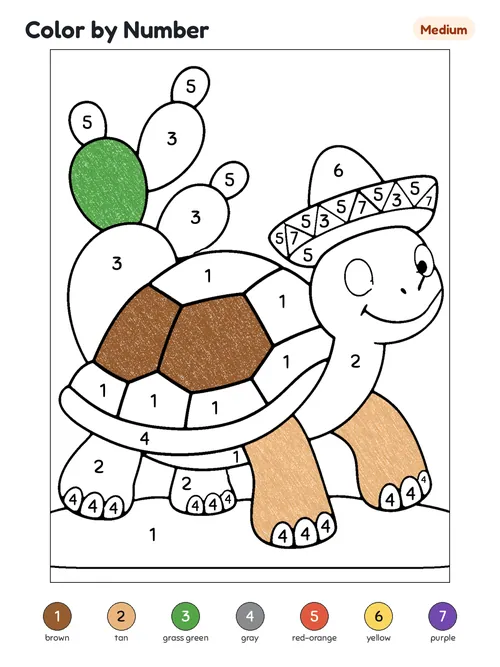
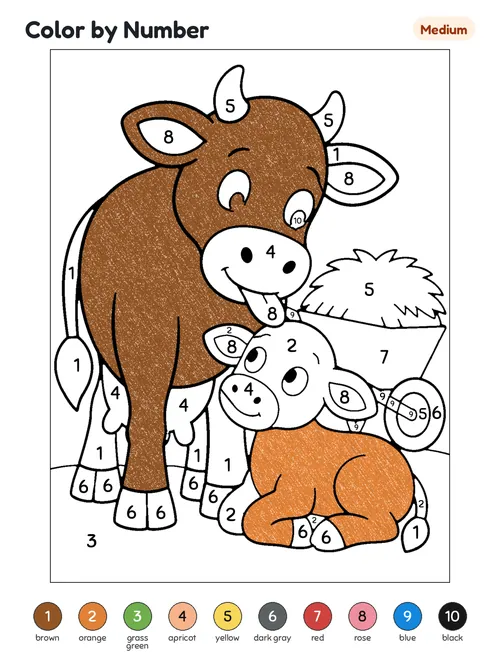
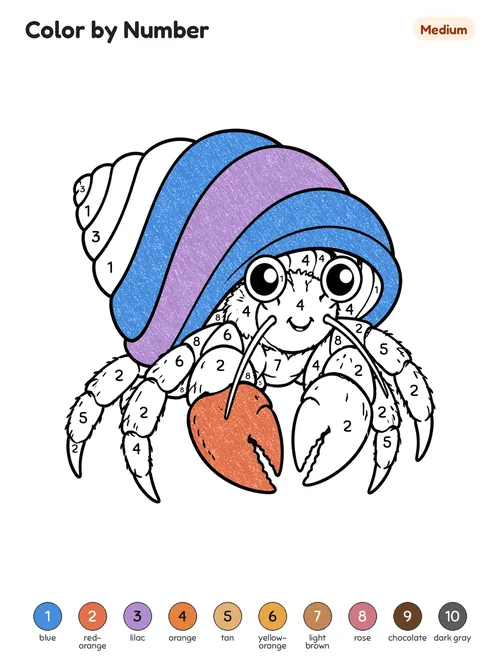
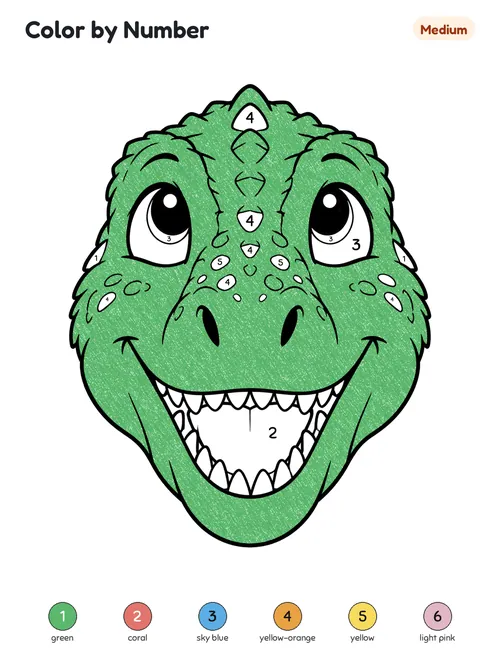
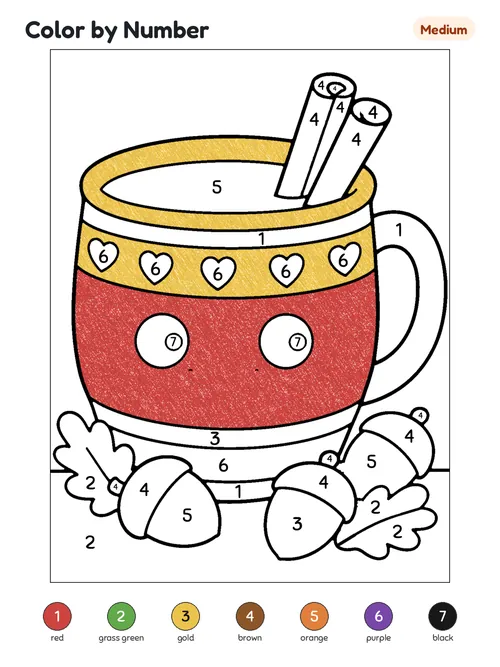
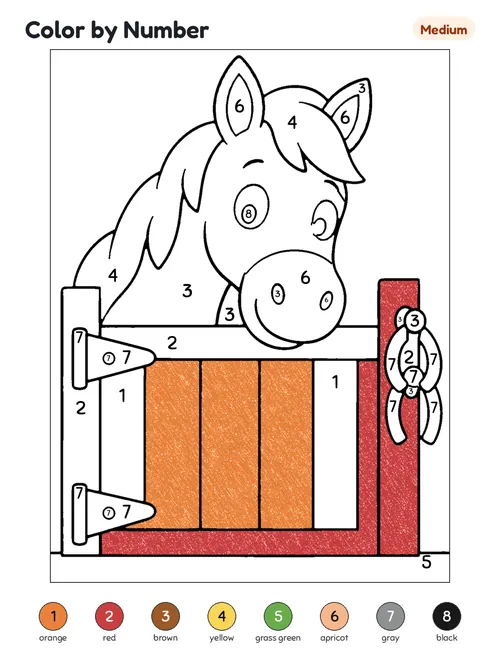
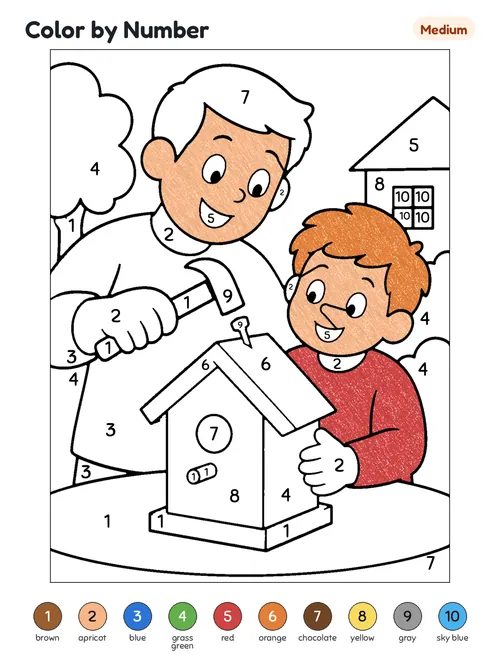
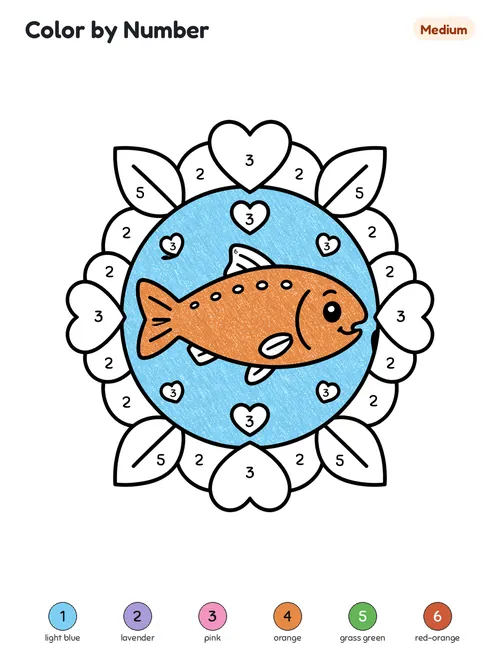
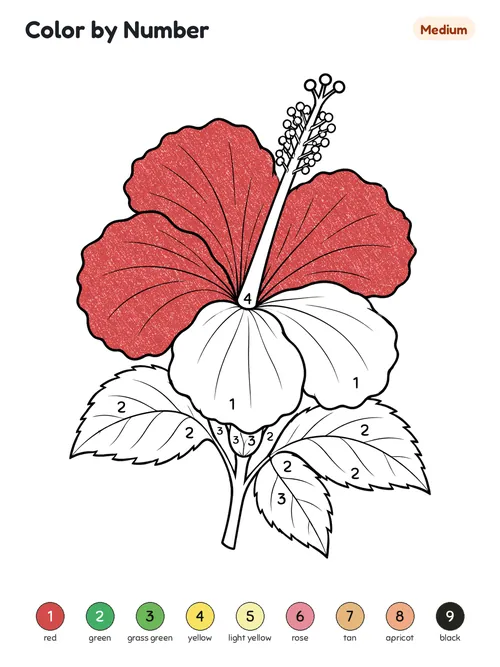
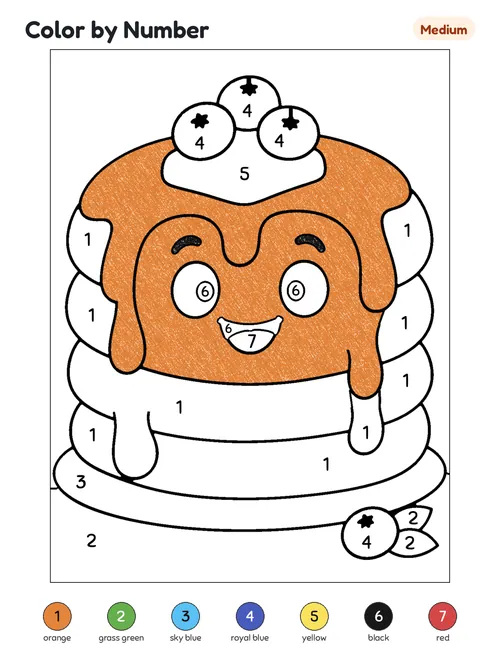
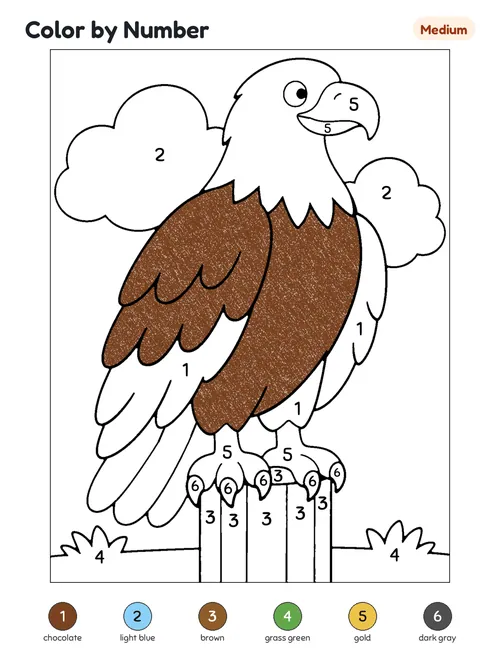
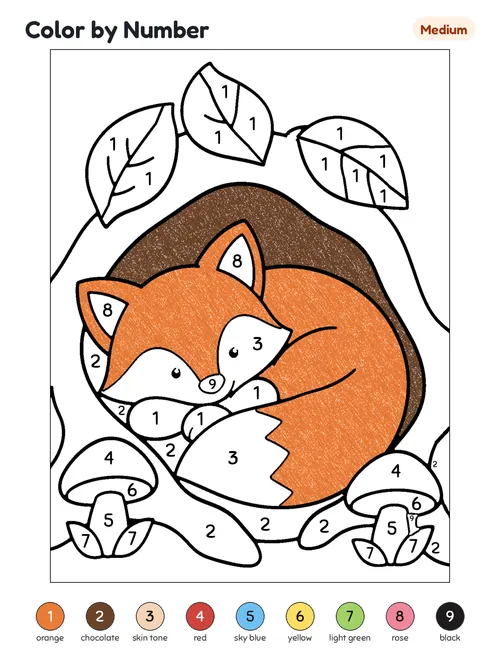
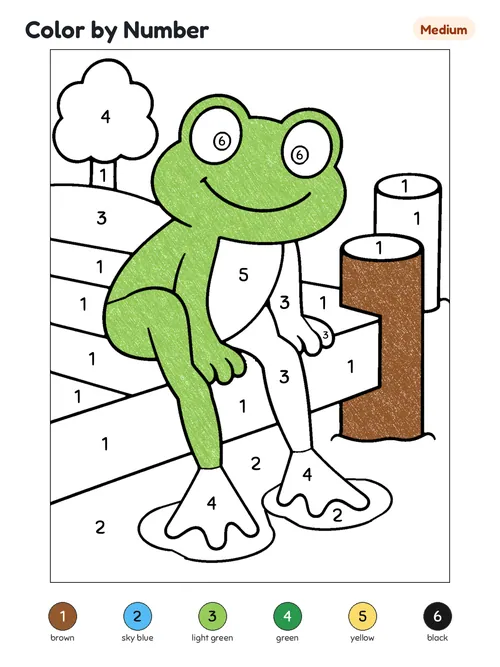
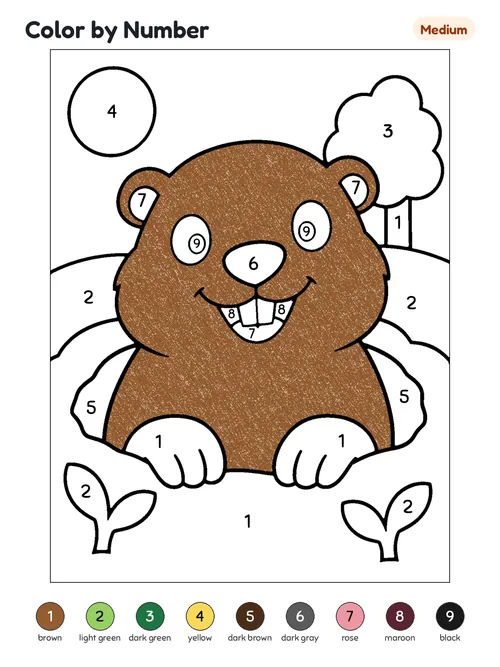
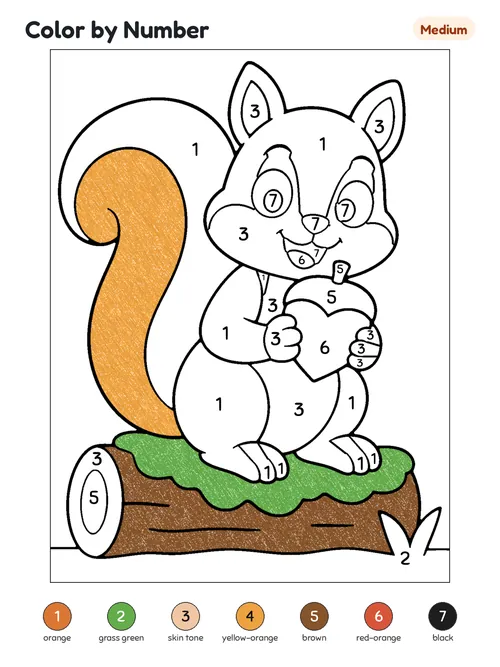
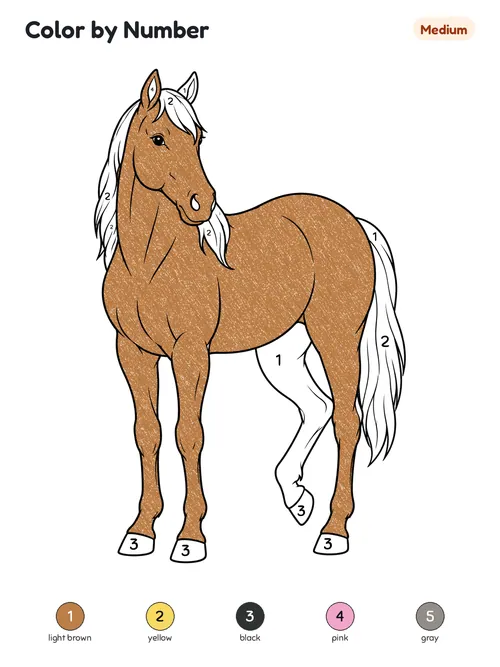
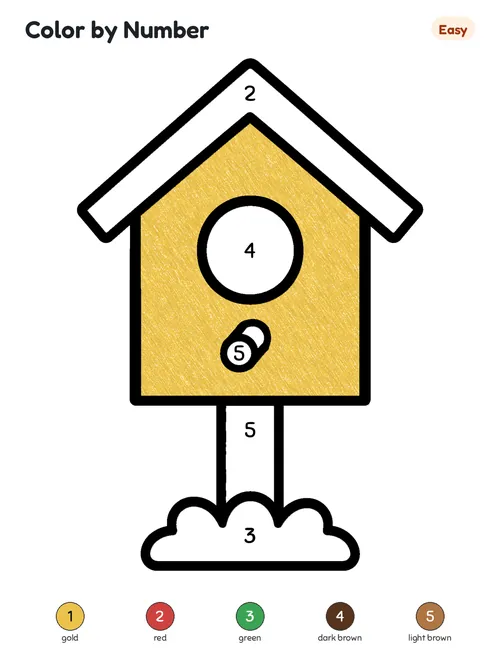
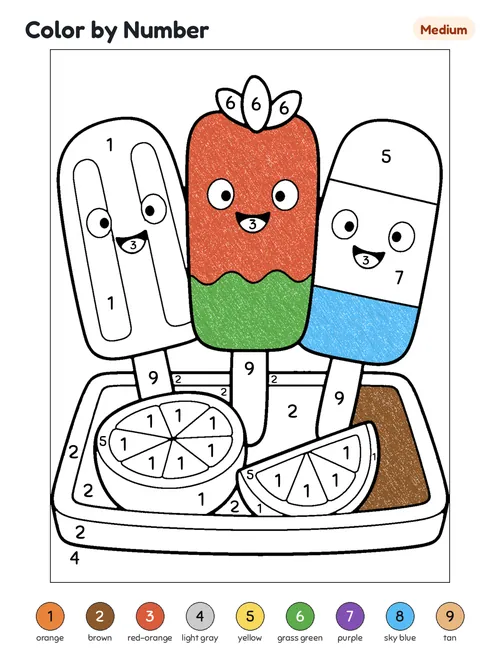
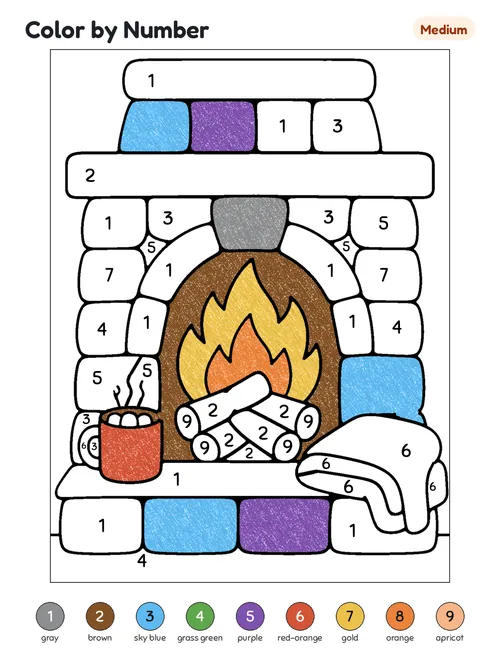
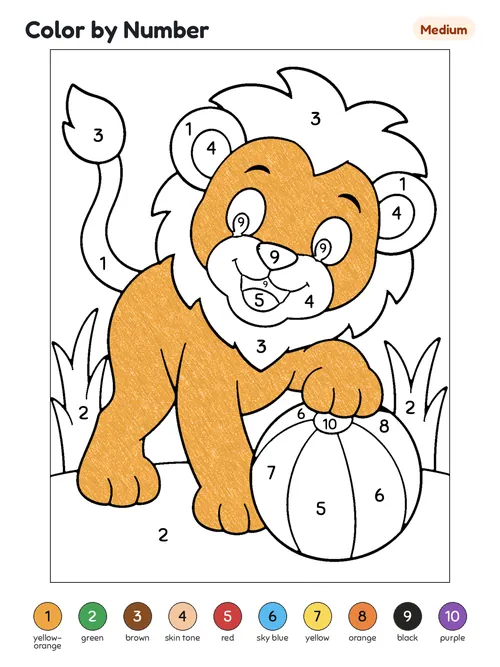
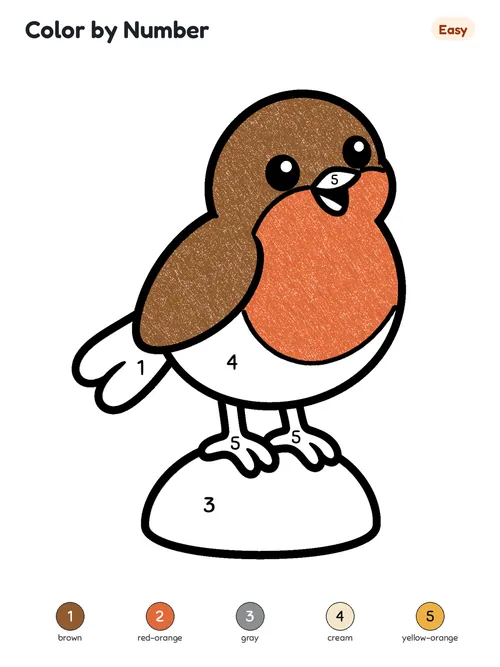
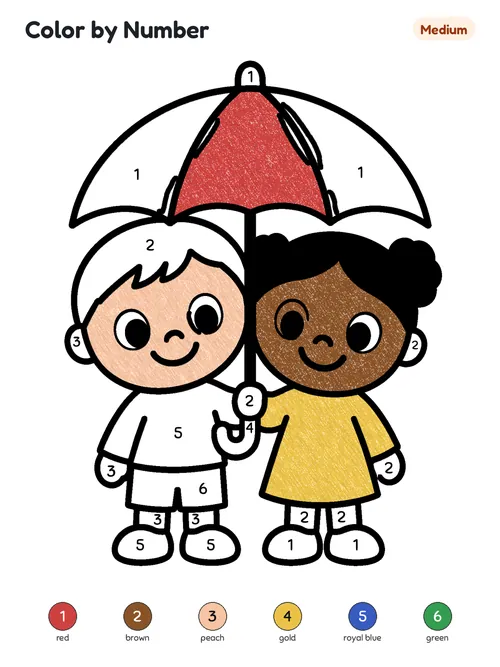
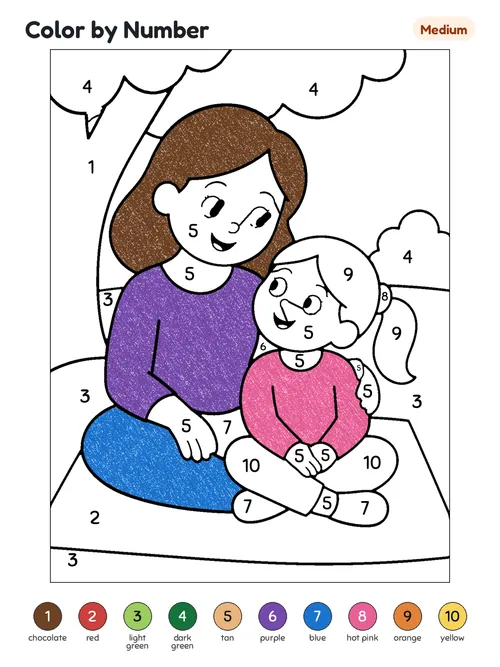
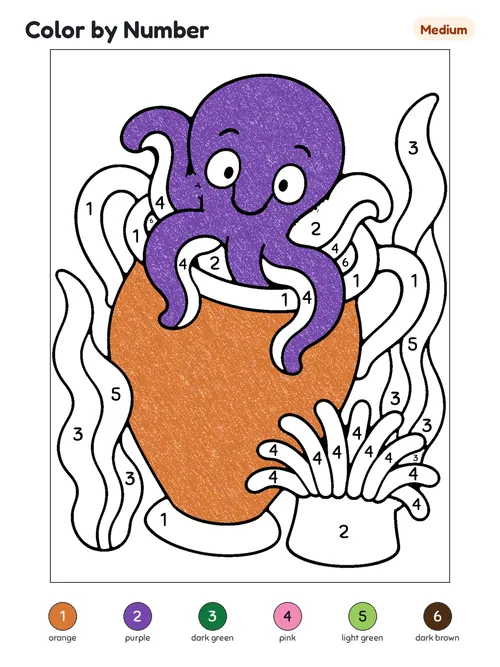
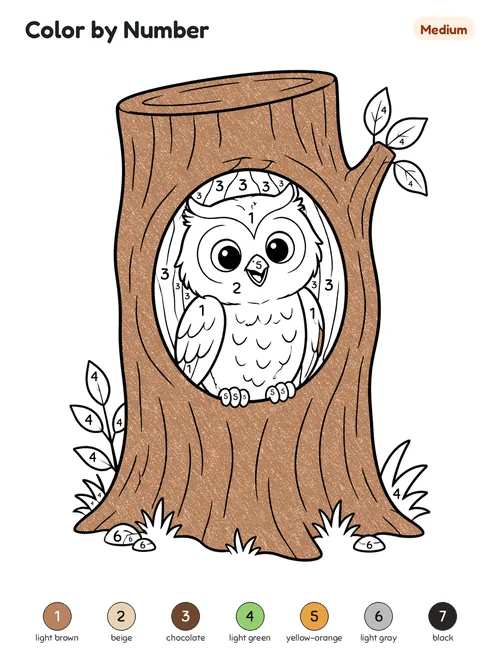
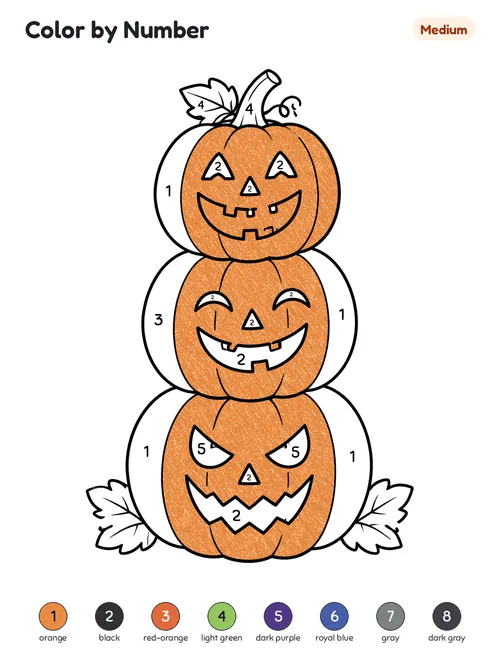
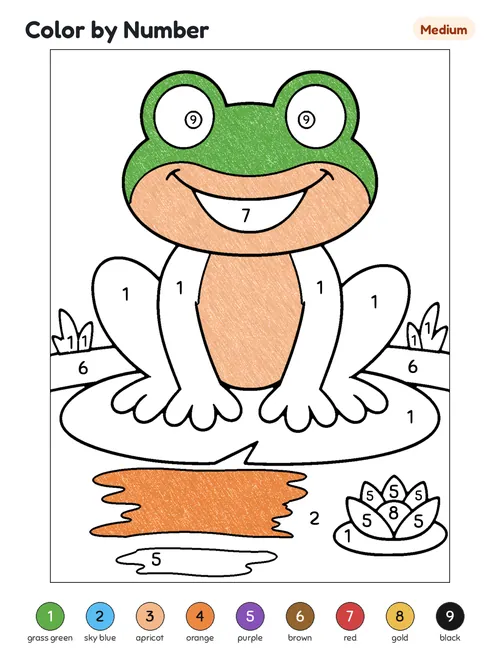
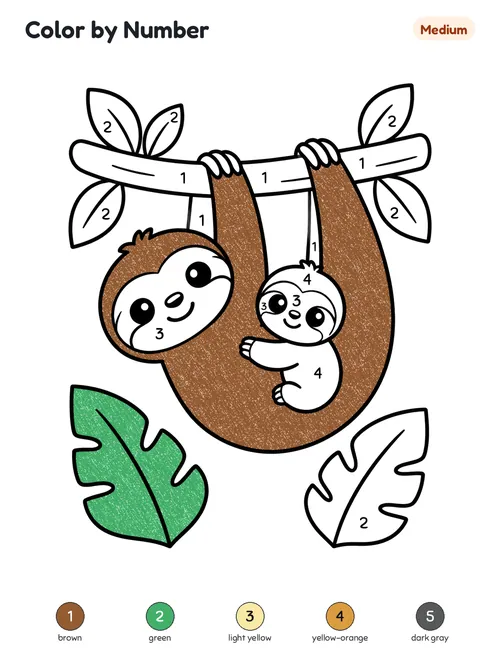
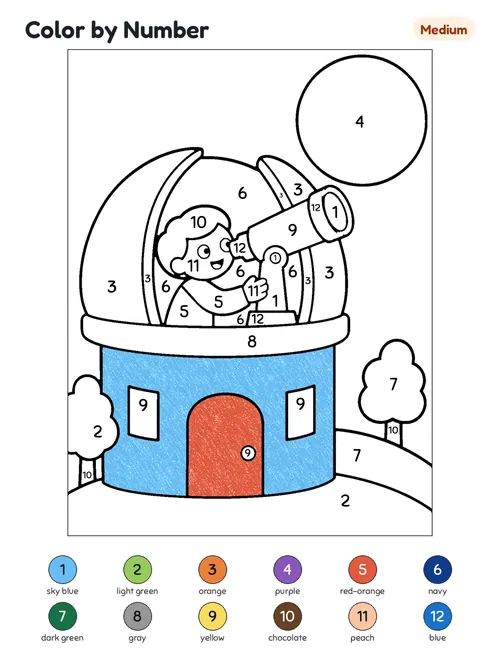
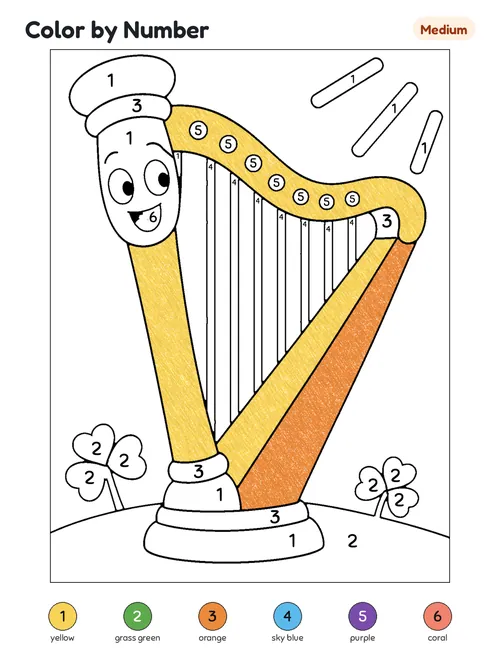
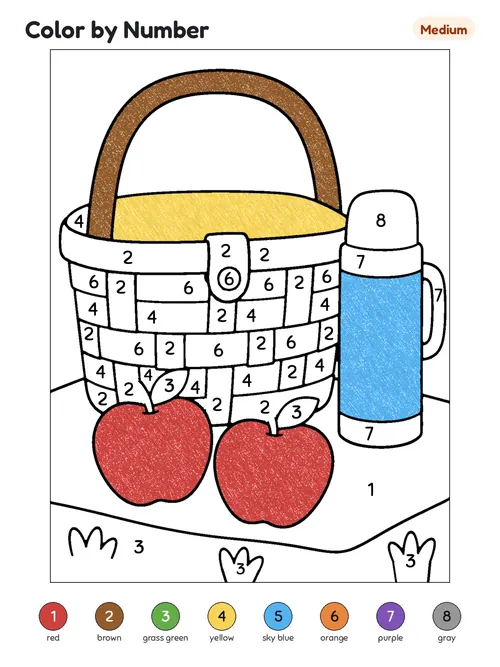
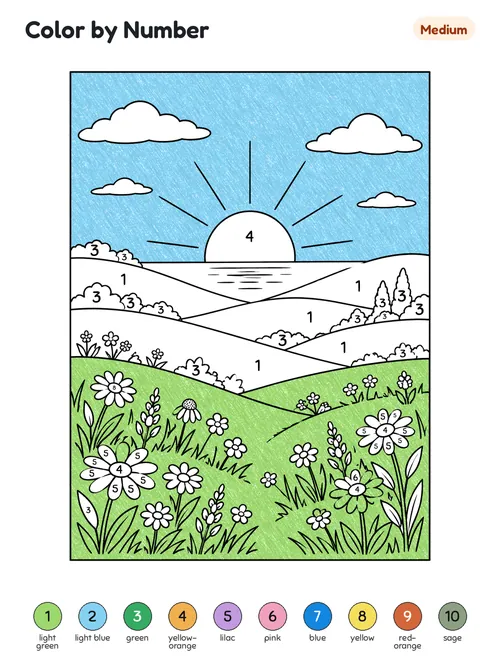
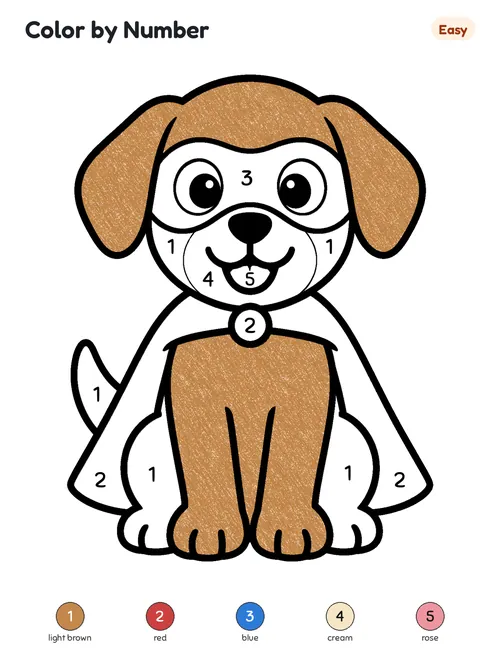
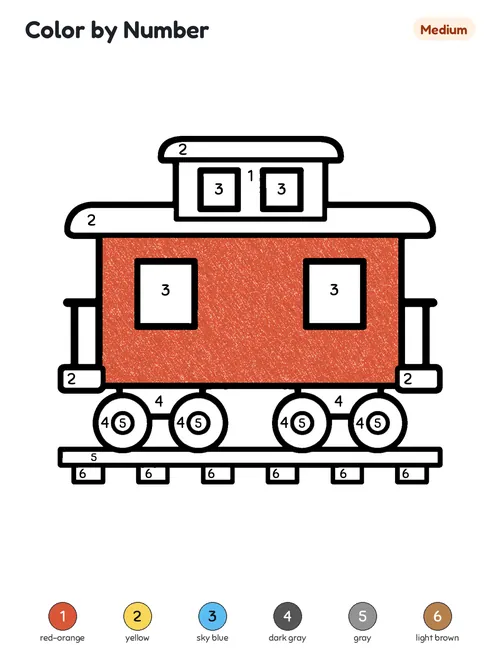
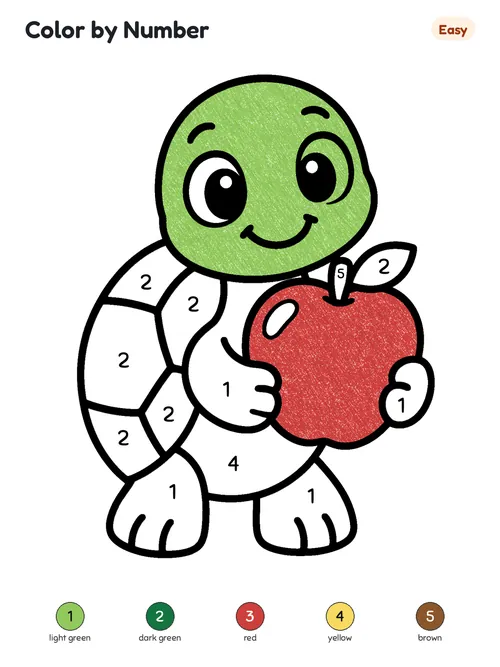
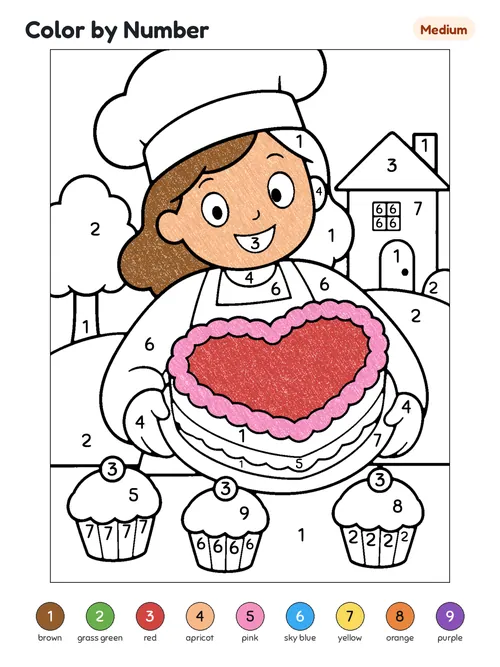
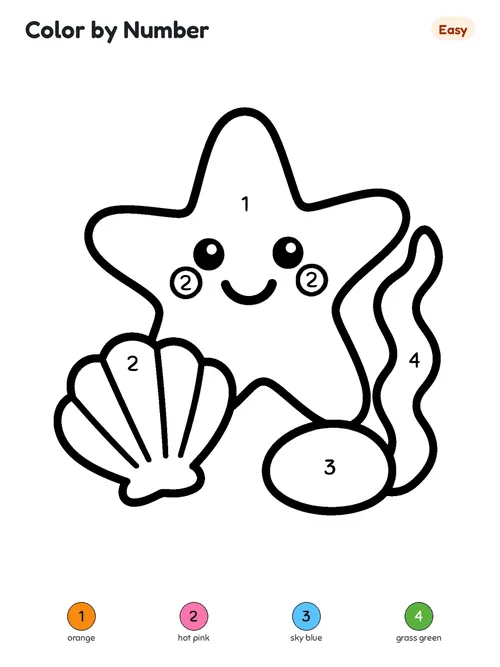
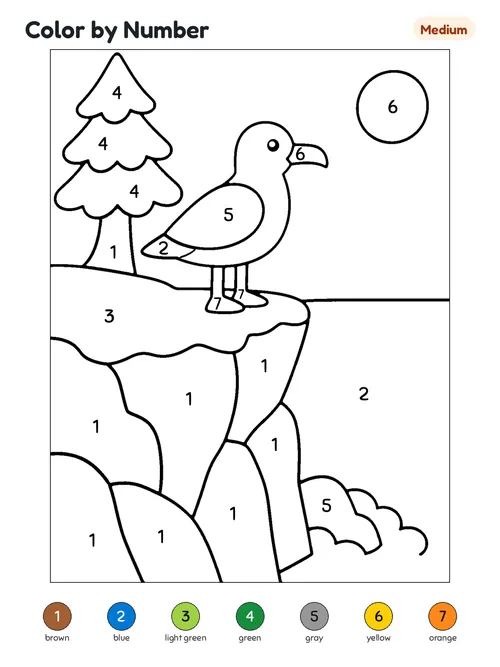
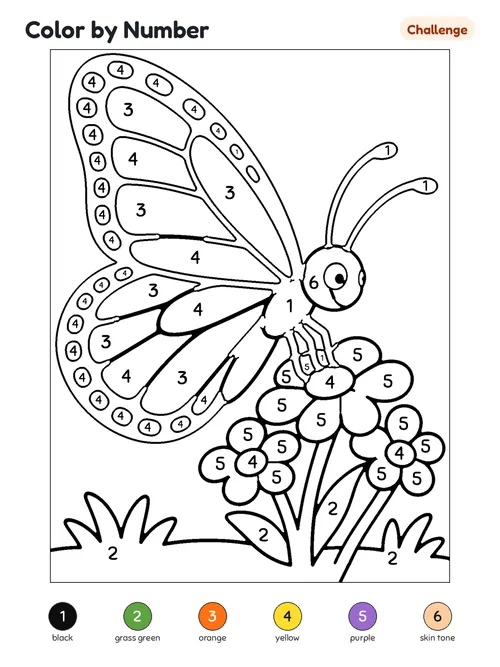
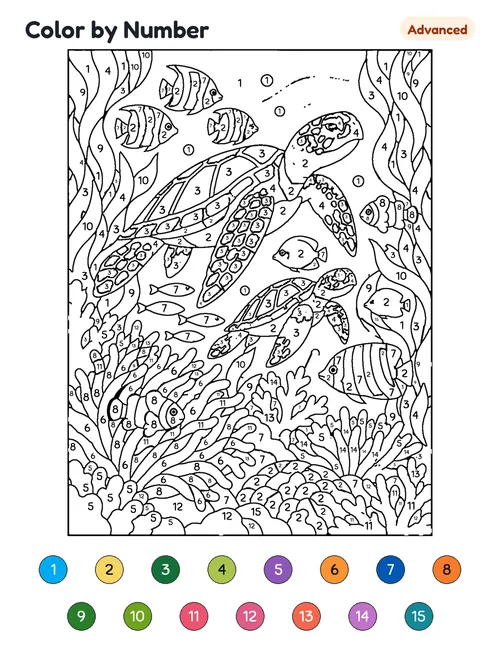
Quiet trails, sunny meadows, and mountain streams come together in 21 nature color by number pages: 8 easy pages for preschool with bold lines, 7 medium pages, 2 challenge pages, and 4 advanced pages for teens and adults.
PDF paper size:
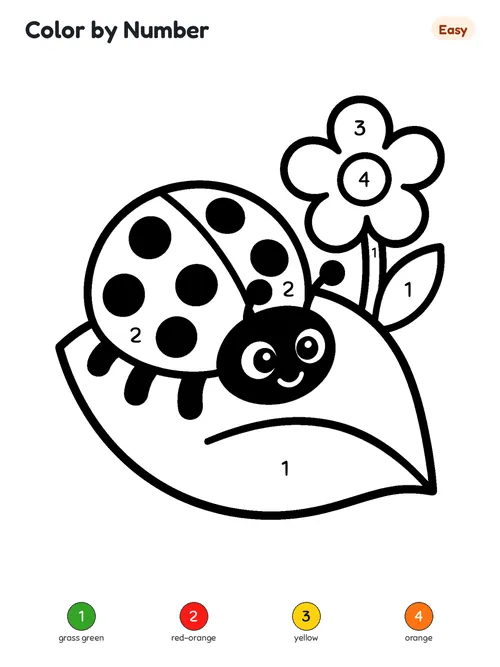
Easy 8 pages · ages 3 to 6






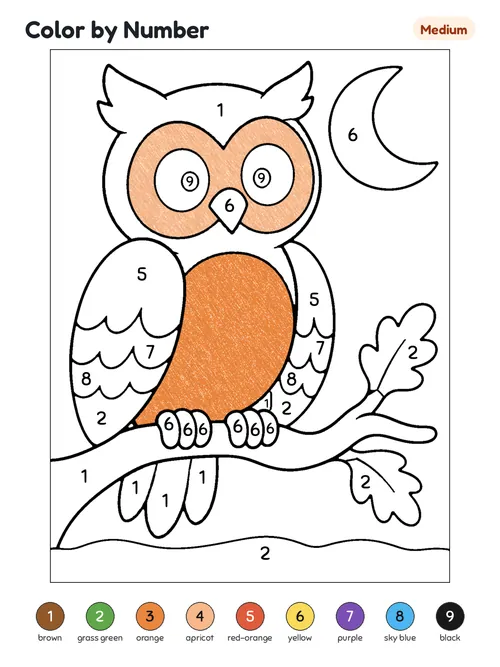
Medium 7 pages · ages 5 to 8




Challenge 2 pages · ages 7 and up



Advanced 4 pages · teens and adults




Bringing nature walks into a nature journal
Children come home from outdoor walks full of observations. Tape a finished page into a simple nature journal beside pressed leaves, bark rubbings, or short notes from the trail. Printable color by number nature sheets turn that outdoor curiosity into calm table time.
Younger children do well with the cheerful big sunflower, whose smiling face, round petals, and green leaves have no background clutter. Switch to regular nature coloring pages when they want to choose their own shades. More easy preschool pages help early learners practice steady strokes.
Using outdoor scenes in a science unit
This collection spans woodlands, deserts, coasts, and alpine peaks. That variety supports a classroom habitat science unit, letting students compare forest animals, sunflowers, and waterfalls across different ecosystems. Every page is a free printable PDF, and teachers can download a full answer key page.
Those tight spaces build real focus and patience. In the forest floor sanctuary, realistic mushrooms, ferns, creeping moss, and a salamander give older students and adults rich detail to shade.
Coloring natural palettes of green, brown, and blue
Outdoor scenes rely on greens, browns, and blues. Sort similar shades first so pine needles, moss, and meadow grass stay easy to tell apart on the page. Colored pencils handle tiny rocks and mushrooms cleanly, while crayons fill wide skies quickly.
Light pressure softens water and sky before darker strokes anchor tree trunks and bark. Save bright yellows and purples for blooming accents, or add flower color by number pages when kids want more blossoms. Steady shading keeps every natural scene balanced.
Questions about Nature color by number
Why do woodland mushrooms often grow near tree roots and fallen logs?
Mushrooms grow from underground threads called mycelium that break down dead wood and fallen leaves into rich soil. Many woodland fungi also partner with tree roots, trading water and soil minerals for plant sugars. Shady forest floors stay damp longer, which helps their caps form after rain.
How can kids keep several shades of green and brown distinct in forest and mountain scenes?
Test every green and brown pencil on scrap paper first to rank them from pale to deep. Put bright lime tones on sunlit leaves and darker forest green on pine trees. Setting warm tan beside rich bark brown keeps layered cliffs, trunks, and moss clear.
How do outdoor coloring sheets fit into a nature journal after a neighborhood walk?
Glue a completed sunflower, mushroom, or forest animal page onto the left side of a notebook and reserve the facing page for field notes. Kids can tape a pressed leaf beside it, record the weather, and list insects or birds they spotted outside.