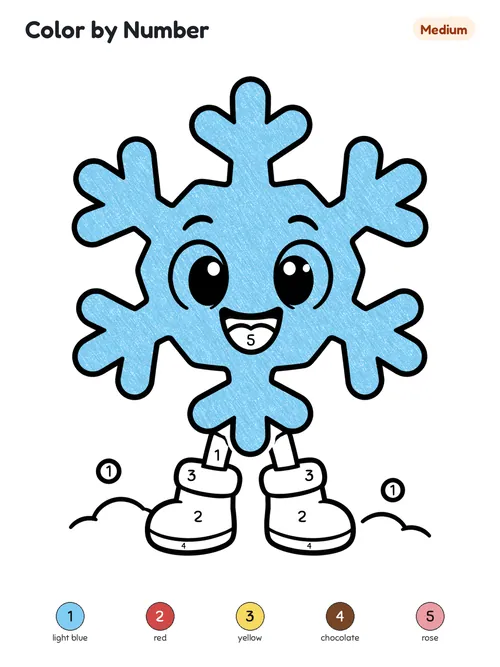
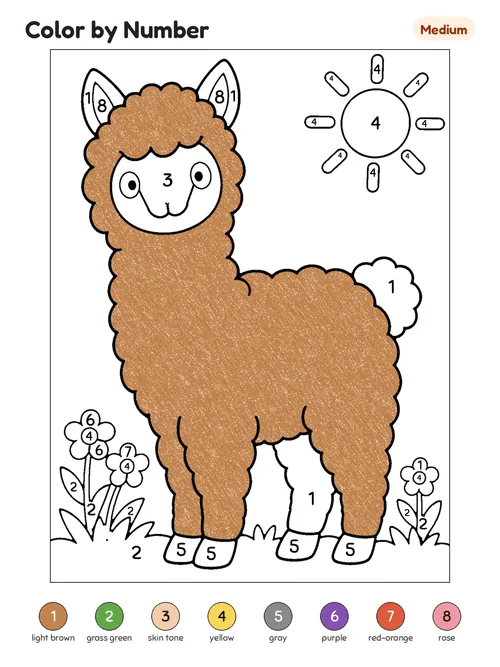
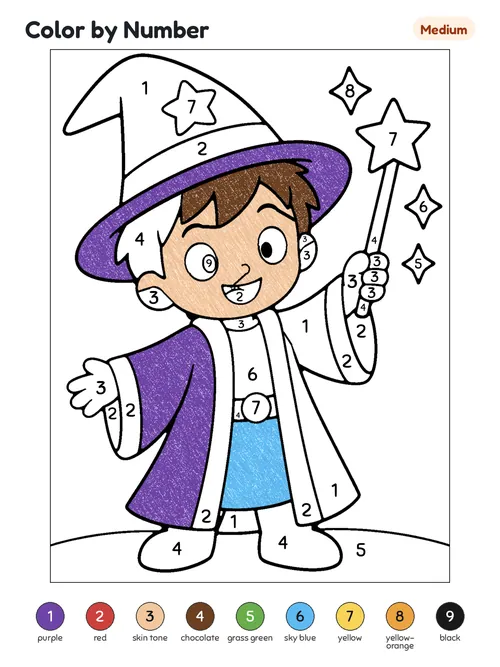
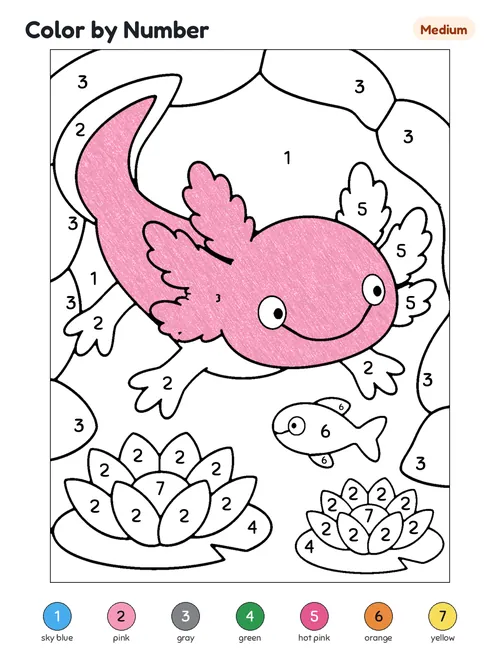
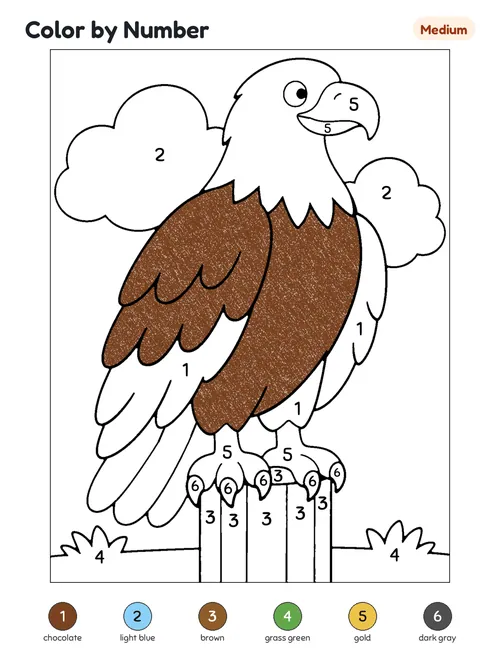
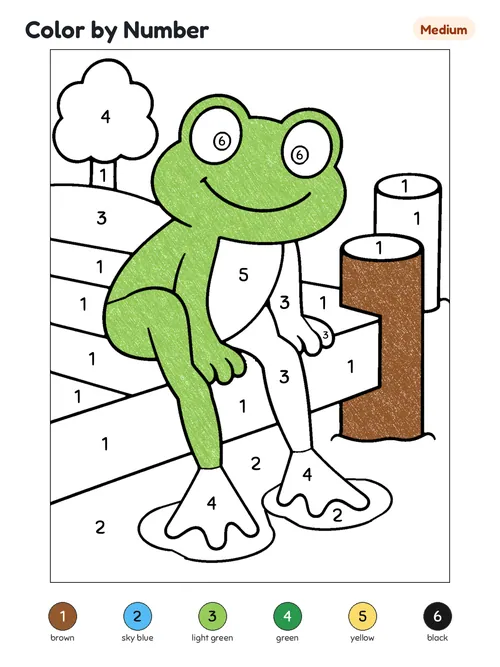
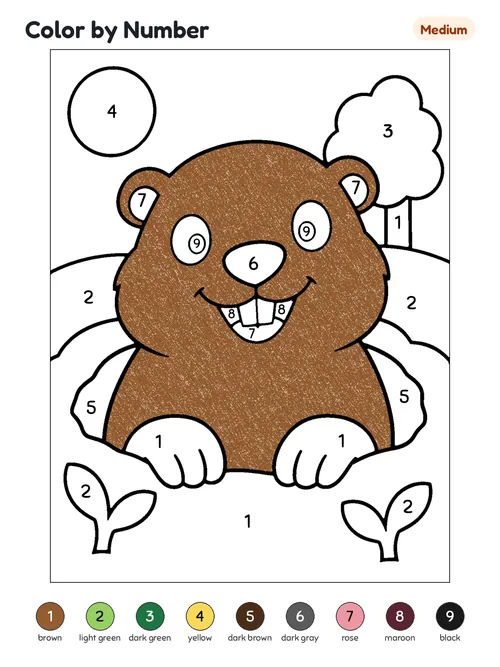
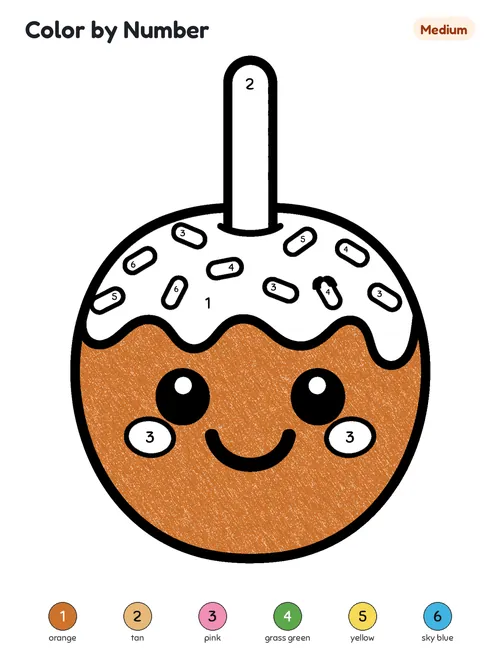
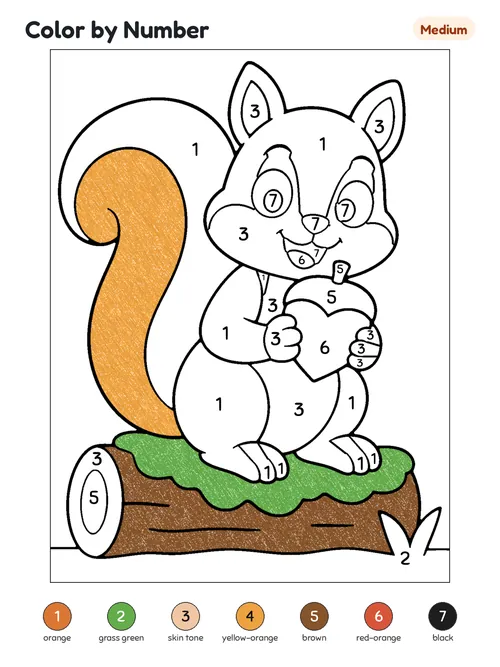
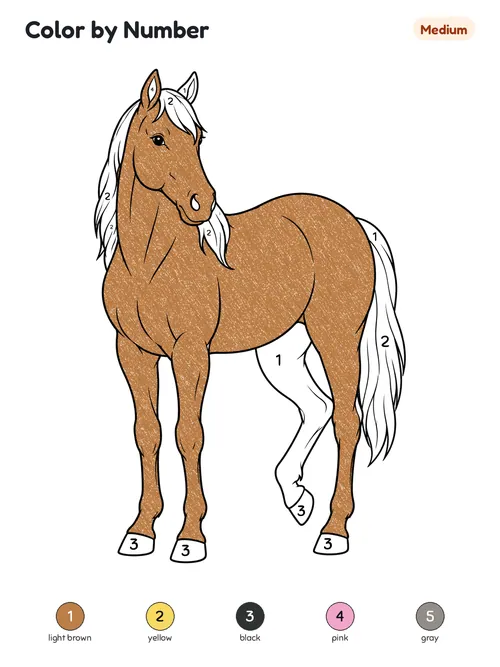
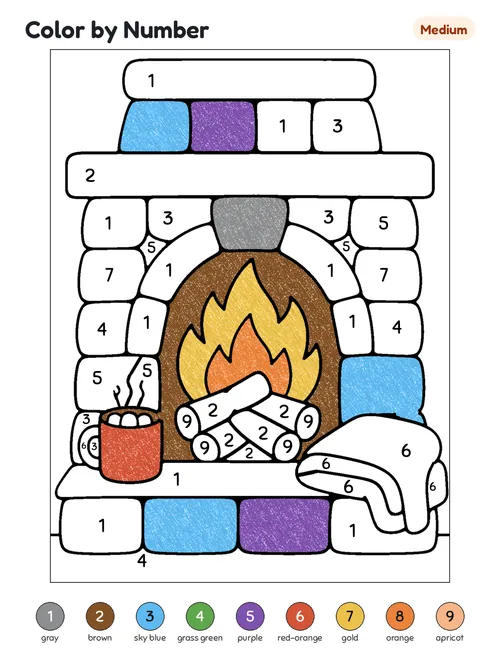
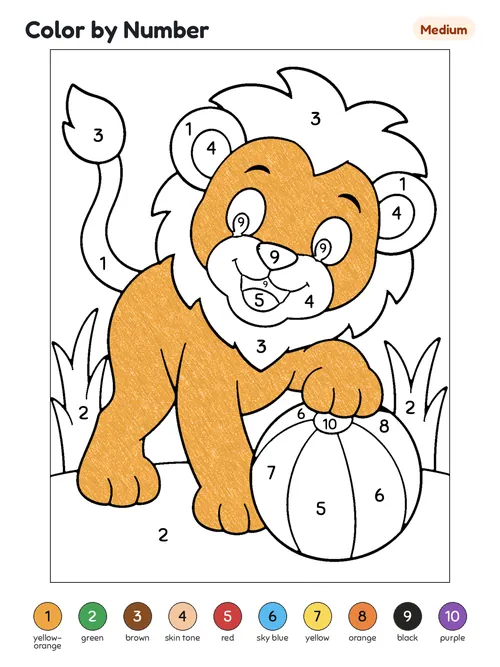
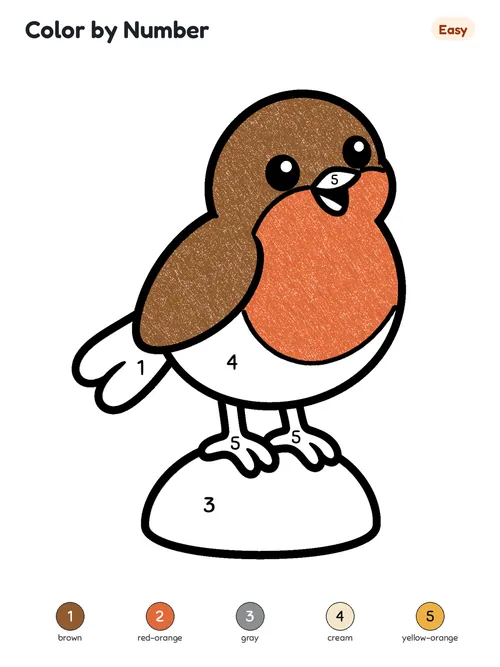
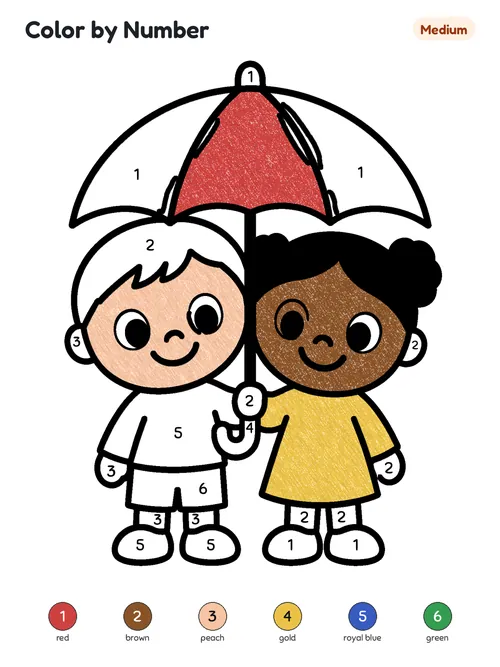
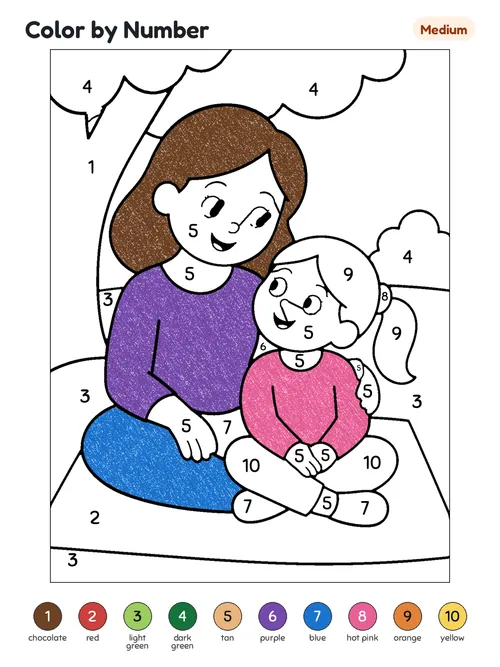
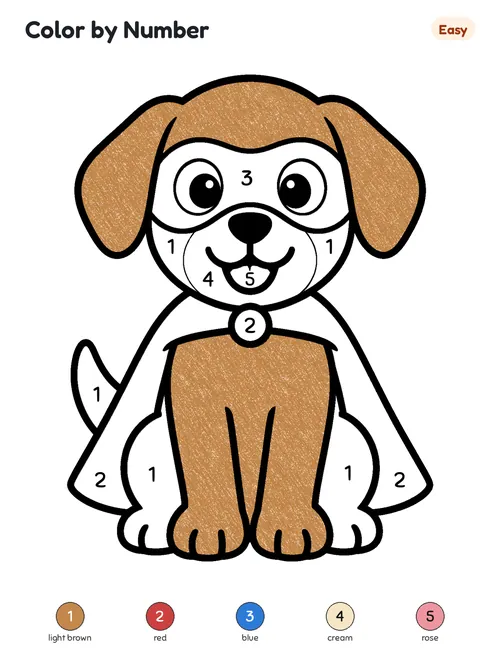
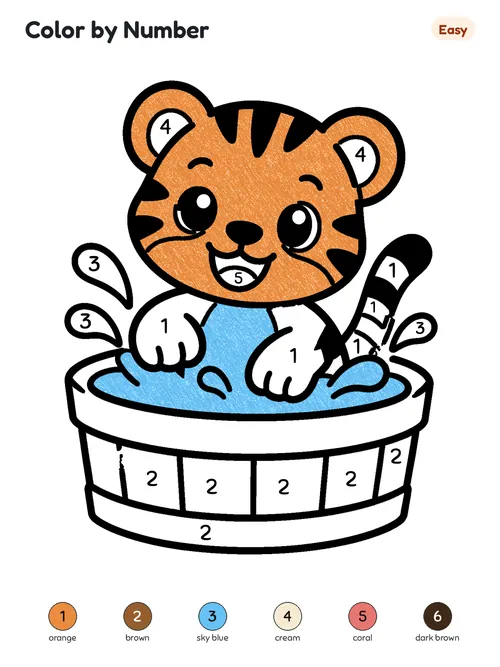
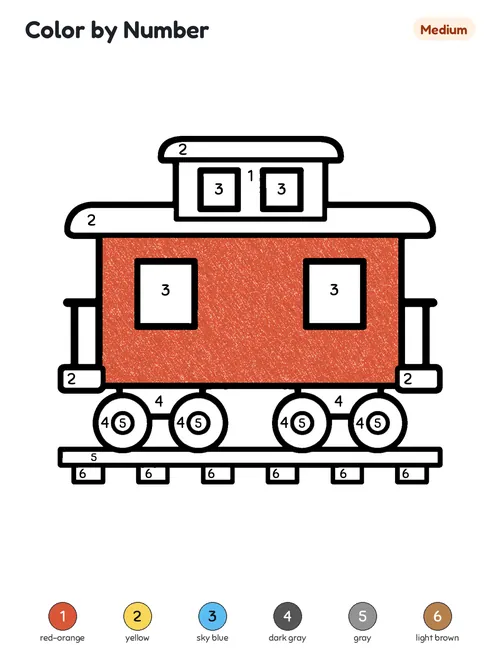
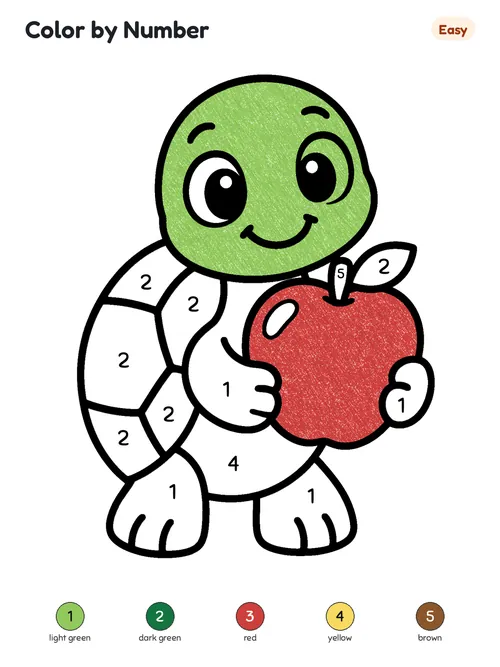
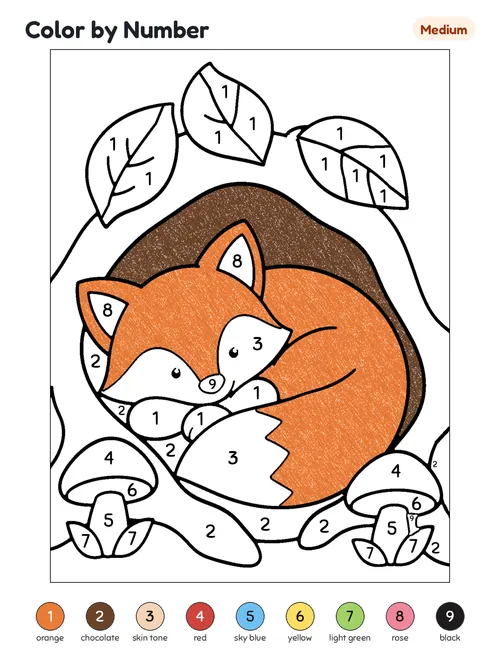
Fox color by number pages
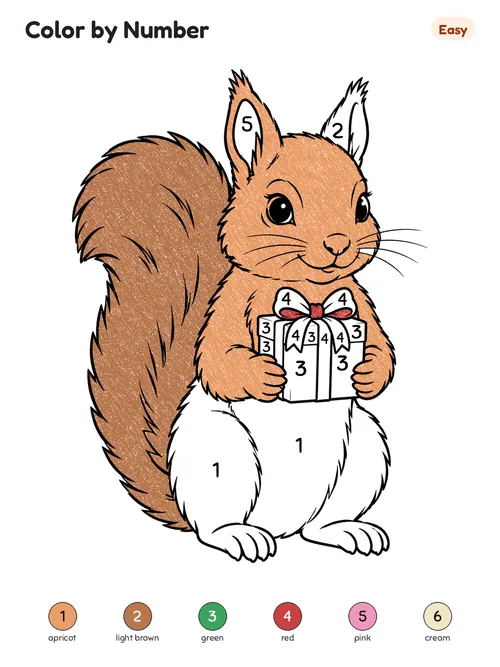
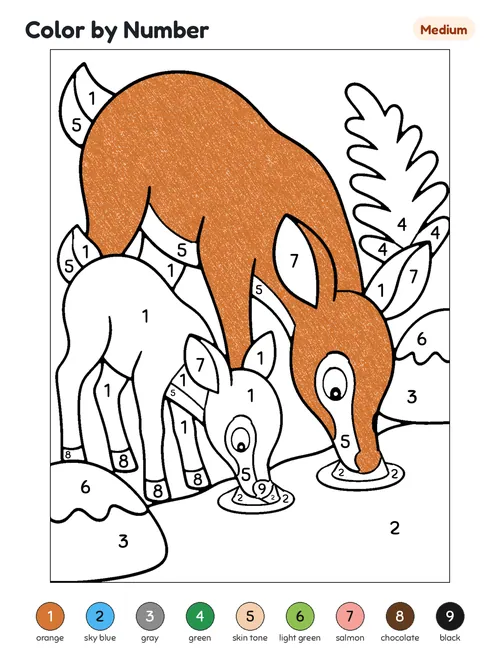
Orange fur, black socks, and snowy coats appear across 24 fox color by number pages: 7 easy pages for preschool with bold lines, 11 medium pages, 2 challenge pages and 4 advanced pages for teens and adults.
PDF paper size:
Easy 7 pages · ages 3 to 6


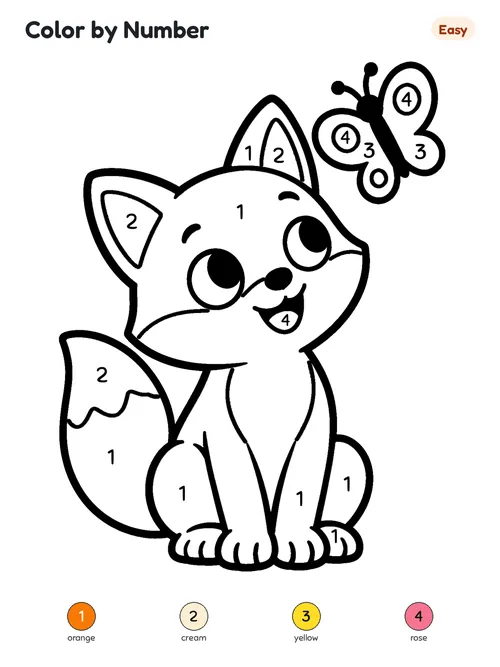


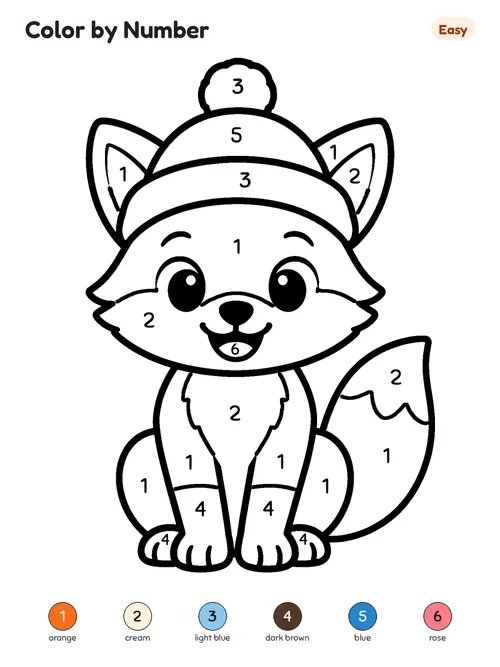

Medium 11 pages · ages 5 to 8


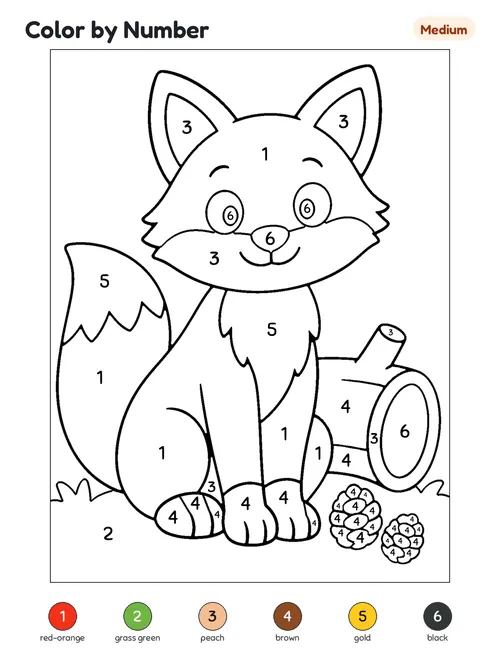


Challenge 2 pages · ages 7 and up


Advanced 4 pages · teens and adults


Red fox markings and arctic winter coats
Most children recognize a red fox right away. Bright orange fur, a white tail tip, and dark black socks give these woodland animals a clear pattern to follow while matching numbers. Arctic foxes trade those warm tones for thick white winter coats that blend quietly into snow.
Leave white fur uncolored so the snowy coat stands out. Each free printable PDF includes a color key with matching swatches.
Autumn forest palettes and coloring tips
Woodland fox scenes lean heavily on warm autumn forest palettes. Burnt orange, rusty brown, and leafy green pencils make layering fur and foliage much easier than thick markers. Test similar orange shades on scrap paper first so neighboring numbered spaces never blur together.
Fine-tipped pencils work best once the woodland borders grow narrow. Older artists often pick the ornate autumn fox with berries design for its wild berries, tangled briars, and stained glass style leaves. More intricate pages wait in our detailed adult designs section.
Woodland animal units with baby kits
Teachers often fold foxes into autumn woodland animal units. Children learn that baby foxes are called kits and live inside cozy forest dens. Younger learners can start on the cute baby fox sitting page with its big rounded ears and bushy tail tip, or browse easy preschool pages.
Printing the full answer key version lets teachers set up self-checking centers during quiet class rotations. Finished color by number fox sheets brighten autumn hallway walls. Offer plain fox coloring pages afterward so children can design their own woodland coat colors.
Questions about Fox color by number
Why do arctic foxes turn white in winter while red foxes stay orange?
Arctic foxes grow thick white coats each winter to blend into snowy tundra landscapes and hide from predators and prey. Red foxes live mostly in woodlands and meadows where orange fur, black socks, and a white tail tip provide natural camouflage year round.
How can kids keep red fox fur and autumn leaves from blending together?
Choose golden yellow or light amber for falling leaves, and save deeper rust or bright orange for the fox coat. Pressing lightly on the background keeps the animal's markings crisp. Colored pencils also make subtle autumn shade changes easier to control than thick crayons.
How do fox sheets fit into an autumn woodland animal lesson?
Pair a finished sheet with a short talk about forest dens, seasonal coat changes, and baby fox kits. Students can label the white tail tip and black socks right on the margin. Displaying red and arctic foxes together also sparks quick woodland habitat comparisons.