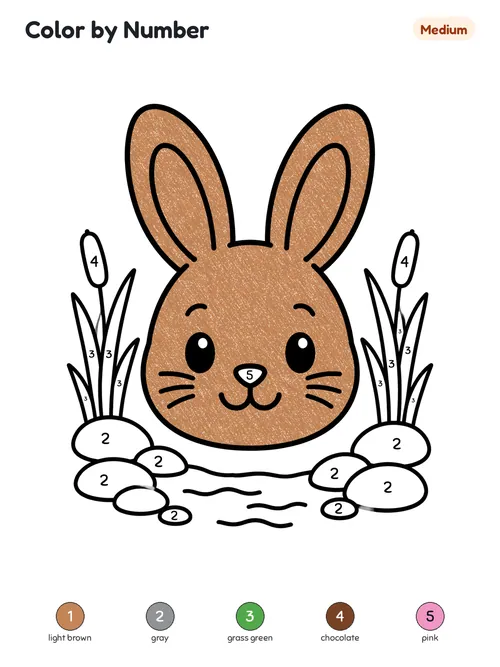
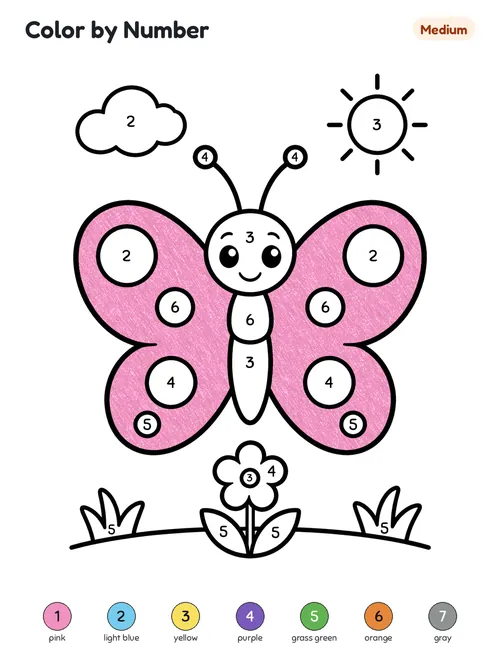
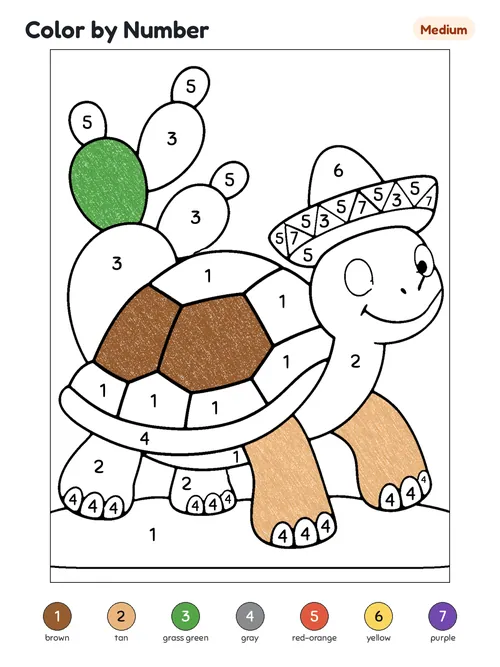
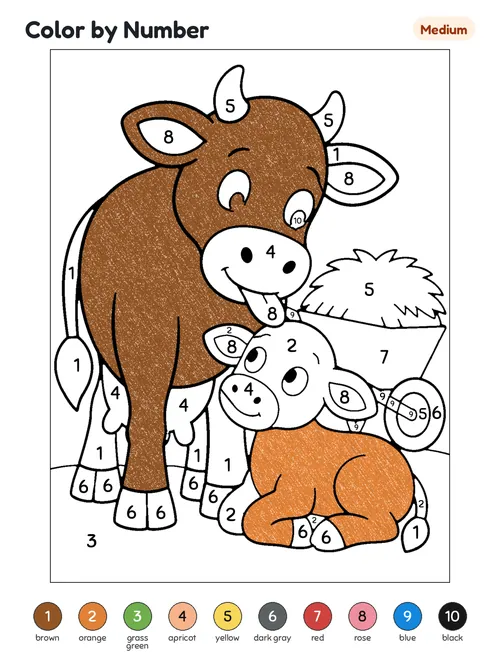
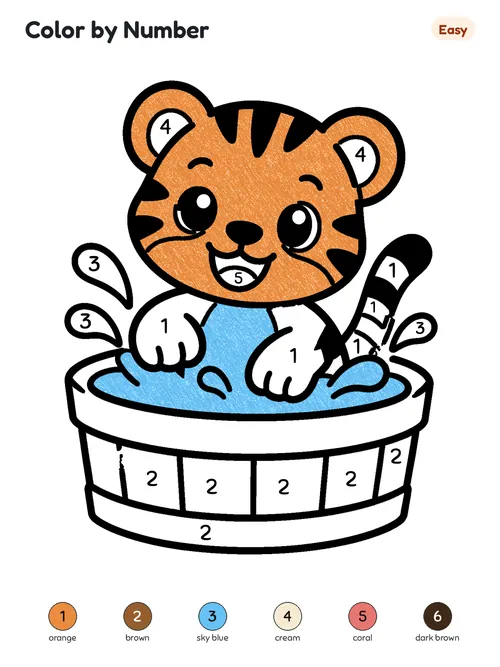
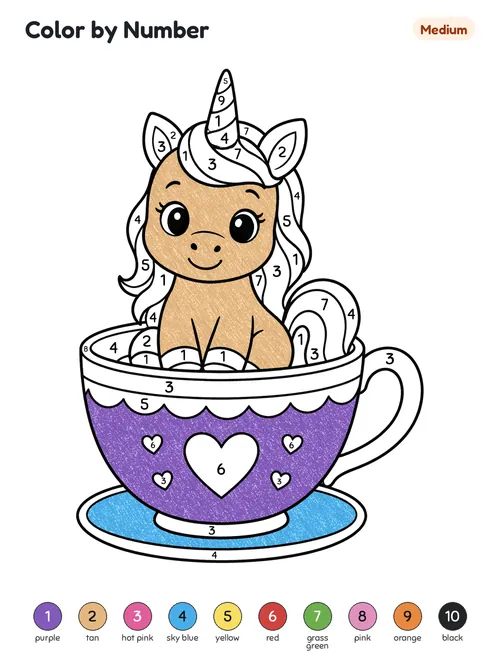
Cat Color by Number
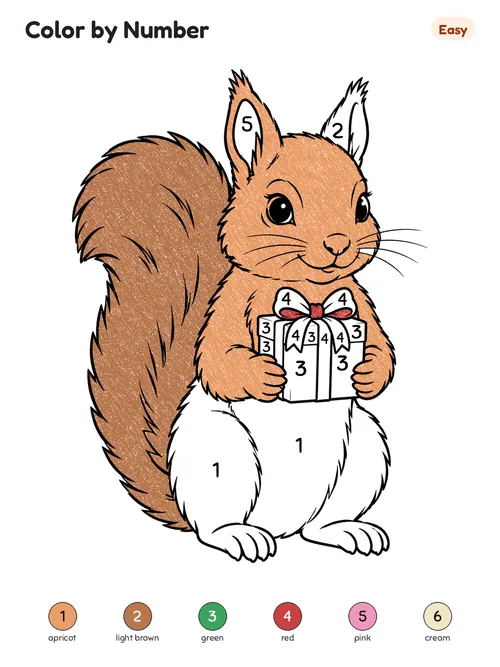
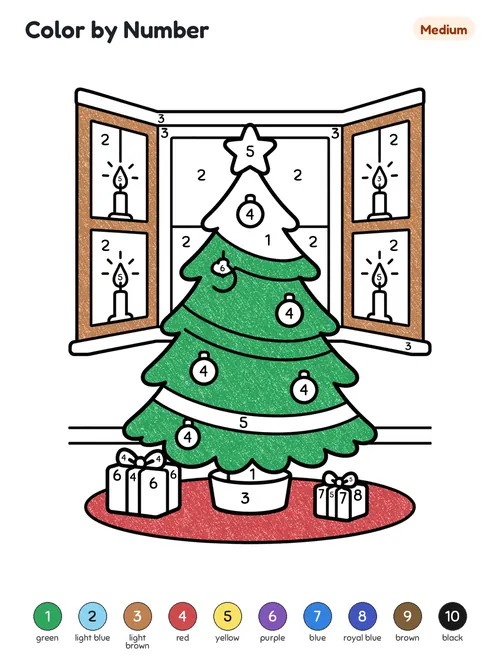
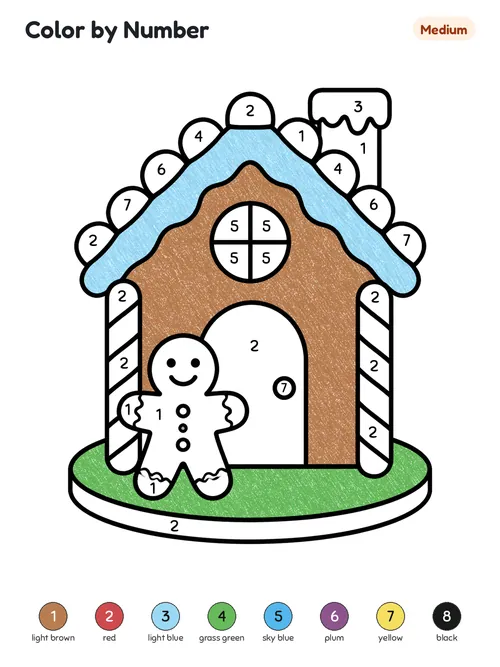
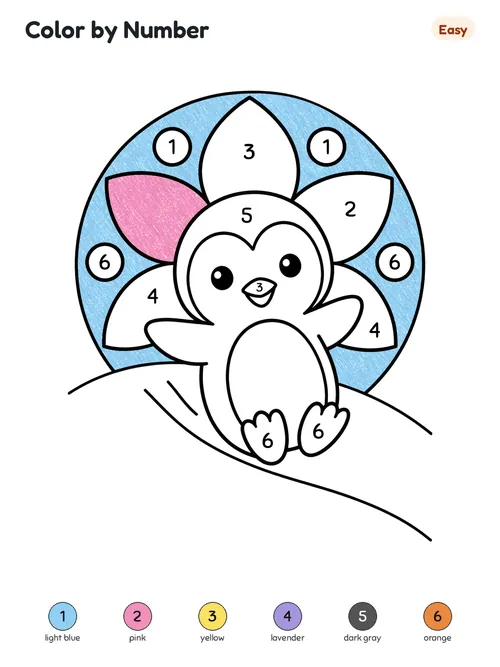
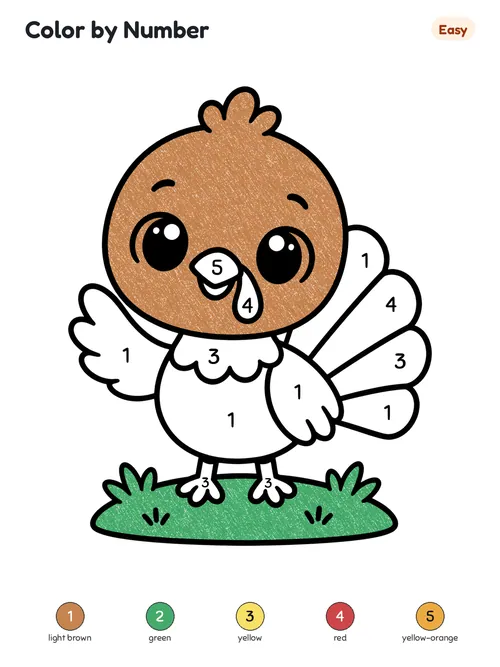
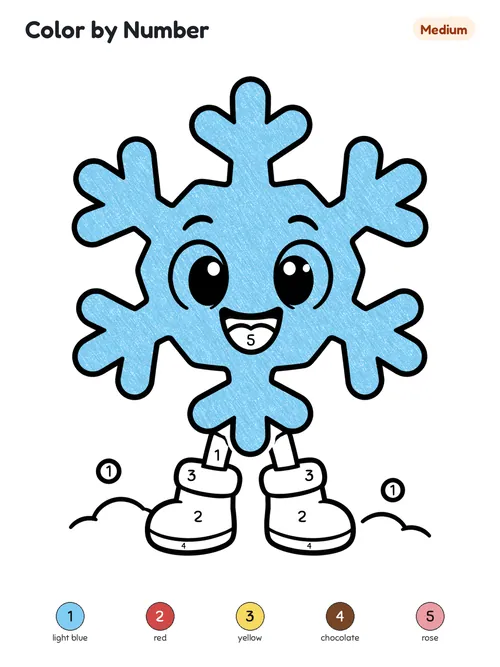
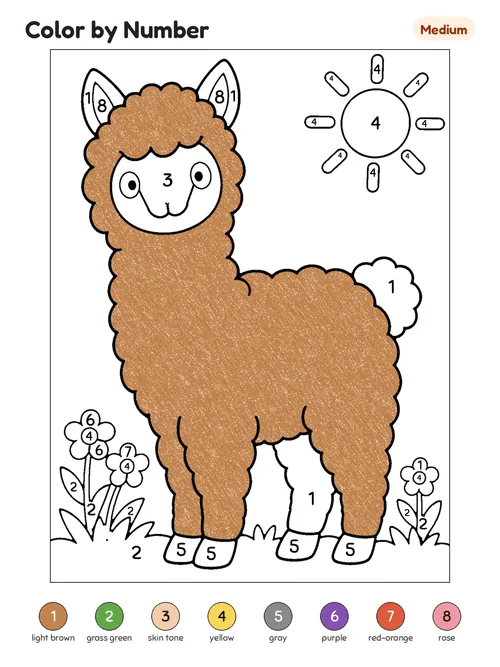
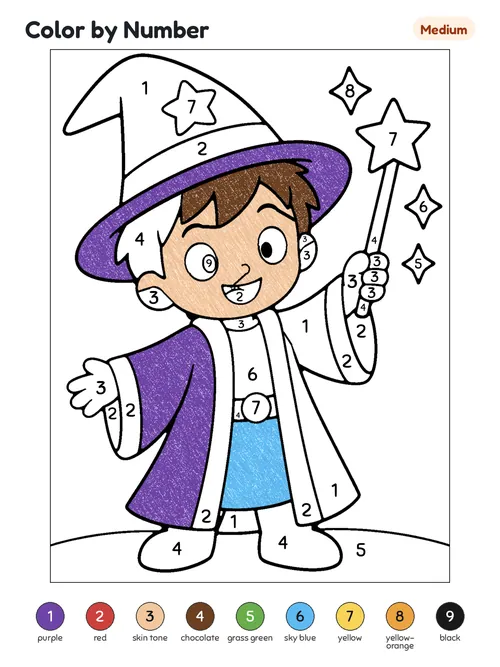
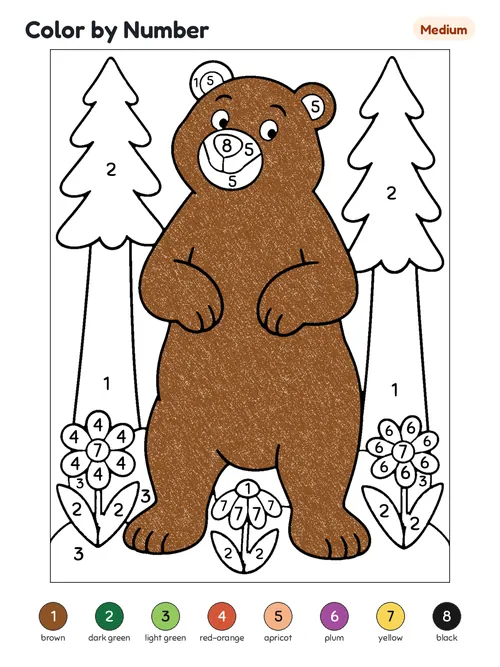
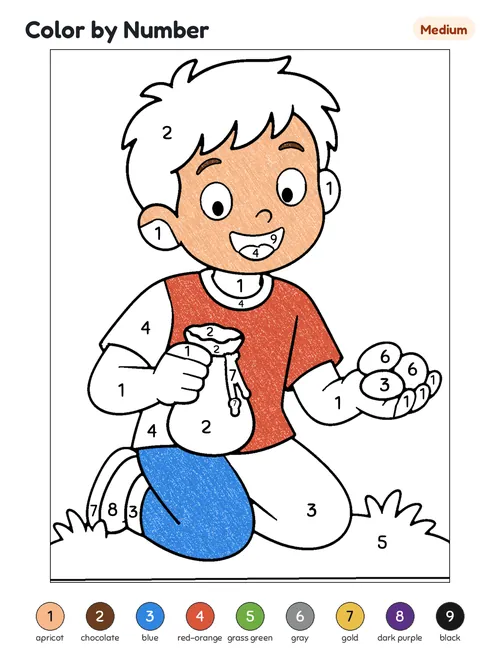
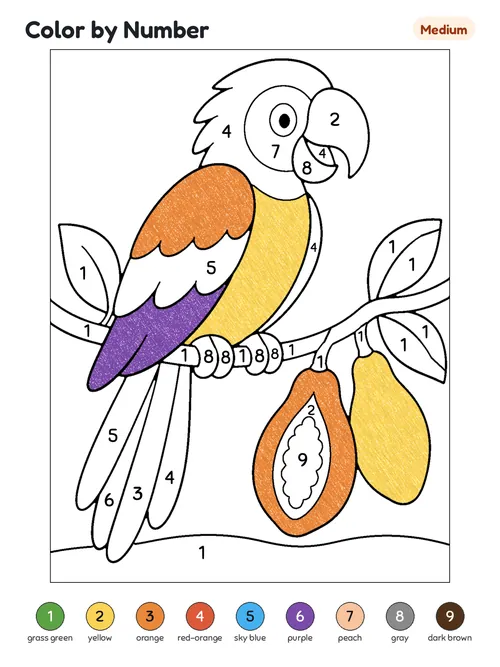
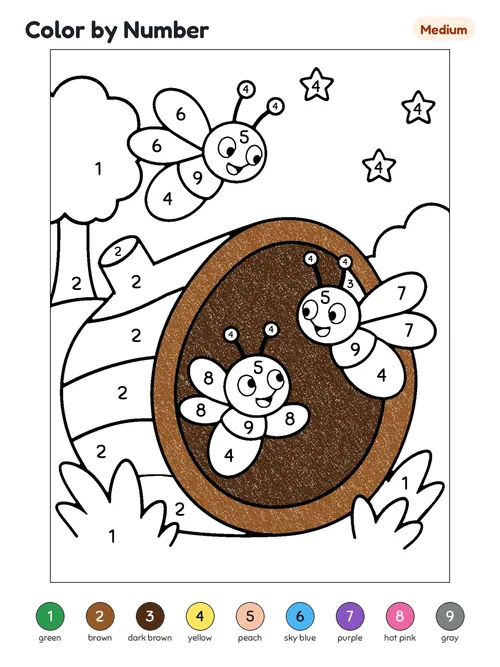
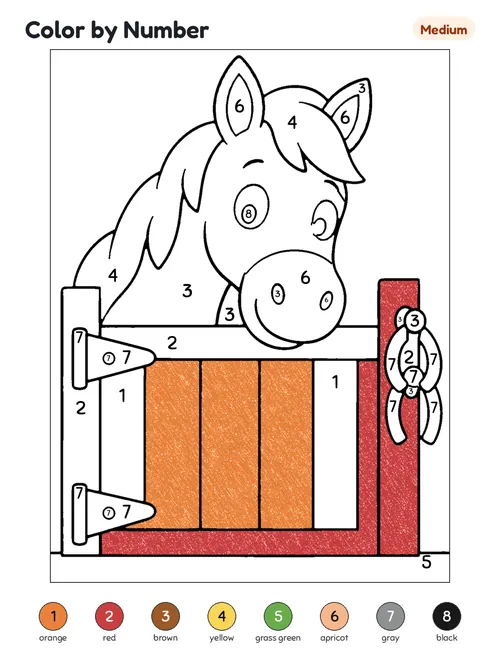
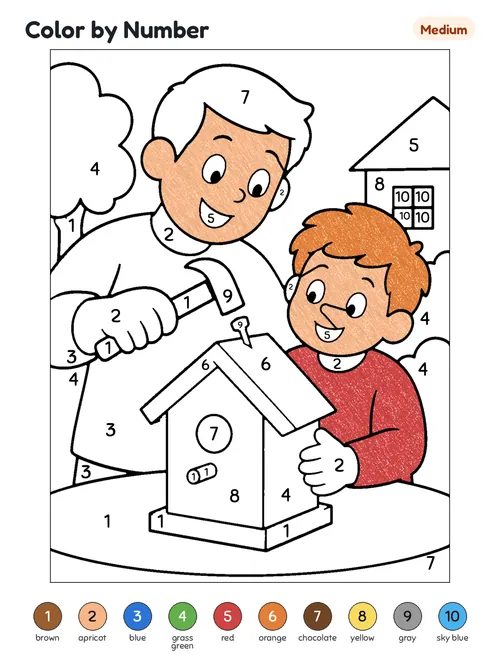
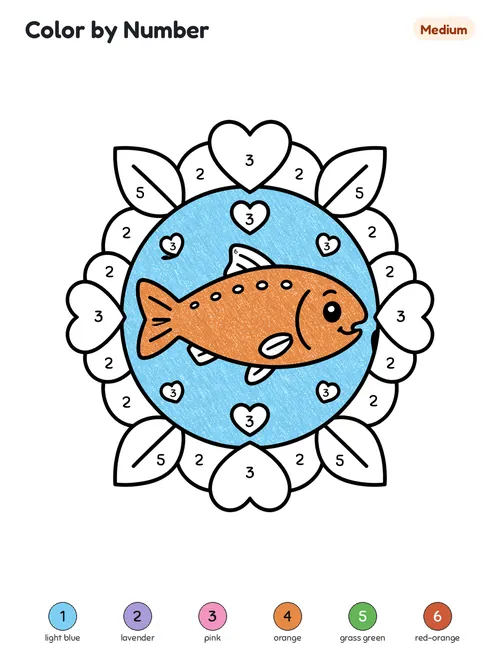
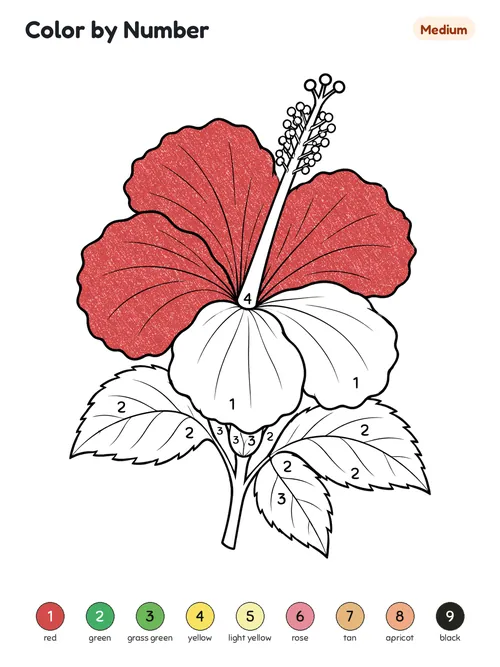
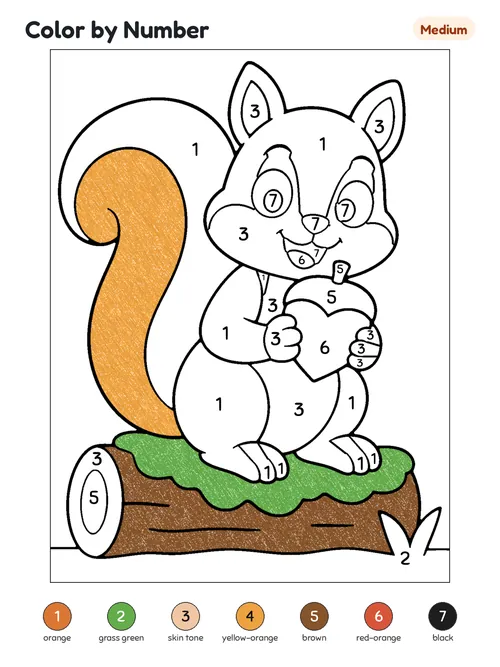
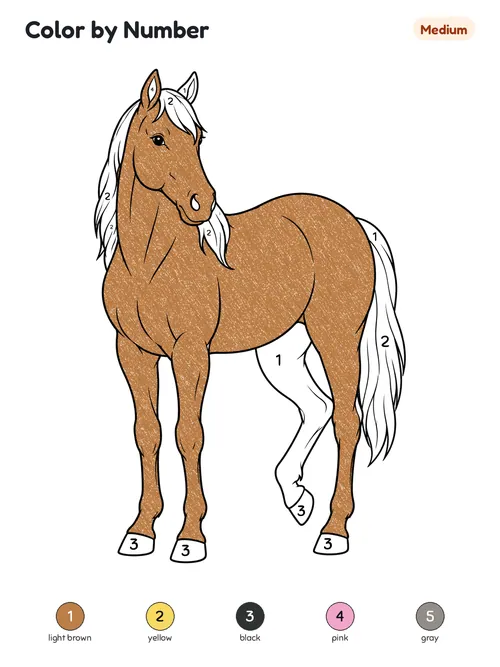
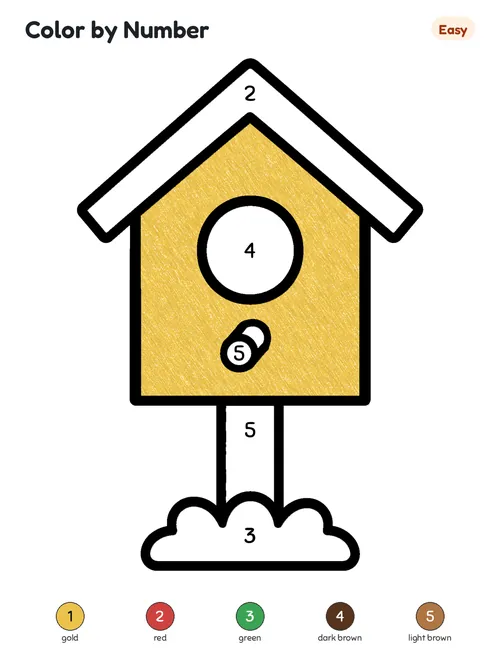
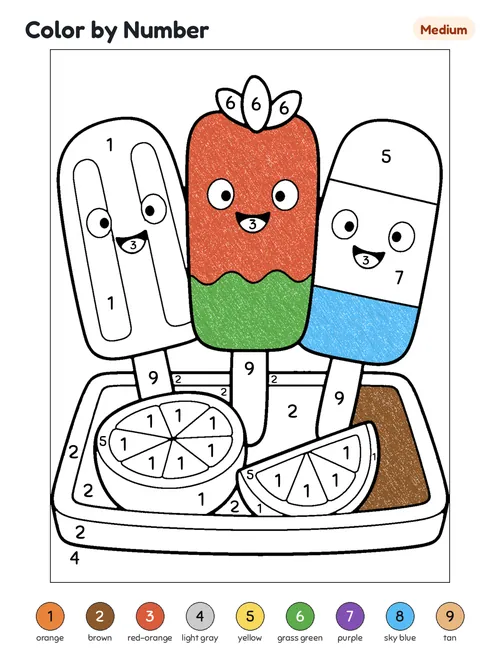
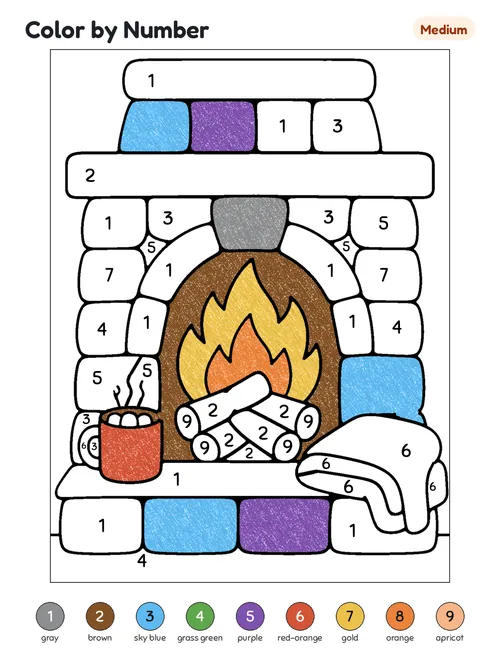
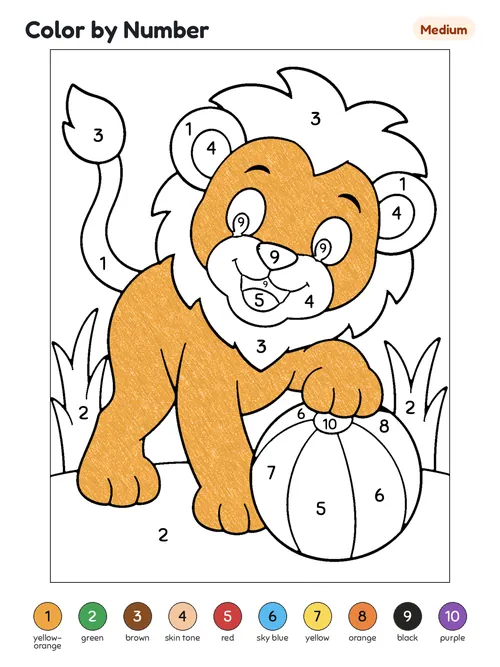
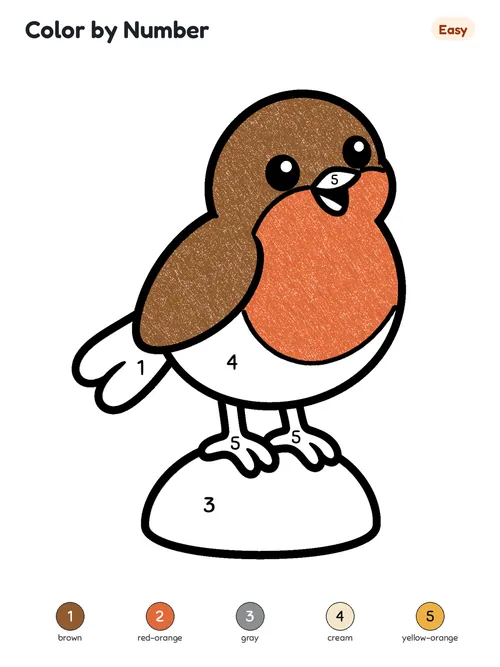
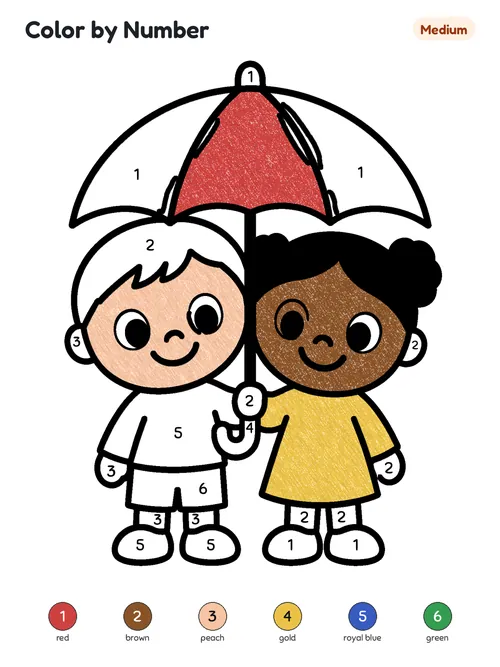
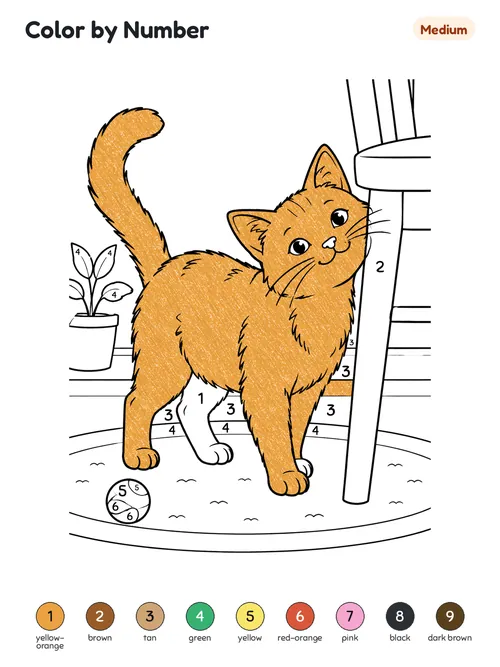
Here are 26 cat color by number pages, including 9 easy designs, 11 medium, 4 challenge, 2 advanced sheets, and 8 mystery pixel grids. You will also find 7 bold-line preschool pages and 24 math sheets.
PDF paper size:
Easy 9 pages · ages 3 to 6
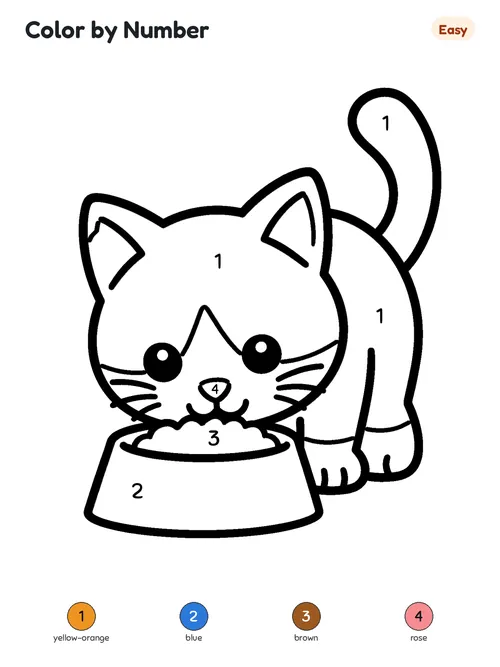


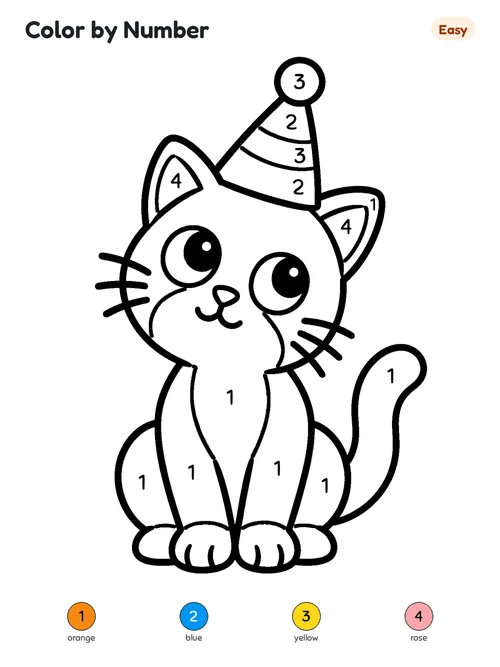

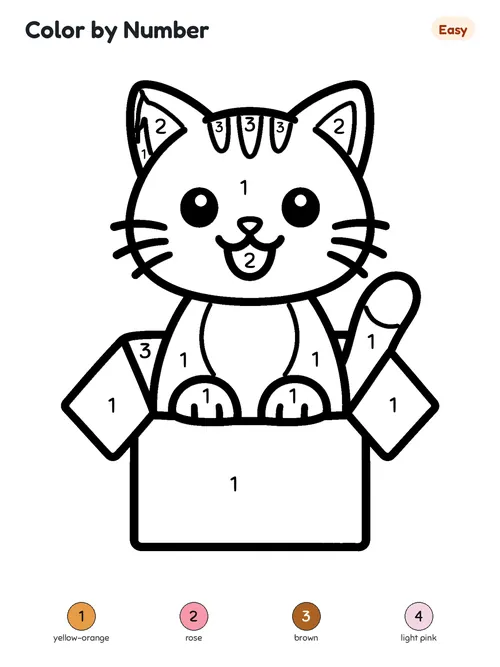


Medium 11 pages · ages 5 to 8


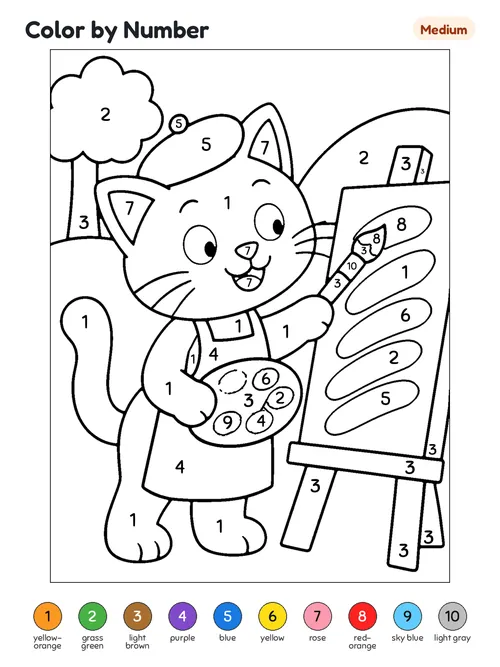

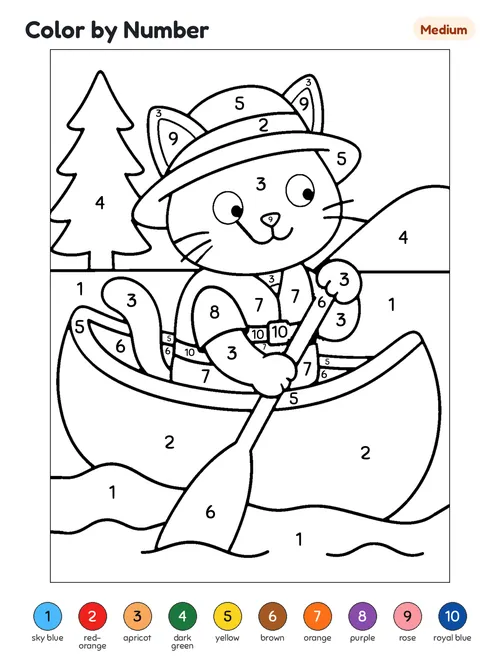

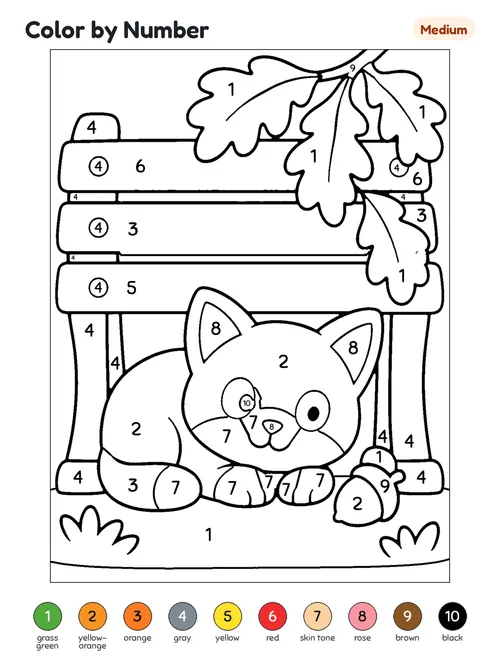

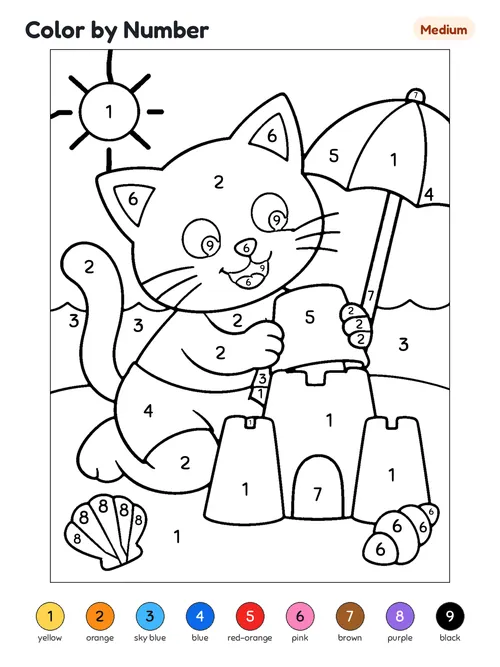

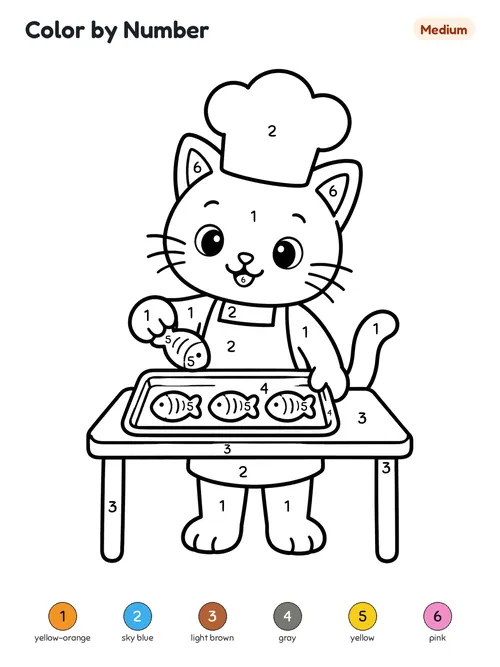


Challenge 4 pages · ages 7 and up


Advanced 2 pages · teens and adults


Mystery 8 pages · pixel grids


Tabby Stripes, Calico Patches, and Tuxedo Coats
Real cats have distinct coat patterns, and numbered spaces make these markings easy for children to spot. A classic tuxedo cat needs just black and white crayons, with a touch of pink for the nose and paws. Calico cats mix warm orange, black, and white patches in big blocks that look bright on paper. Each sheet is a free printable PDF in US Letter or A4.
Preschoolers do best when they don't have to worry about tiny details. The stretching cat with an arched back uses bold lines and only a few colors, so little hands can focus on coloring inside the lines. For older students, the cat watching a bird feeder splits a striped tabby coat into smaller sections of gray, brown, and tan. These numbered stripes help kids see how a real tabby pattern wraps around the body and tail.
Simple Ways to Make Crayon and Pencil Fur Look Soft
Flat coloring works fine, but a quick pencil trick can make a paper kitten look fluffy. Show your kids how to use short, light strokes that follow the curve of the cat's back instead of scrubbing back and forth. On the curled up sleeping kitten, coloring in a gentle circle from the head down to the tail gives the ginger fur a cozy, rounded look. You can also try our regular cat coloring pages if your kids want to invent their own fur patterns without a key.
Detailed coats also pair well with classroom fact practice. Many of these sheets come as multiplication color by number printables where solving the problem reveals which shade of gray or orange goes into each stripe. When my students work on the playful kitten with a jingle ball, I tell them to outline each patch first before filling in the center. If you do not have crayons handy, you can color the picture pages online on a tablet with a simple tap.
Questions about Cat color by number
What colors do we need for ginger and calico cats?
A standard box of crayons or colored pencils has everything you need. Ginger cats use light orange, dark orange, and peach or tan for the belly. Calico cats combine orange, black, and brown patches while leaving the white spaces uncolored or lightly shaded with gray.
How can kids make black cats show up without looking like a dark blob?
Tell children to press lightly with a black crayon or use a dark gray pencil for the main body. They can then press harder with pure black along the edges and tail. This simple shading trick keeps the face details and whiskers easy to see.
Do these pages include a picture of the finished cat?
Yes, a small finished picture is printed right on the page next to the color key. Teachers can also download a separate version that includes a full-page answer key for quick checking.