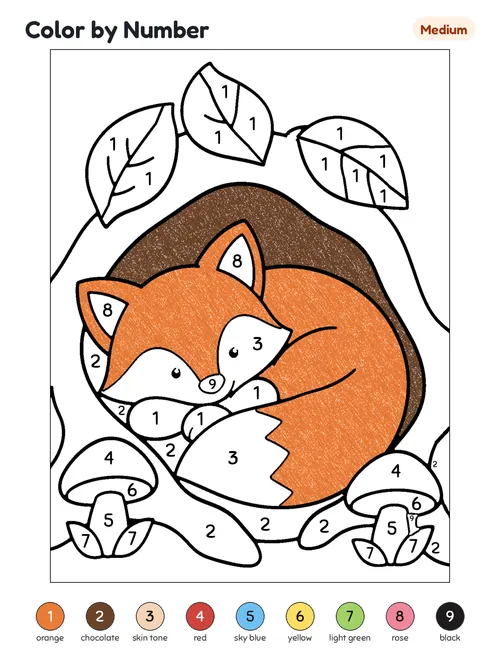
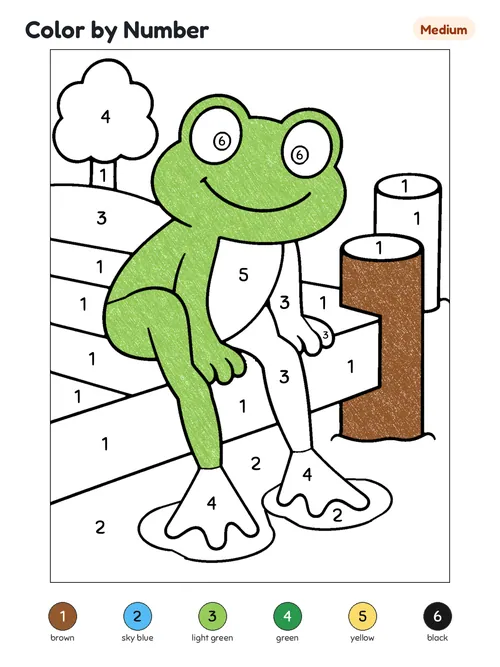
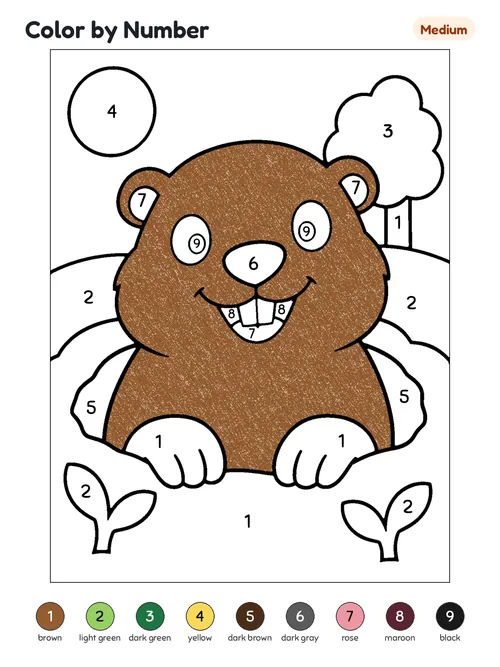
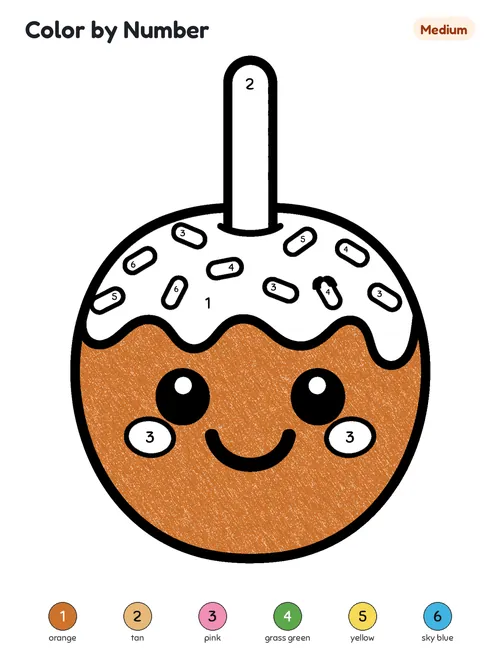
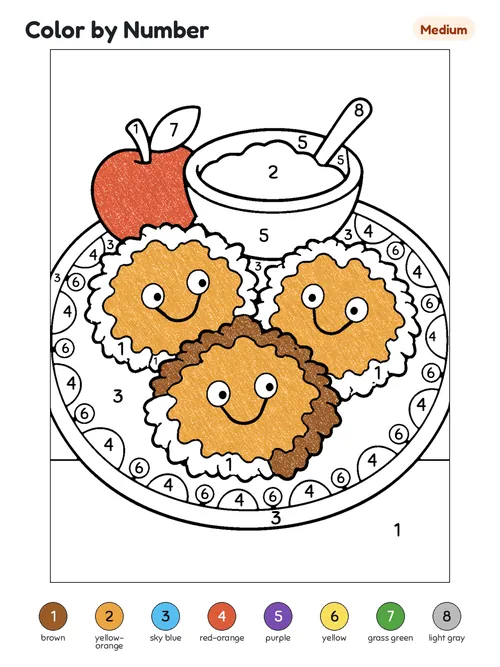
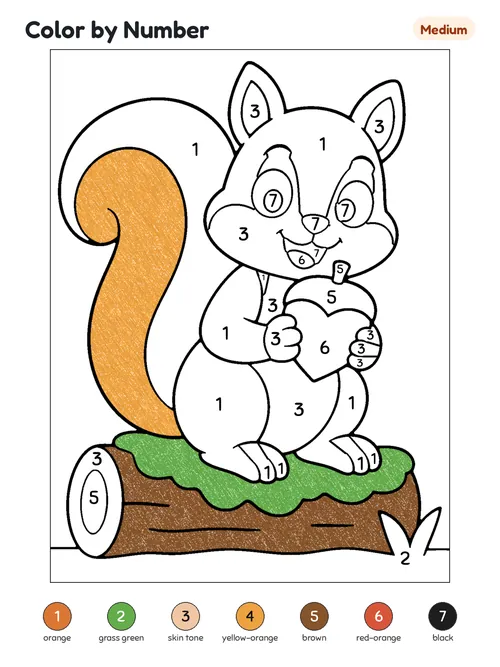
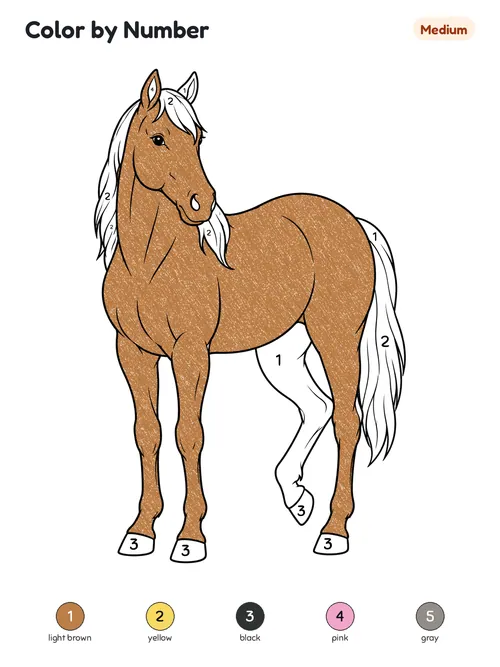
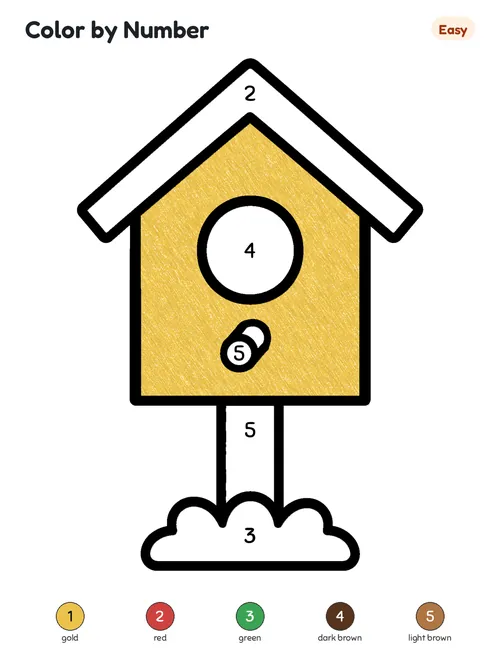
Multiplication Color by Number
Here you will find multiplication color by number pages covering times tables from 2 to 10, designed to turn fact fluency practice into a calm, self-checking activity for home or school.
PDF paper size:






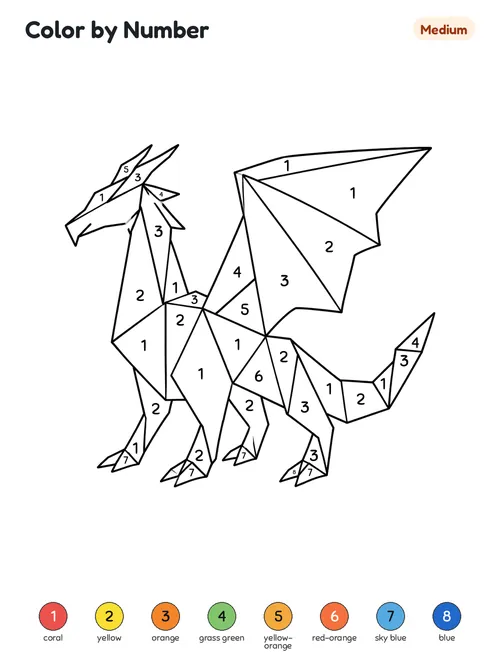


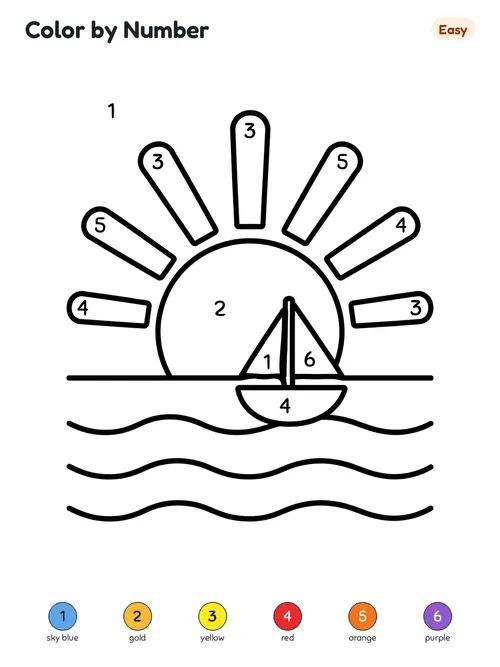
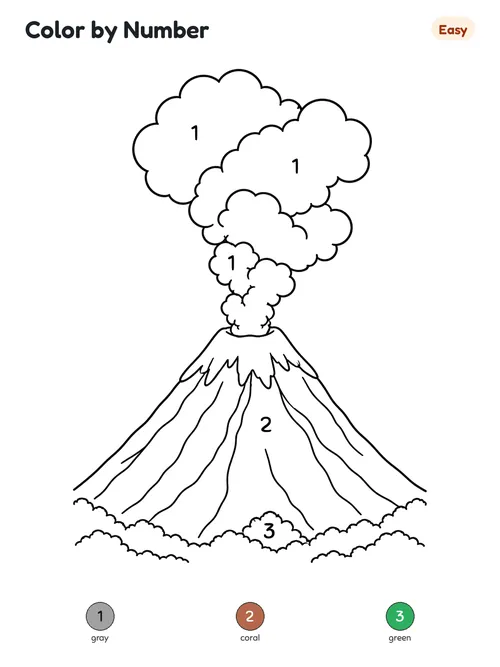


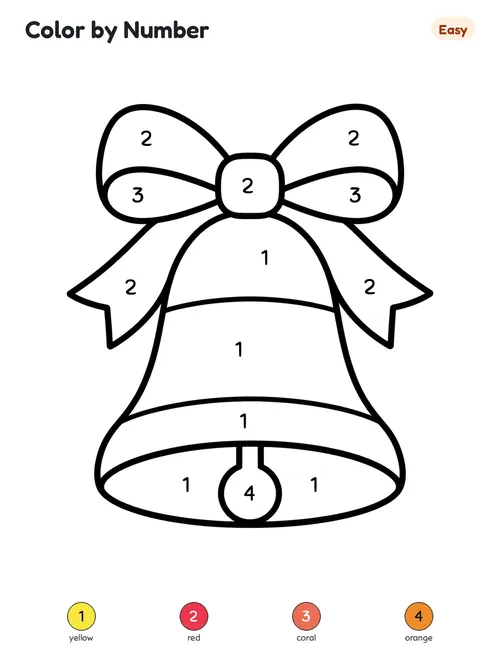














Which Times Tables to Start With
Most third graders build confidence fastest when they start with 2s, 5s, and 10s. These facts follow familiar skip-counting patterns from second grade, so children can focus on how the color key works without getting stuck on the math. Once those feel automatic, bring in the 3s and 4s.
Save the 6s, 7s, 8s, and 9s for when students know they can flip factors around. A page like the cute baby penguin drinking boba tea has larger spaces that keep early multiplication practice from feeling overwhelming. If a child still needs to warm up with repeated addition, our addition color by number pages make a good bridge.
Short Daily Practice and Self-Checking Colors
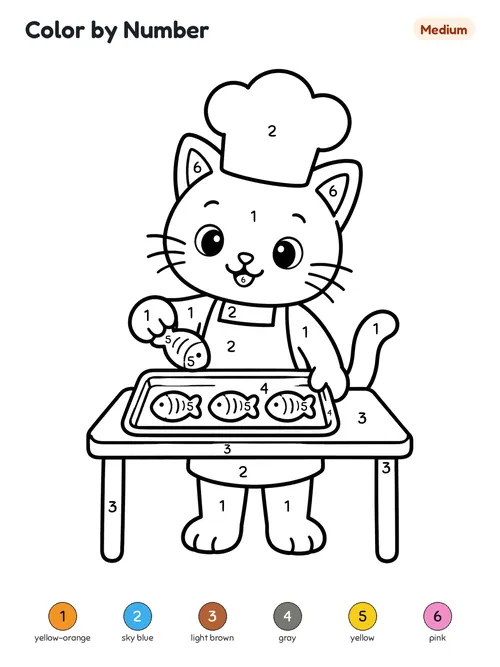
Ten minutes of focused work beats a long, frustrating drill session every time. You do not need to finish a whole sheet in one sitting; color just one section a day as a morning warm-up. The cat chef baking fish treats has plenty of small background details, making it easy to split across a whole week of math centers.
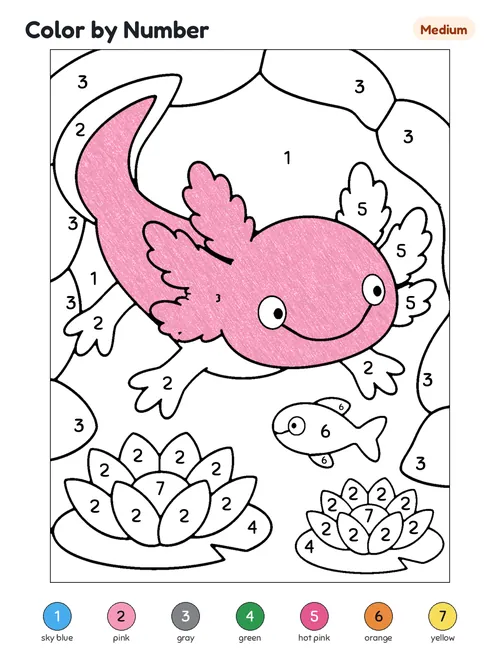
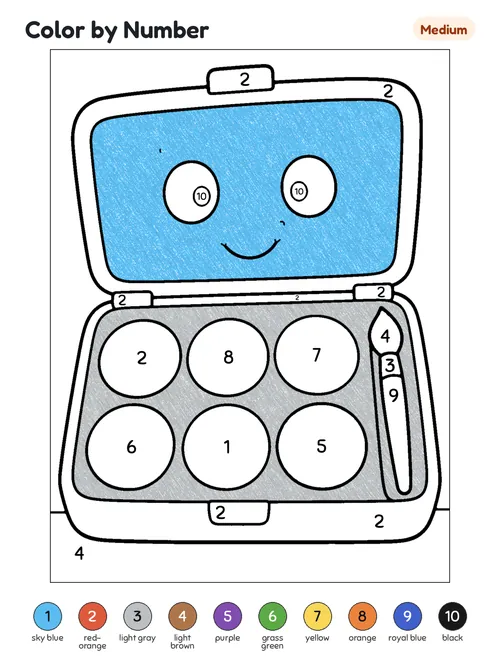
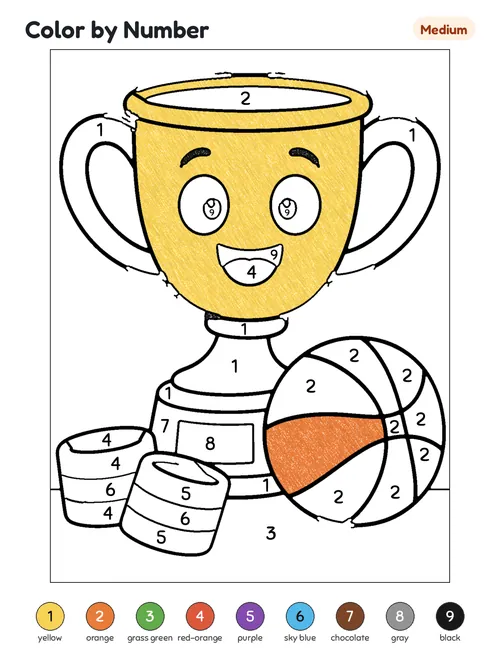
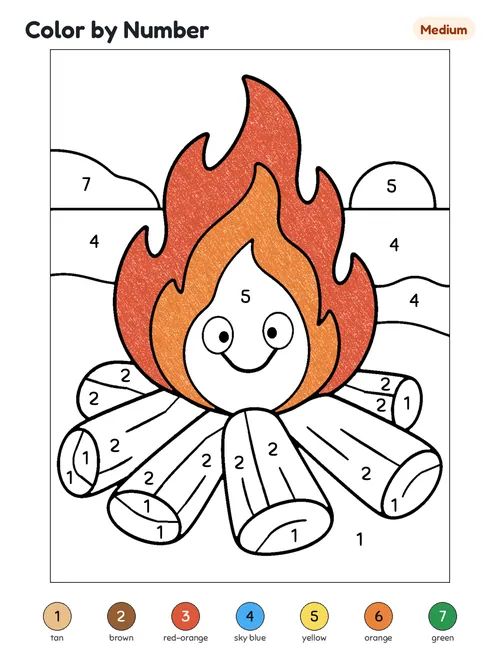
Each page is a free printable PDF with a small finished picture. Because the answer to each multiplication problem tells the color, mistakes show up right away. If part of the big smiling sunflower needs a 56 and a student calculates 54, they will quickly notice the petal is supposed to be yellow, not green. You can also explore more math color by number worksheets for mixed review.
Questions about multiplication color by number
What grade level are these multiplication pages for?
They are built mainly for 3rd and 4th grade students learning their 2 through 10 times tables. Older students in 5th grade also use the Challenge pages to keep their mental math sharp.
How do students know if their math answers are right?
First, if an answer is not in the color key, they know to recalculate. Second, every sheet shows a small finished preview picture, and teachers can download a version with a full answer key page.
Should kids use a multiplication chart with these sheets?
Yes, especially when tackling hard tables like 7s and 8s for the first time. Looking up the fact on a chart and immediately coloring the space still builds memory without the frustration of guessing.