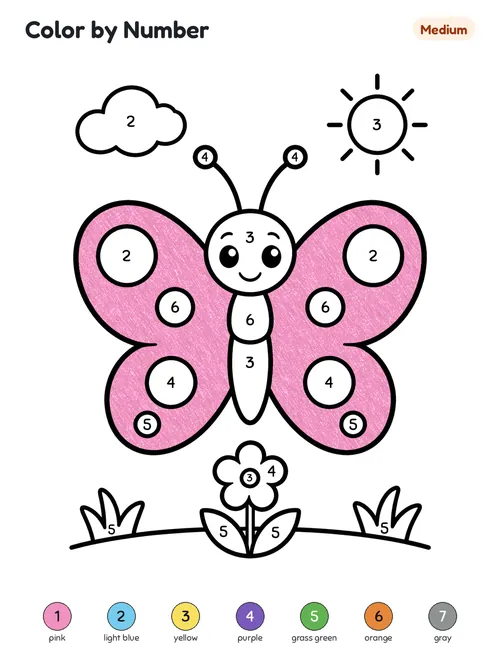
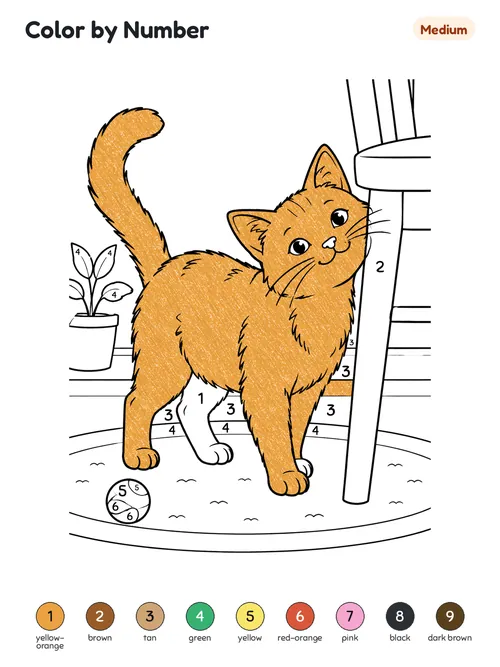
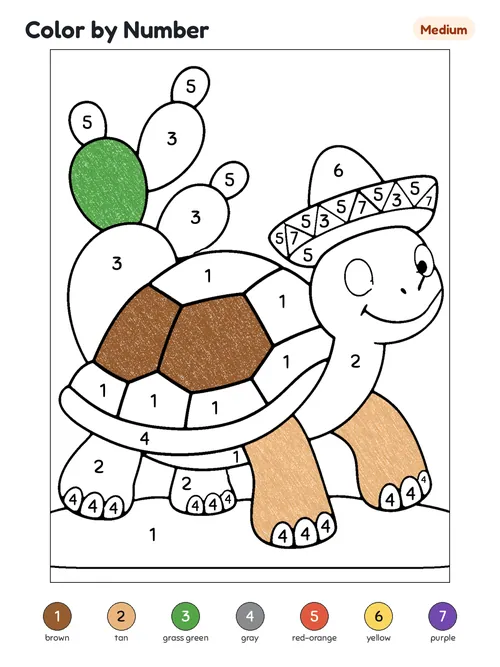
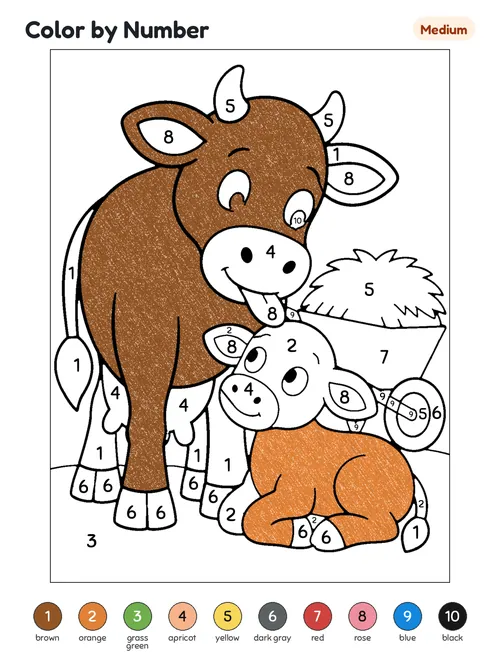
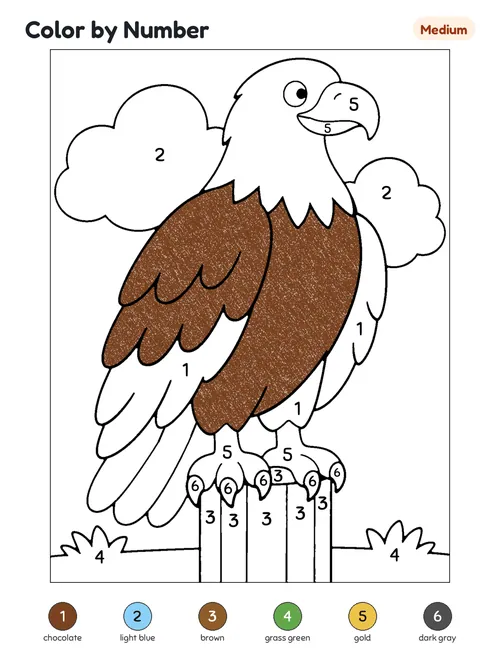
Bird color by number pages
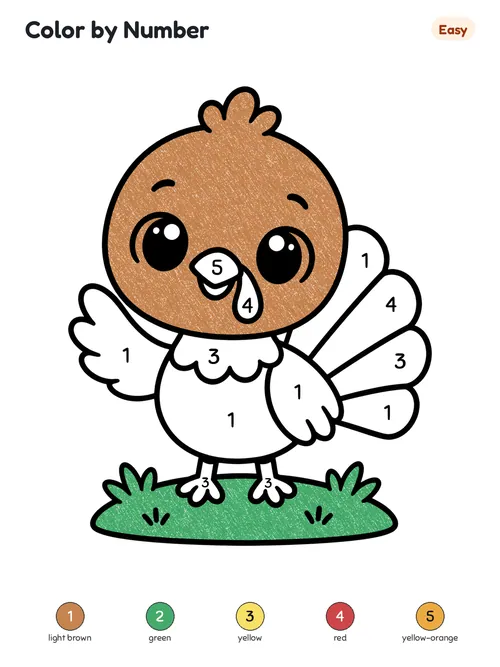
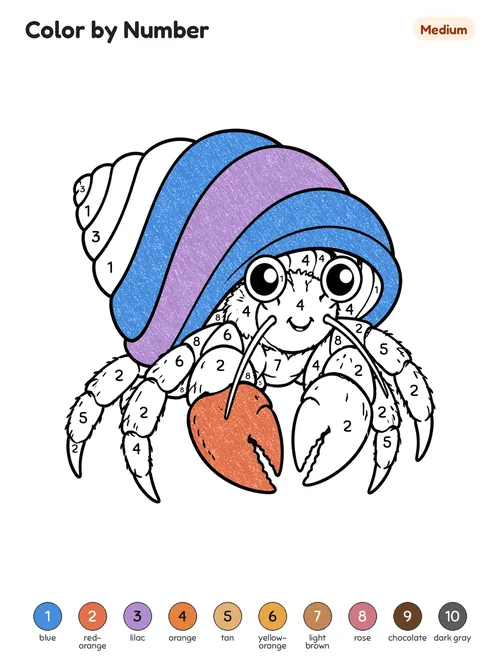
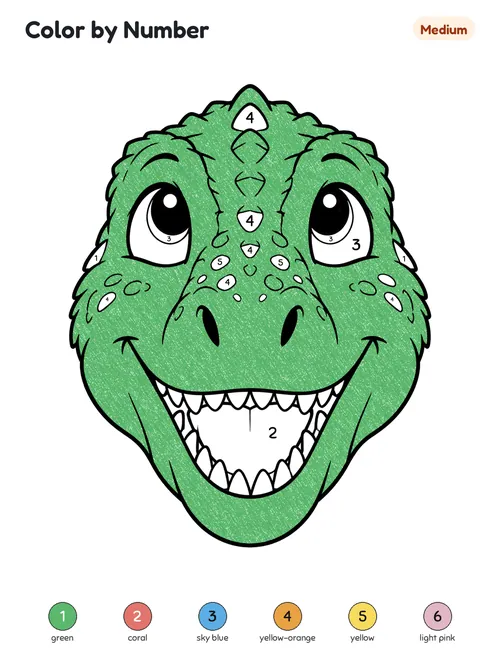
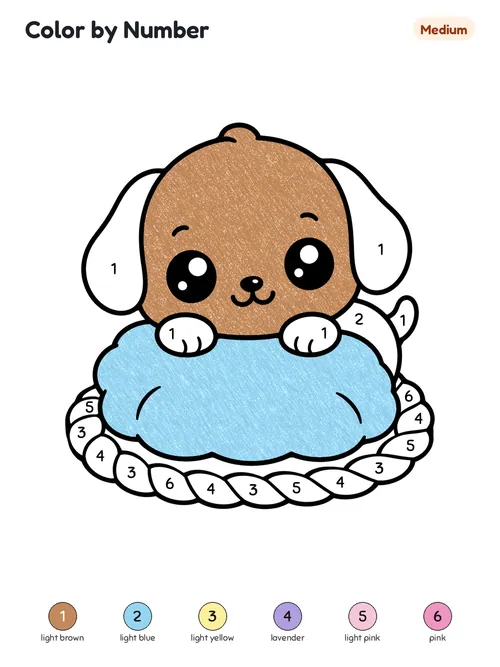
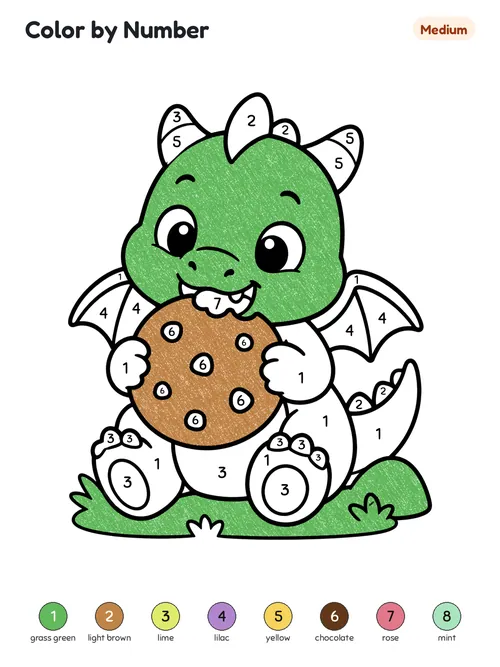
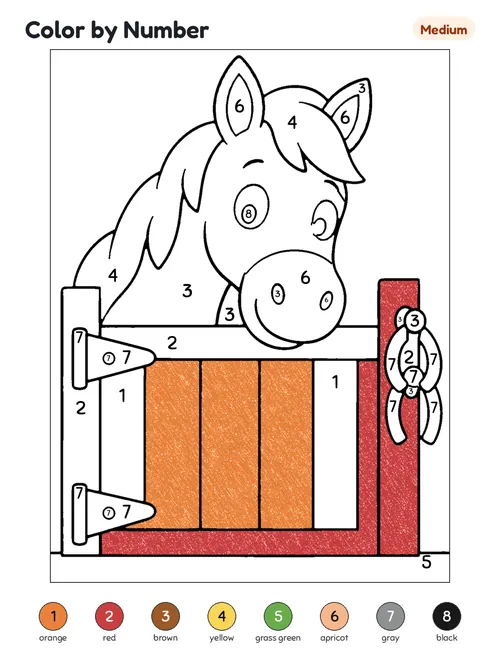
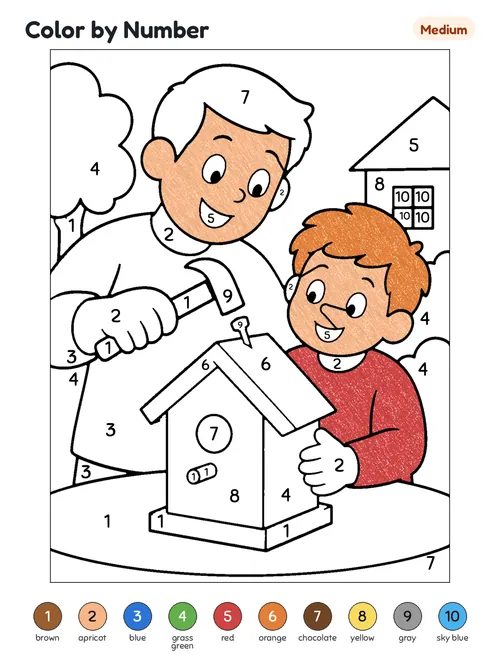
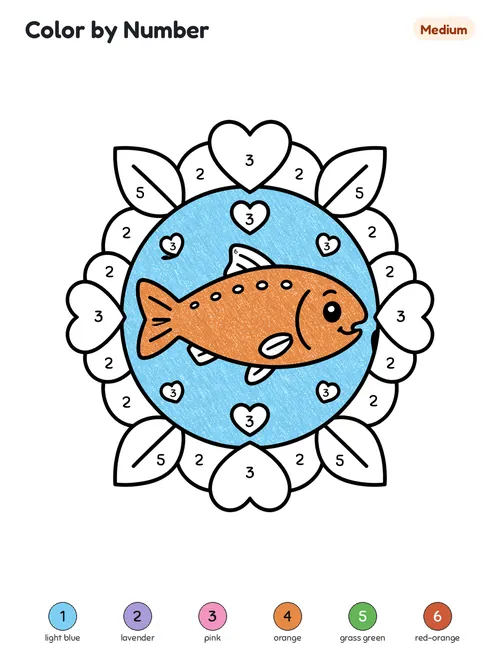
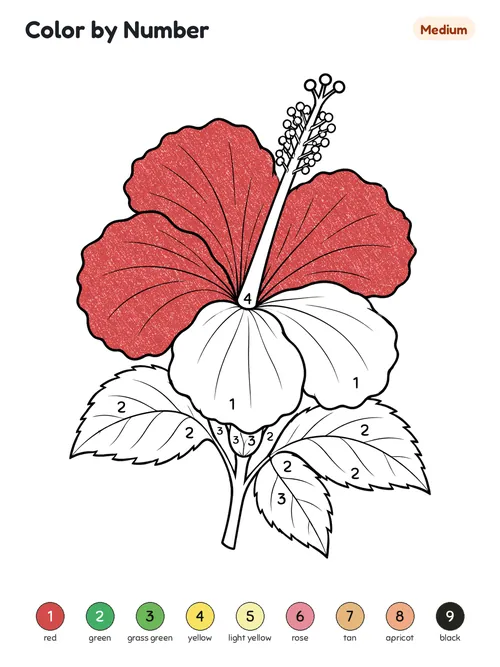
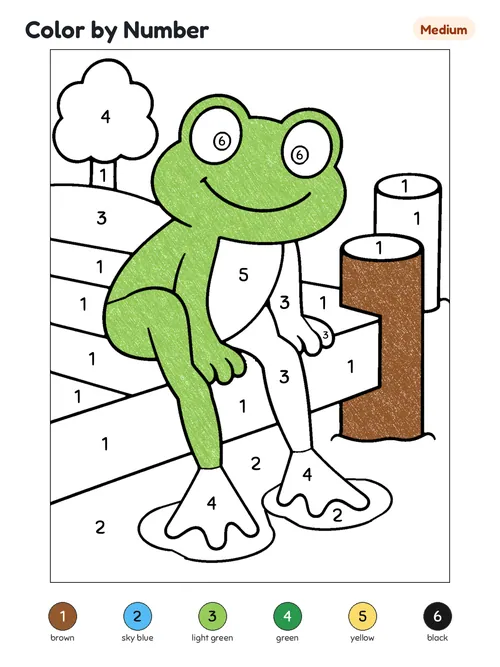
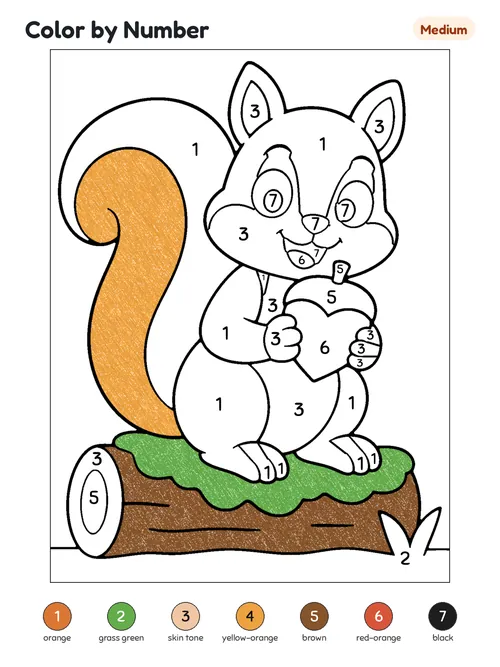
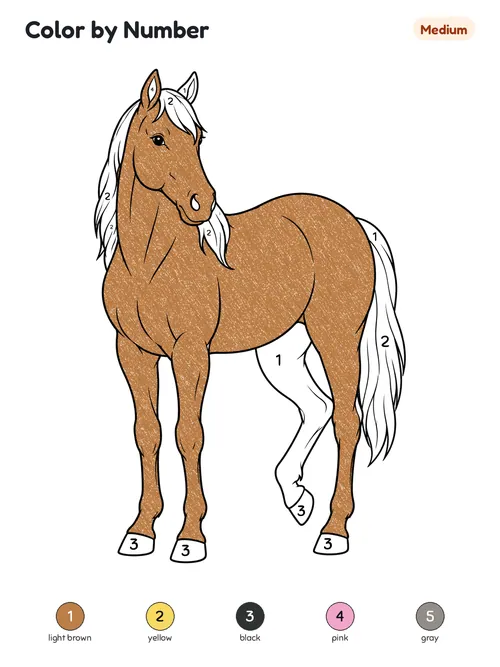
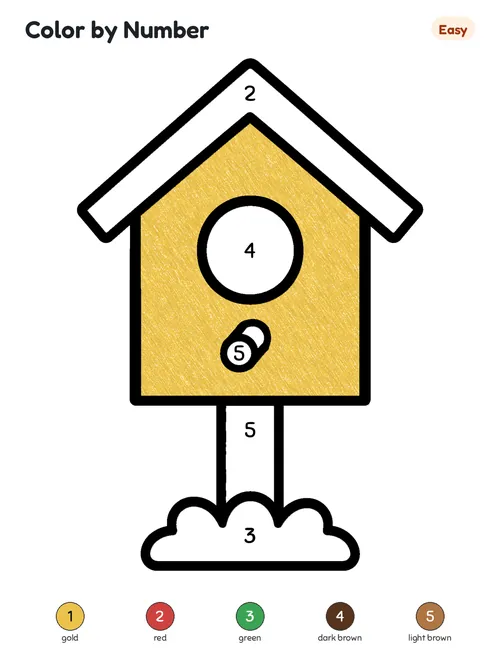
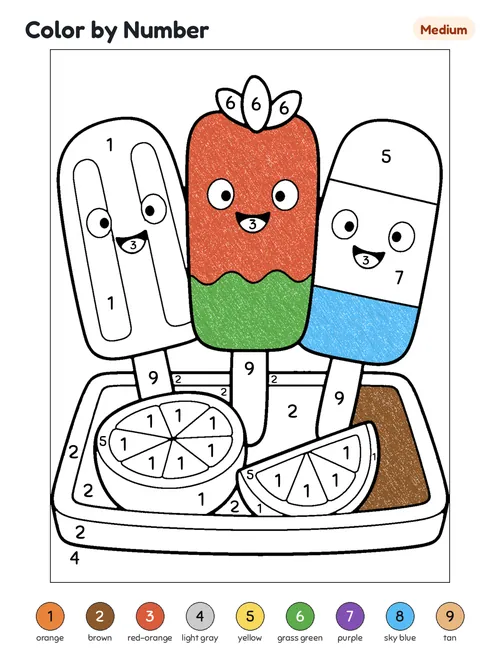
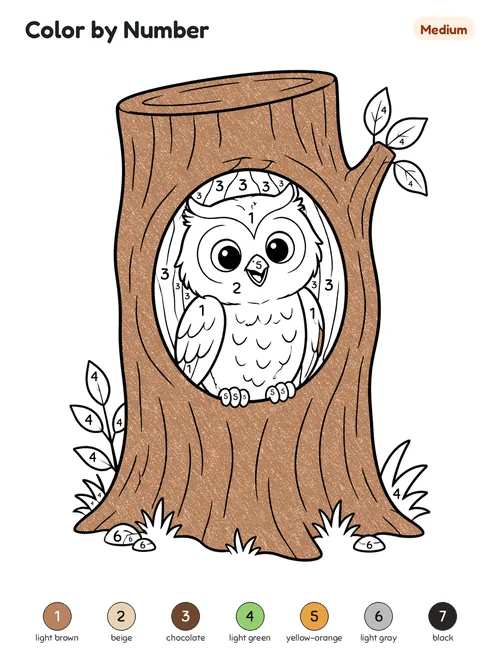
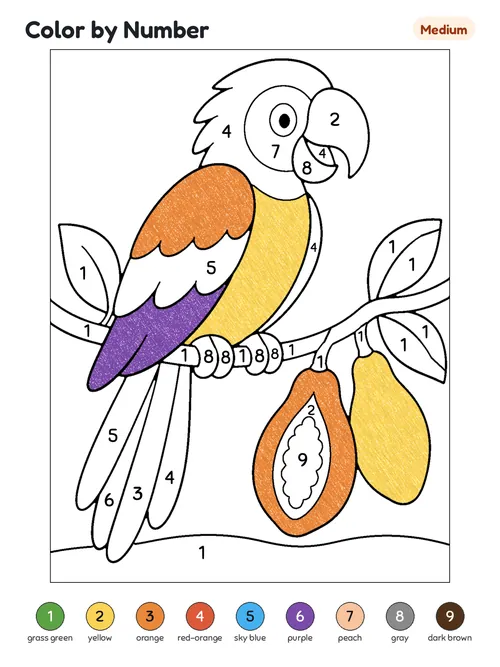
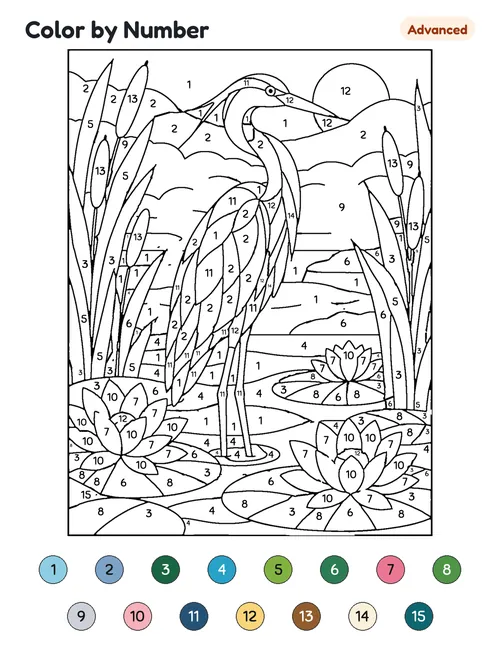
Spring songbirds stand out with bright feathers and beaks. Here are 23 bird color by number pages: 10 easy pages for preschool with bold lines, 6 medium pages, 3 challenge pages and 4 advanced pages for teens and adults.
PDF paper size:
Easy 10 pages · ages 3 to 6
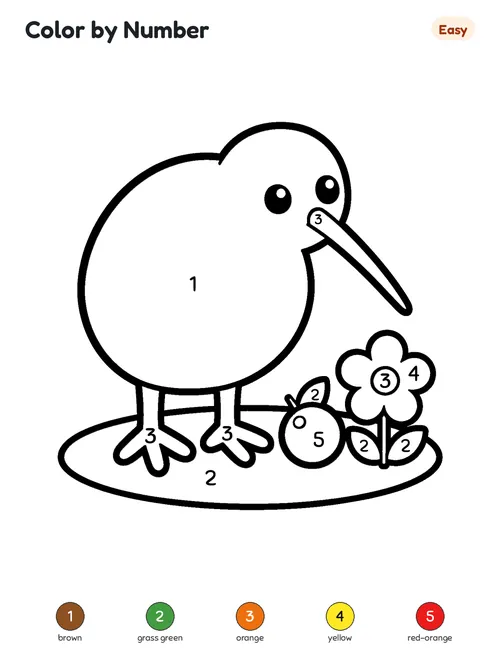


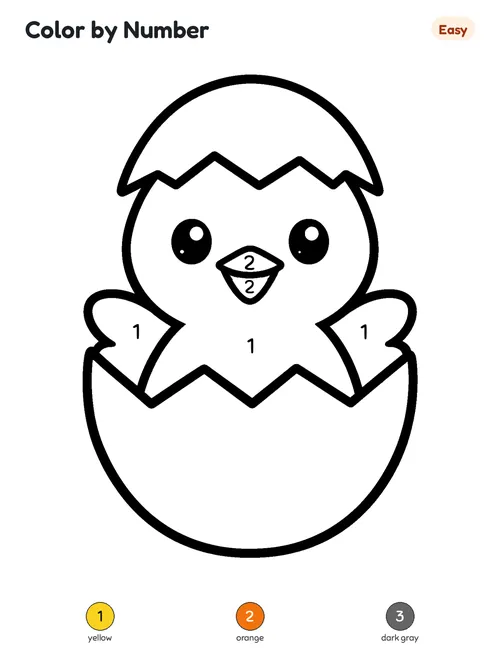


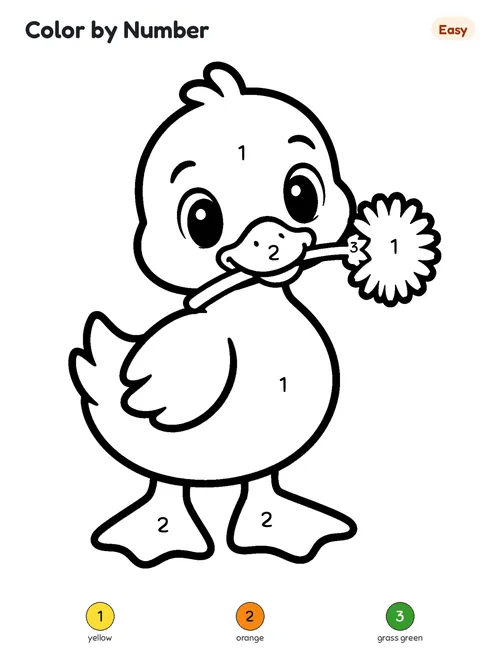

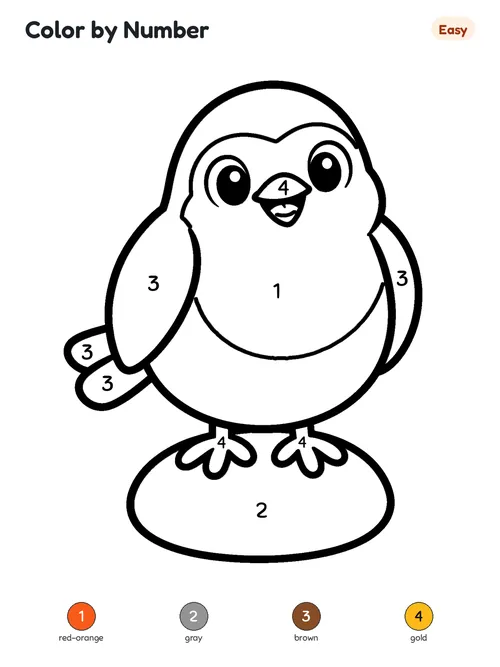


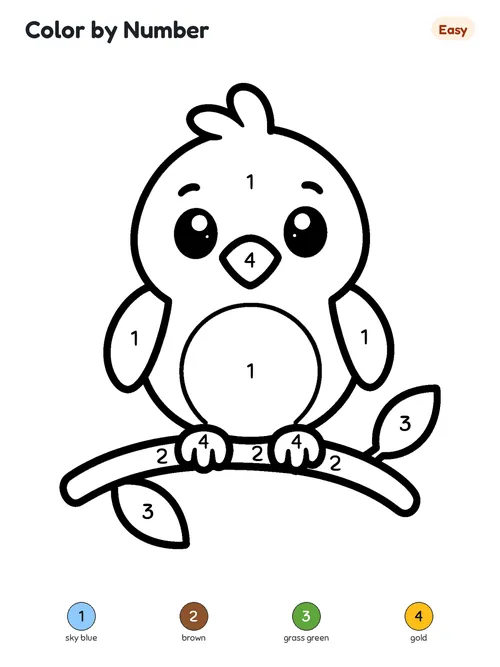


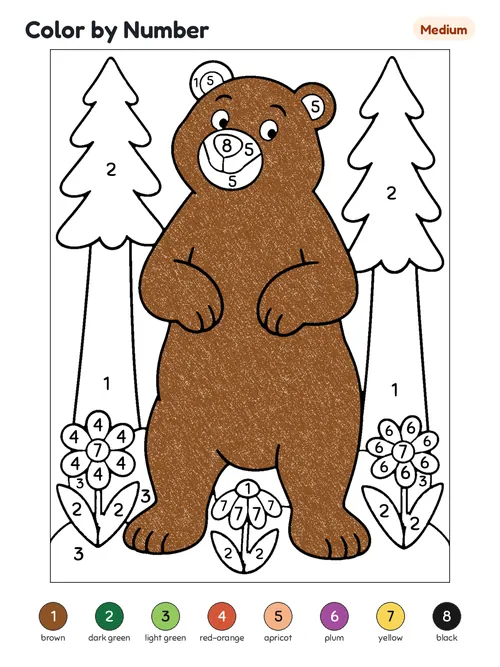
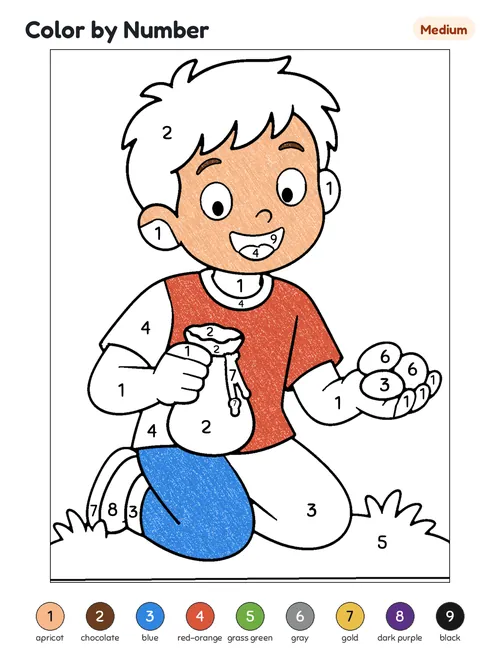
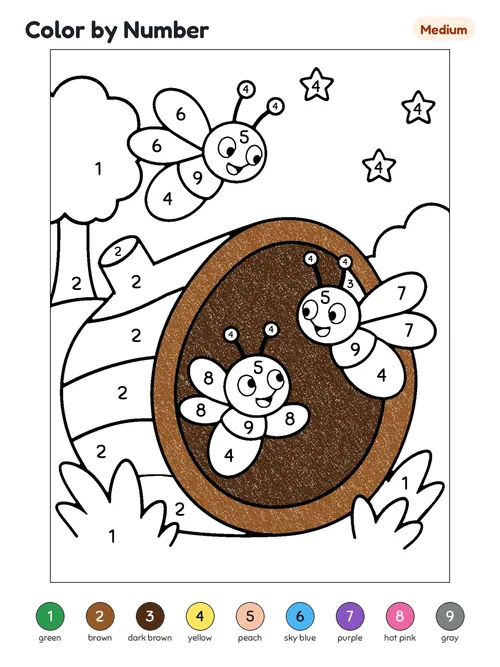
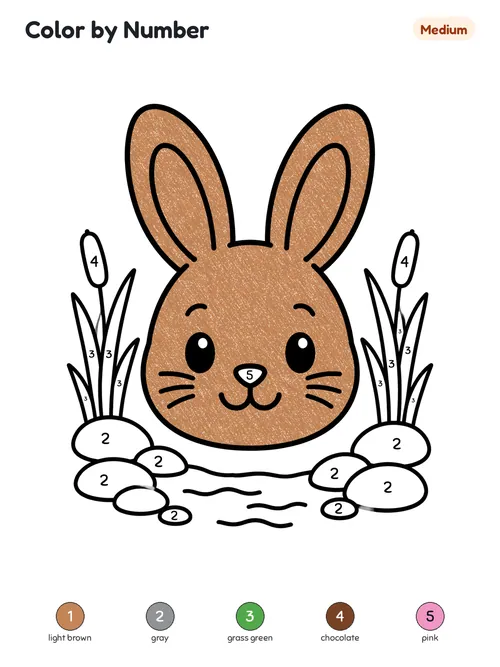
Medium 6 pages · ages 5 to 8


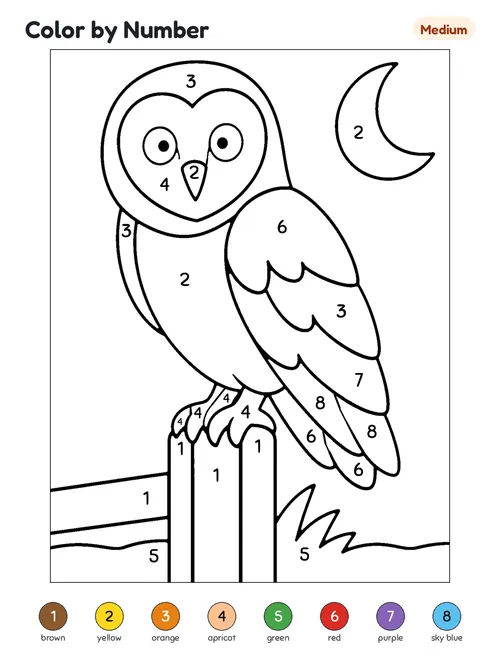

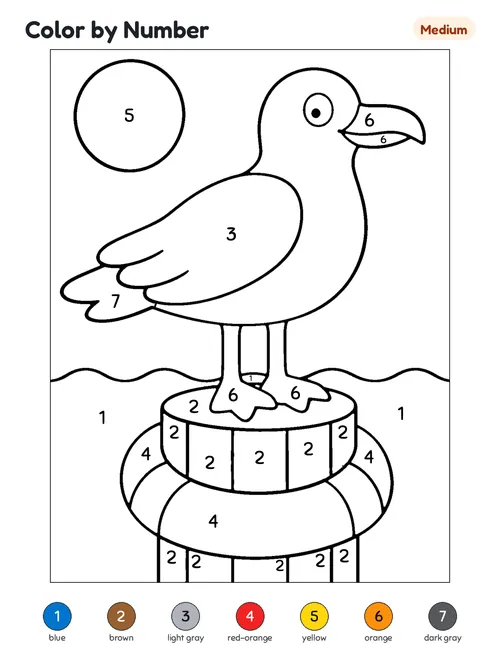


Challenge 3 pages · ages 7 and up


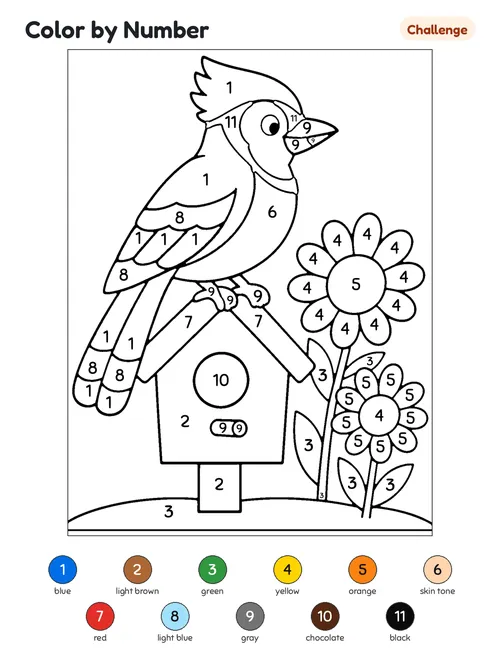


Advanced 4 pages · teens and adults


Feathers, beaks, and backyard color patterns
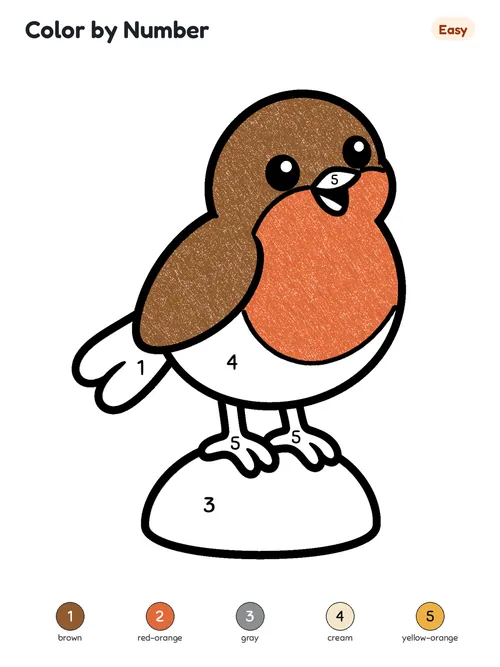
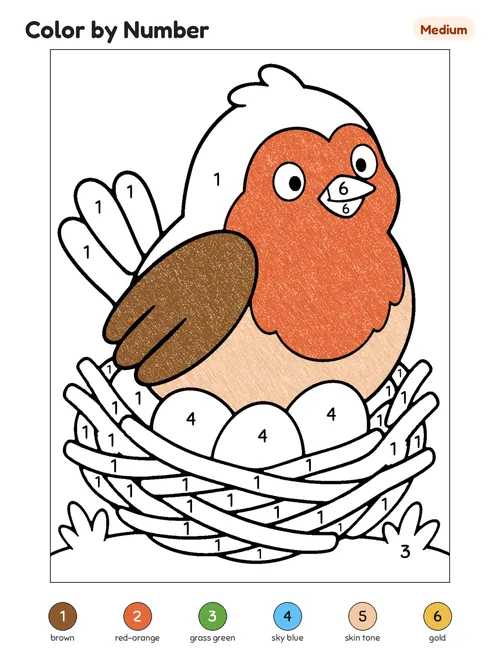
Backyard birds stand out through clear color blocks. A robin carries a warm rusty chest, while a bluebird flashes bright blue wings and a cardinal-like songbird wears bold red. Matching numbers to each section helps children notice real bird markings instead of coloring one flat shade.
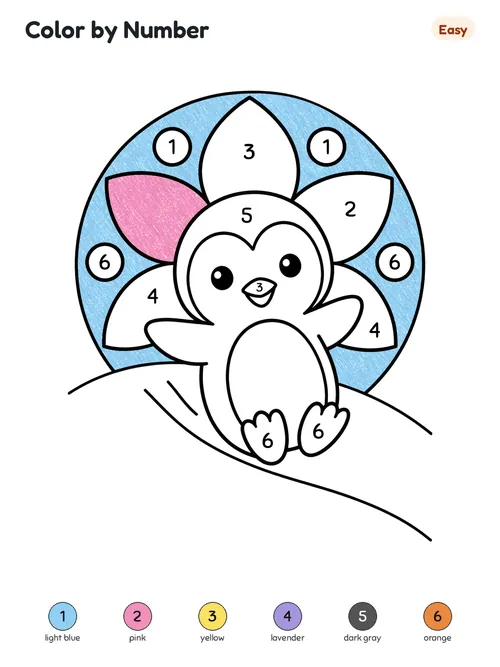
Each free printable PDF includes a labeled color key, and the palette expands with the detail on the sheet. Clean, uncluttered shapes on the chubby robin on pebble page need just a few colors for the beak, belly, and smooth garden stone. Trickier narrow spaces appear on the rooster and sunflowers design, where stained-glass tail feathers beside a wooden fence call for extra shades.
Backyard bird watching and nature journals
Spring songbirds make an effortless anchor for a backyard nature journal. Spend a few quiet minutes by a window spotting beaks, wing shapes, and bright flashes in the trees. Bringing those sightings to the table with color by number birds helps children remember what they saw.
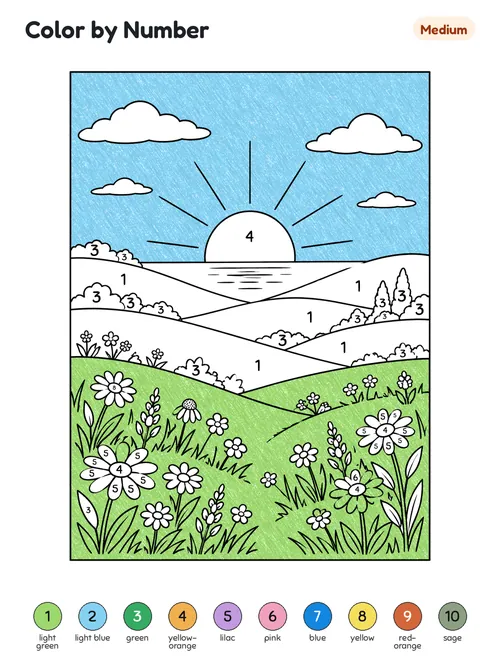
Staple completed sheets into a notebook alongside weather notes and brief habitat details from each window watch. Scenes with tall backyard blooms and green hills help connect bird markings to where local visitors feed. For freehand sketching of yard visitors, our bird coloring pages offer open outlines without numbers.
Layering plumage and detailed feather textures
Birds look far more lifelike when strokes follow the direction of their feathers. Short strokes soften wings, while firm pressure sharpens beaks. Switching from wide markers to sharpened colored pencils keeps narrow wing tips and layered tail bands crisp.
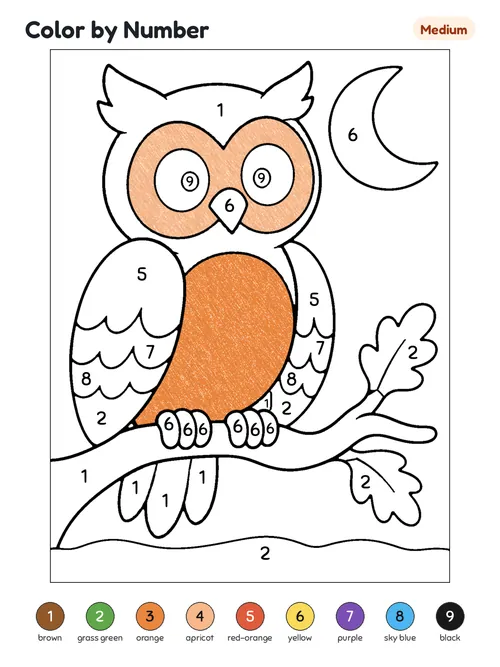
Keep a cup of earth tones nearby for quick shading practice on soft brown plumage and nest details. Gentle pressure on chests paired with firmer strokes on wing tips and beaks brings out depth. Pair daytime songbirds with our owl color by number pages to meet nocturnal birds alongside spring yard visitors.
Questions about Bird color by number
Why do backyard songbirds have such different feather colors and beak shapes?
Bright plumage helps male songbirds attract mates and guard spring territory, while softer browns help females blend into nests. Each beak shape matches a bird's daily diet. Stout bills crack hard seeds, whereas slender beaks reach insects and flower nectar.
How can kids make bird feathers and wings look layered instead of flat?
Short strokes along the wing curve mimic overlapping feathers. Press gently on soft chests, then shade wing tips and beaks more firmly for depth. Leaving a tiny white speck in the eye makes any robin or bluebird look lively.
How can families turn spring bird sheets into a backyard nature journal activity?
Start with a brief yard walk or window watch to spot local spring songbirds. Talk together about each visitor's colors and beak. Children can then finish a bird sheet, clip it into a folder, and jot down the weather or habitat.