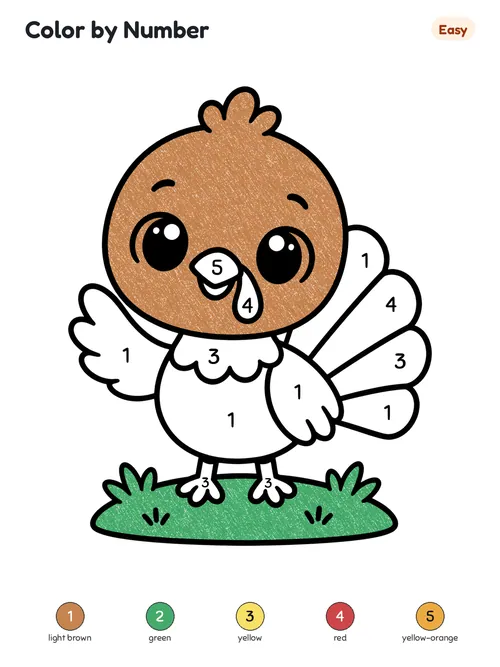
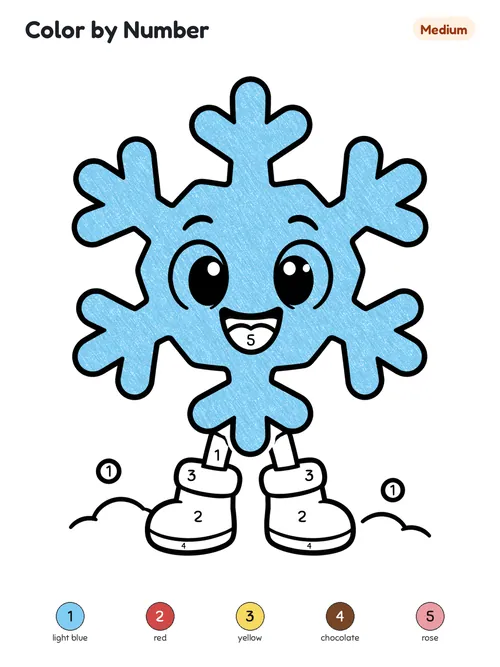
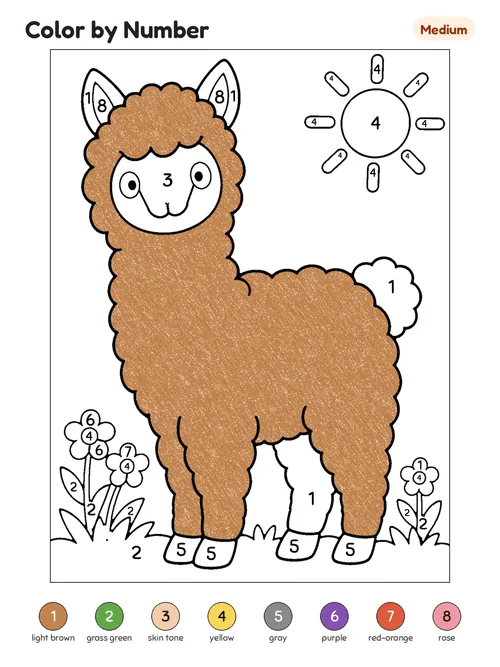
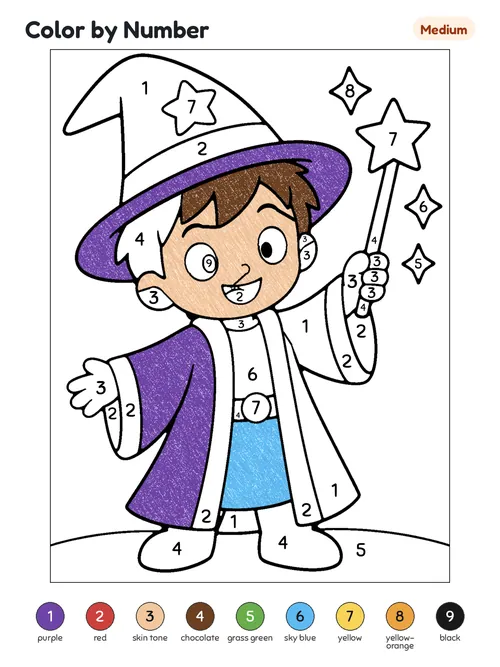
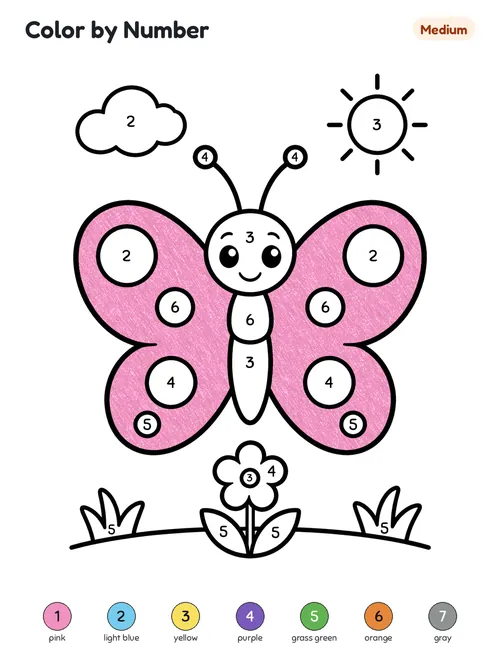
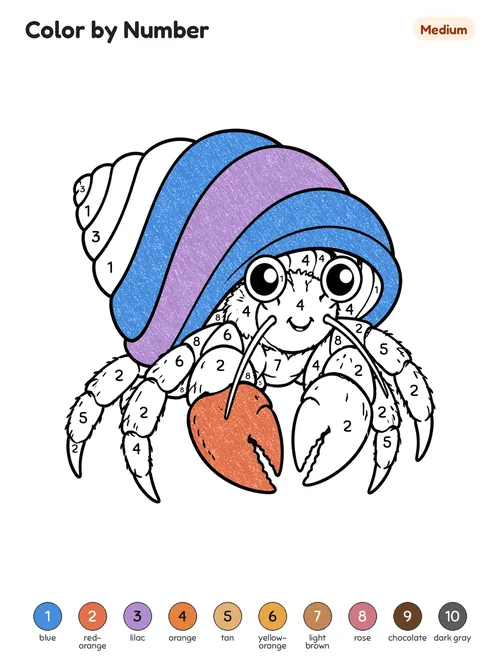
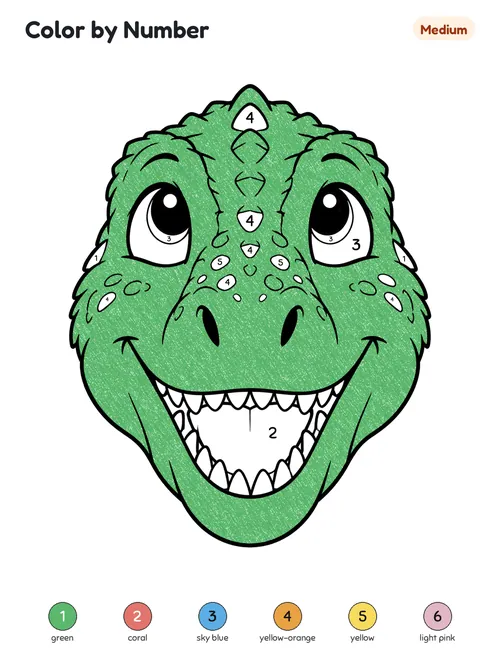
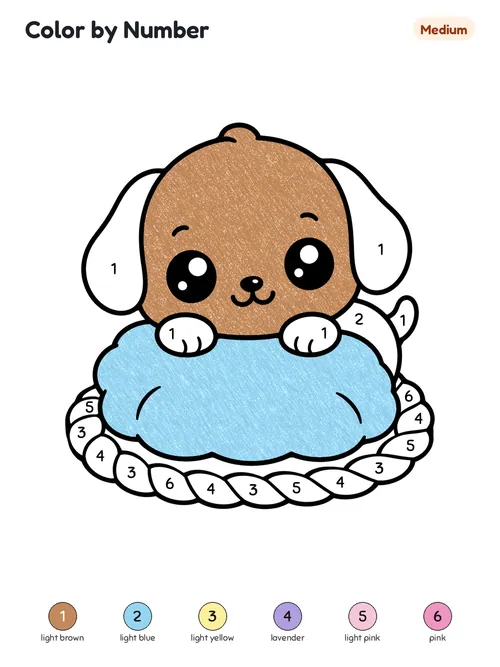
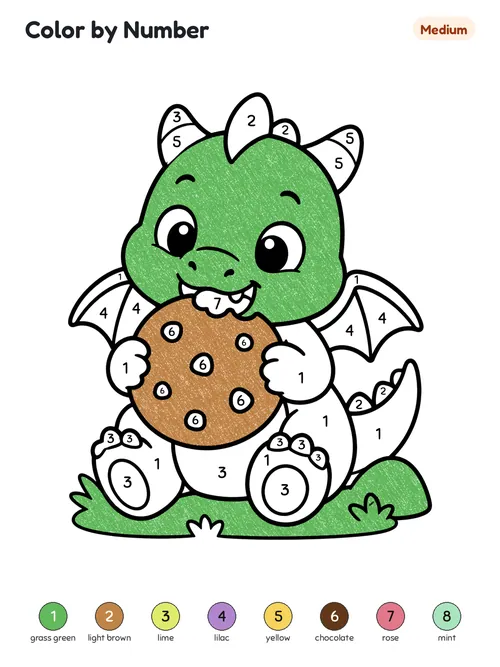
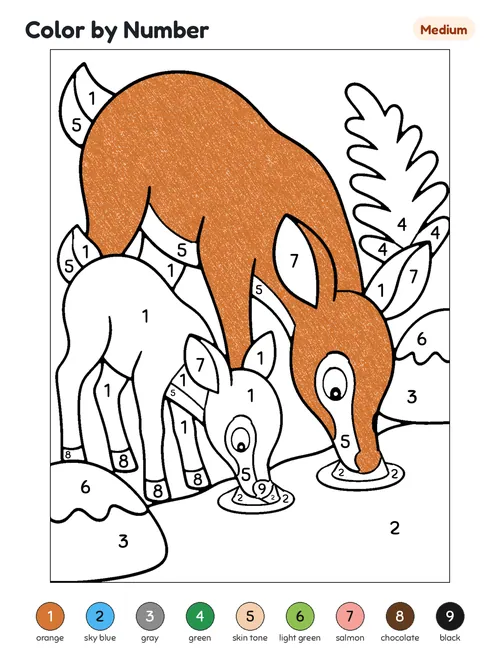
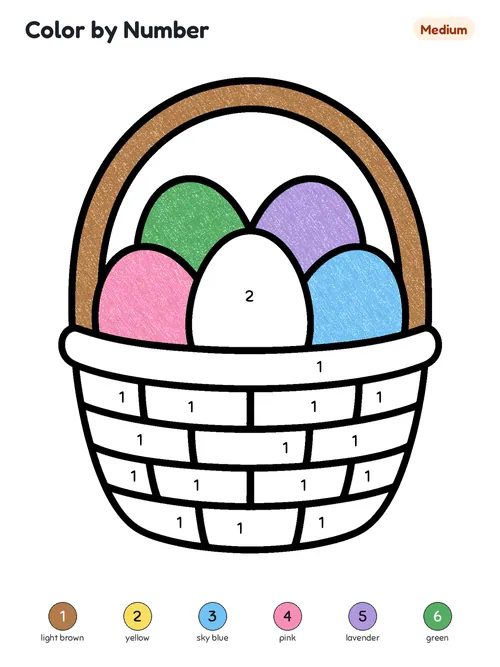
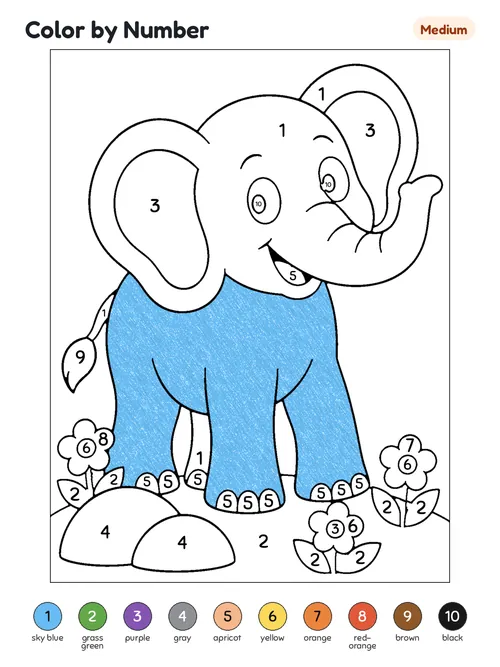
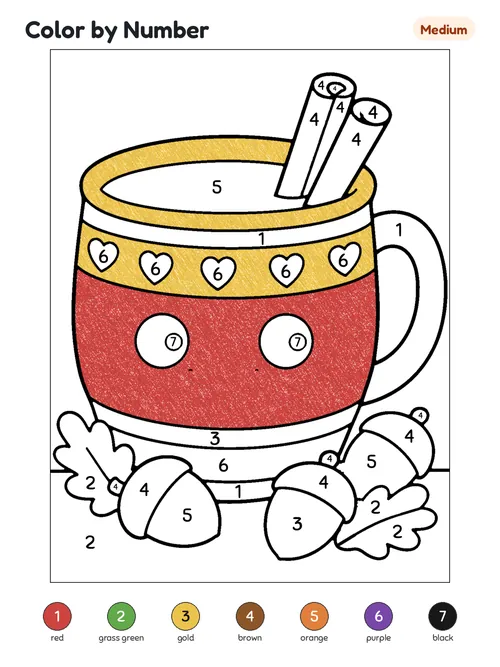
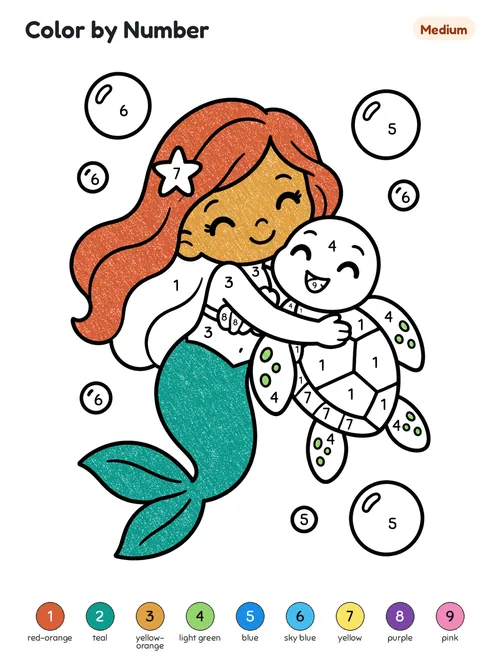
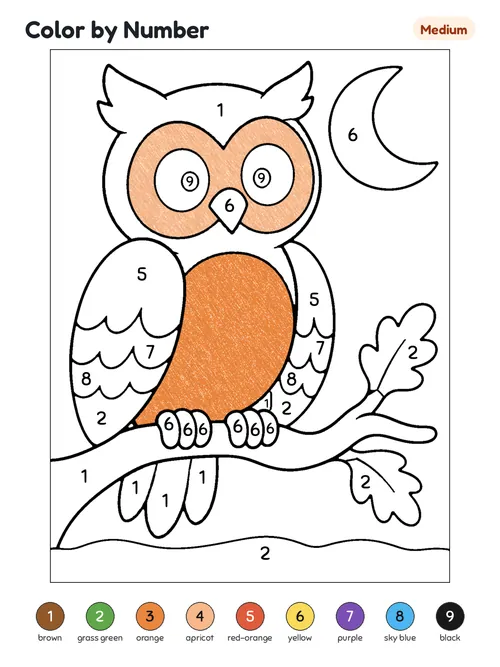
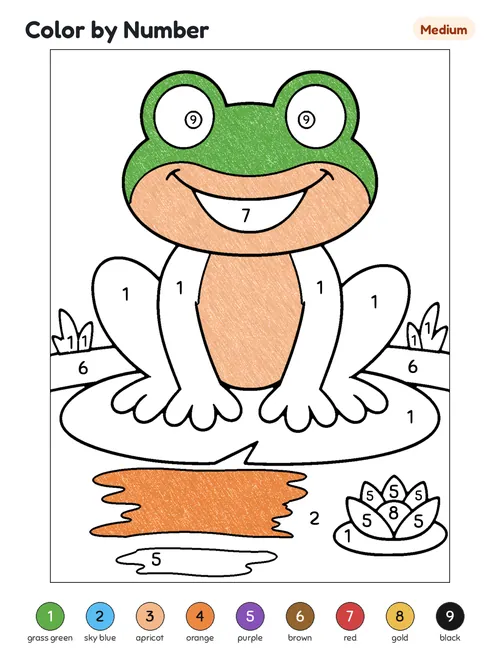
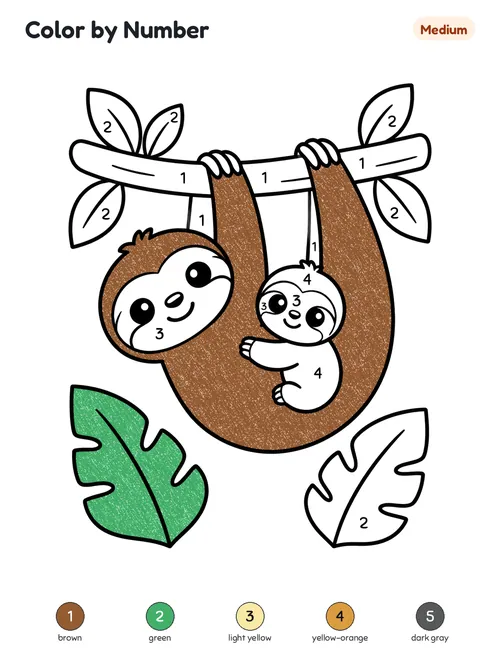
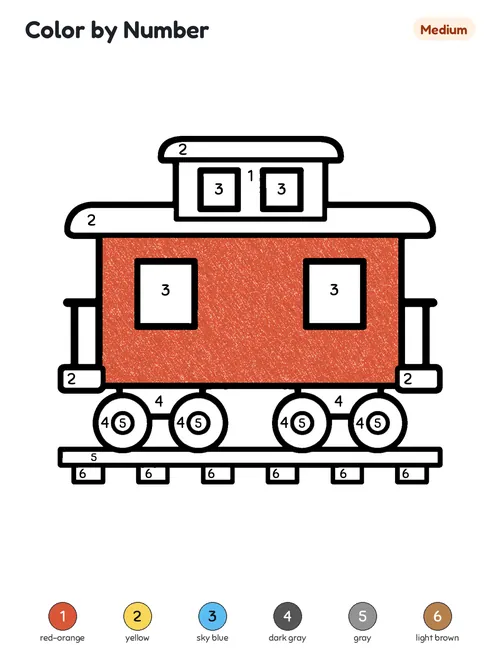
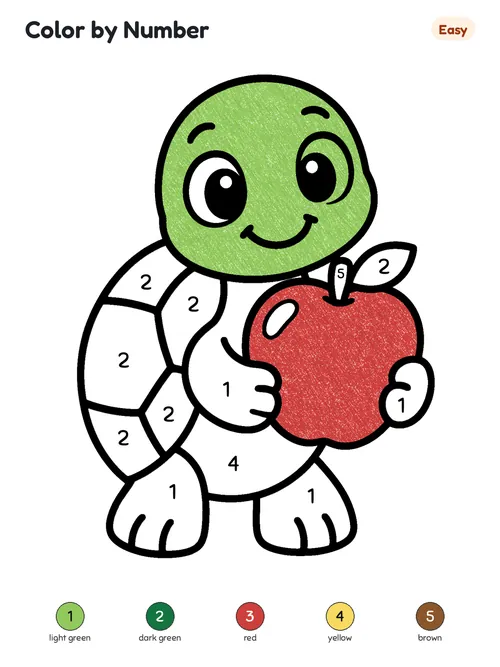
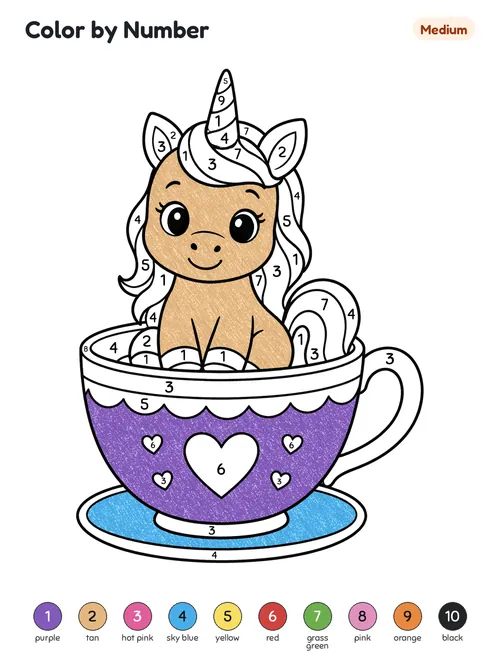
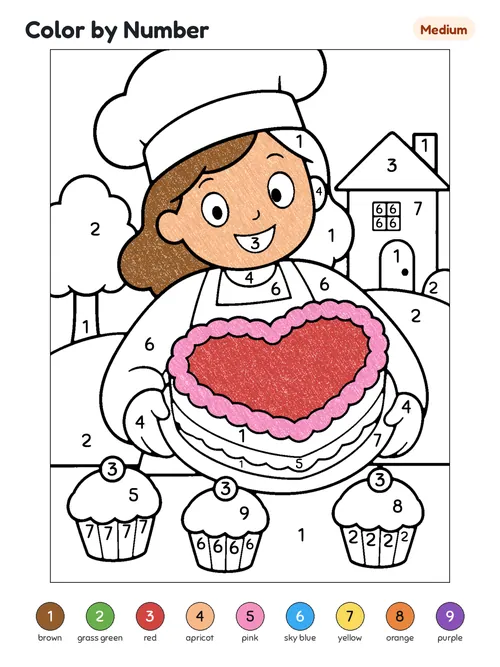
Bug color by number pages
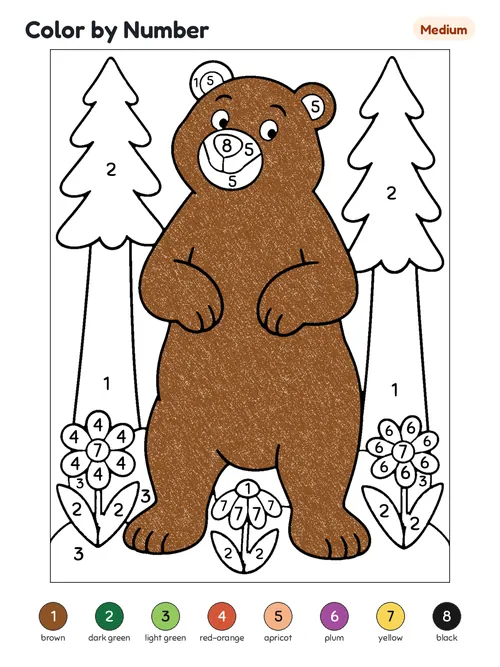
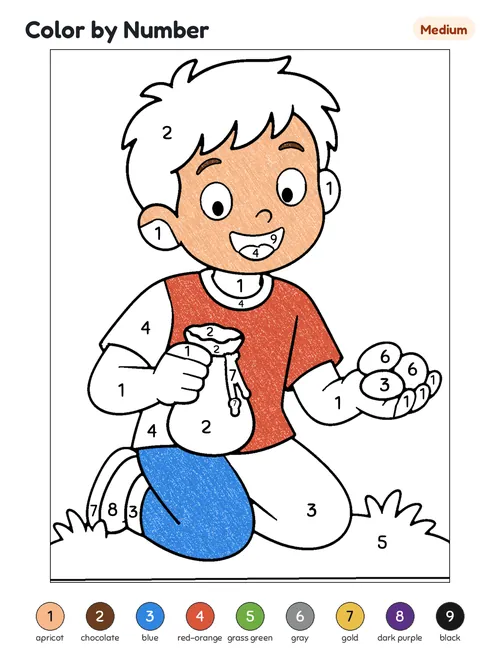
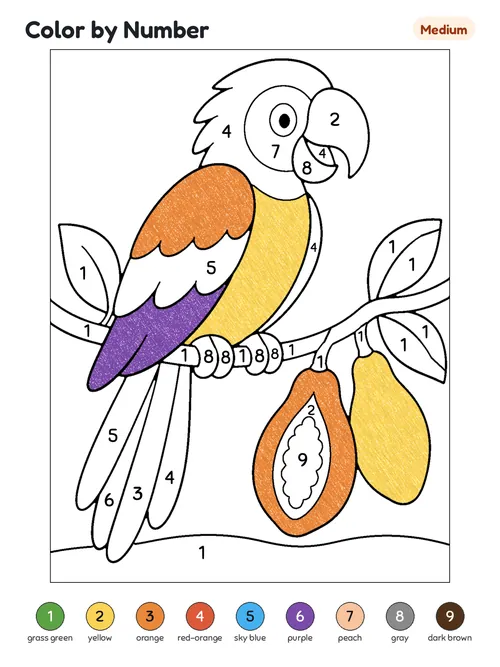
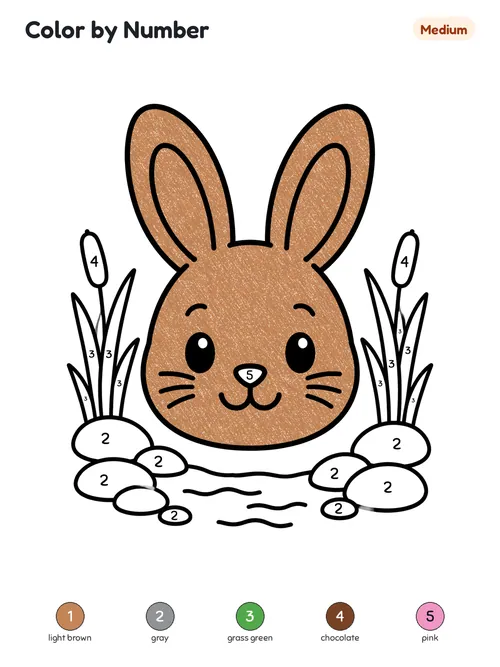
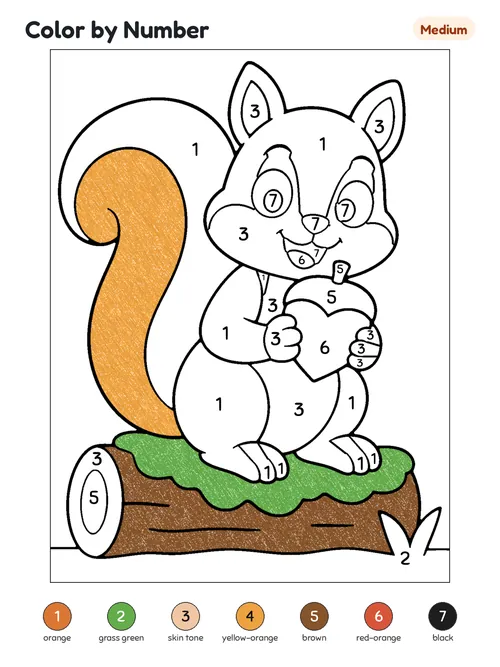
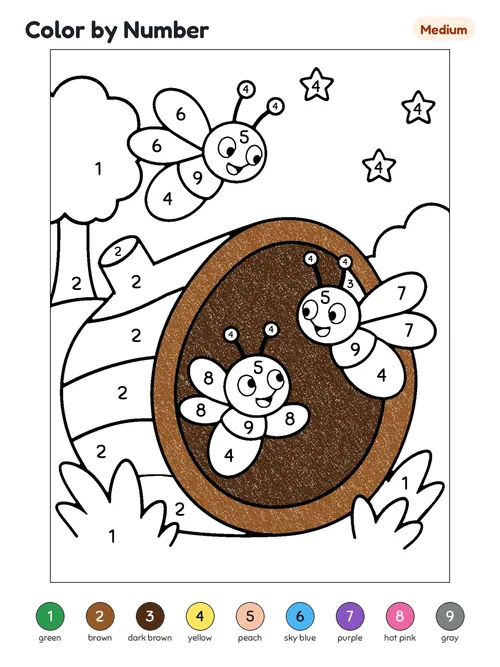
Spring garden walks turn up crawlers everywhere. This set brings 24 bug color by number pages: 6 easy pages for preschool with bold lines, 14 medium pages, and 4 advanced pages for teens and adults.
PDF paper size:
Easy 6 pages · ages 3 to 6


Medium 14 pages · ages 5 to 8


Advanced 4 pages · teens and adults


Counting six legs in the backyard
Real garden insects follow a clear body plan. Ladybugs, bees, ants, and beetles all have six legs and three body parts, so kids can spot true insects easily while coloring.
Not every backyard crawler fits that rule. Snails carry a coiled shell and spiders belong to a separate family, so neither creature counts as an insect. Have children sort finished color by number bugs into insects and non-insects after the crayons are put away.
Caterpillar life cycles and science walks
Spring and summer science walks pair naturally with coloring. Take a magnifying glass outside, then compare real bugs indoors while tracing how a caterpillar eats, grows, and turns into a butterfly. Young readers often pick the caterpillar nibbling apple, with a plump caterpillar and garden foliage, then move to our butterfly color by number pages.
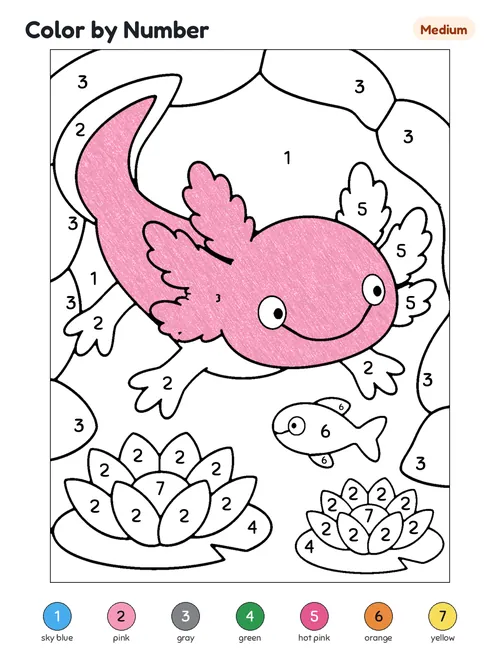
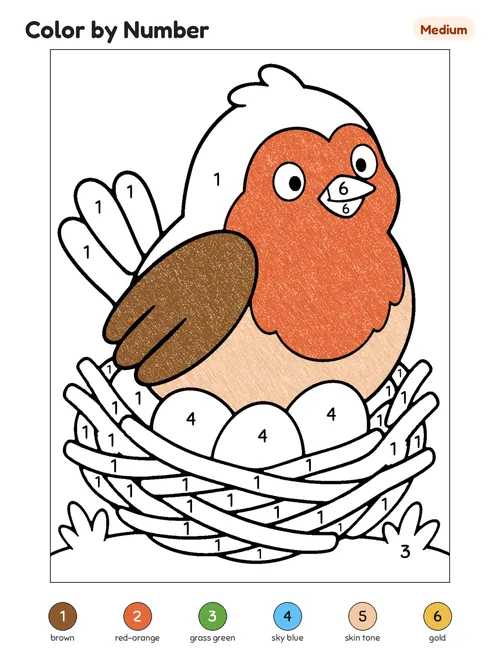
Set out pre-k color by number bug worksheets after morning outdoor time, or switch to open-ended bug coloring pages for free drawing. Every free printable PDF includes a color key with swatches and color names. Non-readers can follow each color swatch without adult help. Older artists wanting quiet focus can try the ornate dragonfly over lotus pond, featuring intricate lotus blossoms inside a stained glass pond border.
Questions about Bug color by number
Why are snails and spiders not considered true insects?
True insects share six legs and three body parts: a head, thorax, and abdomen. Spiders are arachnids with extra legs and a different body shape, while snails are legless mollusks in a shell. Everyday speech lumps them together as bugs, yet scientists separate them.
How can kids color shiny beetle shells and clear dragonfly wings?
Leave a thin sliver of white paper along the curve of a beetle shell to suggest sunlight glinting off its back. For dragonfly wings, shade lightly with pale blue or gray pencils so each wing section stays airy rather than heavy.
How do bug worksheets fit into a spring or summer garden science walk?
Walk outdoors first so children can watch ants, bees, ladybugs, or caterpillars in grass and flowerbeds. Back indoors, offer matching sheets to help kids recall each crawler's colors, count its legs, and discuss its habitat. Older students can also label body parts in the margins.