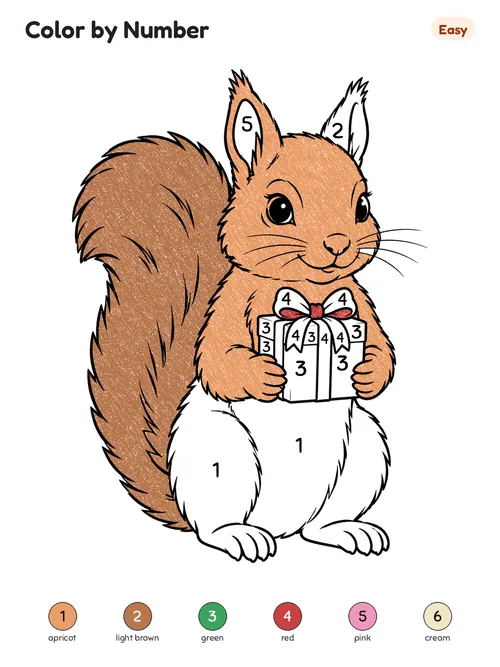
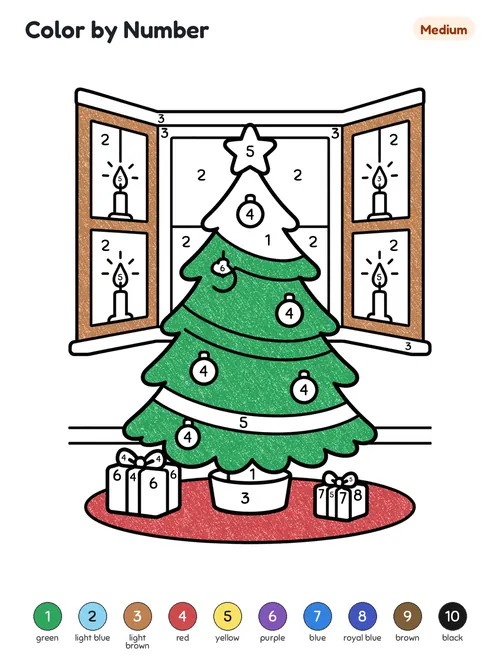
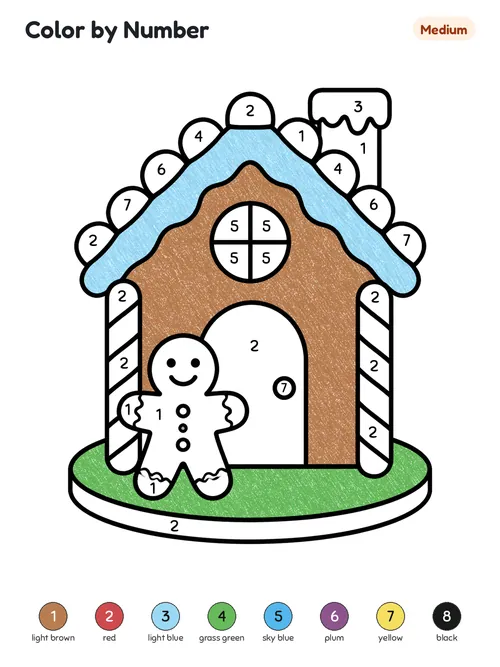
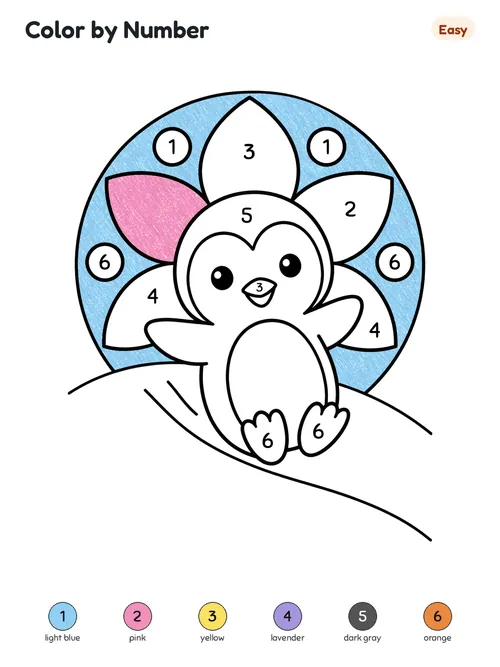
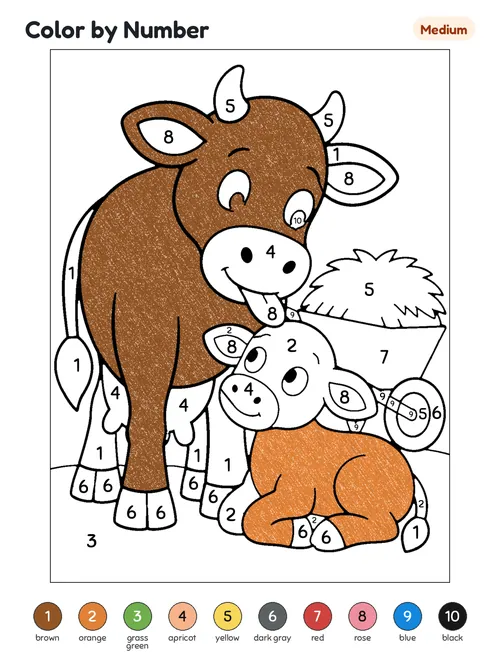
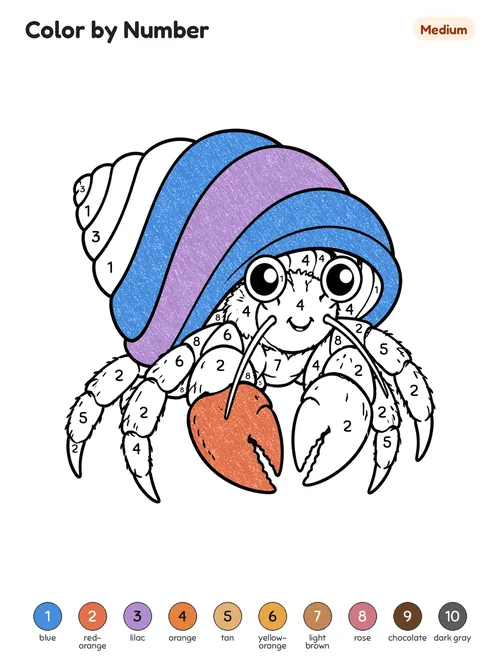
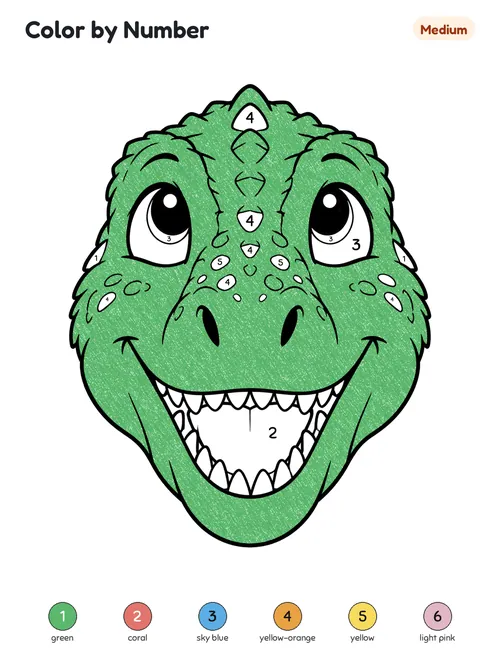
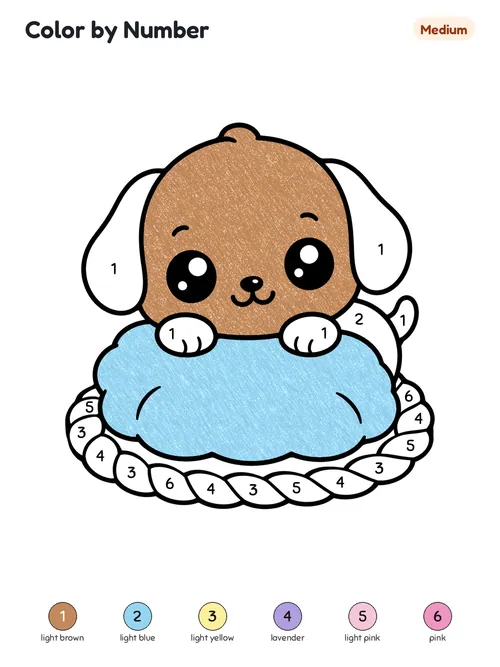
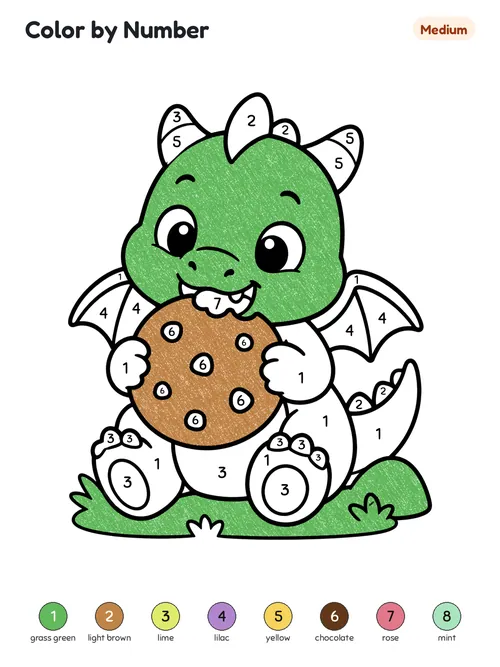
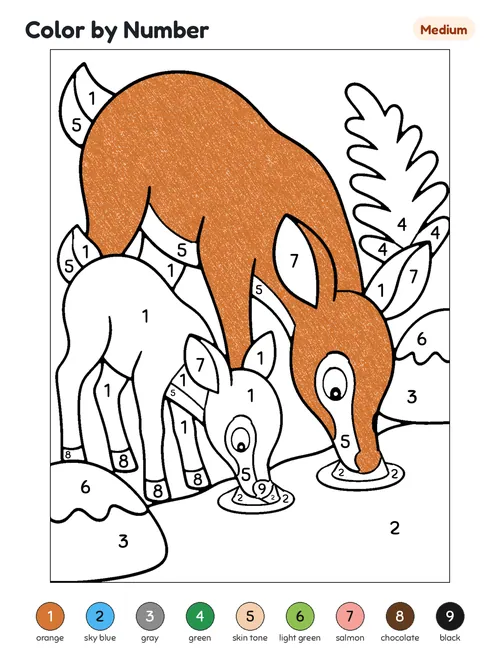
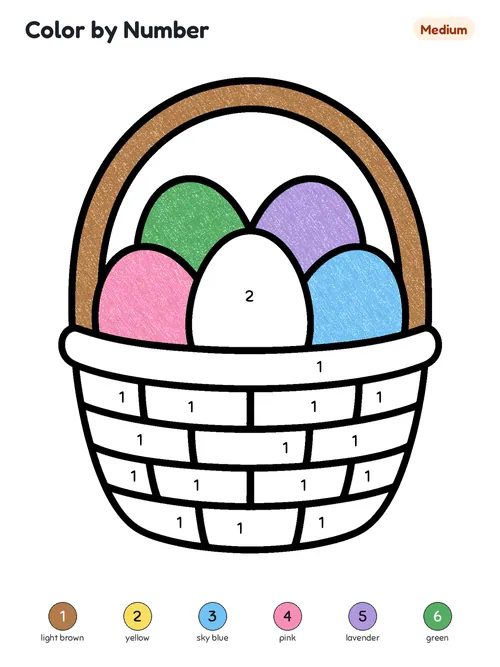
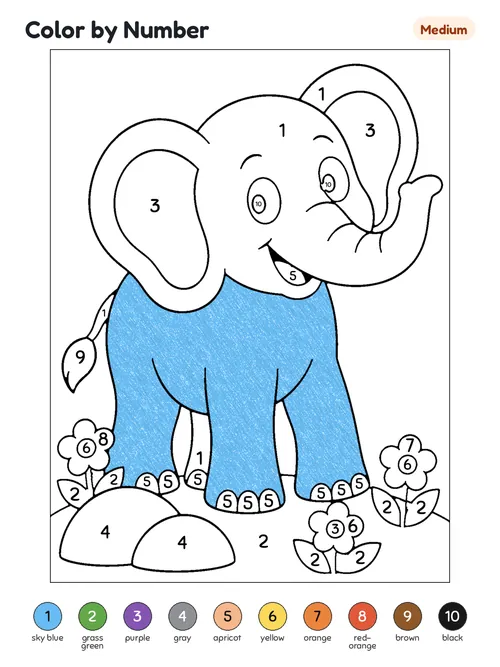
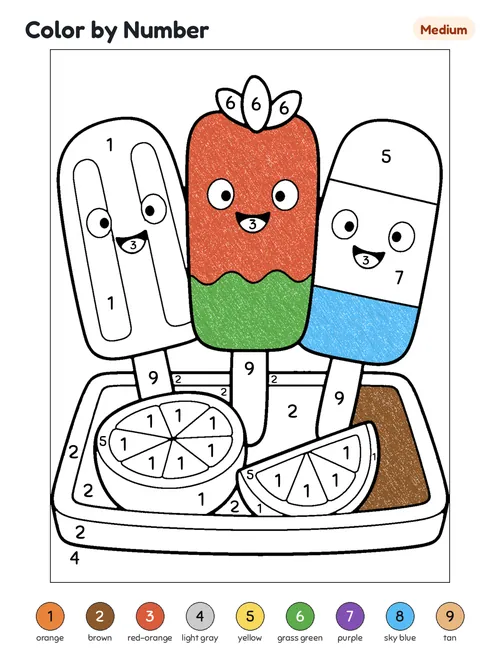
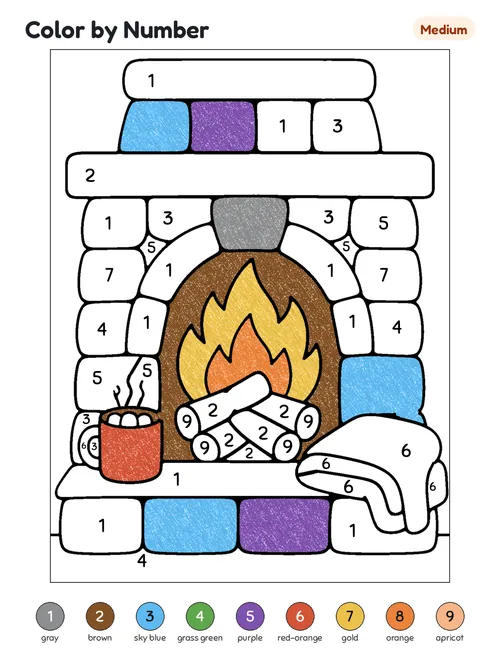
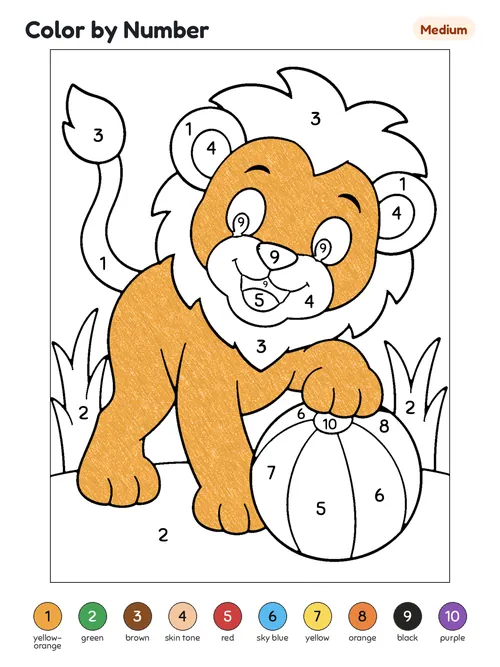
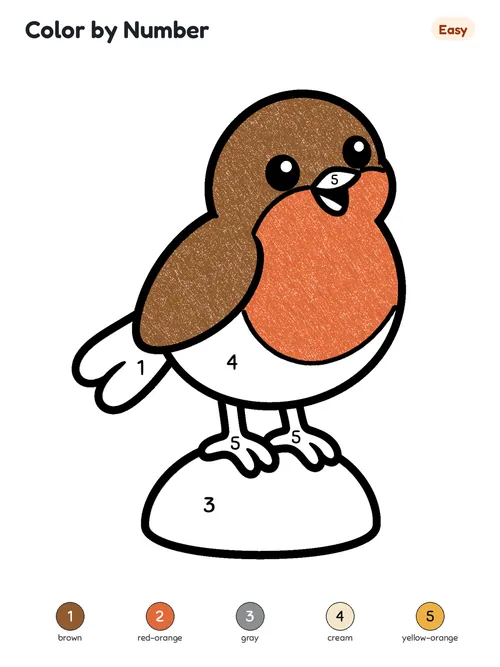
Turtle Color by Number Pages
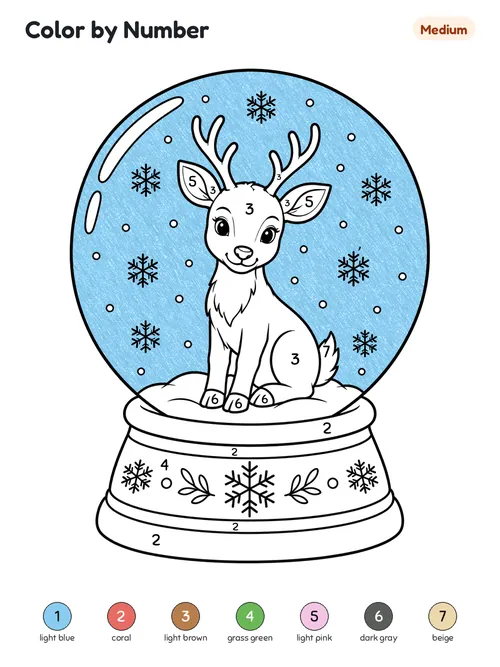
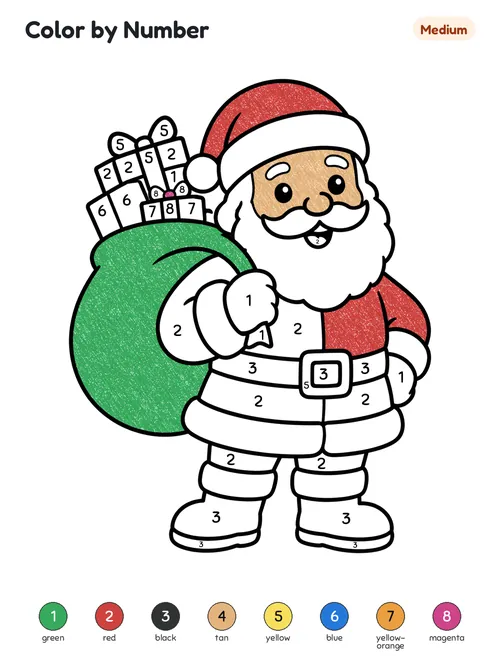
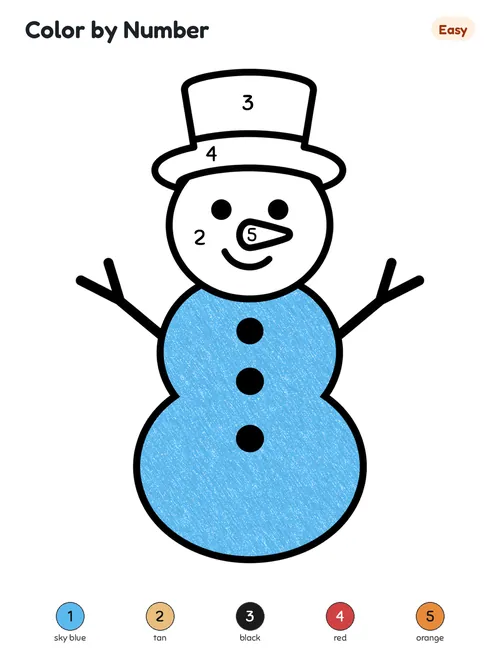
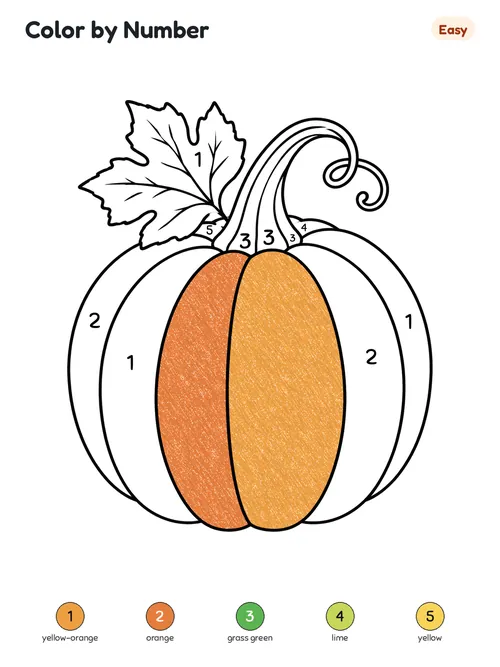
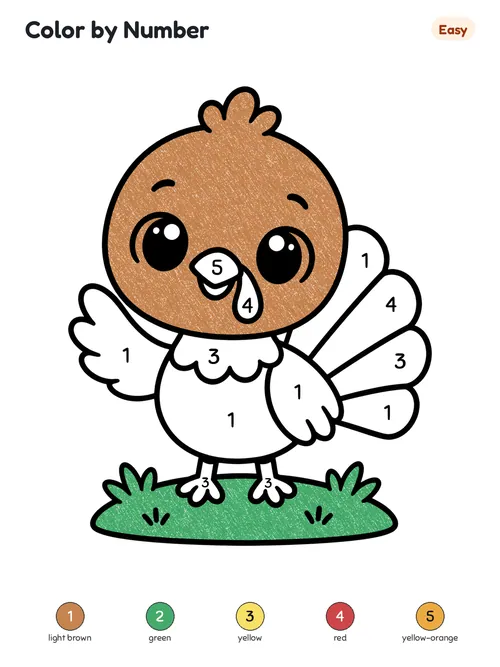
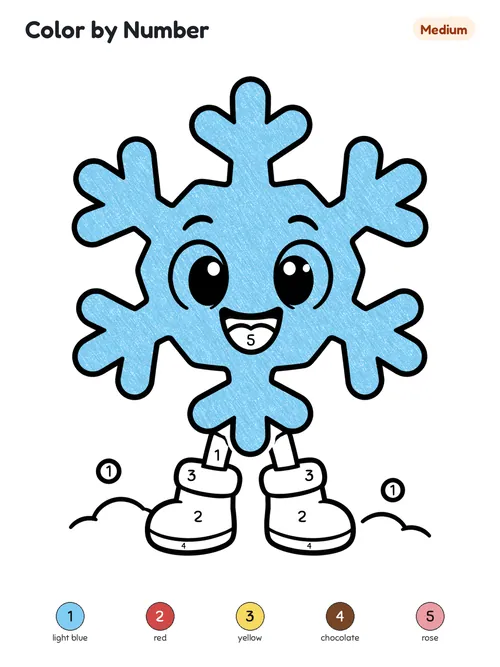
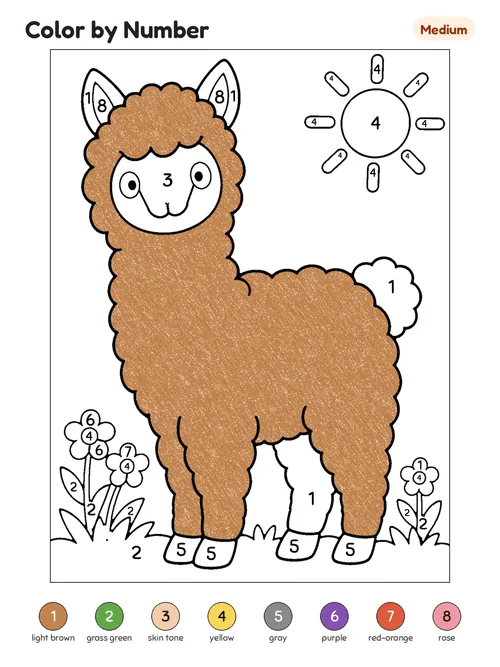
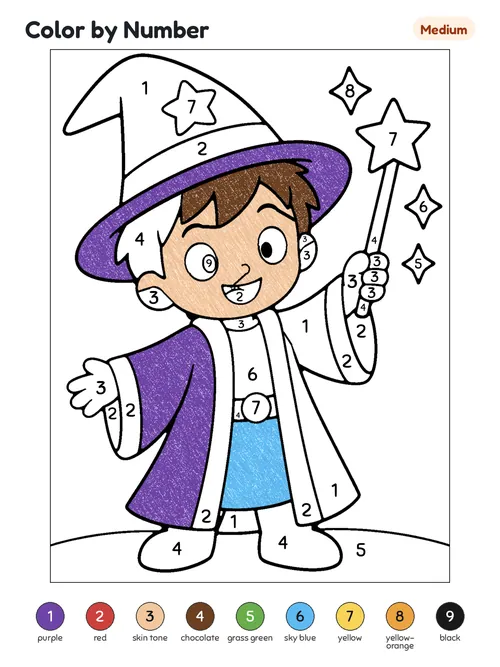
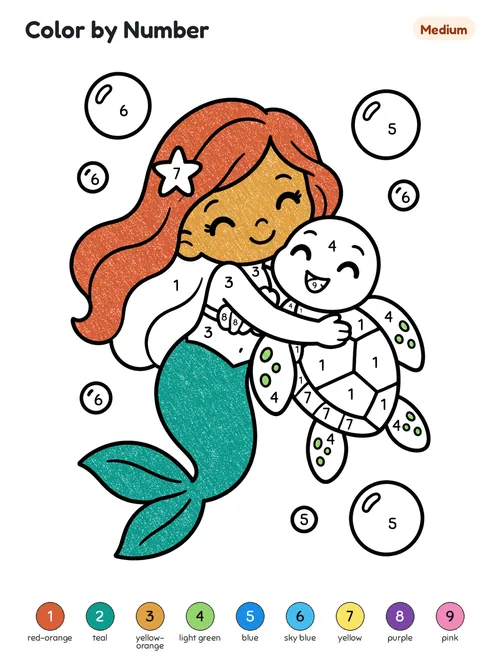
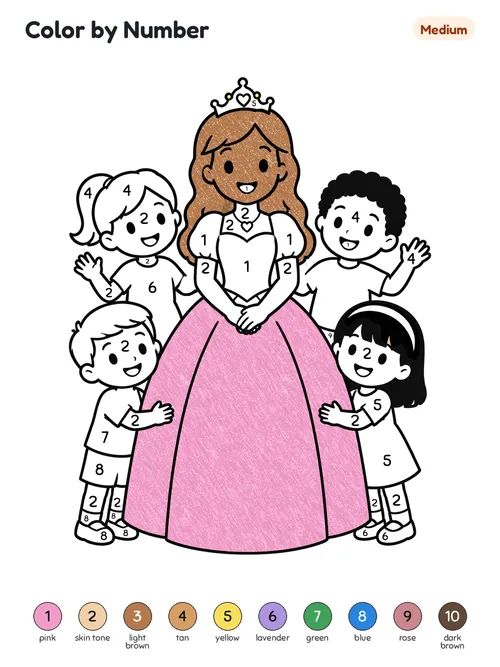
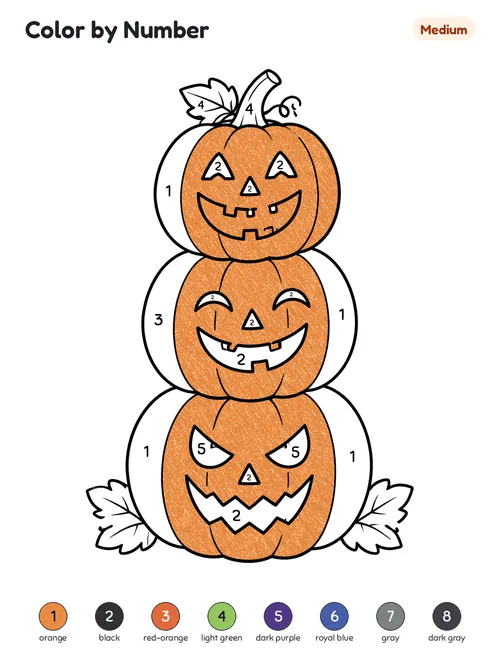
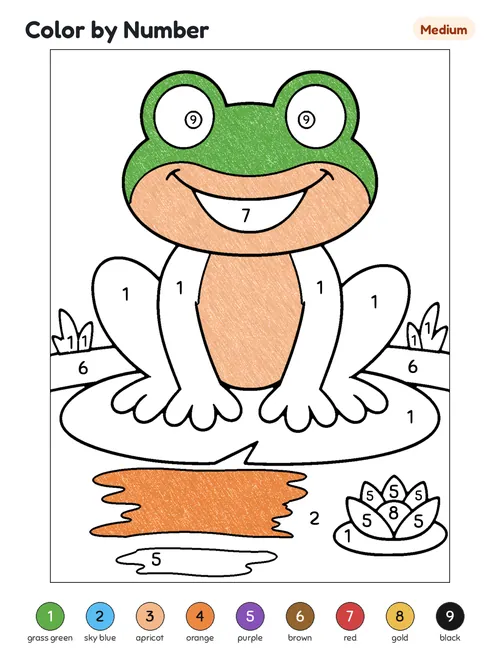
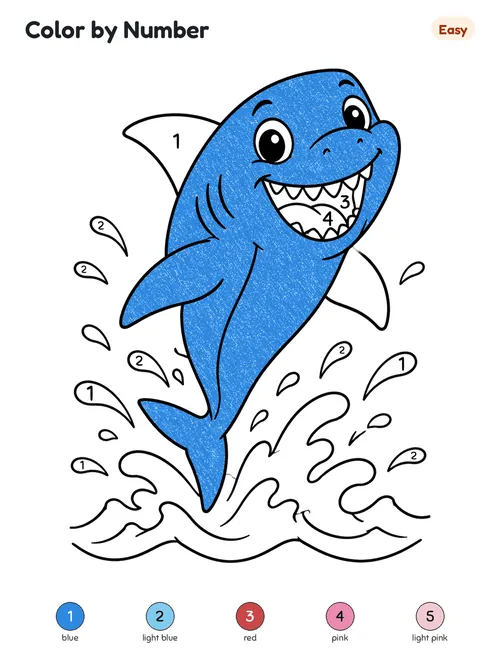
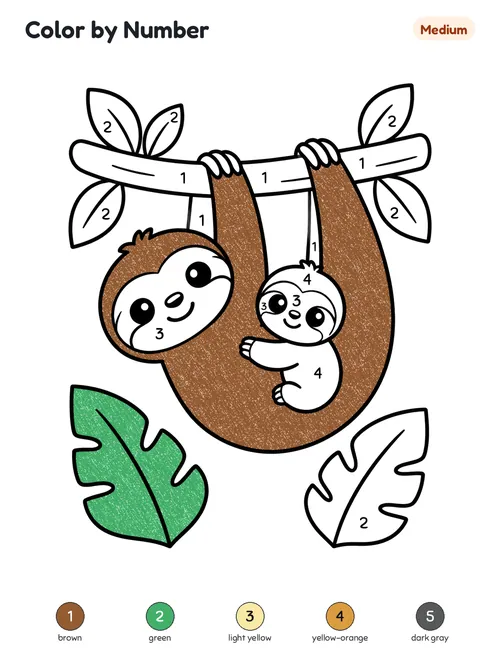
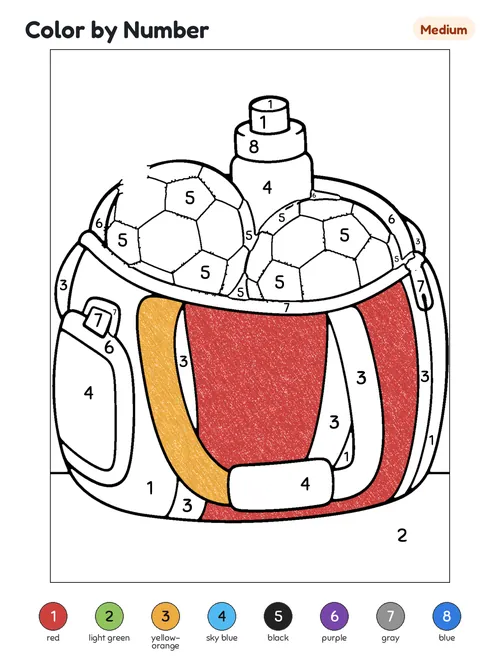
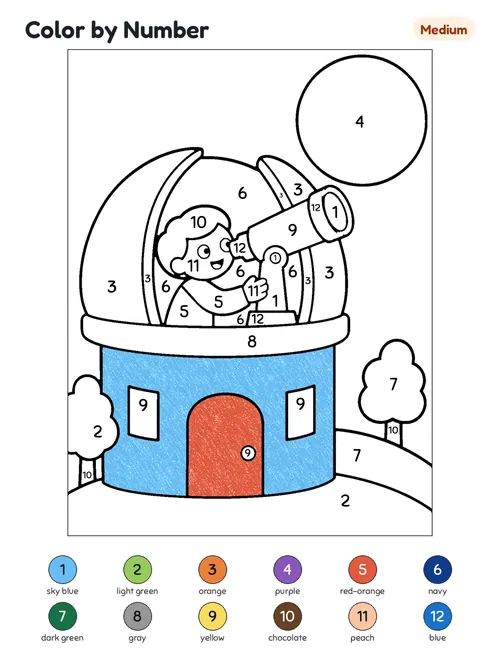
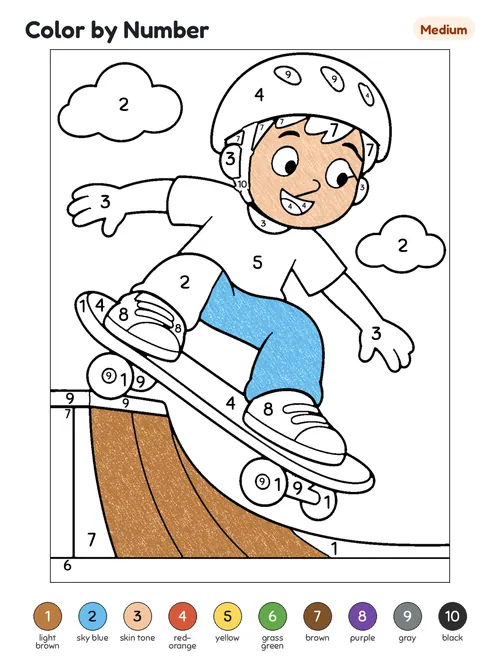
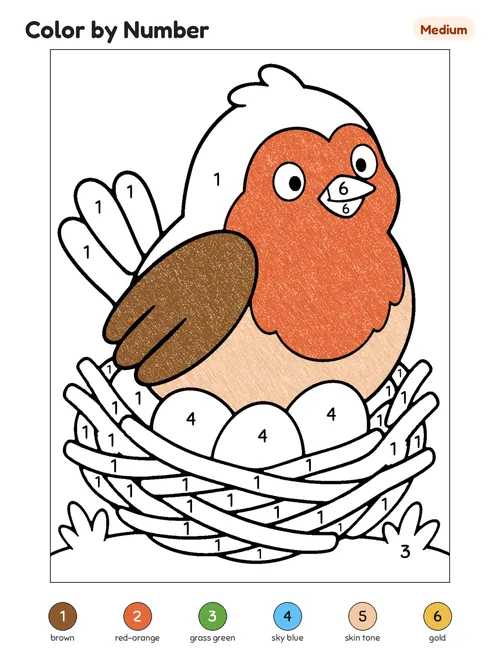
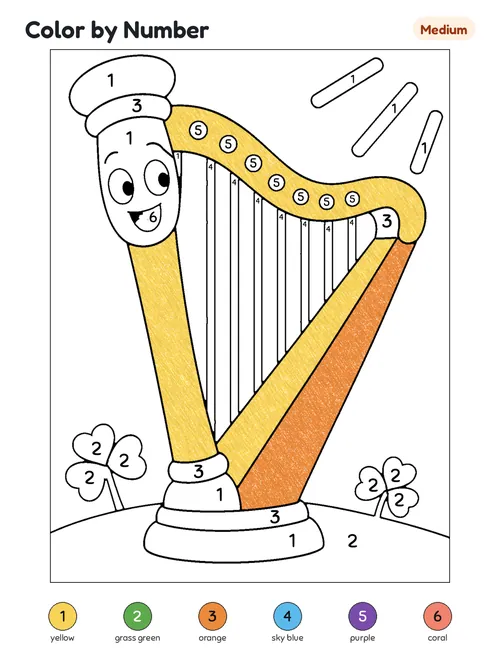
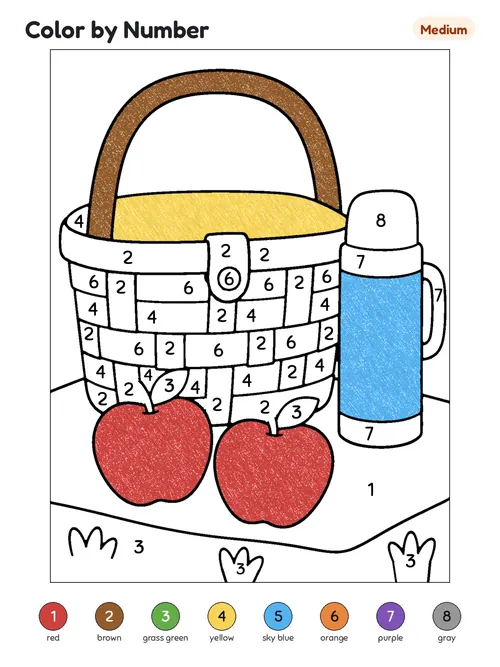
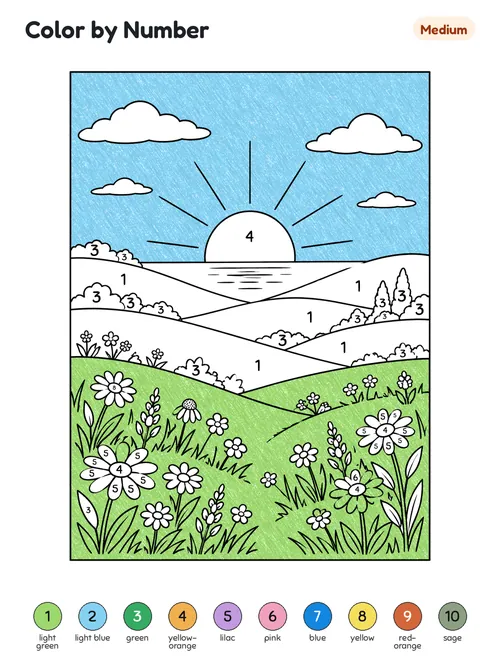
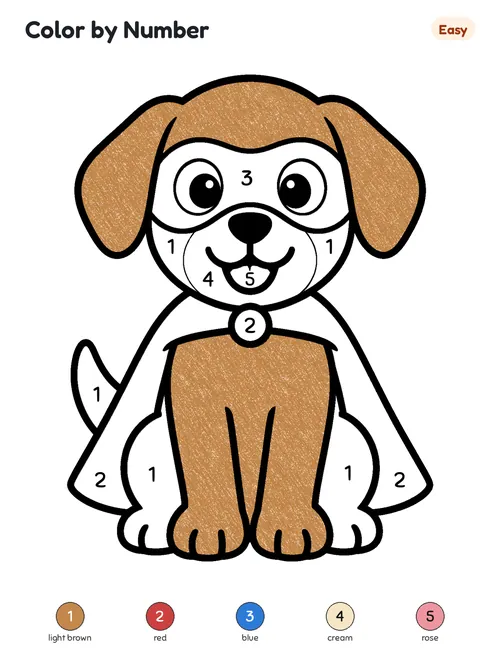
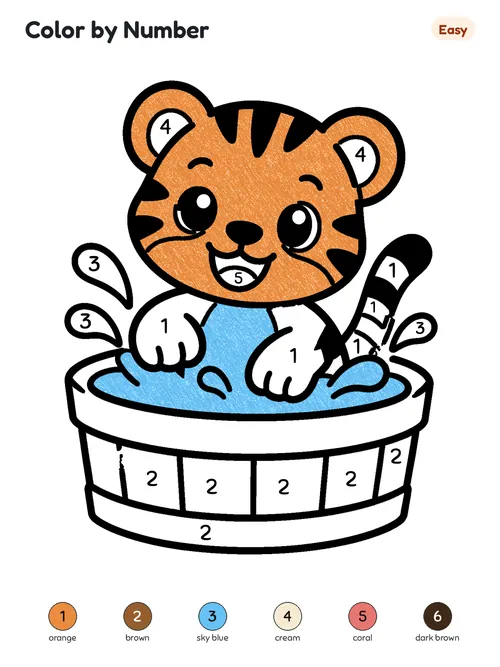
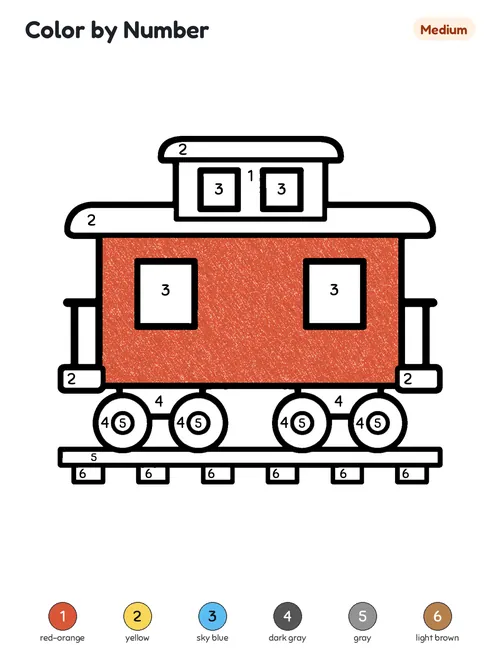
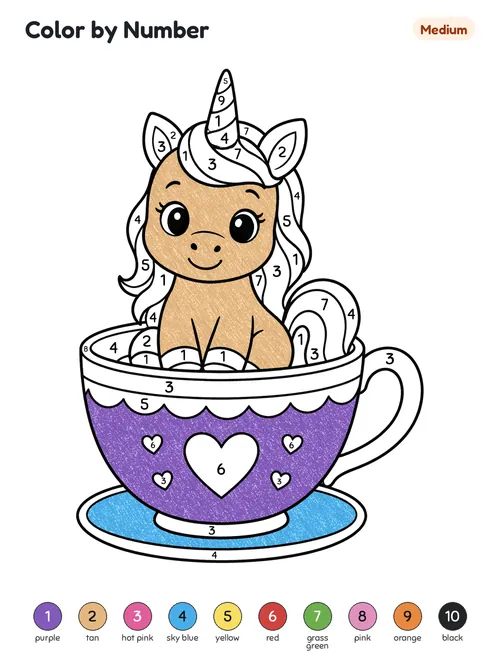
Domed shells and gliding flippers reward a steady hand. Here are 24 turtle color by number pages: 10 easy pages for preschool with bold lines, 7 medium pages, 3 challenge pages and 4 advanced pages for teens and adults.
PDF paper size:
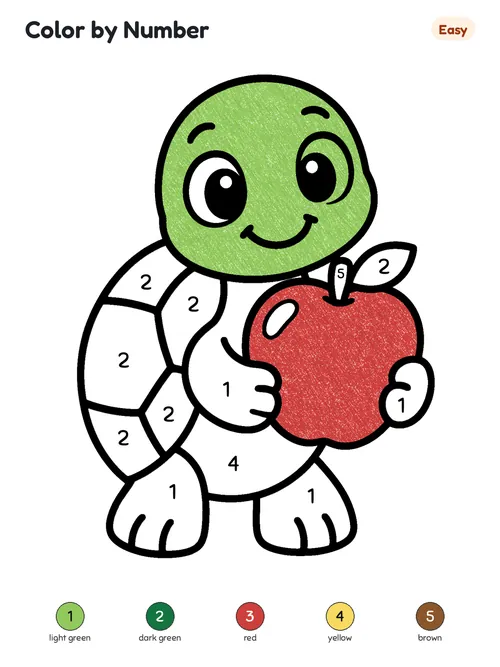
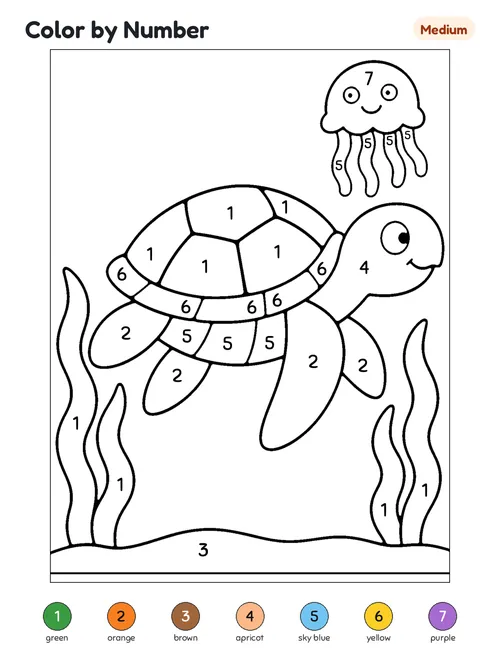
Easy 10 pages · ages 3 to 6
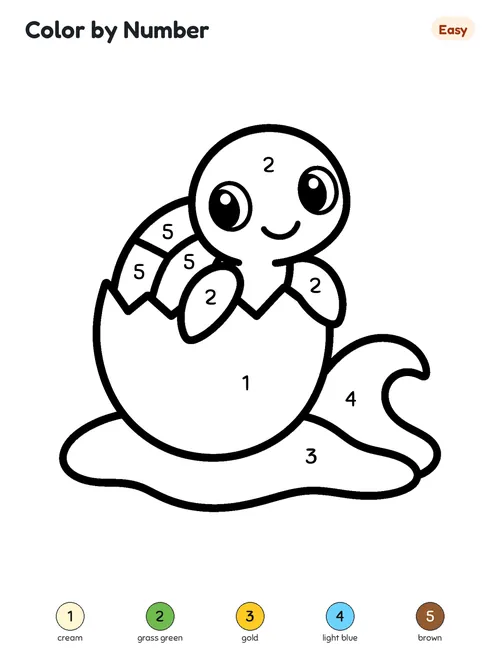

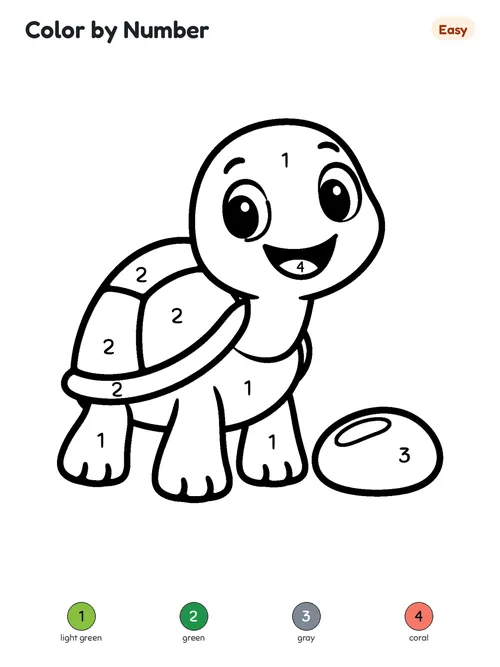

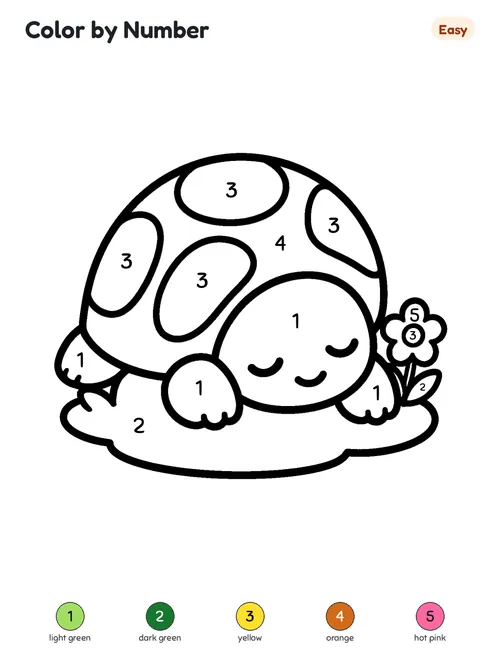

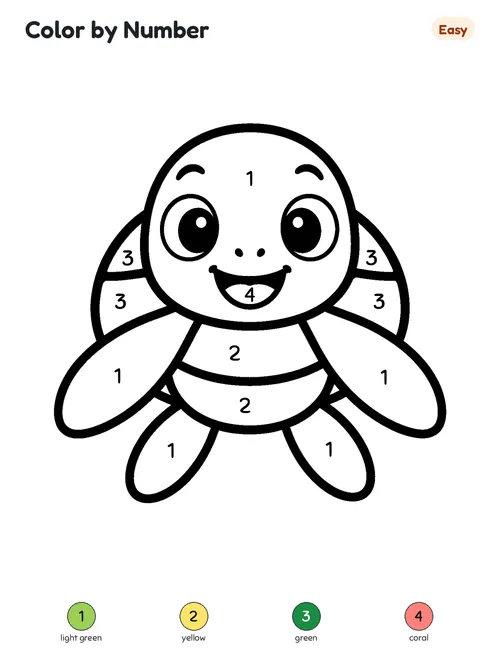


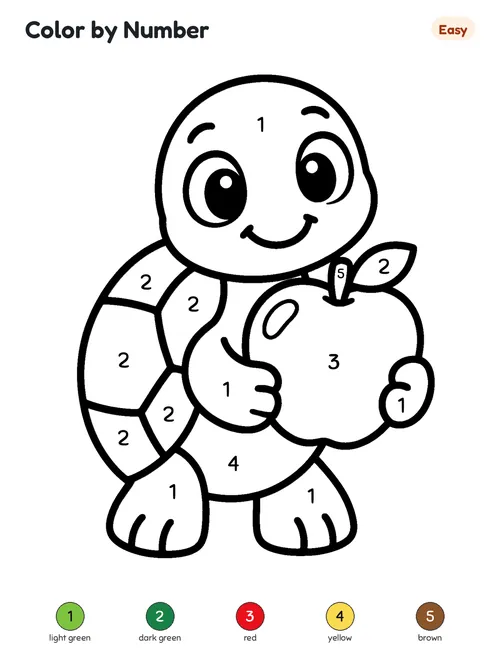

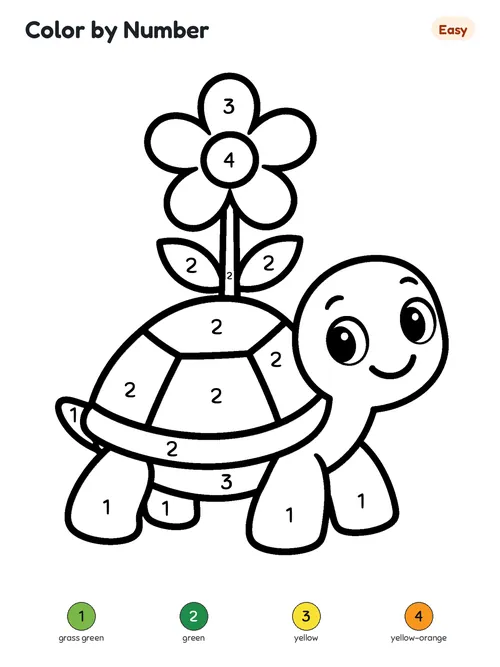

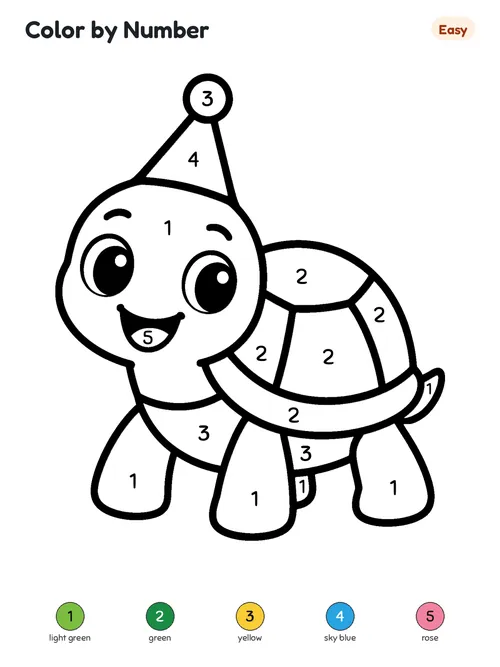


Medium 7 pages · ages 5 to 8
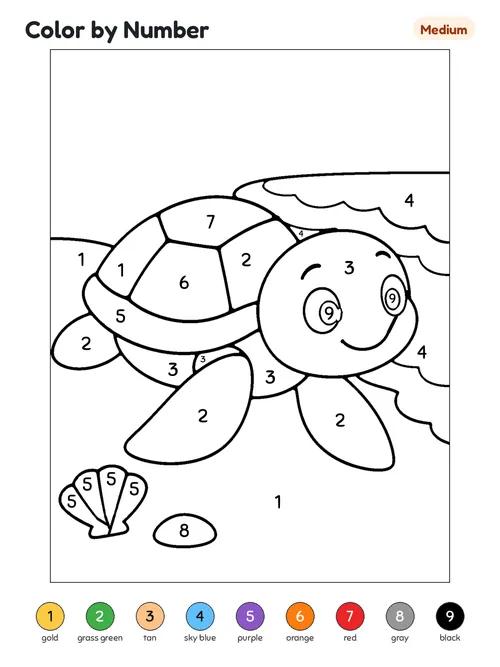




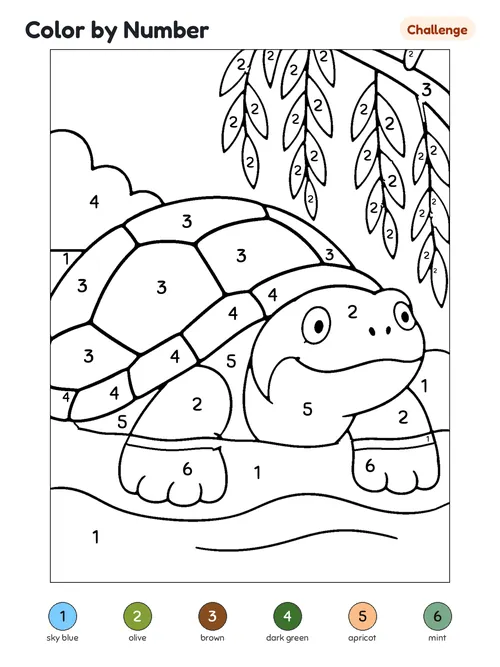
Challenge 3 pages · ages 7 and up




Advanced 4 pages · teens and adults


Sea turtles and tortoises side by side
Children often mix up water turtles and land tortoises until they look closely at the legs and shell shape. Sea turtles paddle with flat flippers, while tortoises walk on sturdy feet beneath a high, domed shell. Spot the habitat clues before picking up crayons.
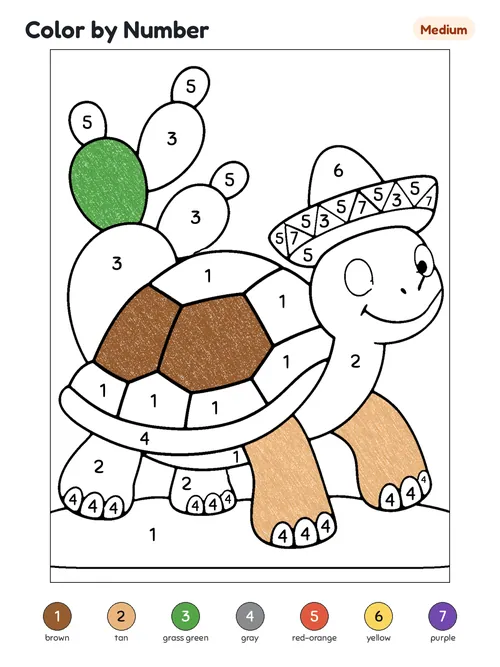
Simple tortoise outlines use clean shapes, smooth shells, and bigger spaces so number matching stays clear without feeling cramped. Coloring one number across the whole dome first helps the rounded shell shape stand out right away. For choosing shades freely without a color key, our turtle coloring pages offer unnumbered outlines next.
Green and brown palettes for natural shells
Most turtle drawings rely on olive, moss, tan, and deep brown rather than bright rainbow hues. Layer light shades first so dark browns do not smear across neighboring shell plates. Taking a slow and steady pace fits the subject naturally.
Every page prints as a free PDF with a color key that names each shade. Colored pencils handle tight shell patterns better than markers, especially along stained glass ocean patterns and flowing sea fans. Keeping the printed key beside the sheet supports quiet focus when similar greens and browns sit side by side.
From sandy hatchling beaches to classroom units
On the turtle trek to sea page, a baby sea turtle hatches in warm beach sand and scrambles toward the ocean surf. Fill in the sandy yellows before the foaming ocean blues so darker water tones stay clean along the shoreline. Talk about ocean habitats while the scene comes together.
Teachers often tuck a color by number turtle sheet into an ocean science unit or a calm afternoon station. Parents keep copies handy for a quiet, screen-free pause. Whenever simpler outlines fit better than denser shells, our easy color by number pages offer a quick alternative.
Questions about Turtle color by number
How can kids tell a sea turtle from a land tortoise on these pages?
Look at the feet and the curve of the back. Sea turtles have long, paddle-shaped flippers and flatter shells built for gliding through water. Land tortoises stand on thick, sturdy legs under tall, rounded domes, so their silhouettes look noticeably heavier.
How do you keep green and brown turtle shell patterns from blending together?
Start with yellow-green or tan in the lightest scutes before pressing down with olive or dark brown. Light pencil strokes prevent waxy buildup when similar earth tones sit side by side. Outlining each shell plate first also keeps the geometric mosaic crisp.
How do turtle pages fit into an ocean habitat or reptile lesson?
Pair a beach hatchling sheet with a quick chat on how baby sea turtles crawl toward the waves. Comparing a reef turtle with a land tortoise helps students contrast water and land traits. Finished art works well on a science bulletin board.