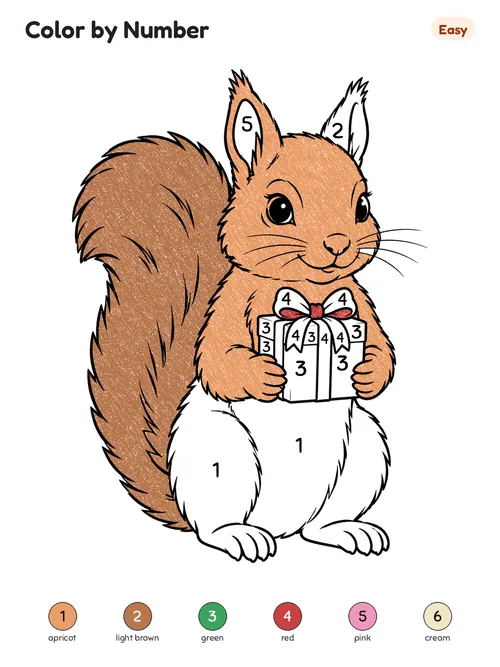
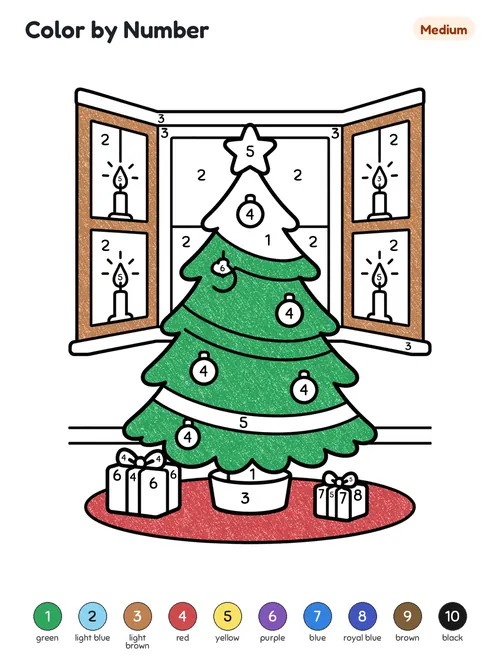
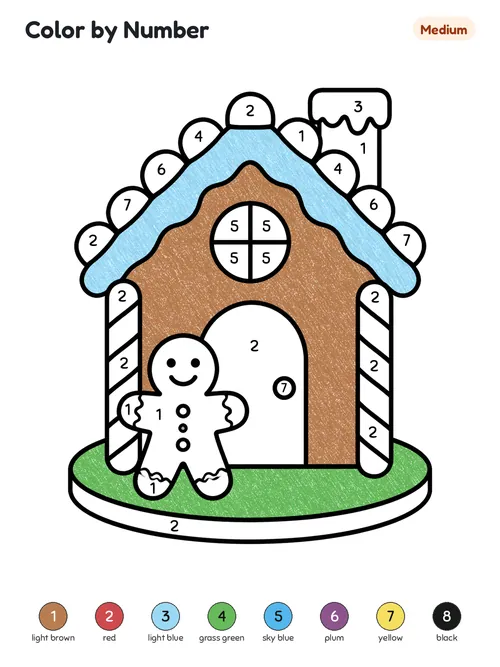
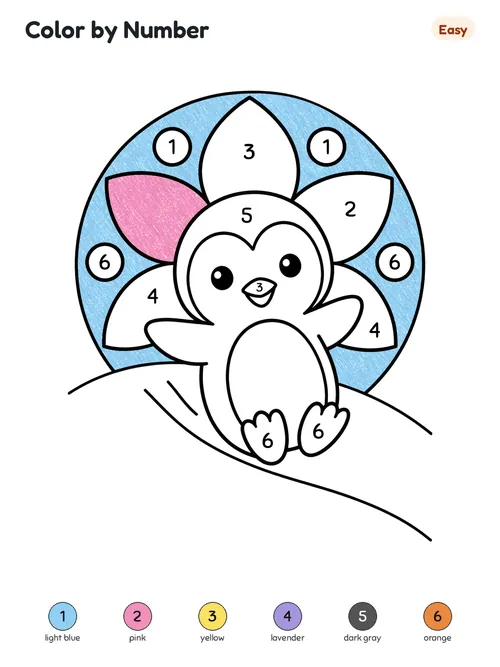
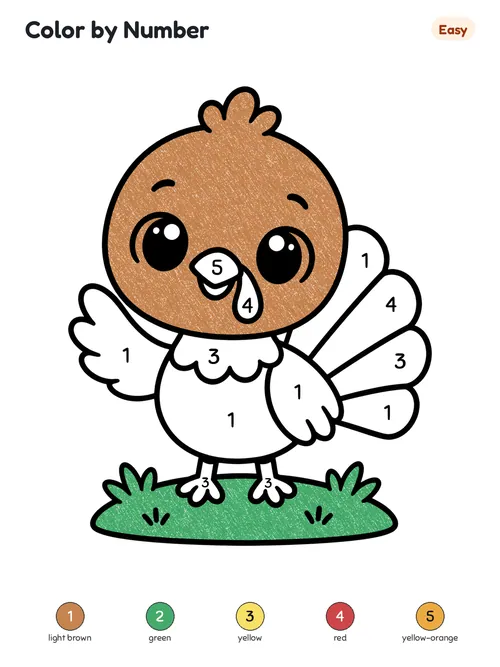
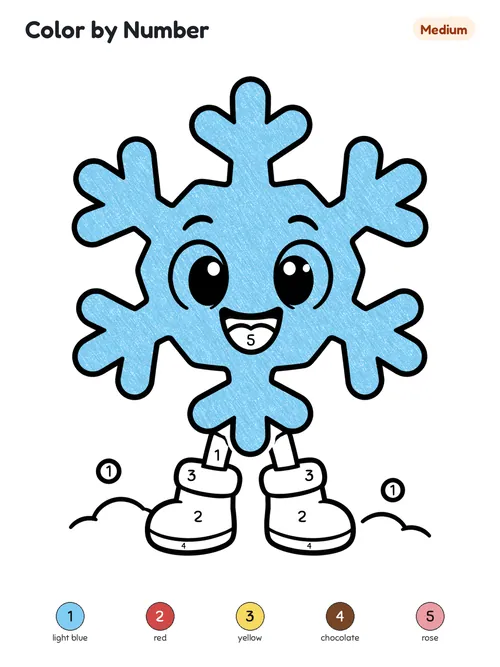
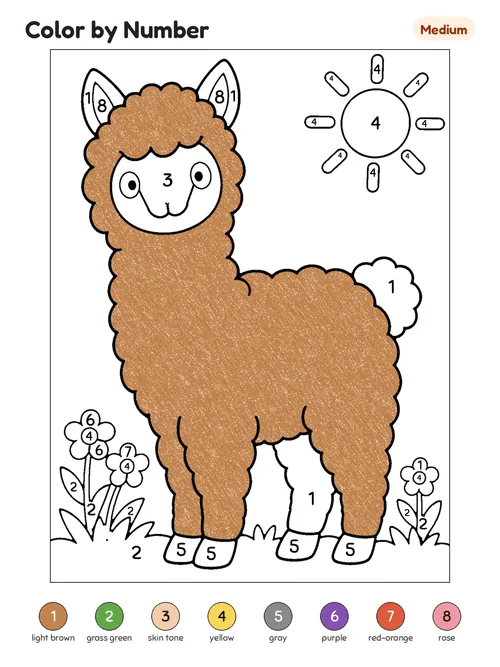
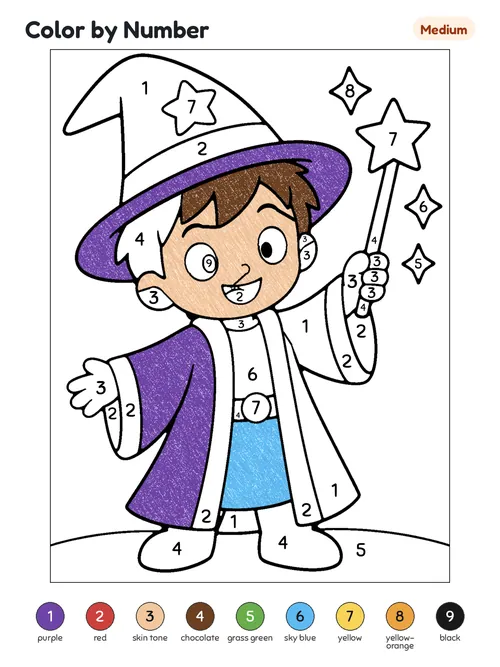
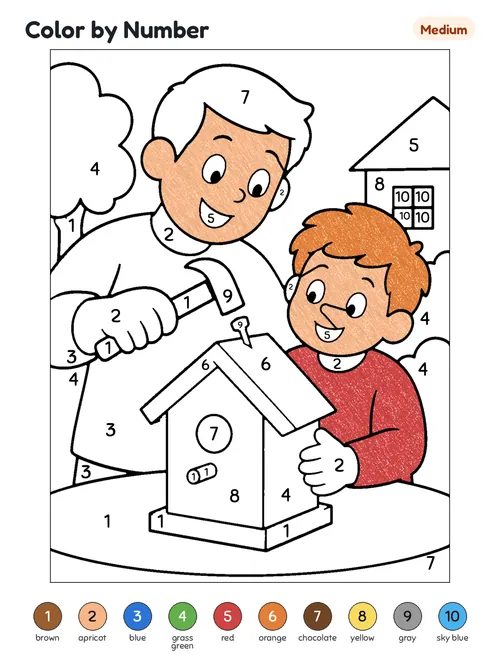
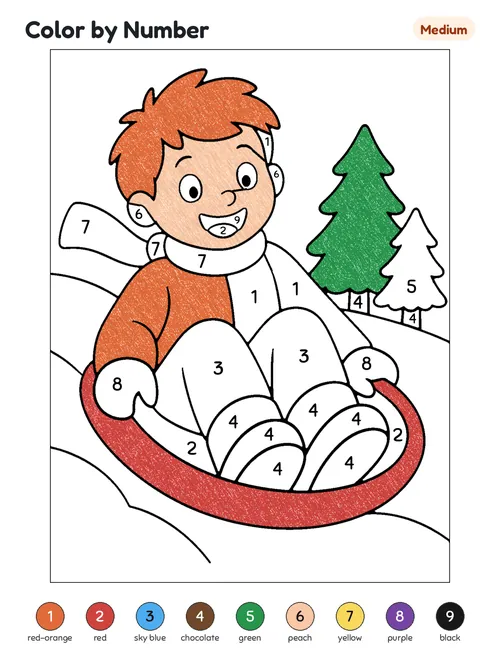
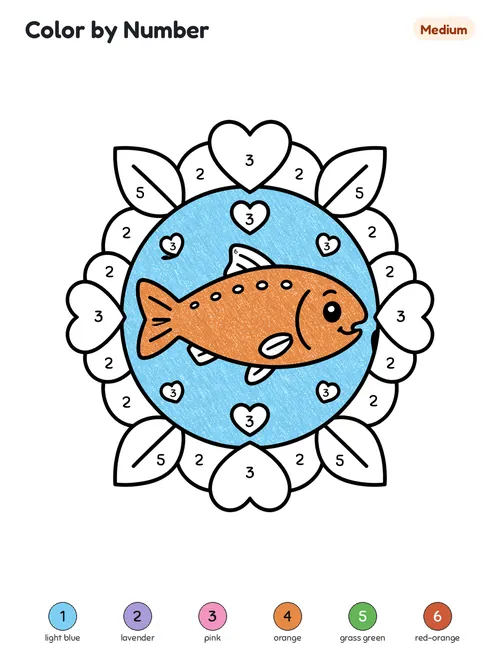
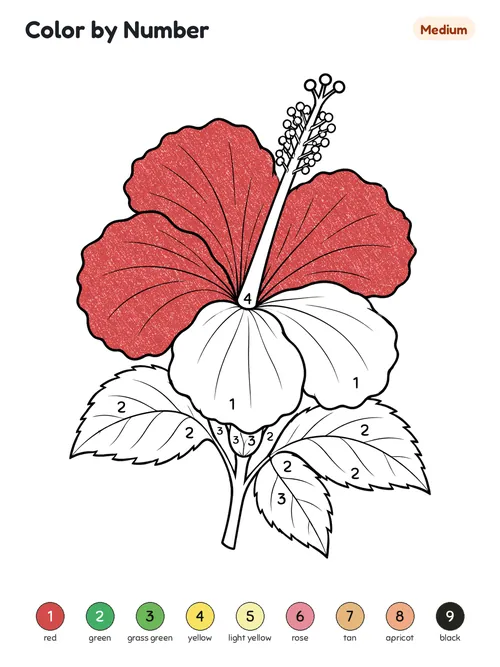
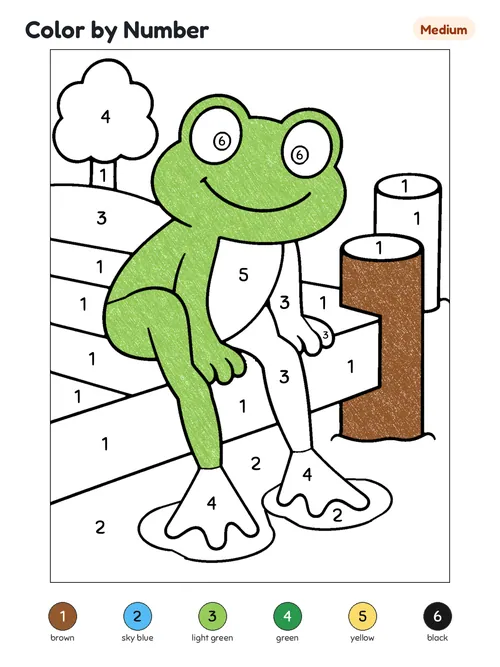
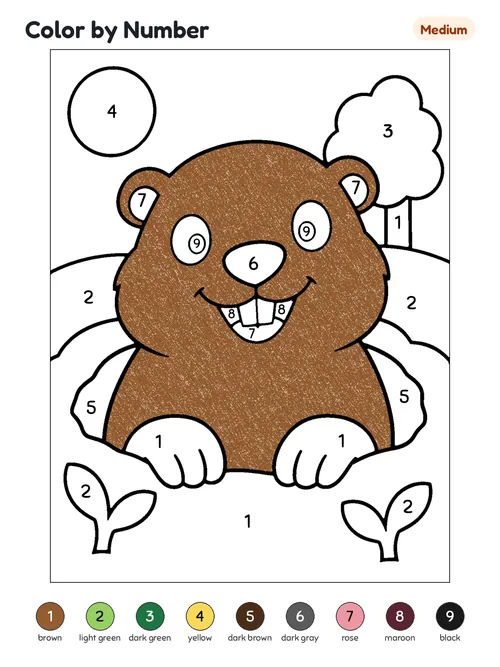
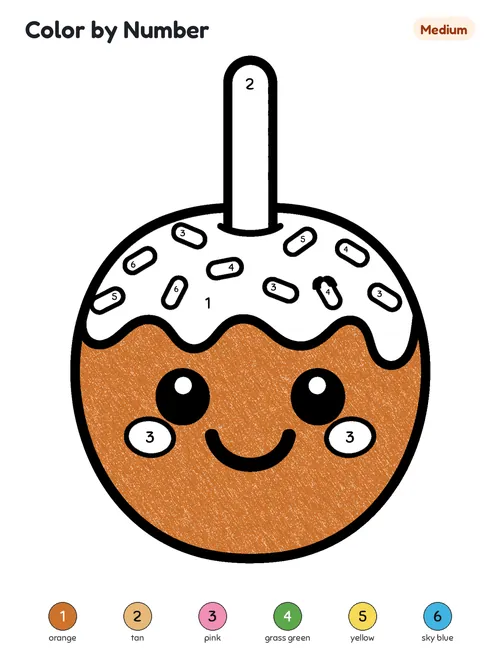
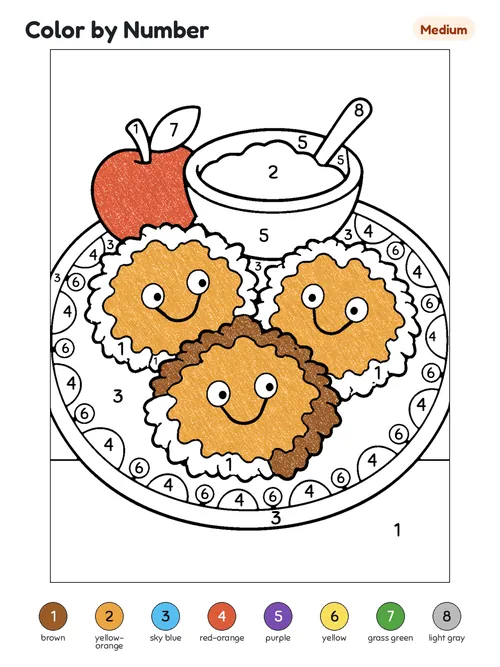
Deer Color by Number Pages
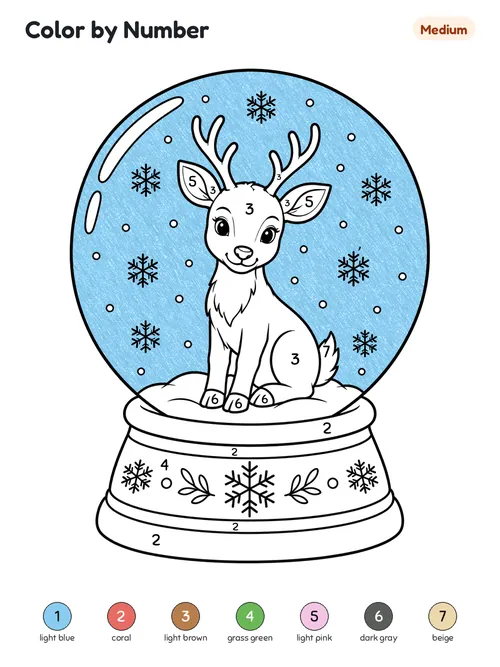
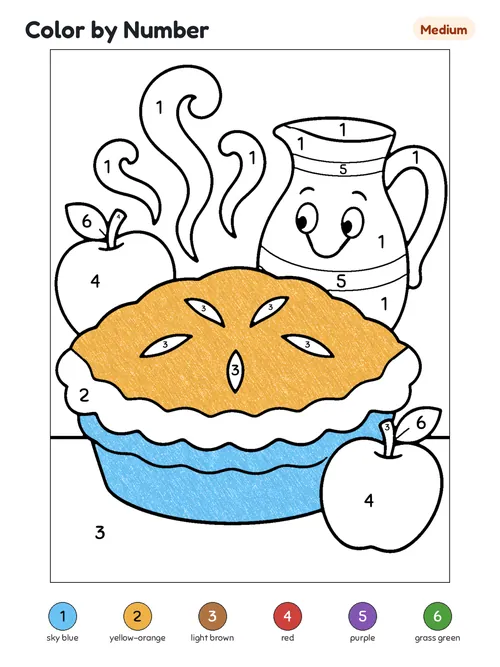
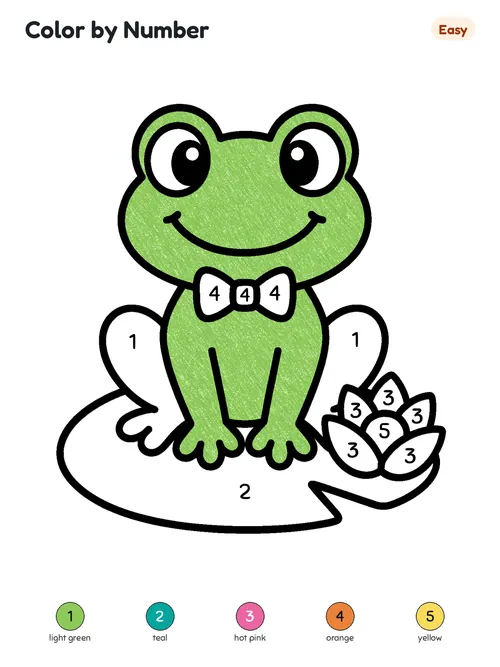
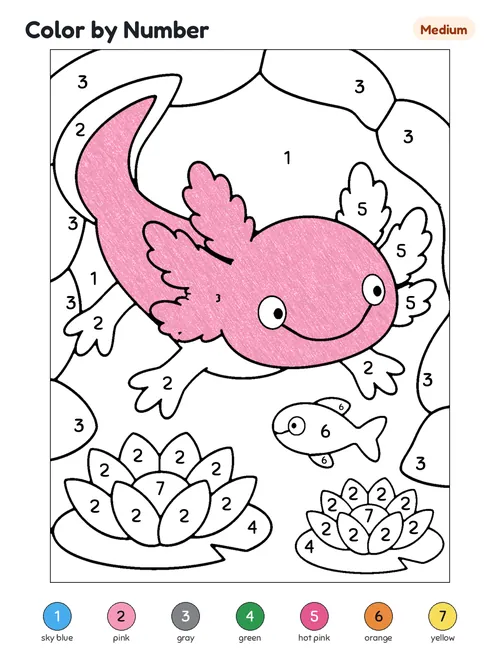
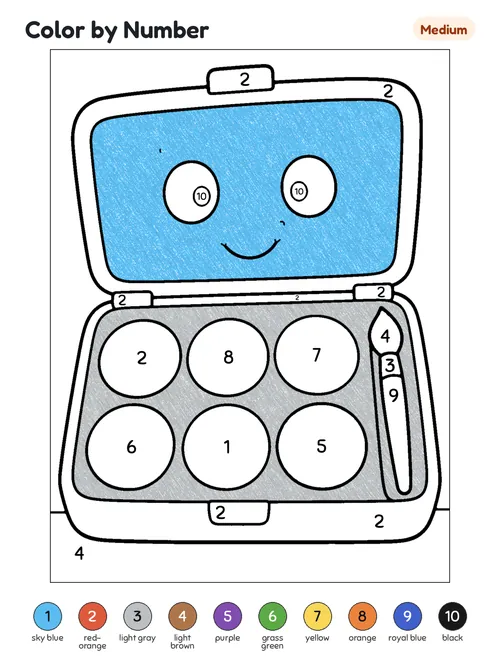
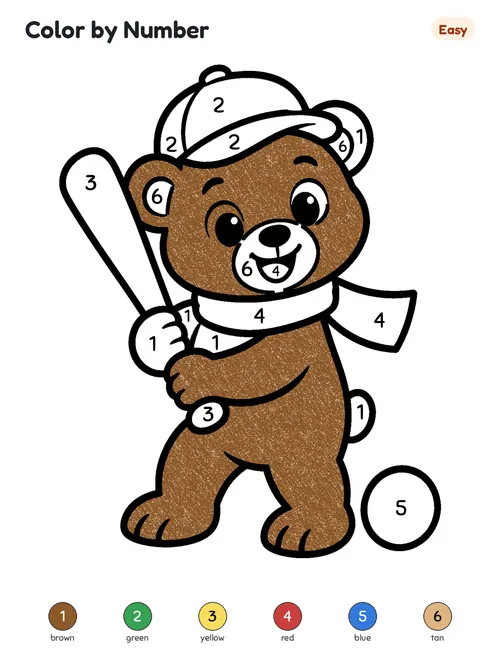
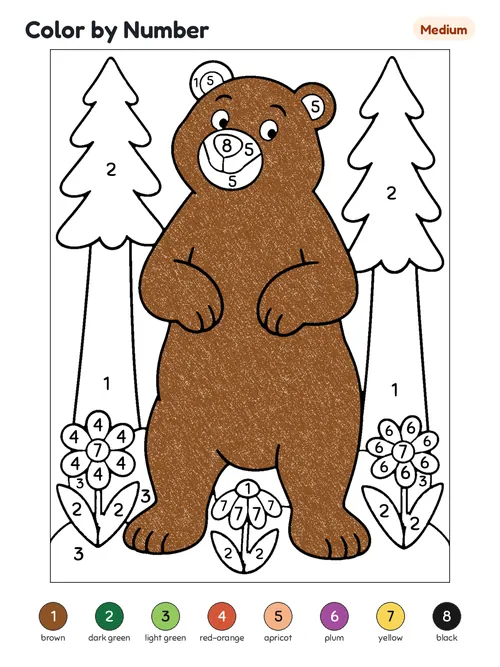
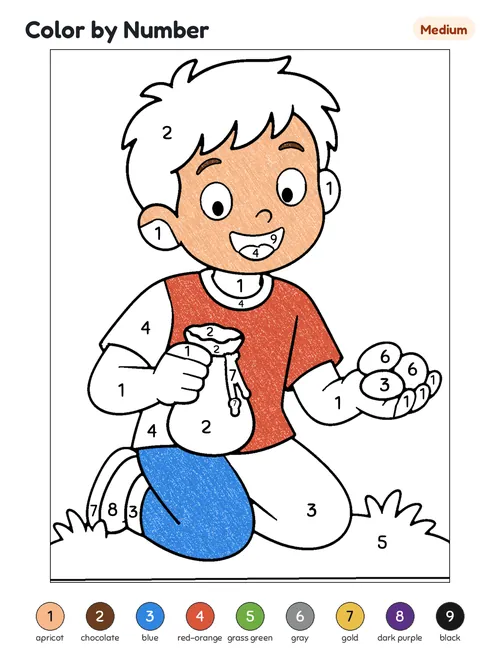
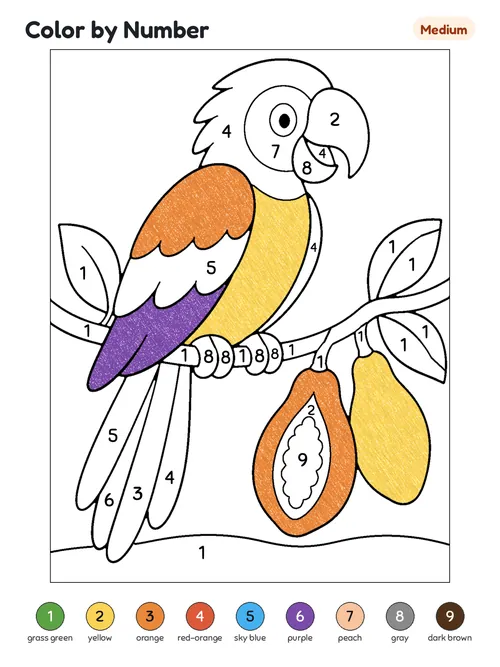
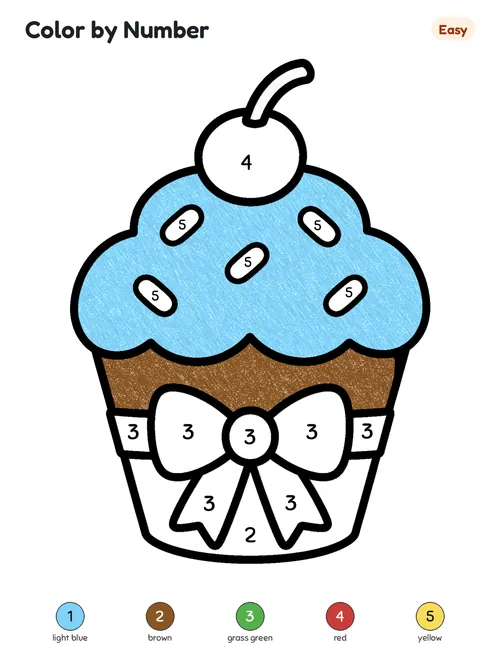
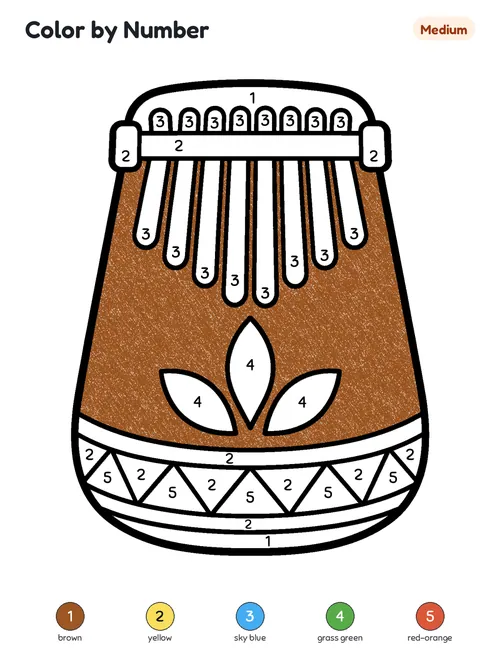
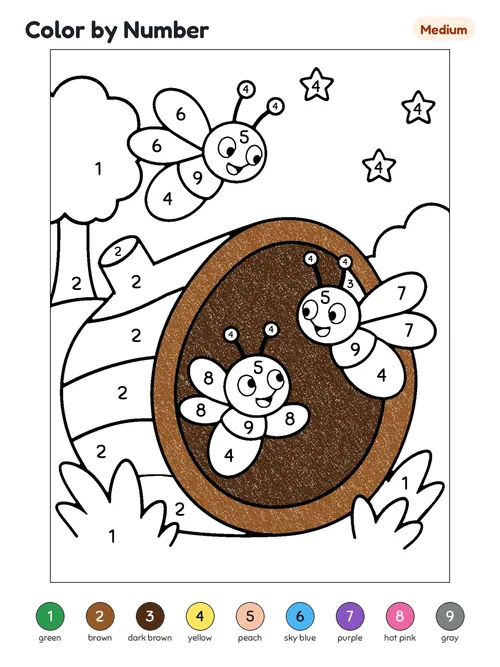
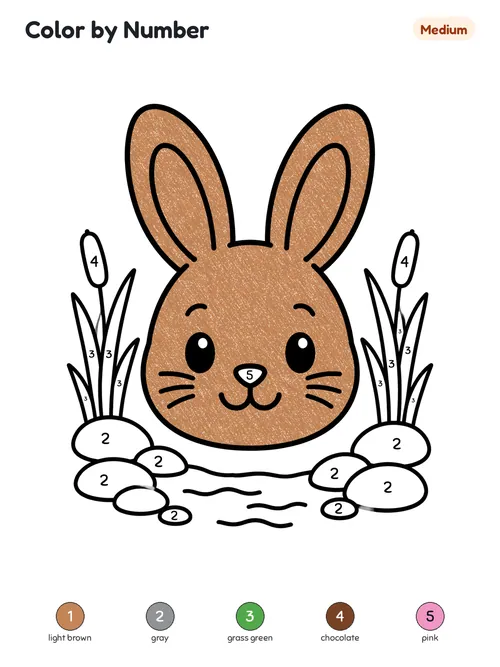
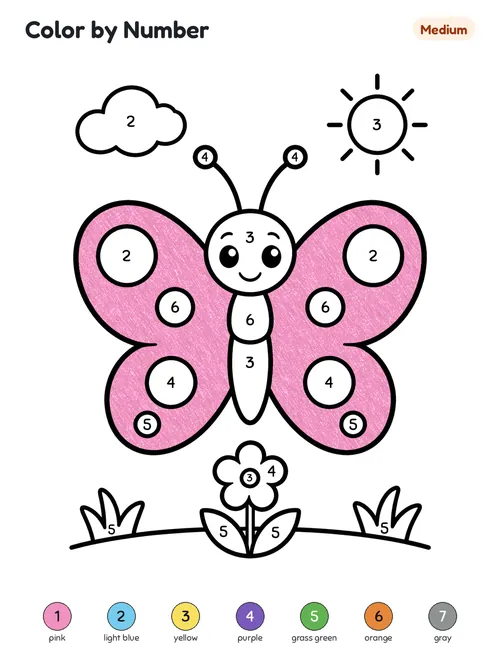
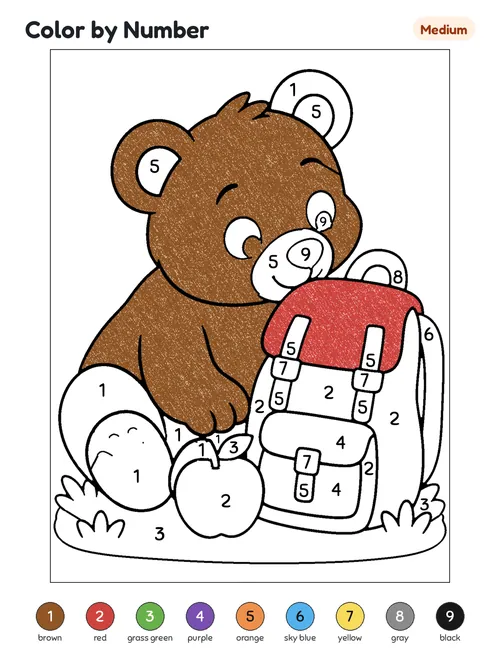
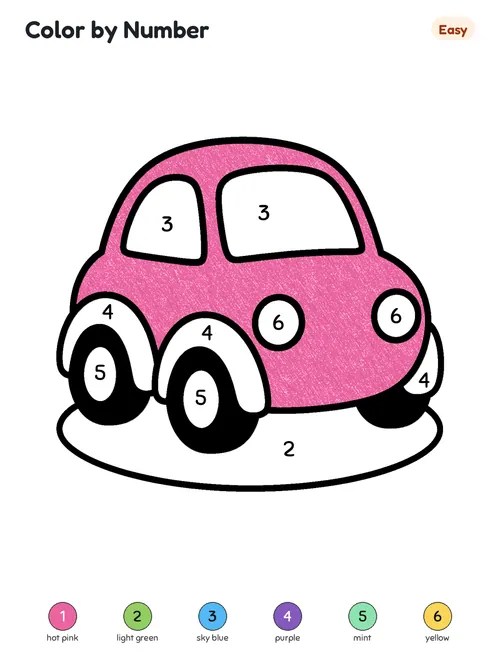
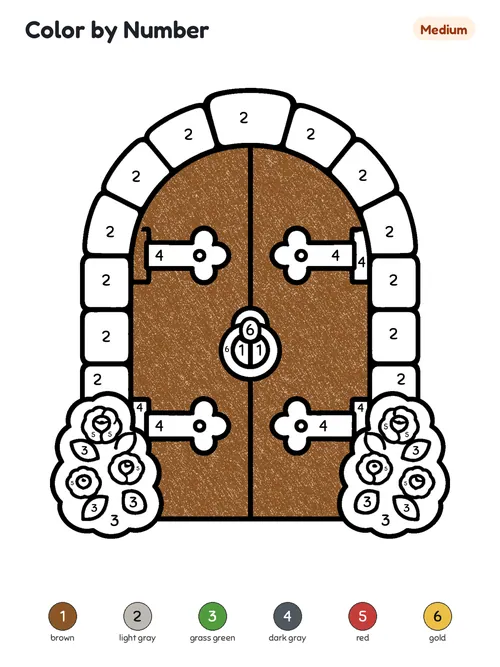
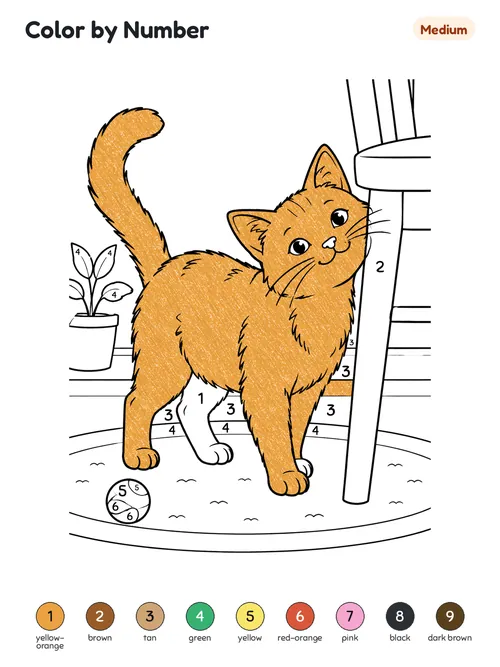
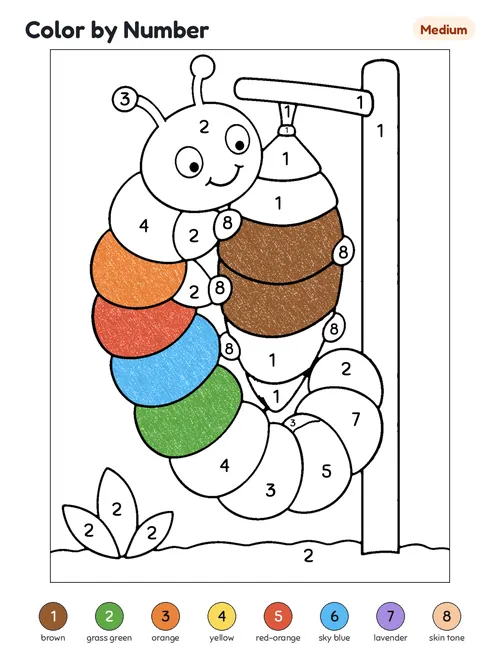
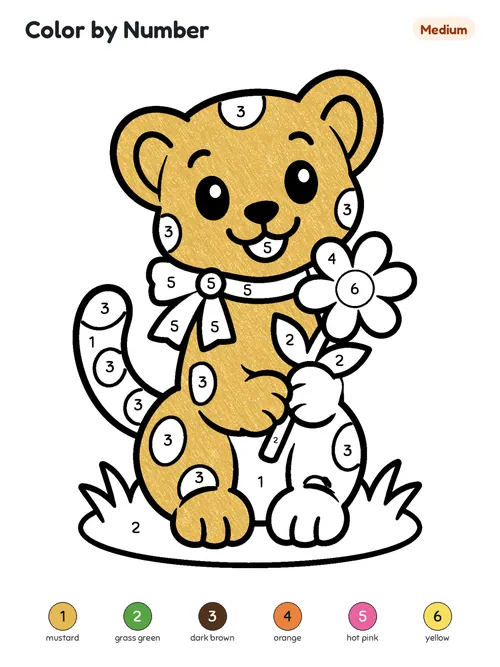
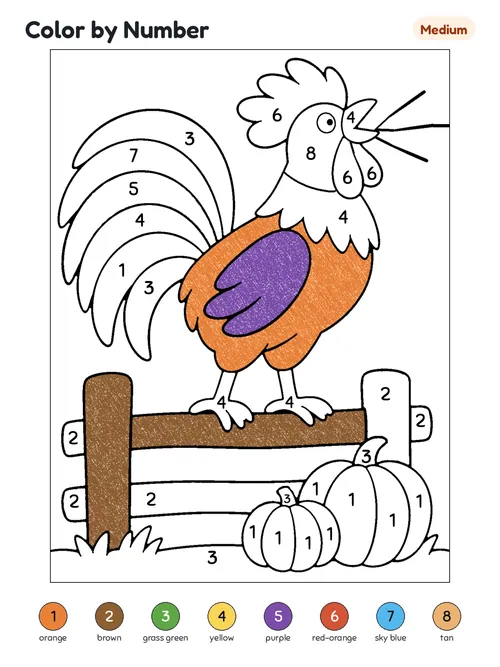
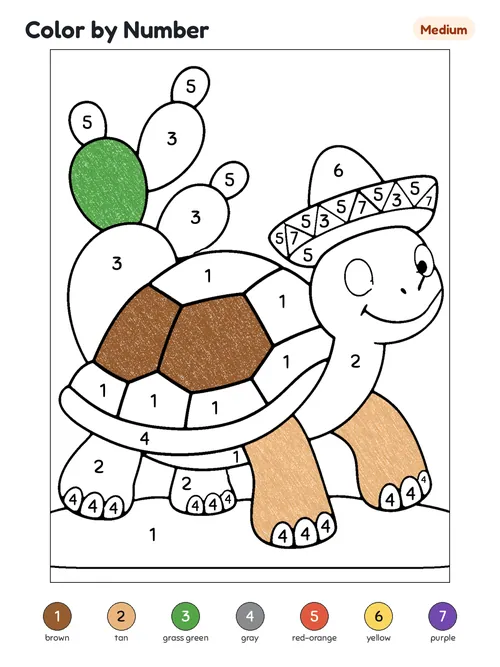
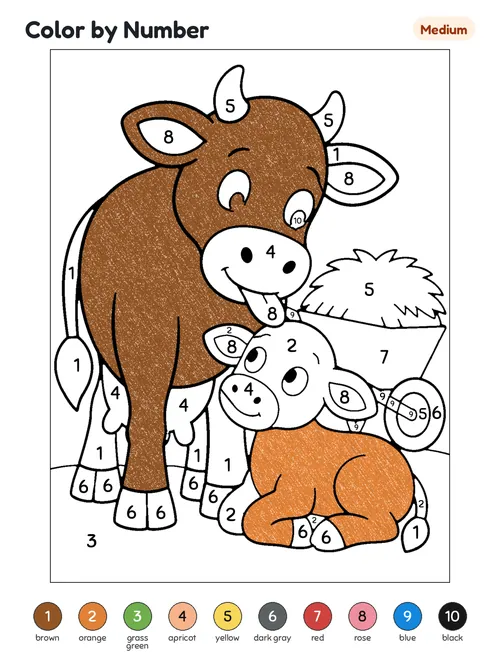
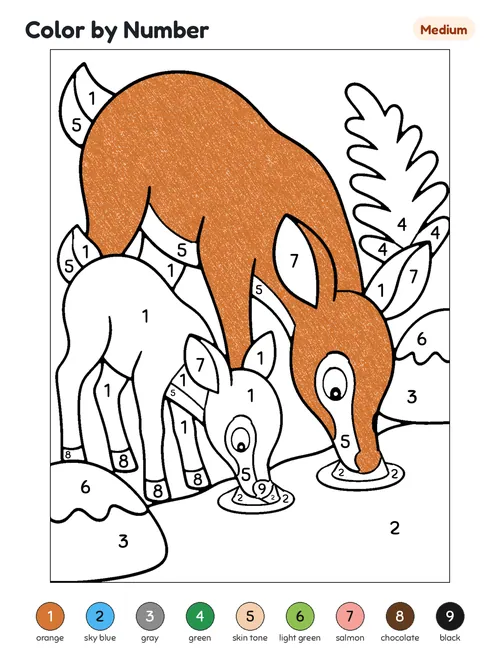
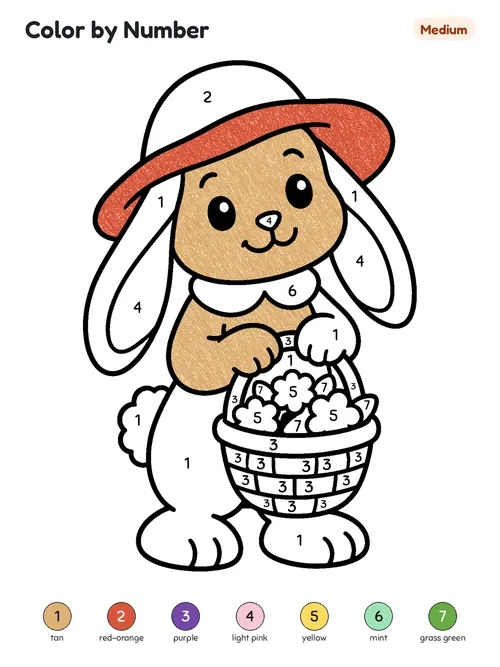
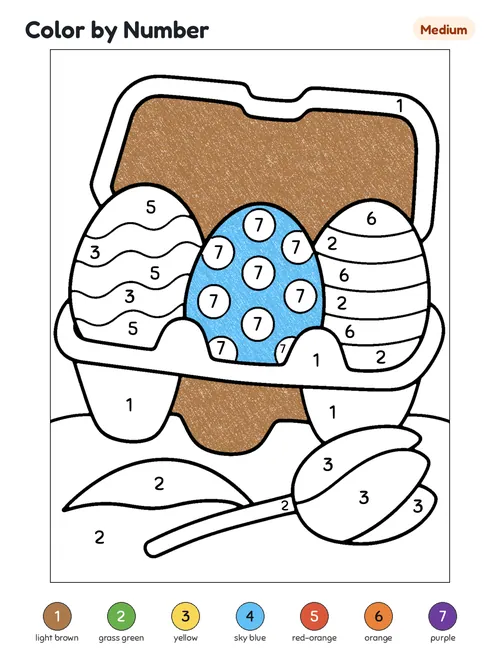
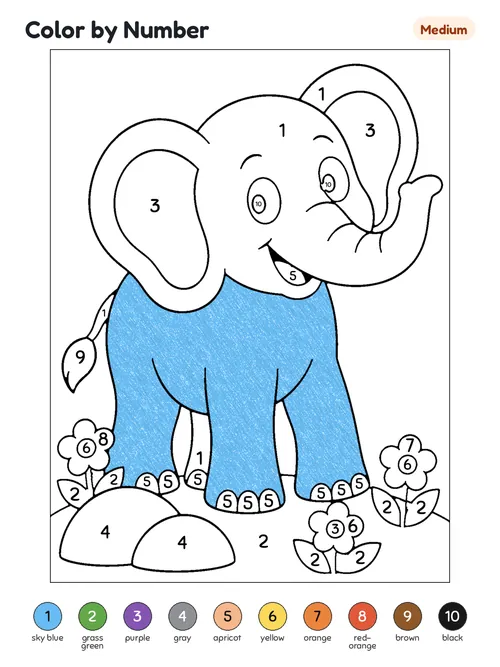
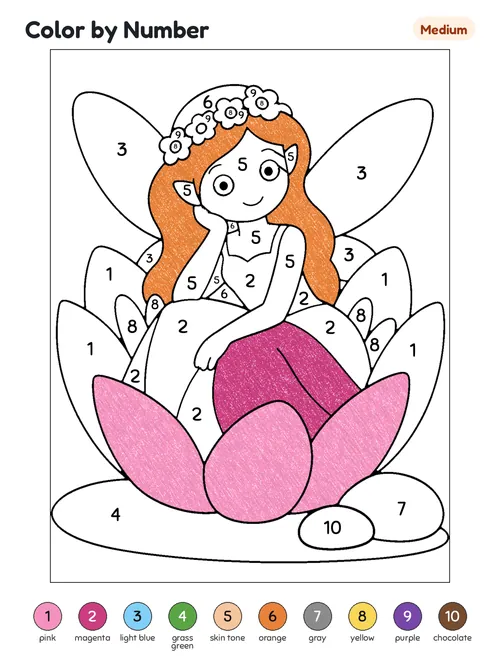
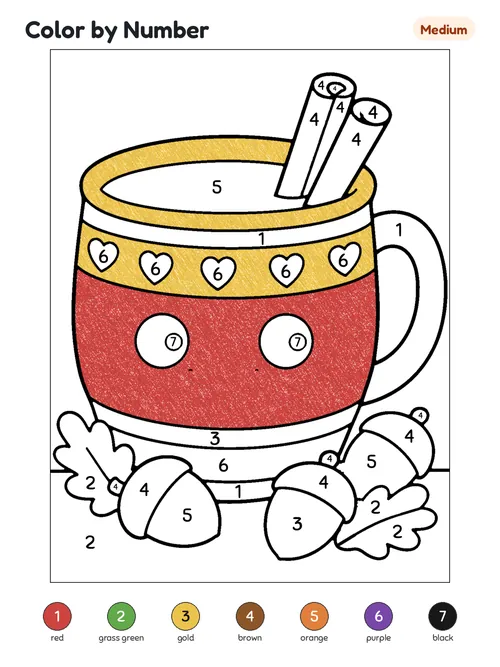
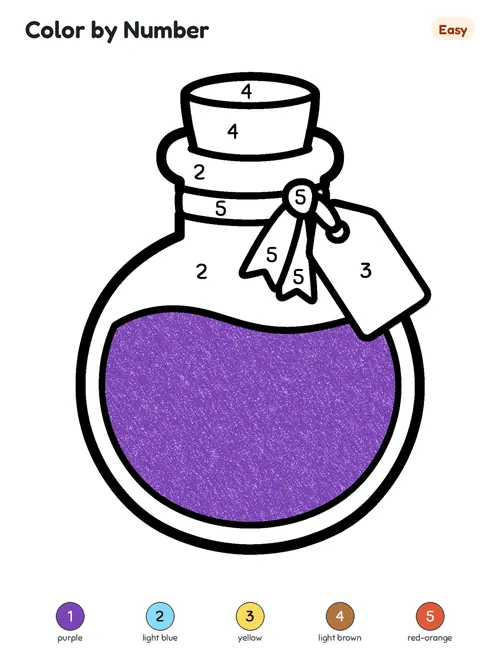
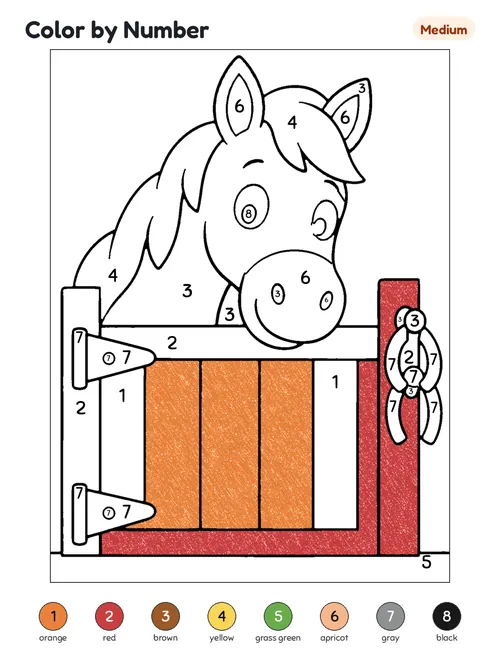
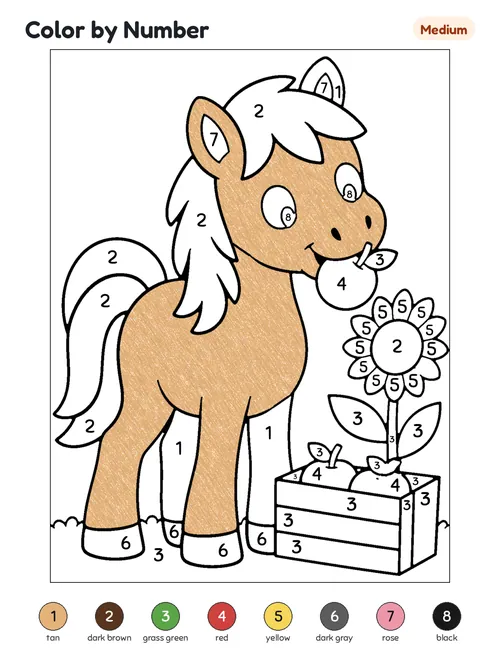
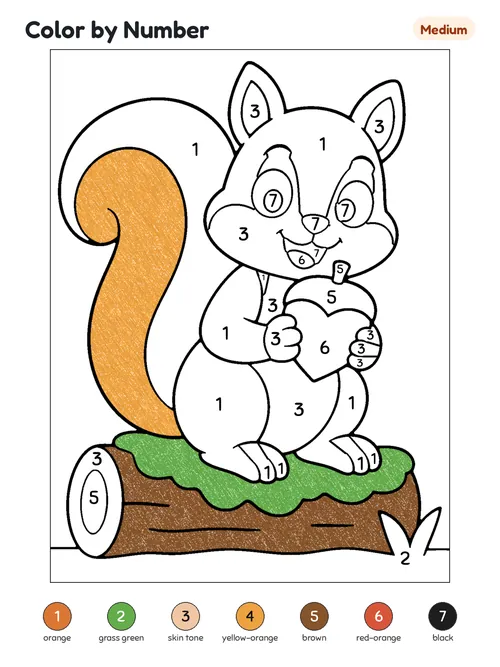
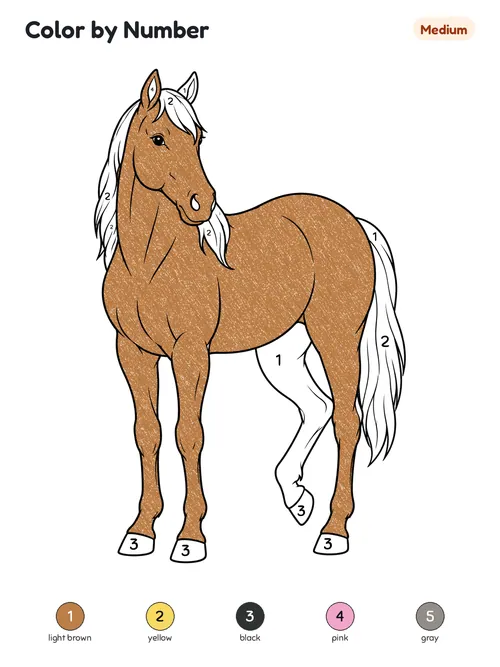
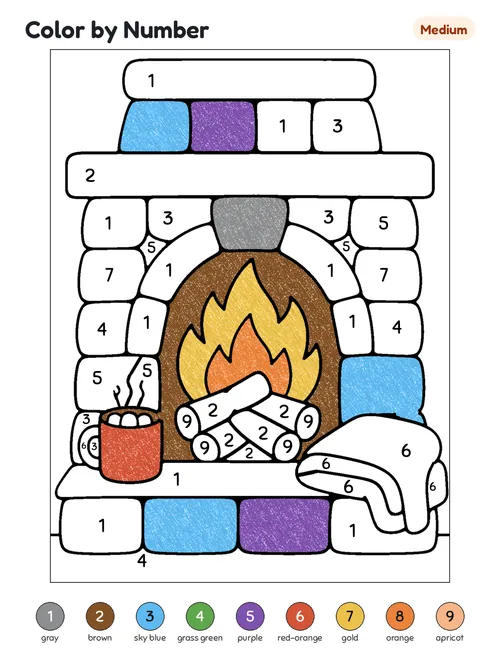
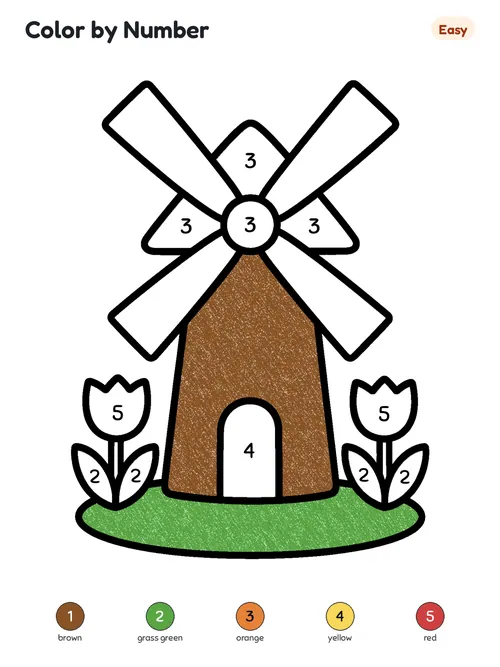
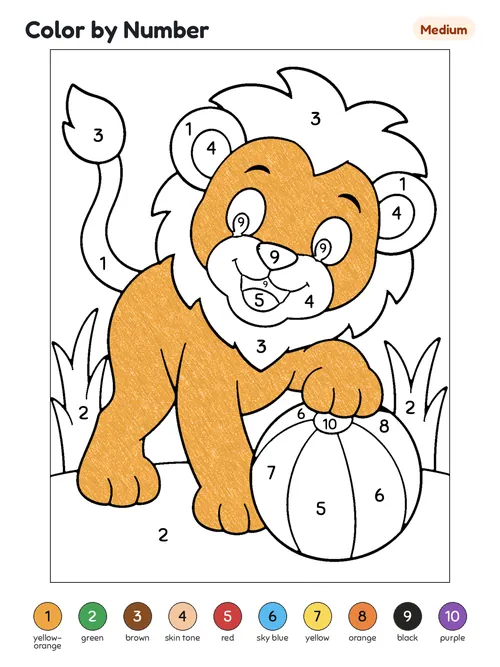
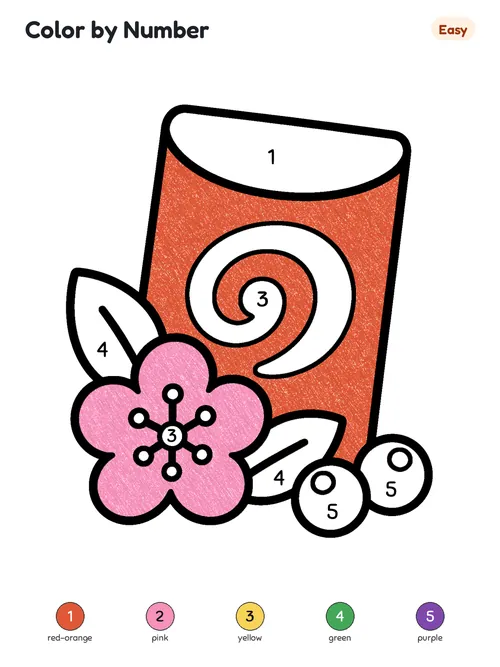
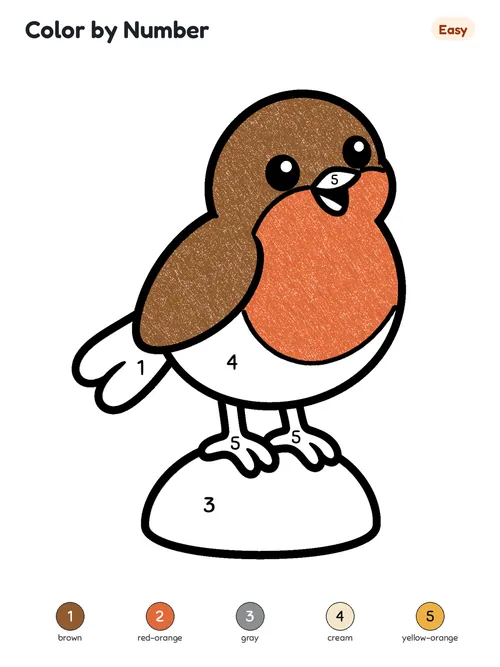
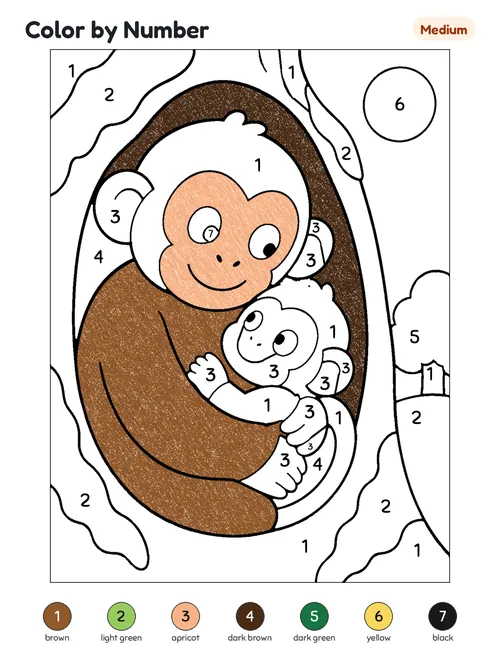
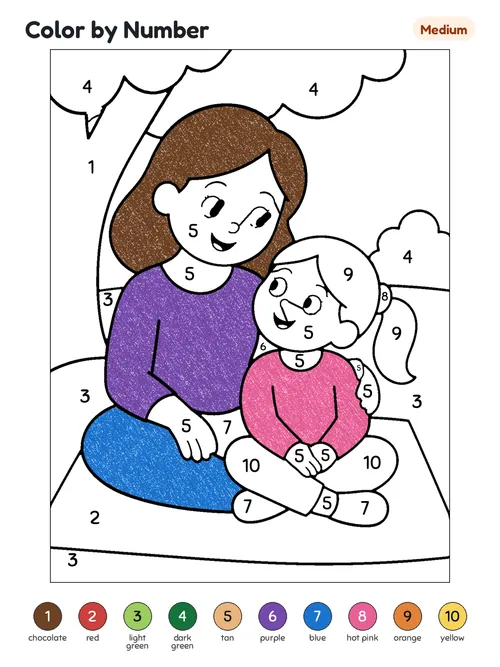
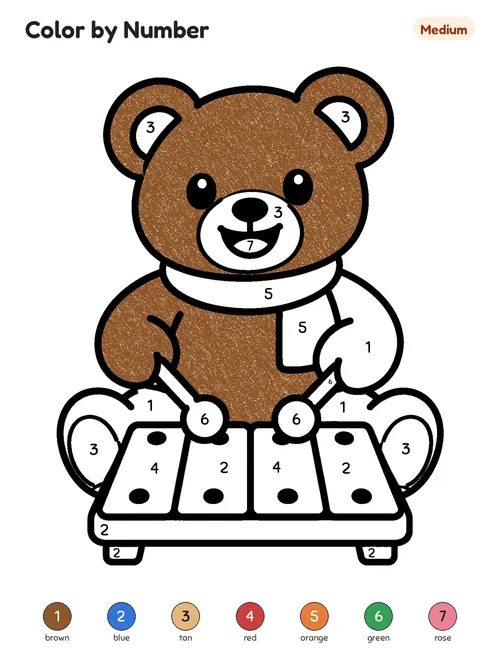
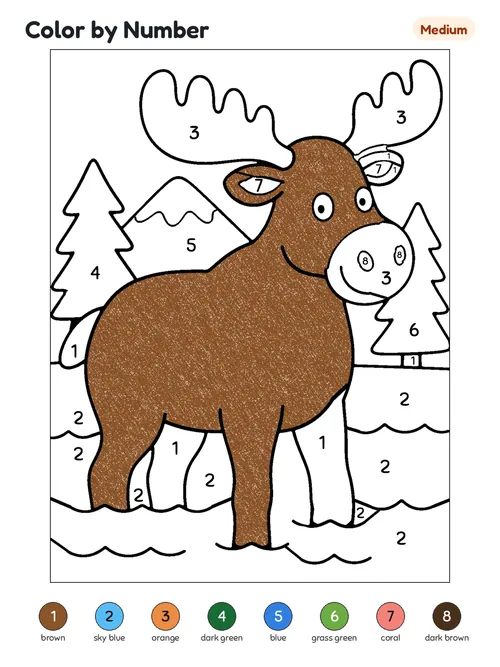
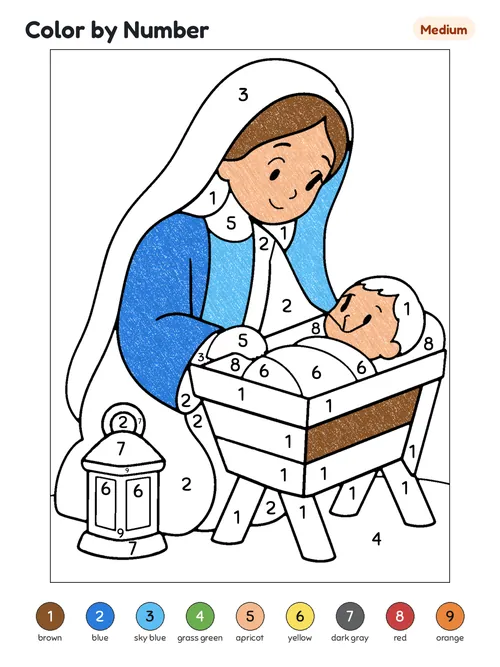
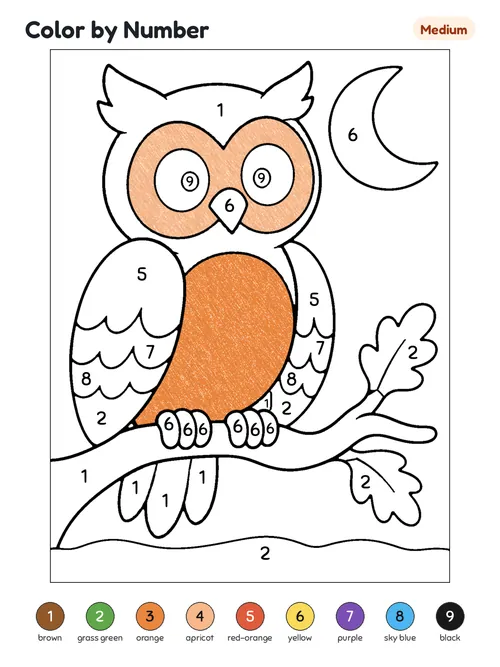
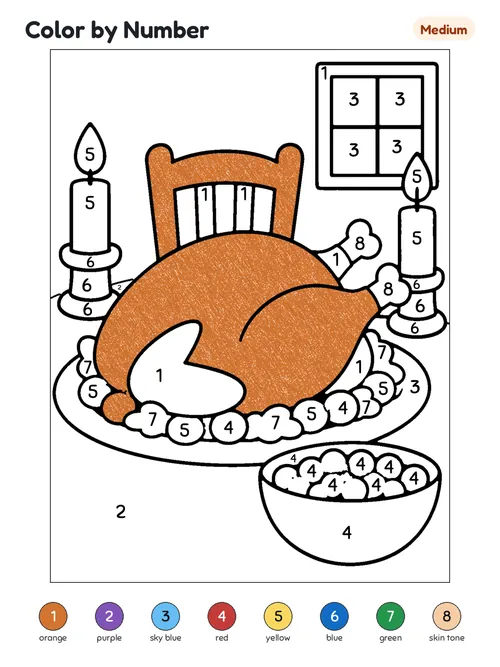
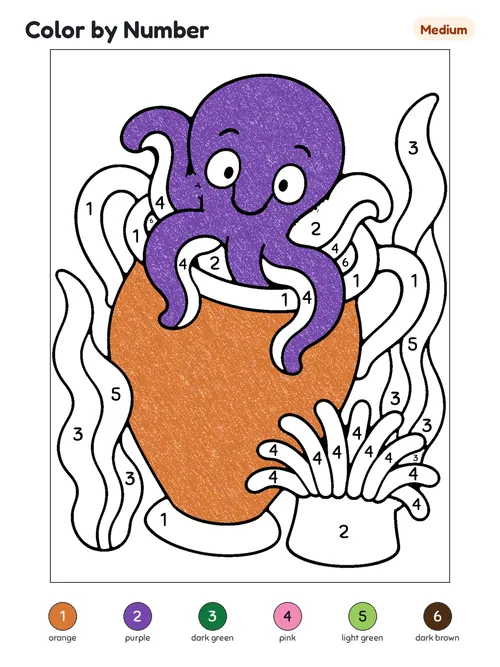
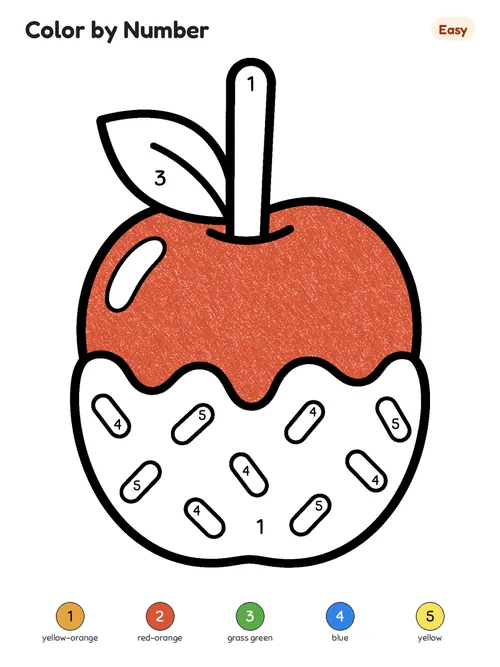
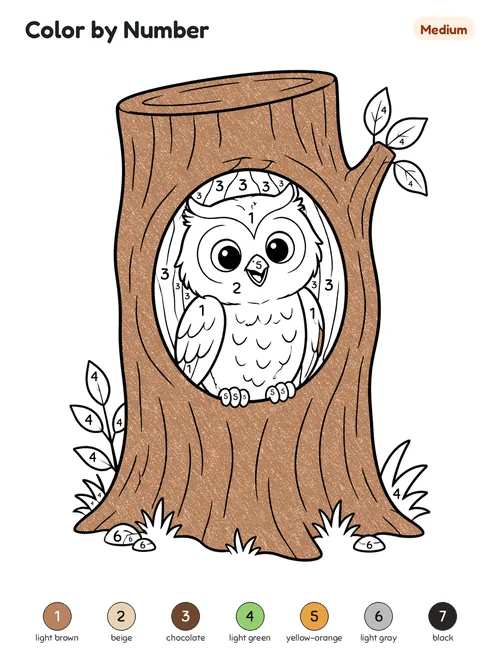
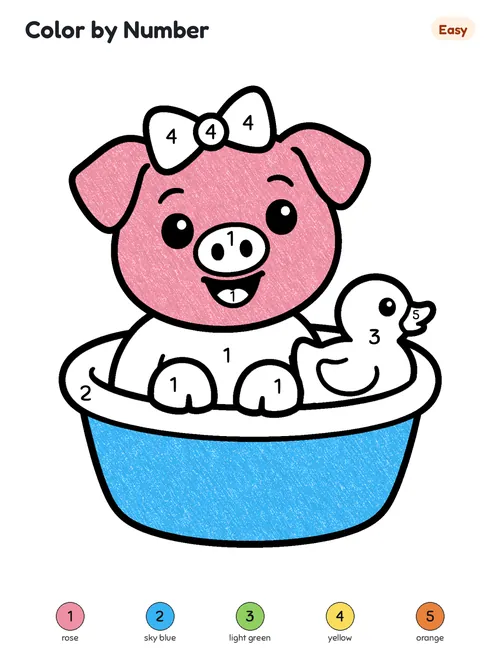
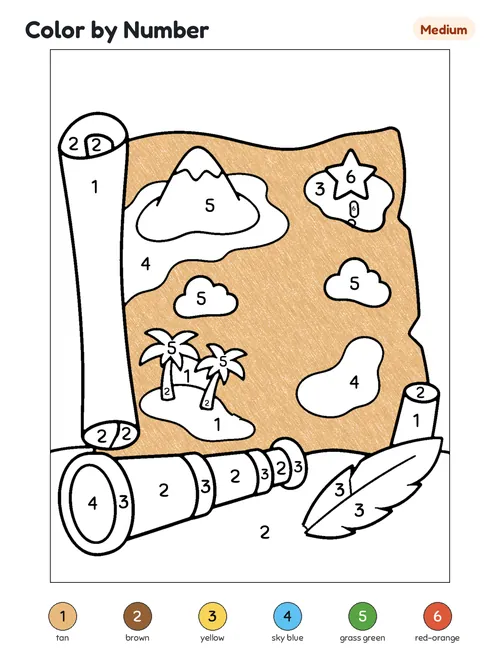
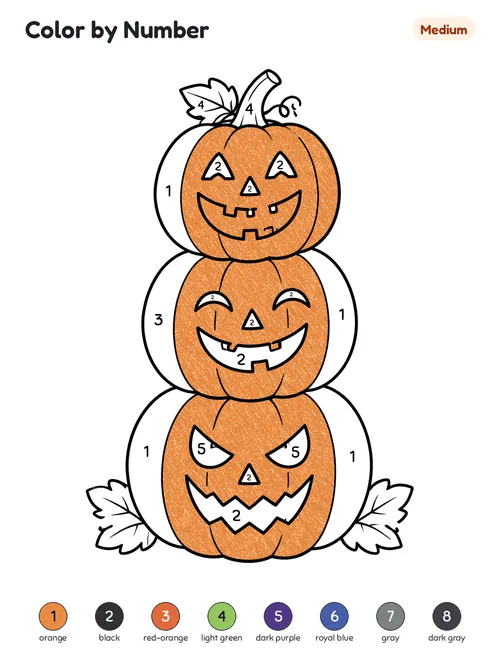
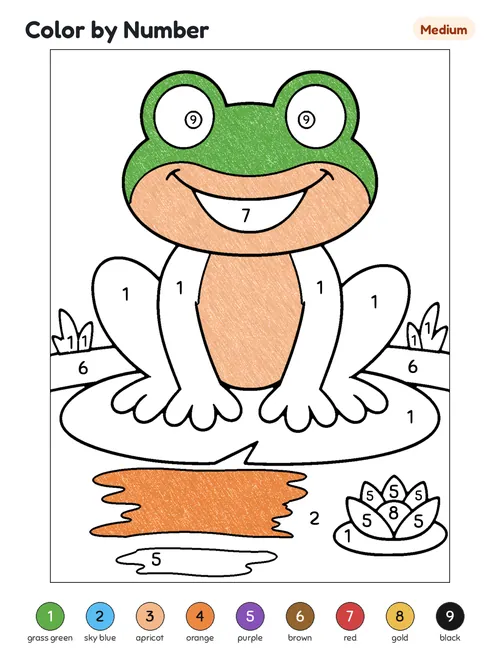
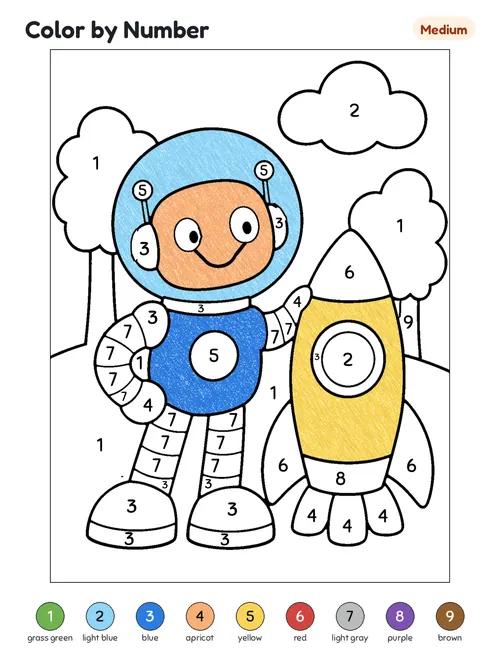
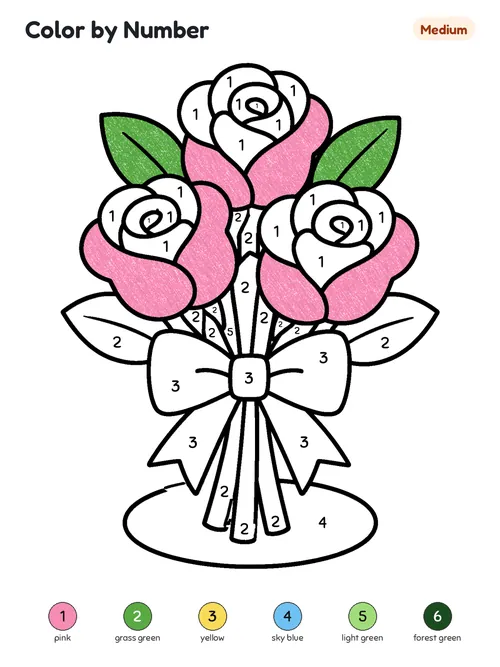
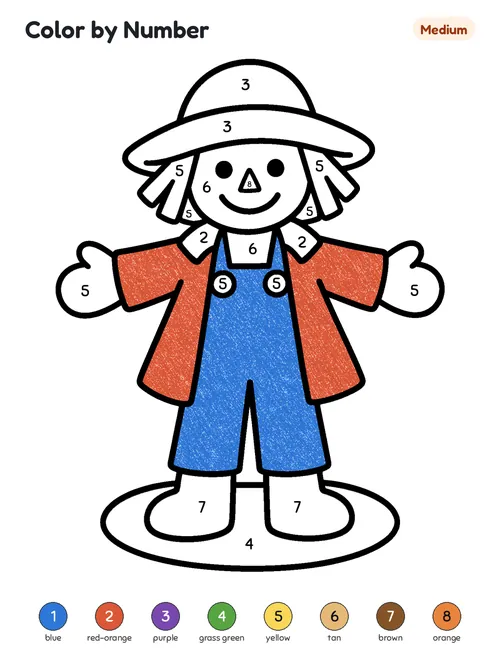
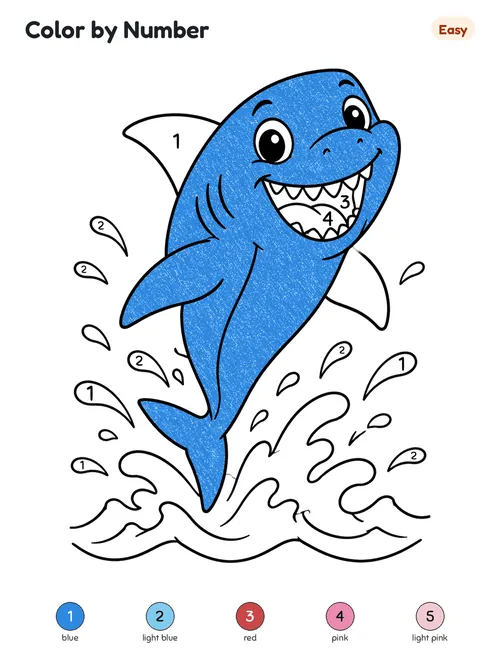
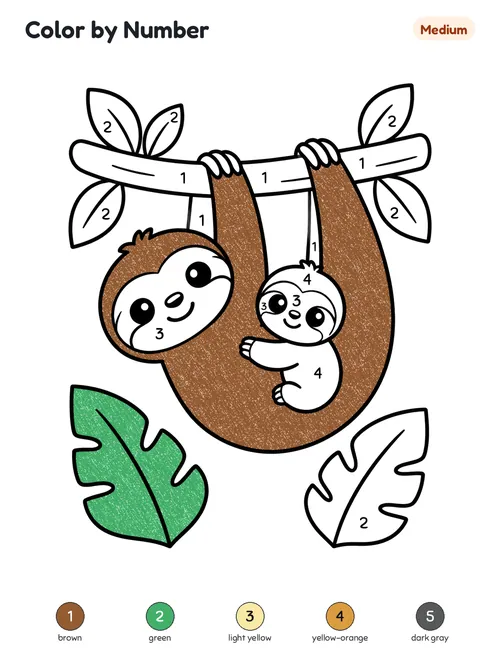
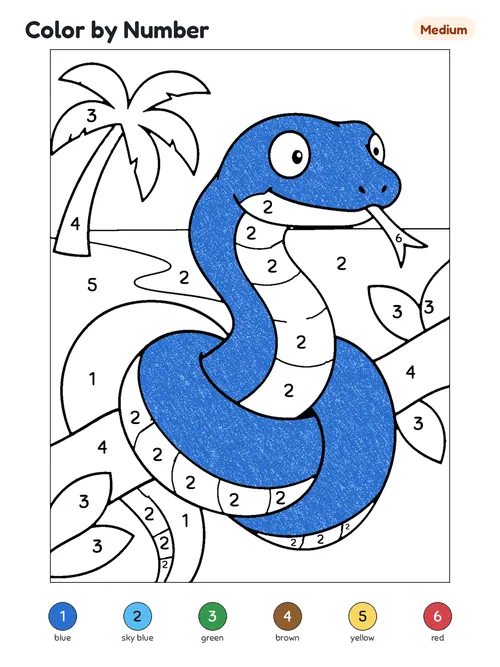
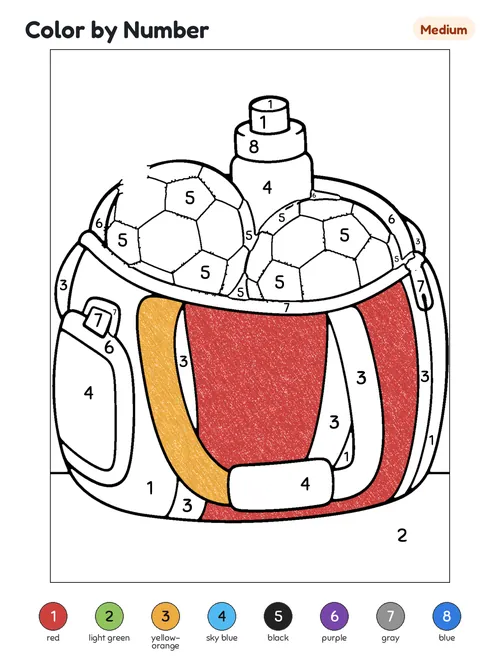
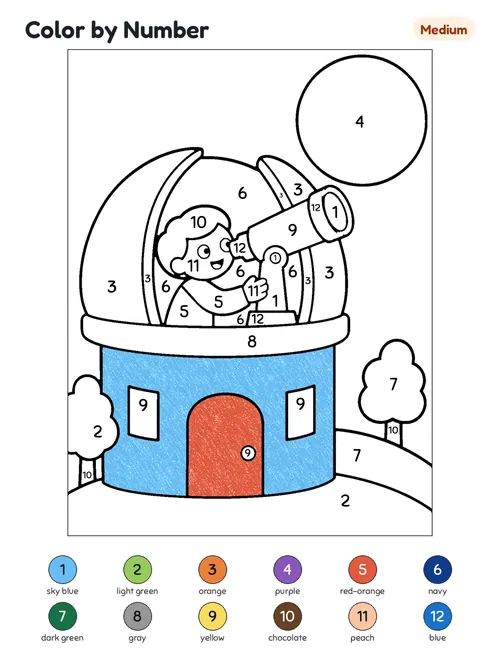
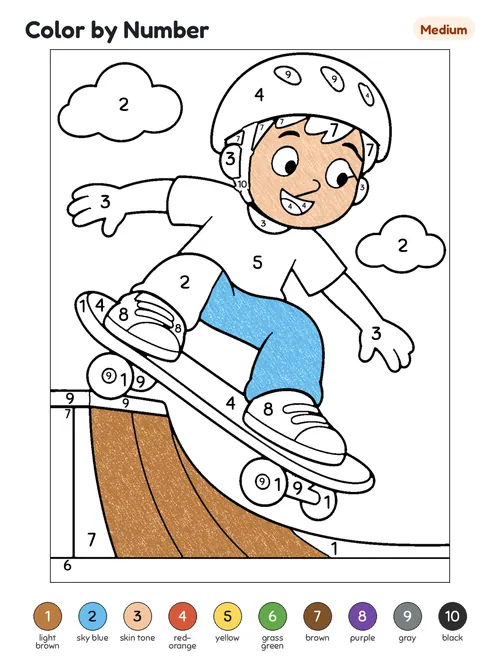
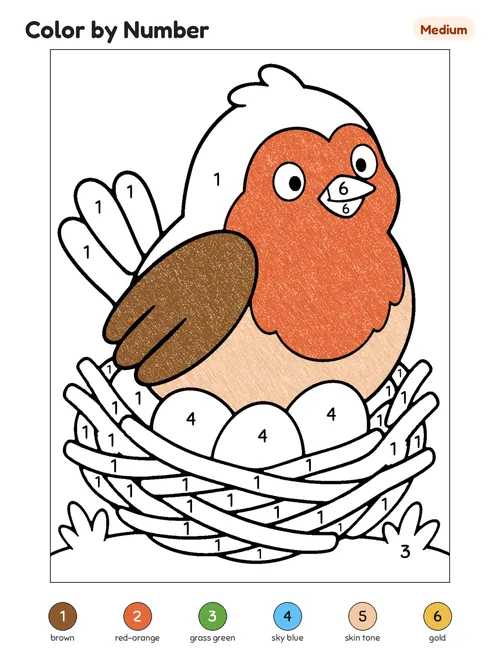
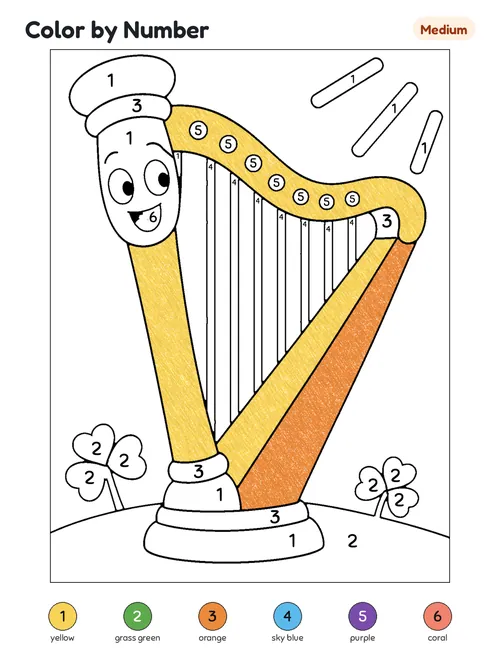
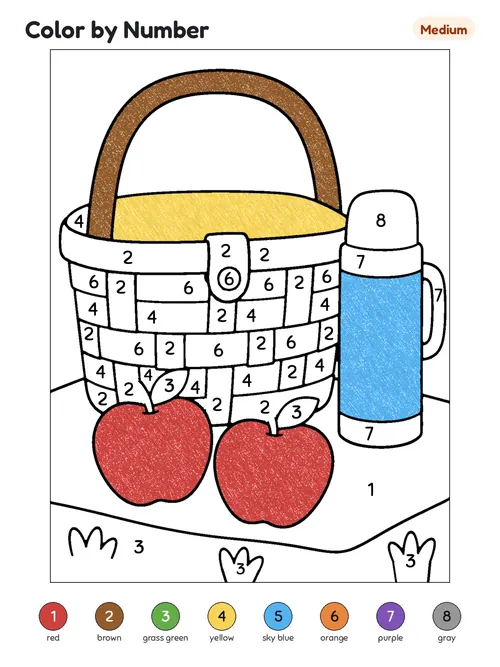
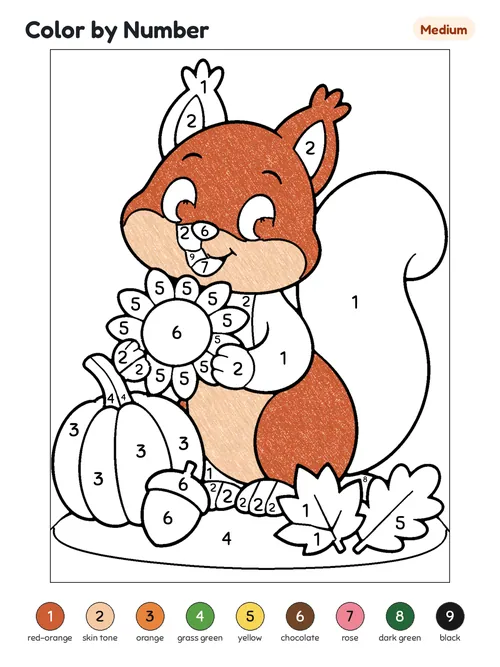
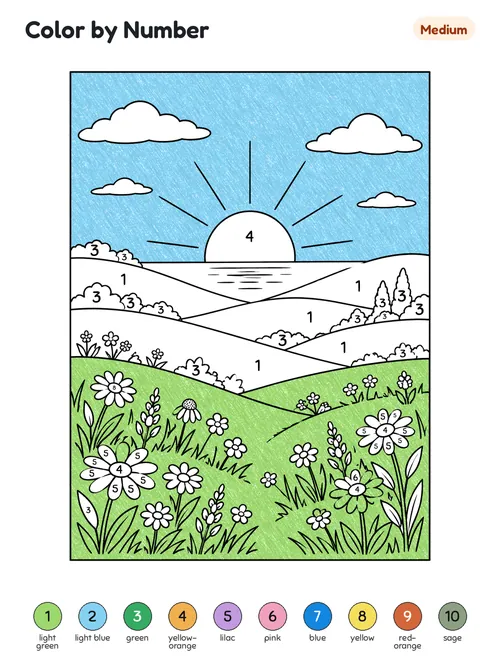
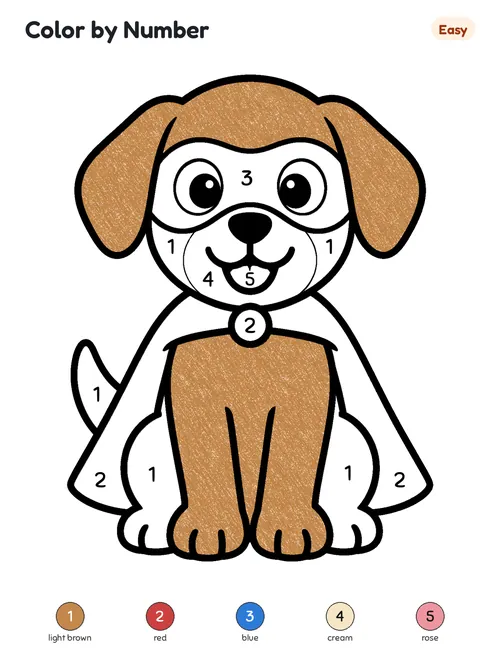
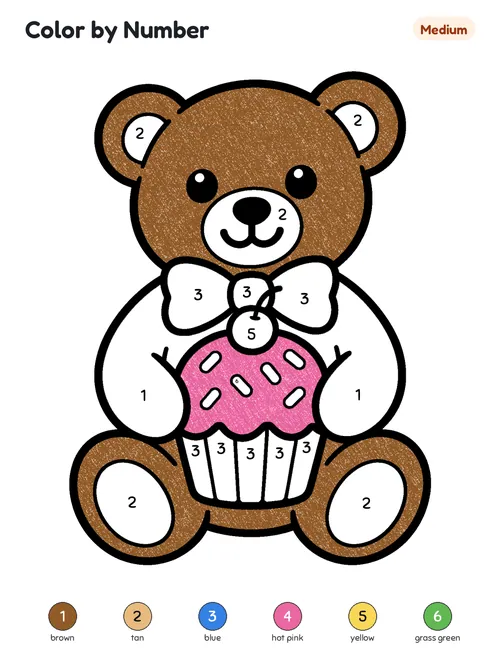
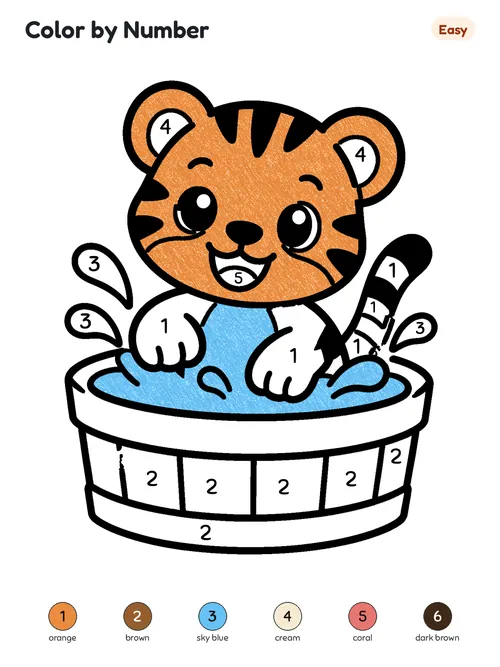
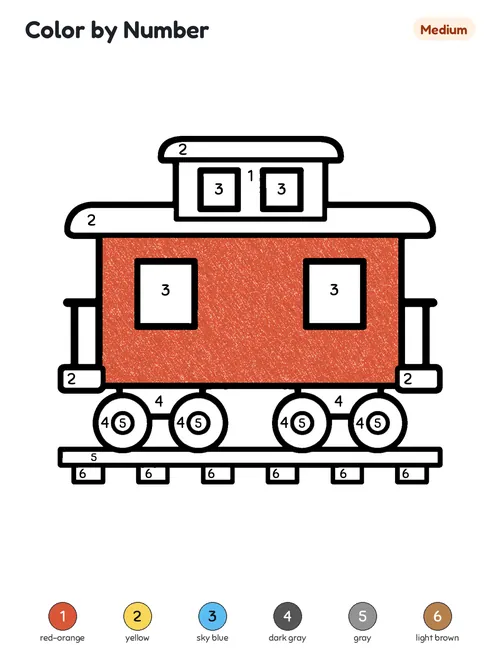
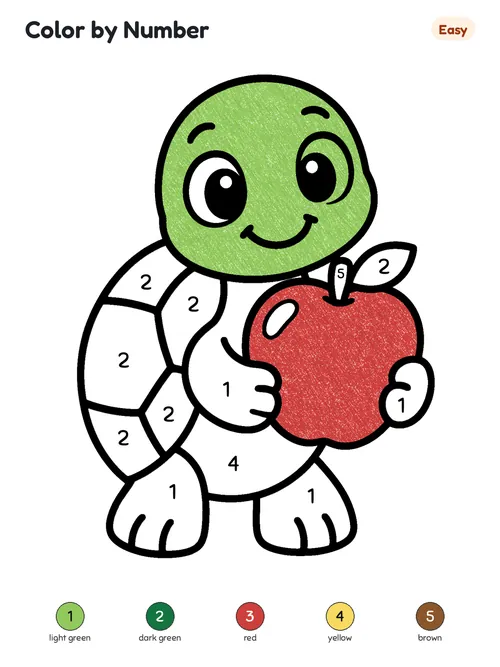
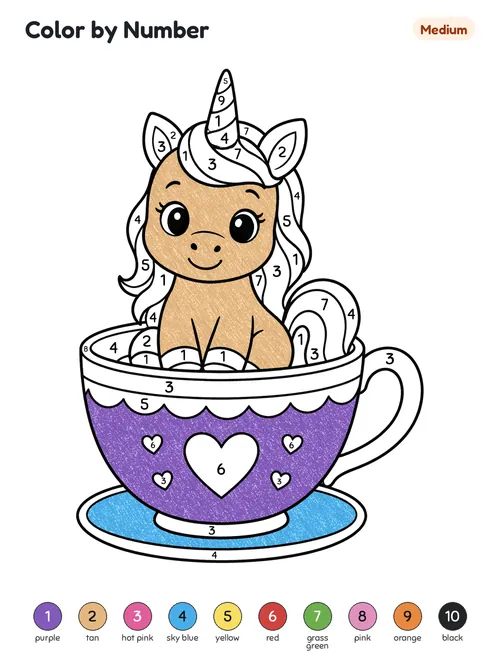
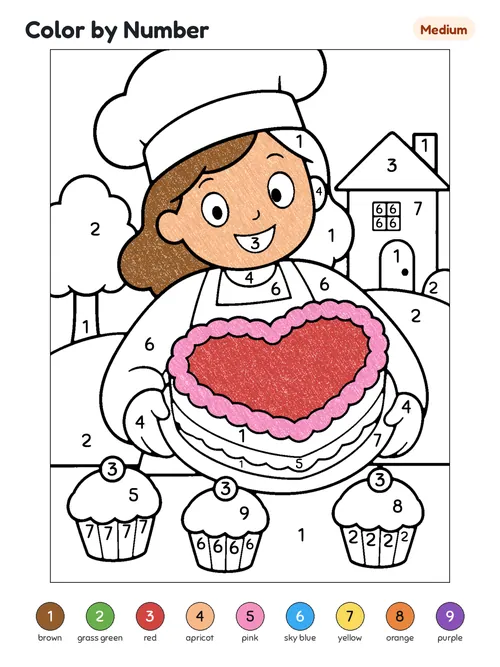
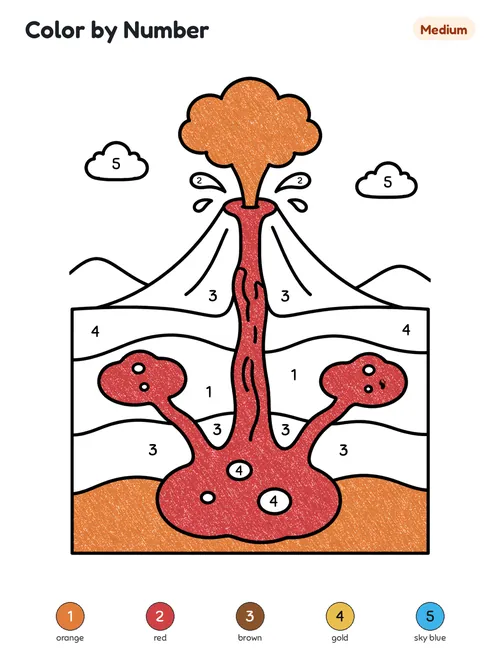
Spotted fawns and antlered bucks anchor this forest collection. Inside are 26 deer color by number pages: 5 easy pages for preschool with bold lines, 12 medium pages, 5 challenge pages, and 4 advanced pages for teens and adults.
PDF paper size:
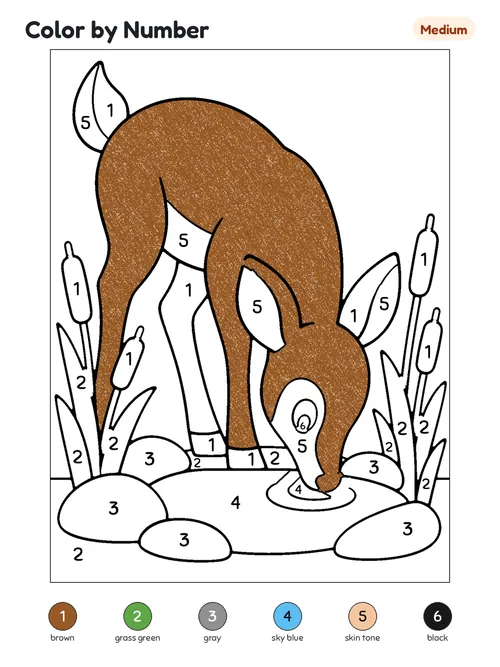
Easy 5 pages · ages 3 to 6


Medium 12 pages · ages 5 to 8


Challenge 5 pages · ages 7 and up


Advanced 4 pages · teens and adults


A quiet table after a forest walk
Spread brown and orange pencils across the kitchen table after a brisk walk through autumn woods. Spotting deer tracks outside often sparks quiet questions indoors. A color by number deer sheet opens a warm chat about how white spots hide young fawns in tall grass.
Does are female deer, while bucks grow branching antlers. The resting doe and pumpkin page pictures a curled tan doe beside a big orange pumpkin on mossy ground. Because bucks shed their antlers every year, fall scenes give parents a simple seasonal nature fact to share.
Warm browns, tans, and autumn palettes
Coloring fur looks flat under one heavy pass, so light layers build realistic shading across the coat. Tan, warm brown, and russet tones blend smoothly. The botanical white-tailed deer design surrounds a forest deer with autumn leaves, wild ferns, and pinecone branches. Soft forest greens help pale tan coats stand out cleanly.
Sharp colored pencils keep tight forest details around white-tailed deer crisp. Shading from lightest tan to deepest brown prevents smudges. Families wanting freehand practice can switch to our deer coloring pages, or pair woodland units with forest fox pages.
Winter deer and seasonal classroom lessons
During winter units, teachers can explain how deer grow thicker grayish-brown coats and browse on twigs. Each free printable PDF also offers a teacher download with a full answer key page. Cold-weather wildlife lessons pair naturally with our reindeer pages as well.
Afternoon sessions go smoothly when you set out the needed crayons first. Preschoolers stay focused with fewer choices on the table. Hanging finished deer scenes along a hallway wall builds a warm woodland display for visiting families.
Questions about Deer color by number
Why do baby fawns have white spots on their backs?
Pale spots mimic sunlight filtering through forest leaves onto the ground. When a doe leaves her fawn hidden in tall grass, that speckled coat breaks up the young deer's outline from predators. Most fawns lose those markings as thicker winter coats grow in autumn.
How do you keep brown and tan deer fur from looking muddy?
Start with light strokes on beige and tan spaces before adding darker brown shades. Sharp pencil tips also separate branching antlers cleanly from nearby twigs. Keeping small white patches neat around the eyes and tail makes the coat stand out against autumn leaves.
How do white-tailed deer pages support a forest seasons unit?
Classes often arrange fawn, buck, and winter deer pages along a seasonal bulletin board. Students can compare spotted summer coats, branching antlers that bucks shed yearly, and thicker winter fur. Grouping finished sheets by season turns color matching into a quick woodland habitat review.