Wolf Color by Number Pages
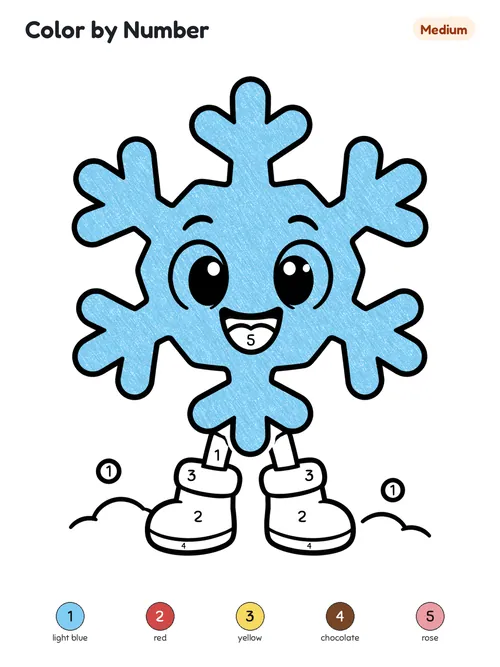
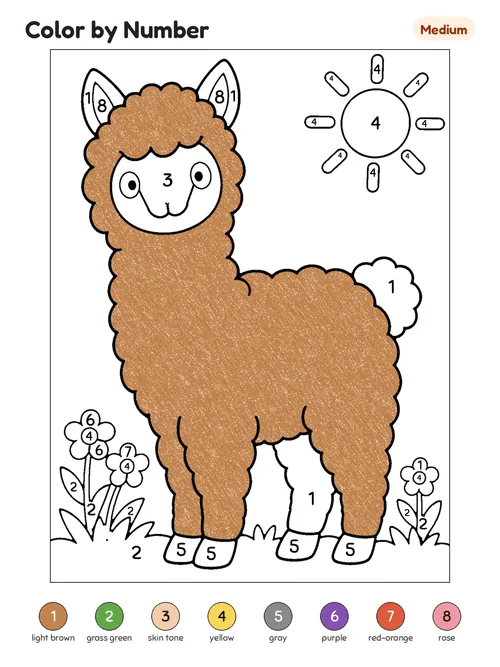
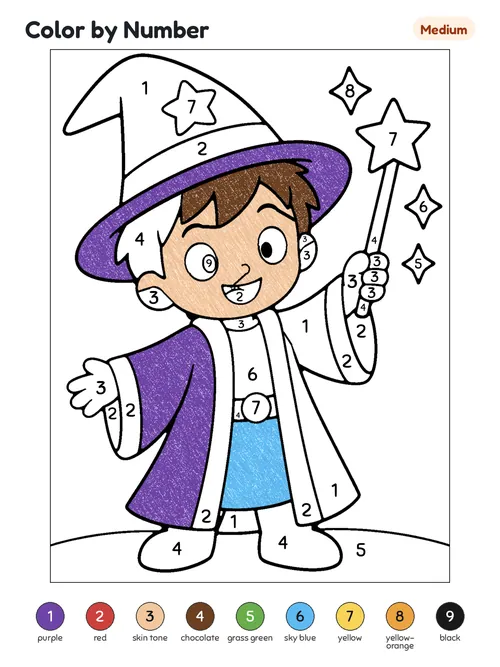
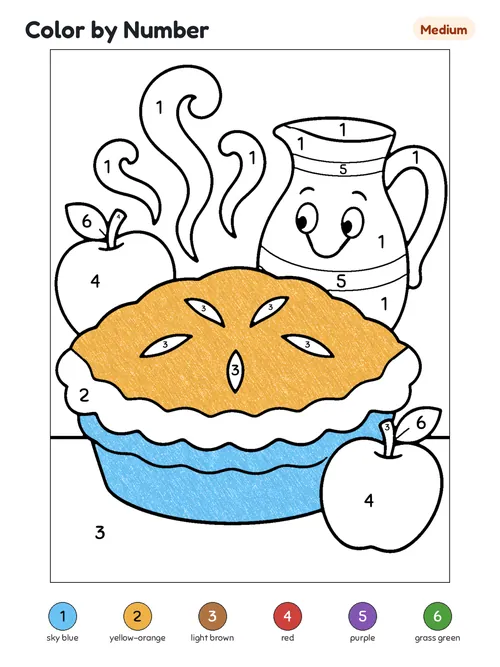
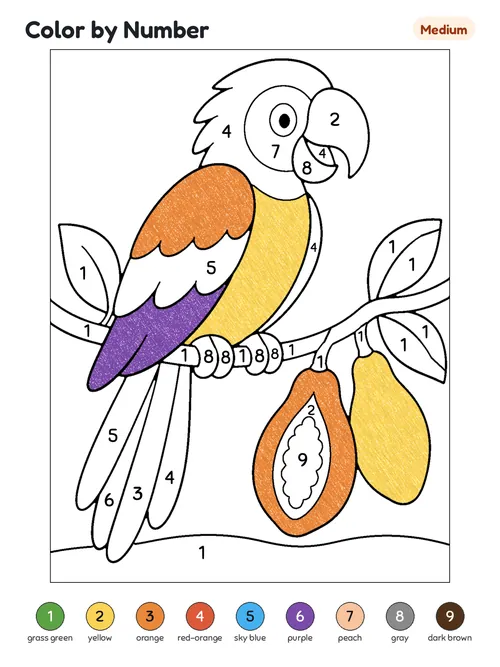
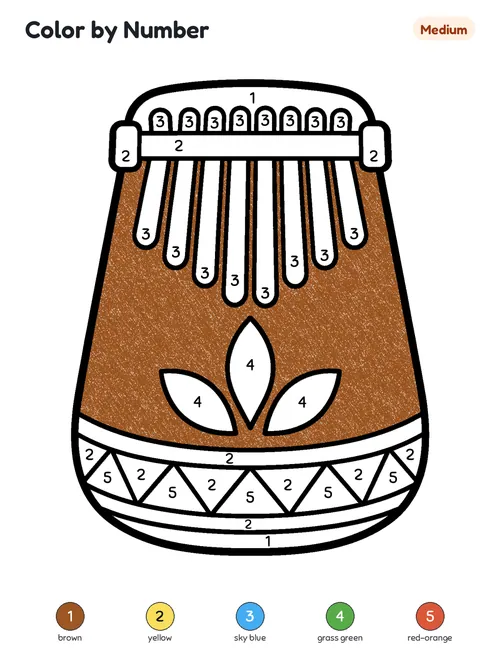
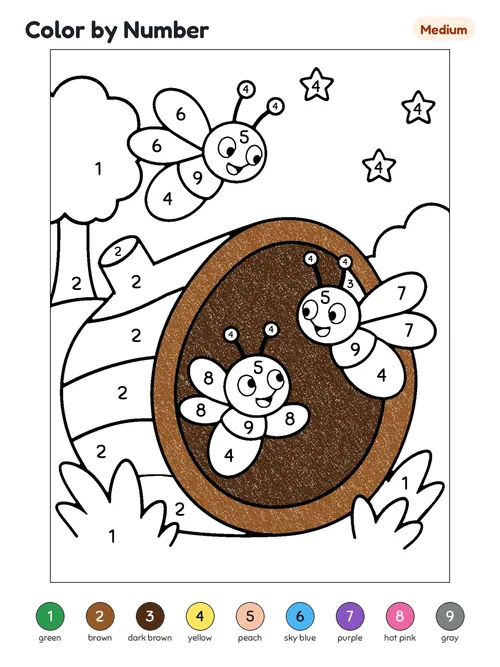
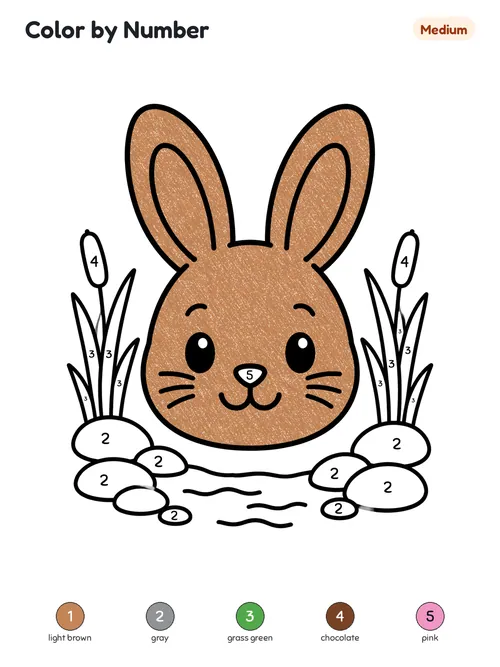
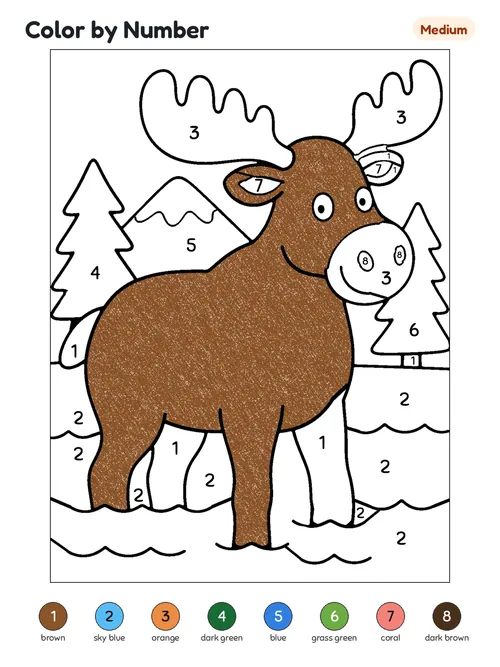
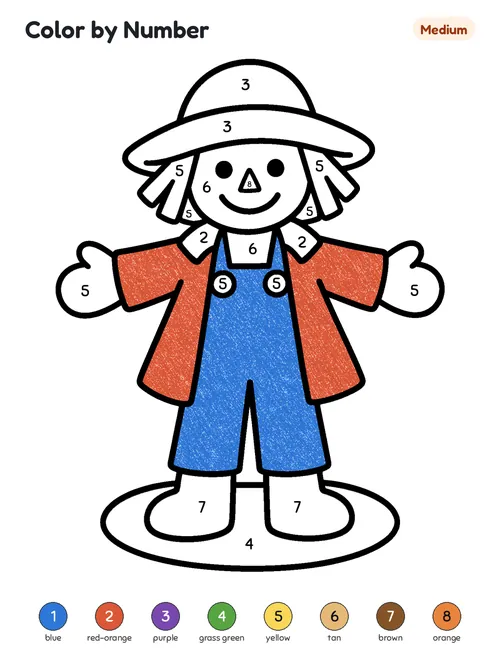
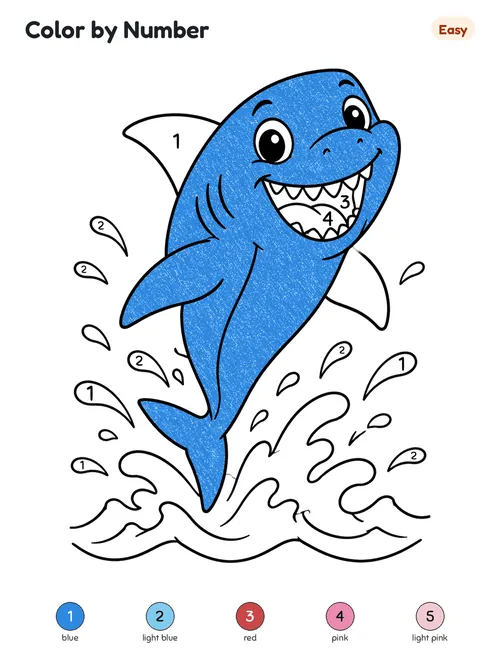
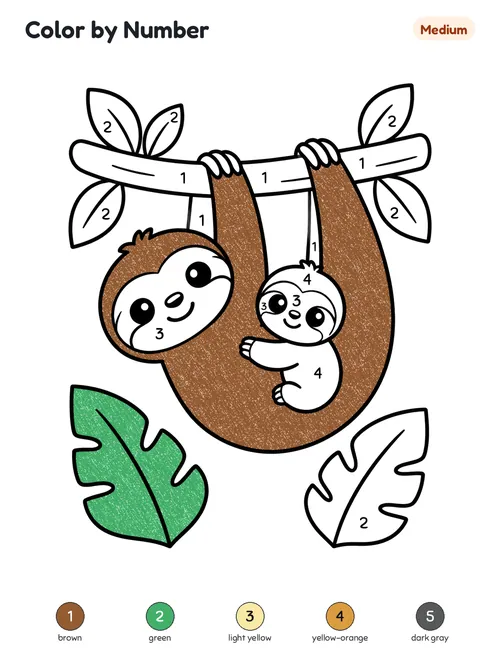
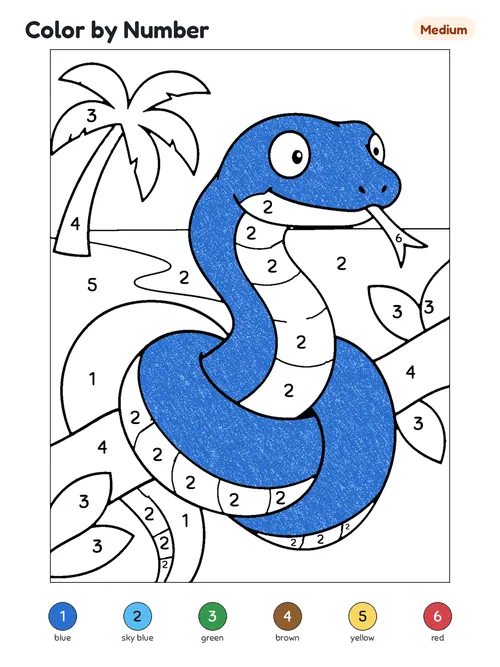
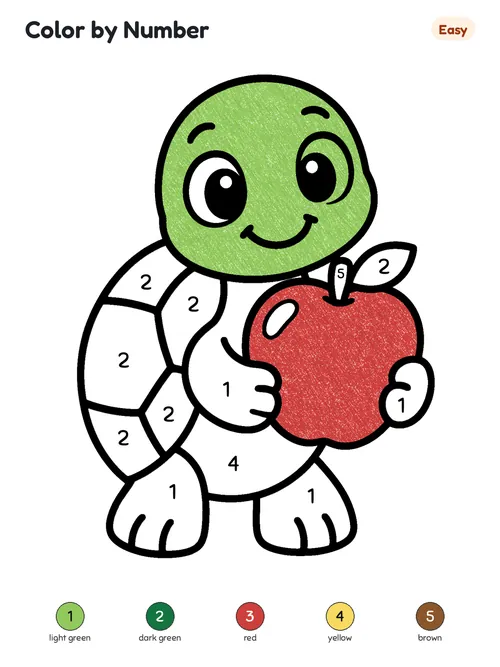
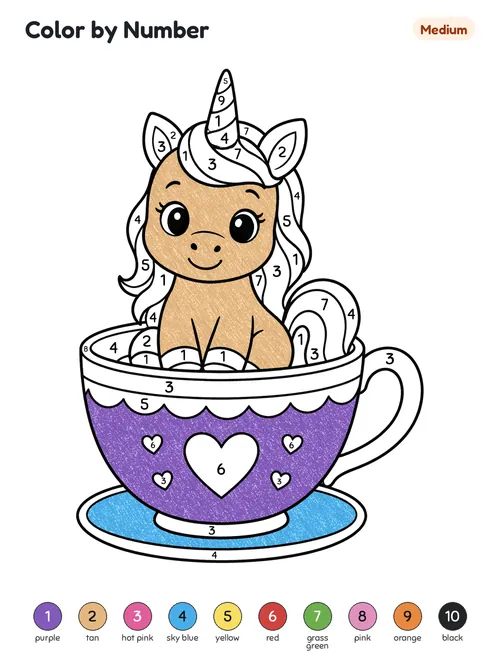
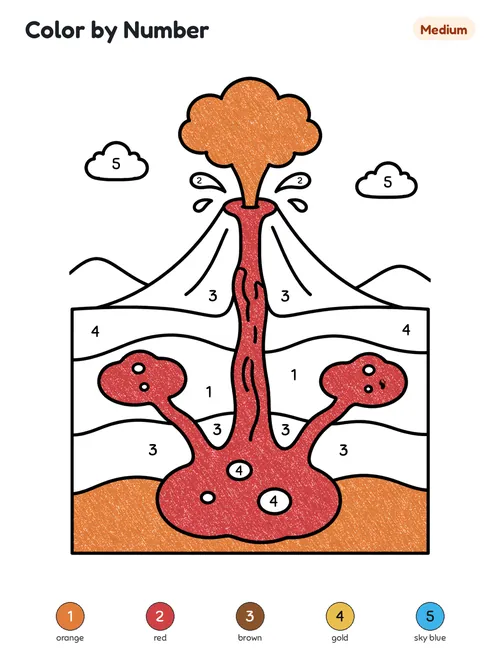
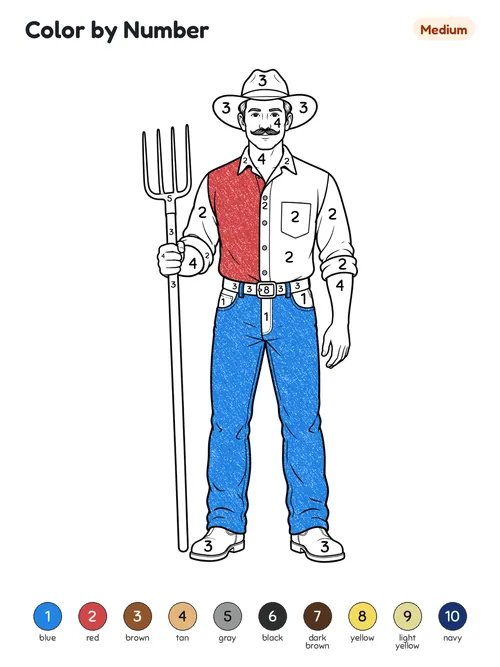
Howls unite wolf packs across forests and tundra. This collection holds 20 wolf color by number pages: 5 easy pages for preschool with bold lines, 9 medium pages, 2 challenge pages, and 4 advanced pages for teens and adults.
PDF paper size:
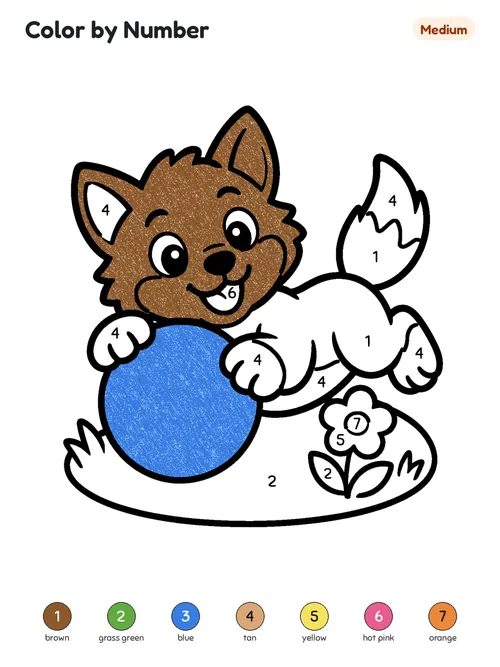
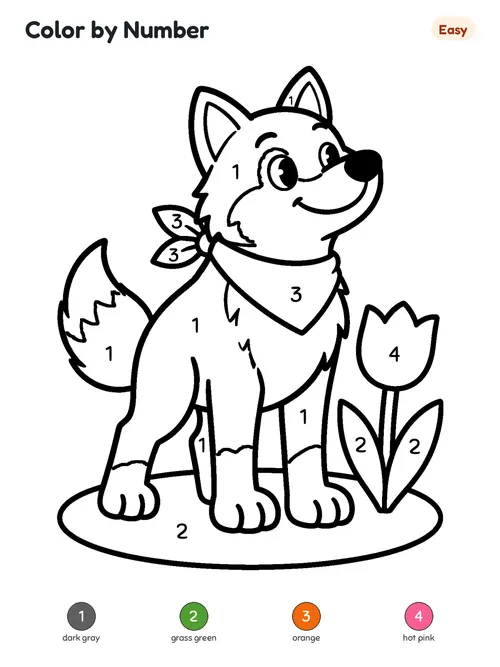
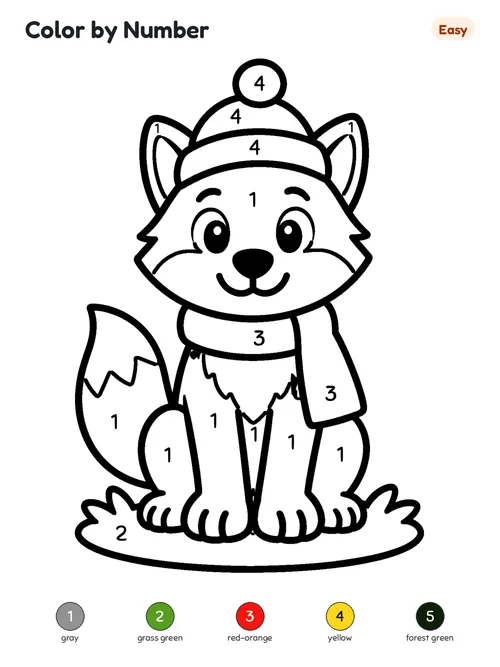
Easy 5 pages · ages 3 to 6
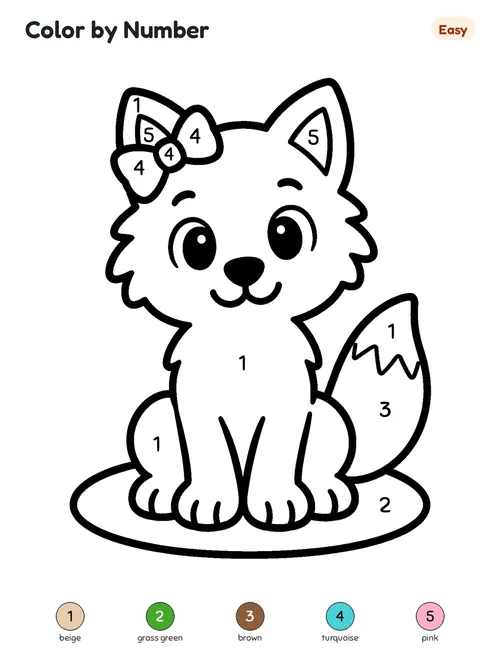





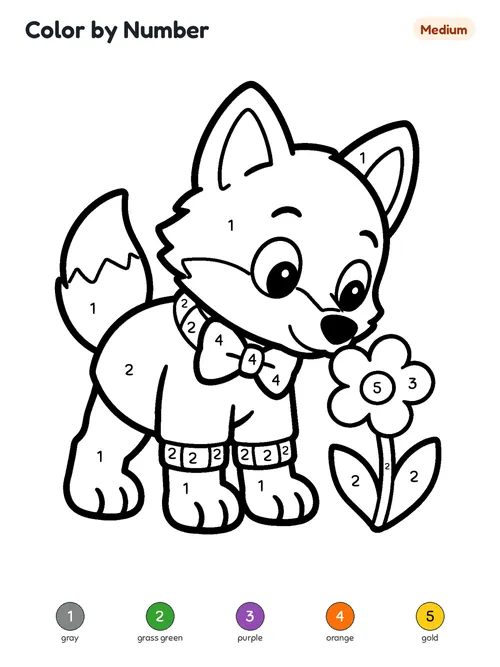
Medium 9 pages · ages 5 to 8




Challenge 2 pages · ages 7 and up


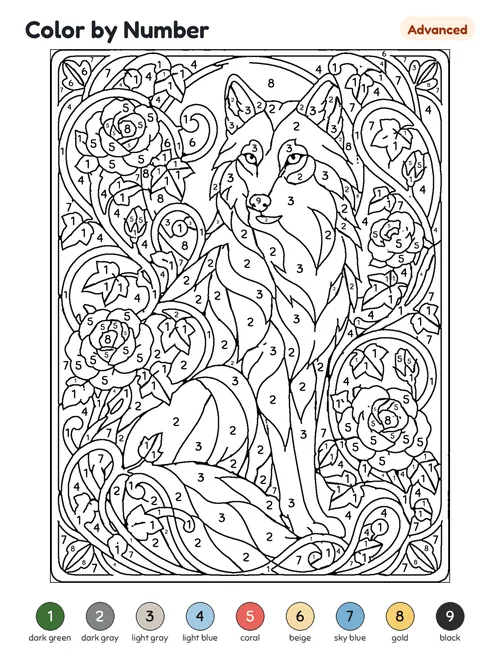
Advanced 4 pages · teens and adults




Pack life, pups, and winter coats
Wolves live and hunt in family packs. Pack members howl across forests and snowy ridges to stay in touch with one another. The arctic wolf with a red ball page adds a cheerful pale coat to the scene. Comparing white arctic coats with gray and brown timber wolves sparks a calm wildlife conversation.
Every printable wolf color by number sheet downloads as a free PDF with a numbered color key. Pups and adult wolves keep the mood steady. Anyone who wants open-ended drawing afterward can also try our wolf coloring pages.
Shading gray, brown, and white fur
Wolf coats rarely look like one flat shade. Timber wolves mix warm brown along the back with cooler charcoal and silver near the chest. Use light, layered pencil strokes in gray first, then dust soft brown along the shoulders and ears. The botanical timber wolf design places a quiet forest wolf among wild stems and blossoms.
White arctic fur calls for restraint. Leave the brightest sections plain paper, and shade only the edges with pale gray or faint blue so the silhouette stays crisp. A duller pencil tip softens fur transitions without waxy streaks.
Build a pack habitat wall display
Finished sheets make a thoughtful pack habitat wall display. Tape white paper beside forest brown on a wall, then group colored pups and adult wolves into packs. Paper speech bubbles can note why wolves howl across open land.
Sorting white arctic wolves onto snow and gray timber wolves into trees helps children see how fur matches habitat. Pups beside watchful adult wolves show how packs cooperate. Teachers can expand the forest corner with fox pages or bear pages.
Questions about Wolf color by number
Why do wolves howl to their pack?
Howling serves as a long-distance voice signal for the family group. Wolves call out to locate separated packmates, gather before hunting, and mark territory from neighboring packs. Because the sound carries smoothly across open tundra and quiet woods, distant animals can track each other safely.
How can I shade gray and brown timber wolf fur realistically?
Layer light gray softly first, then deepen the back, ears, and tail tip with charcoal. Blend warm brown lightly across the shoulders and muzzle while leaving the chest pale. Short strokes following the direction of fur growth give wolf coats natural texture without muddy buildup.
How do arctic and timber wolf sheets fit a habitat camouflage lesson?
Pairing arctic wolf sheets with timber wolf scenes shows clear differences between tundra and forest coats. After coloring, students can place white wolves on snow paper and gray wolves among trees. That visual step sparks thoughtful talk about camouflage, pack hunting, and caring for pups.