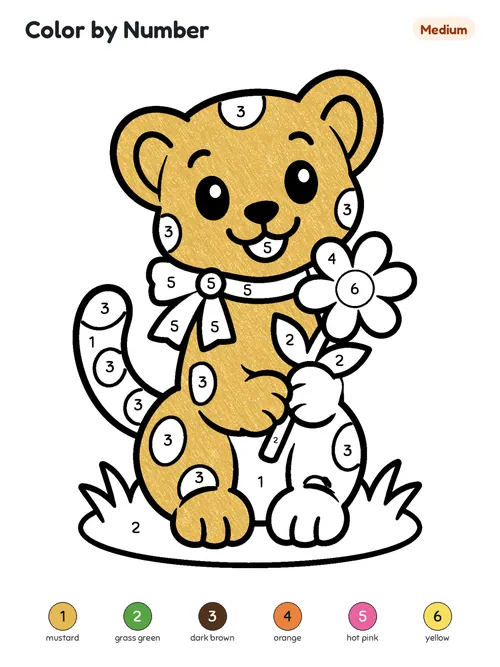
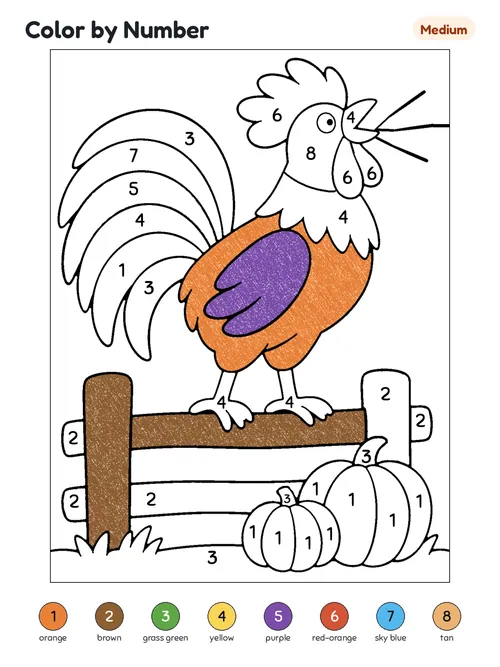
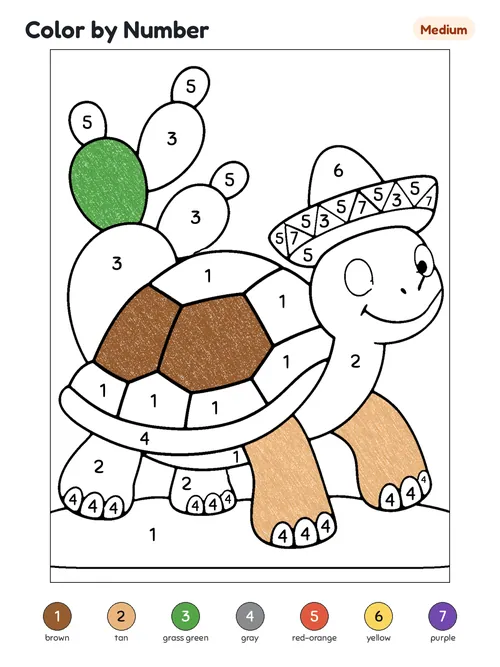
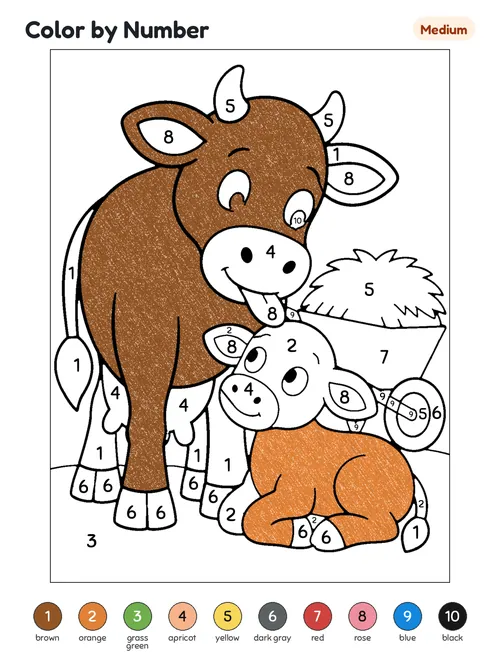
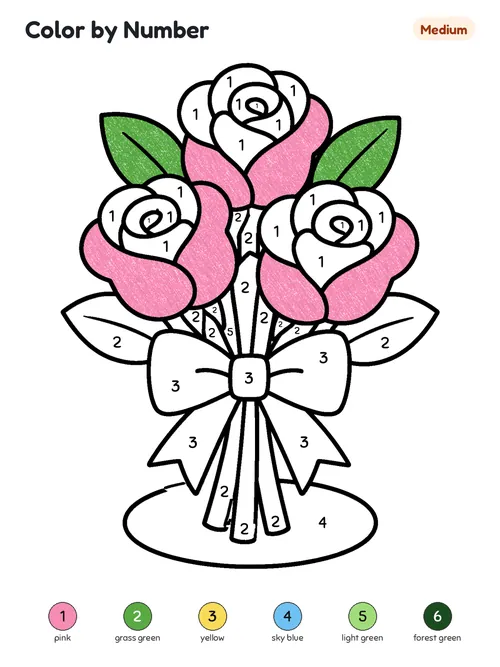
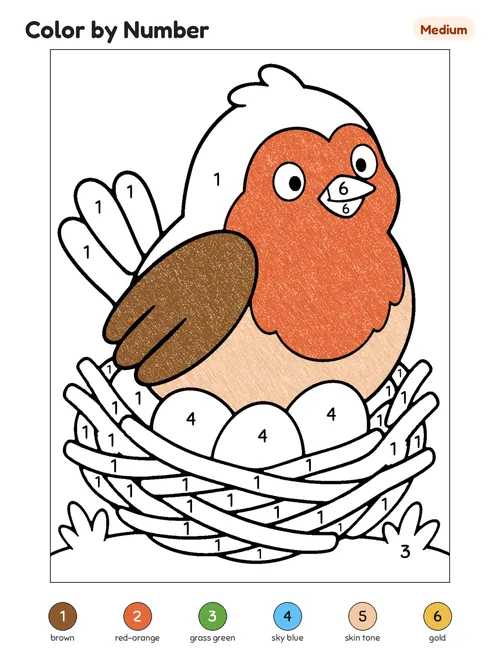
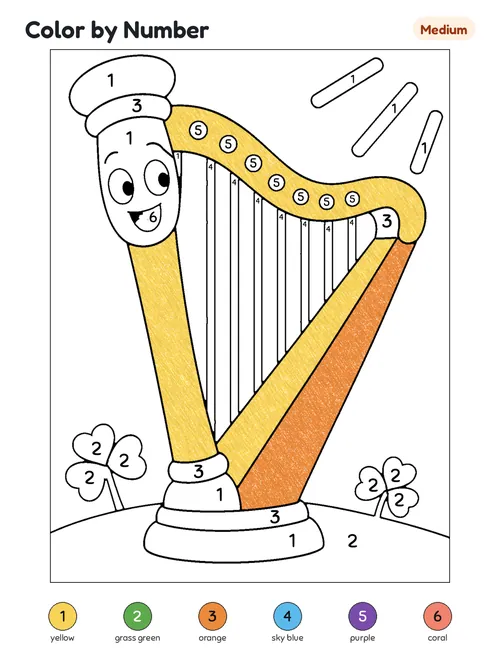
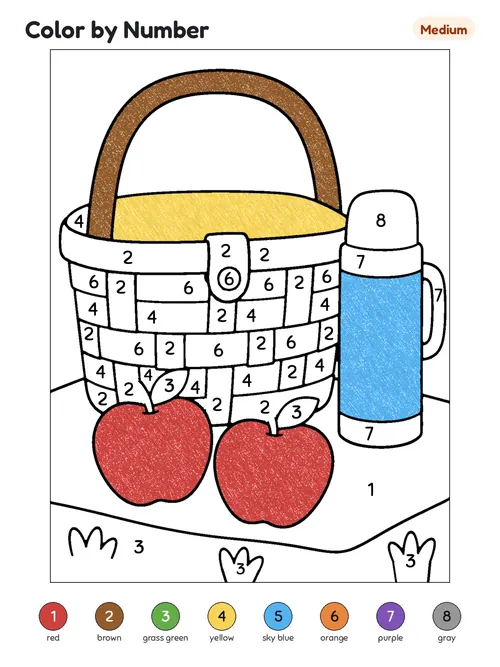
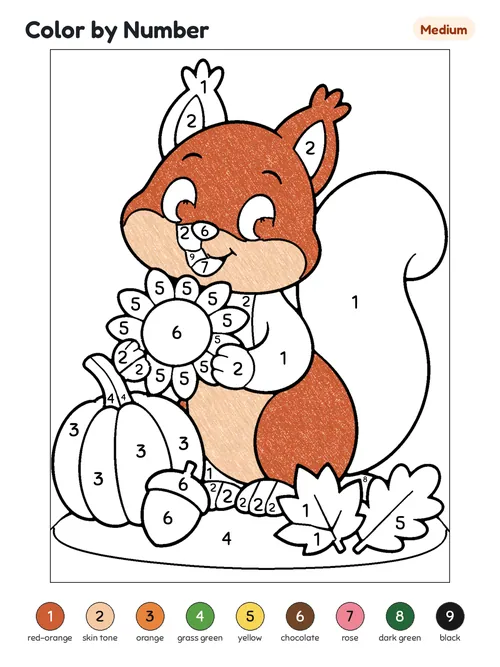
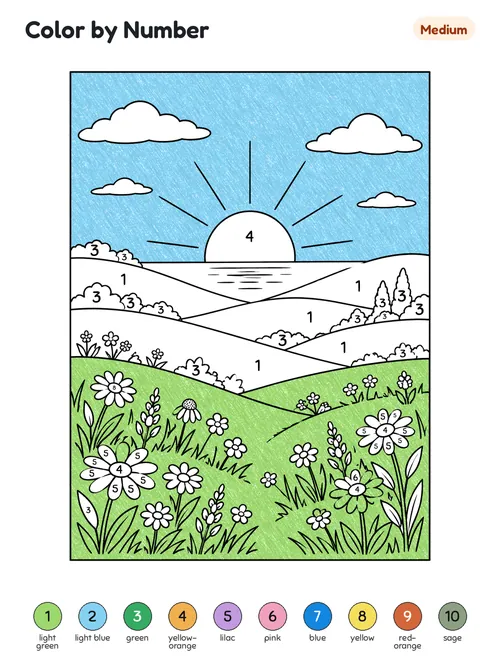
Plant Color by Number Pages
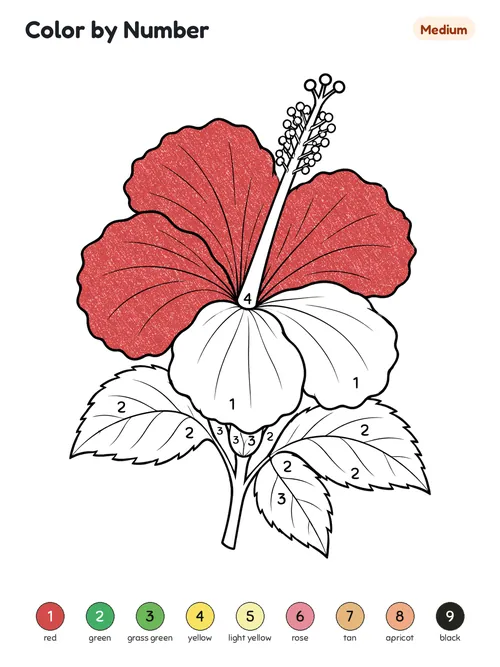
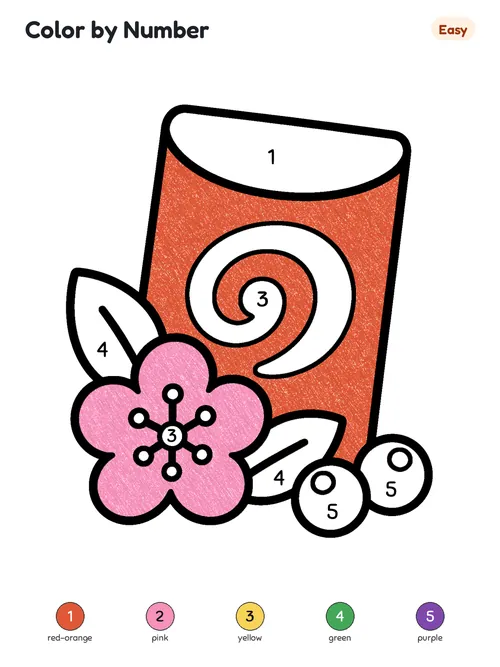
Windowsill ferns, cacti and tiny seedlings fill this set. Inside are 24 plant color by number pages: 6 easy pages for preschool with bold lines, 9 medium pages, 5 challenge pages and 4 advanced pages for teens and adults.
PDF paper size:
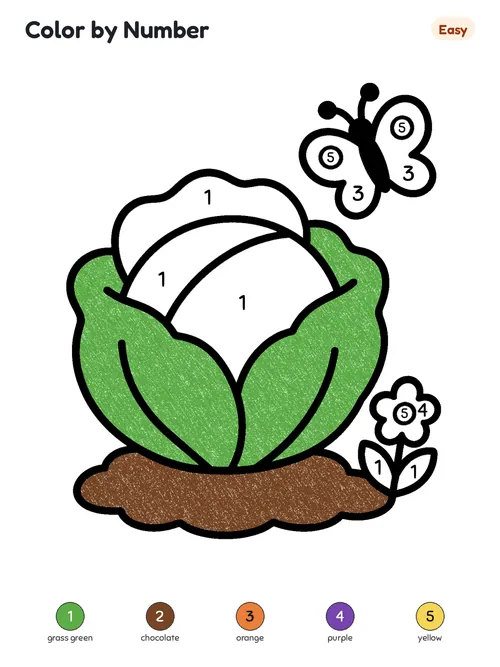
Easy 6 pages · ages 3 to 6


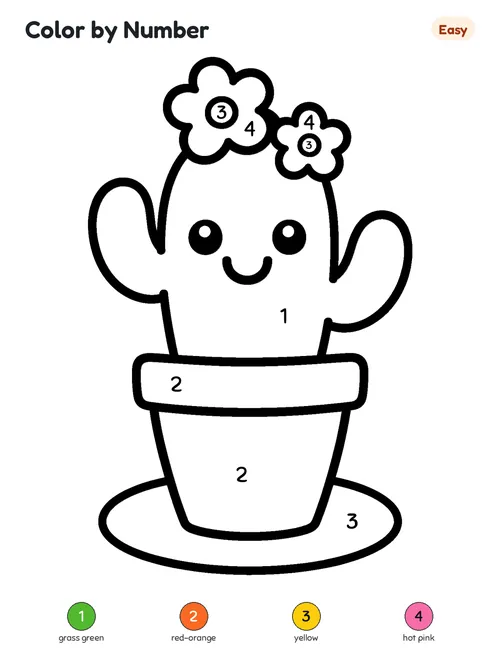

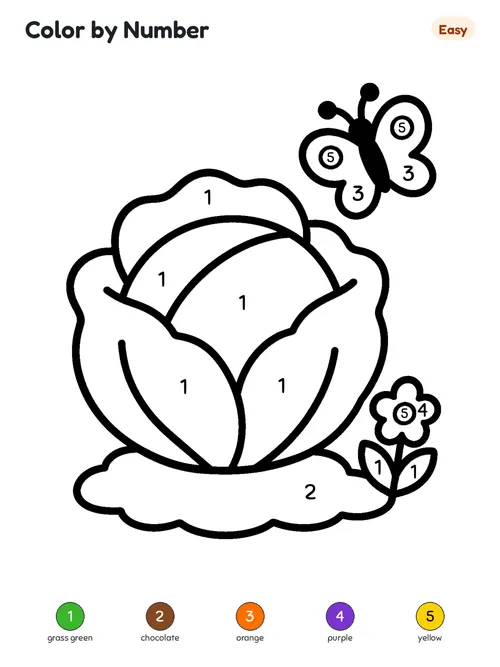

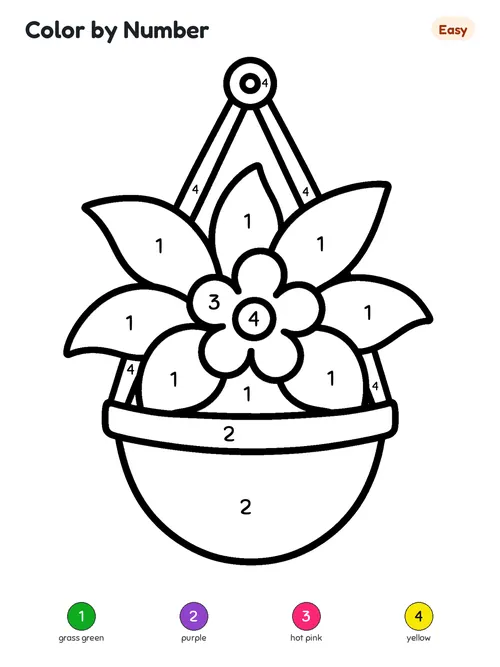

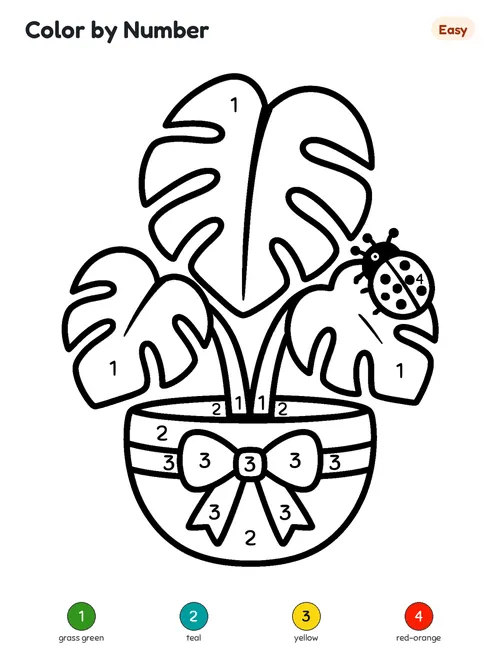

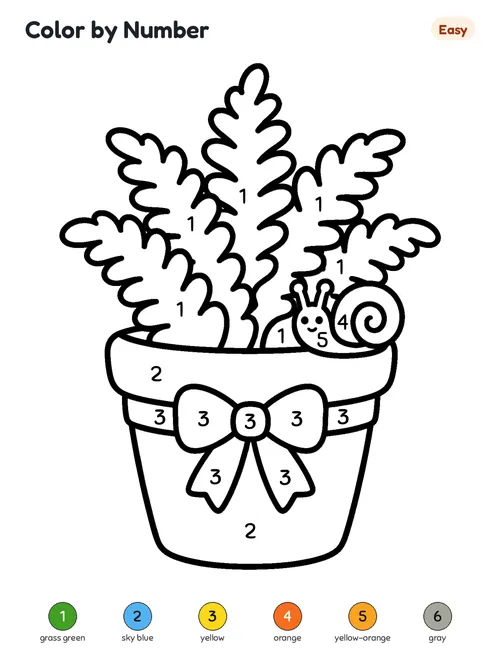

Medium 9 pages · ages 5 to 8
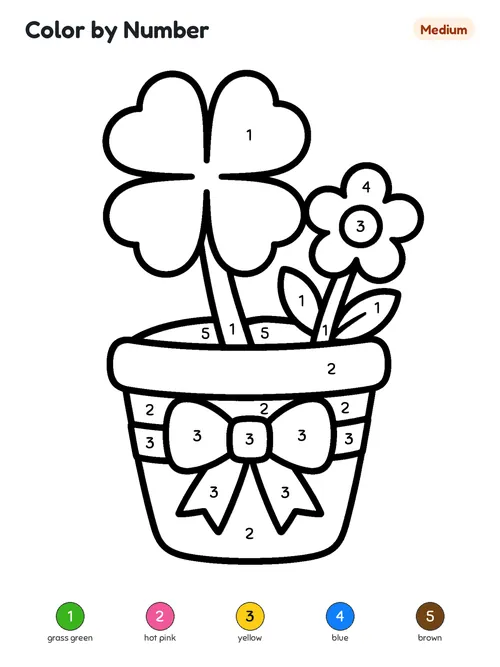

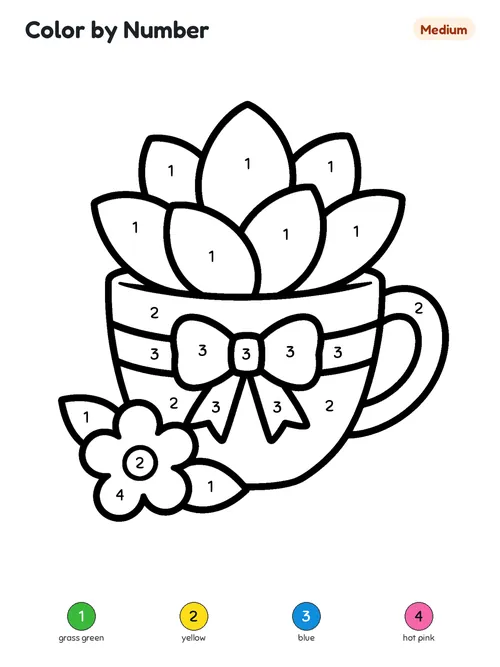

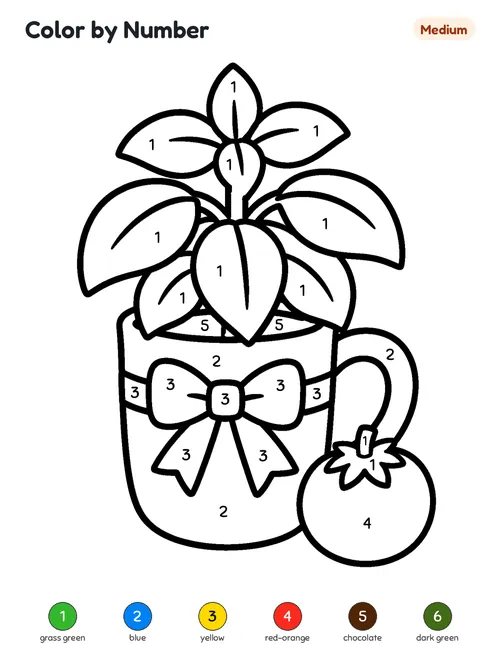

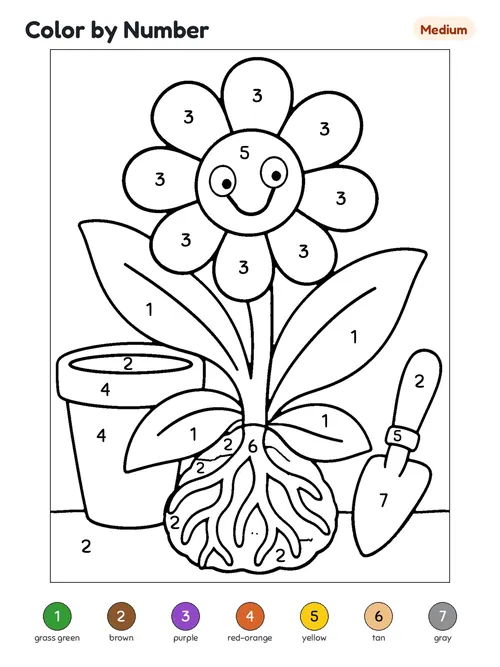


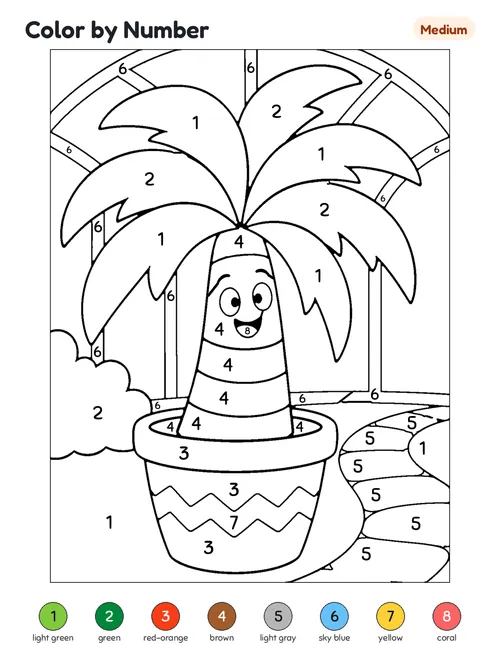

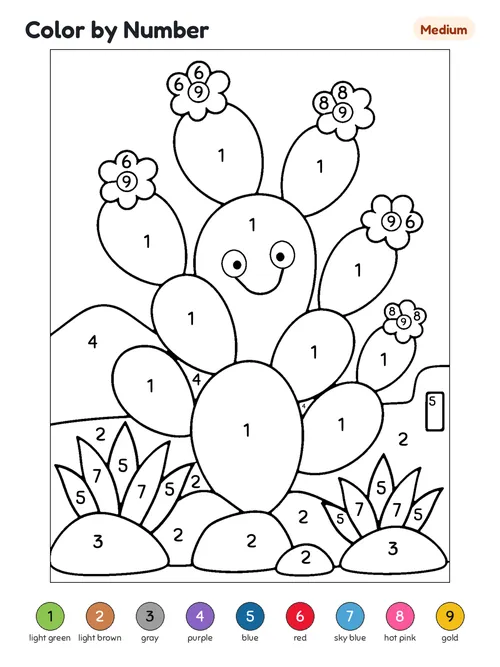

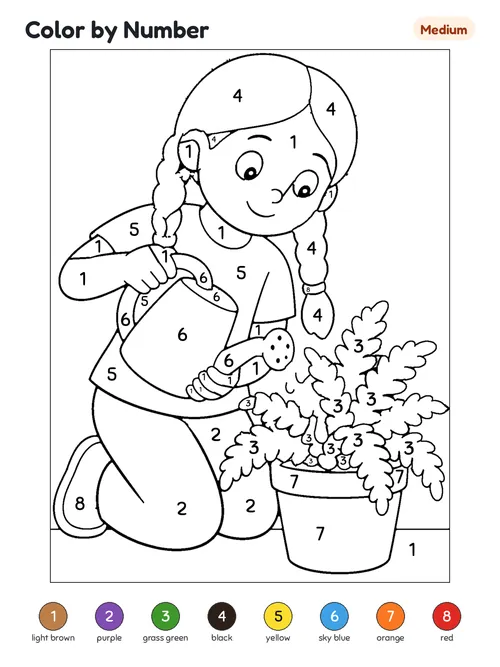

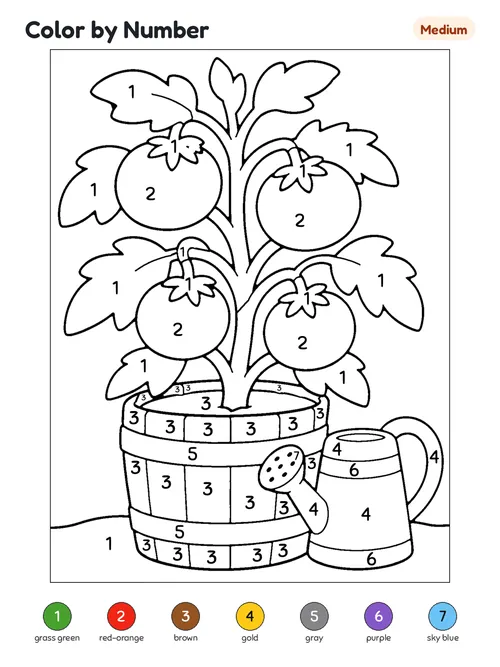

Challenge 5 pages · ages 7 and up


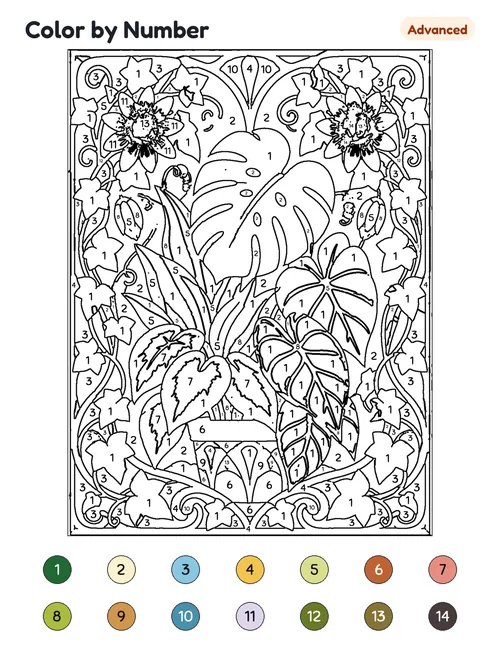
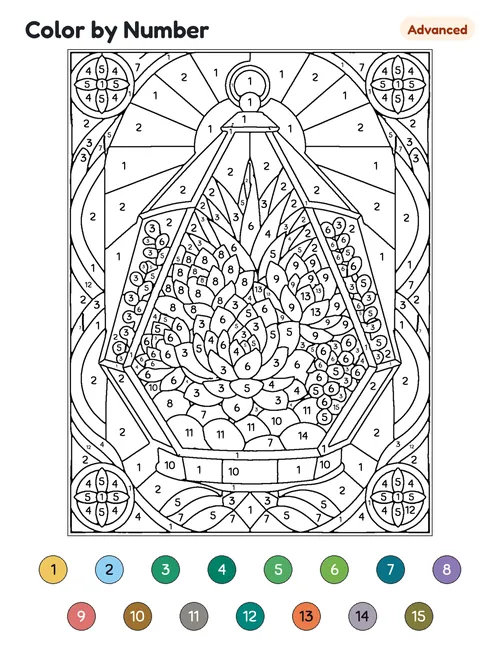
Advanced 4 pages · teens and adults


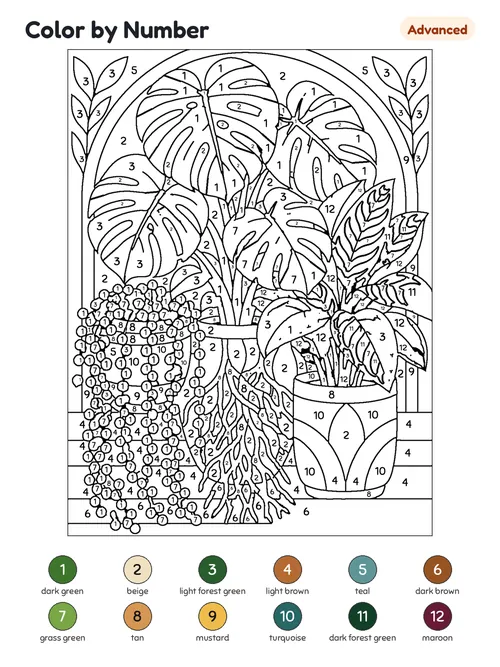


Turning a classroom plant corner into art time
A sunlit table sits beside the classroom plant corner, crowded with clay pots and crayons. Children notice how stems bend toward the window. The tiny sprouting seedling page shows fresh leaves rising from soil beneath a blue water drop. Coloring roots, stems, leaves, and blooms reinforces what plants need to grow right after watering time.
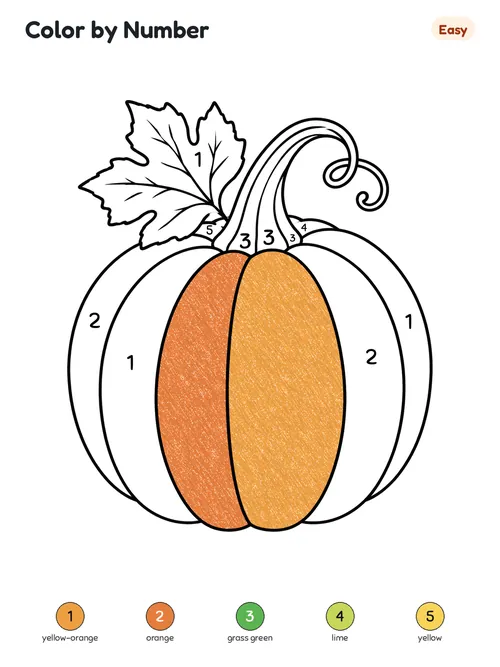
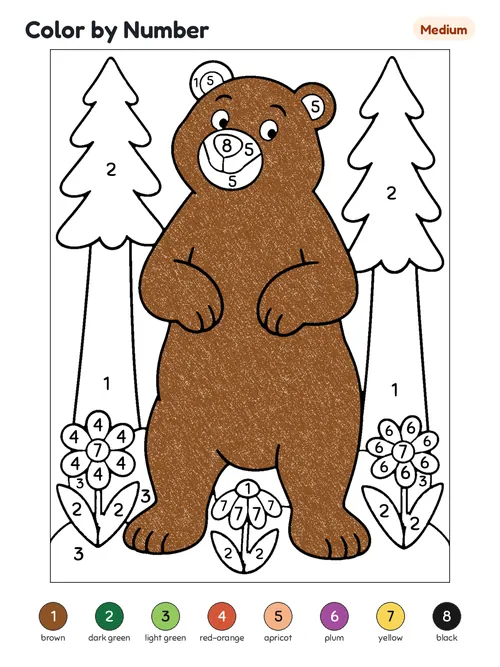
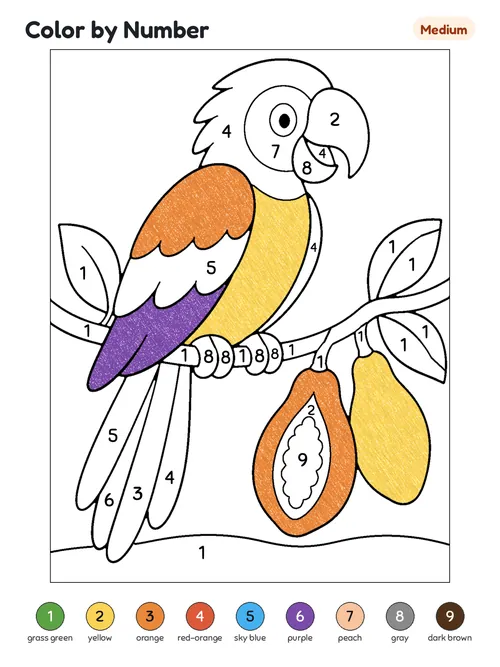
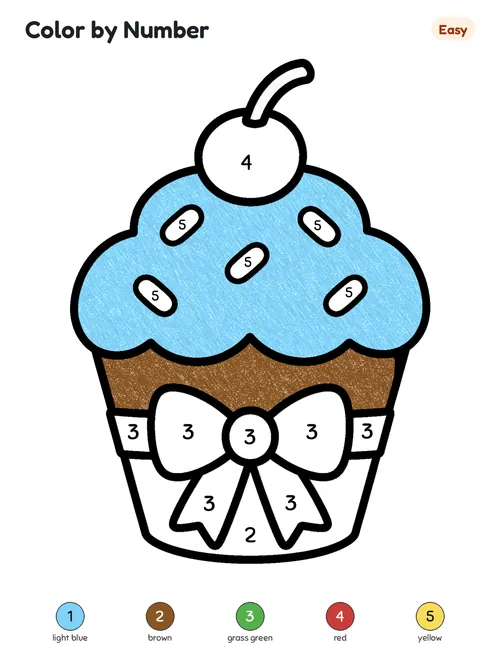
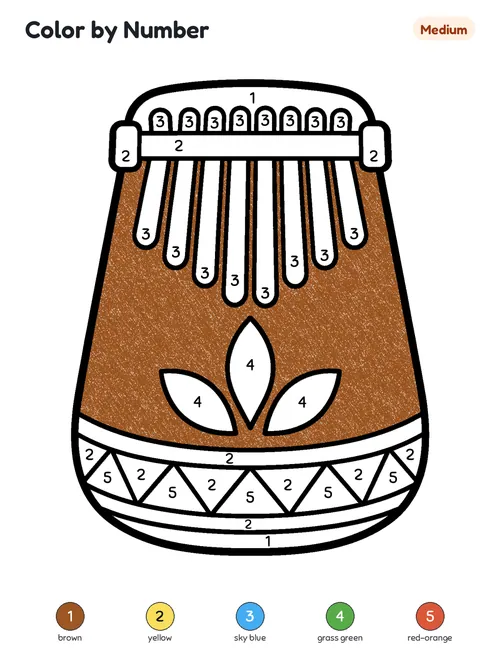
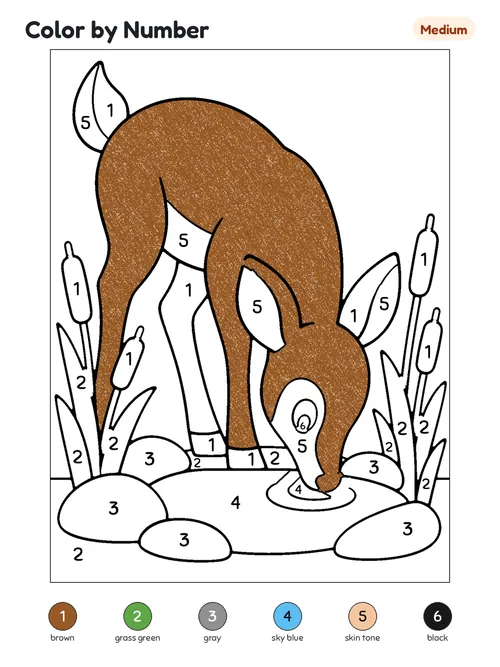
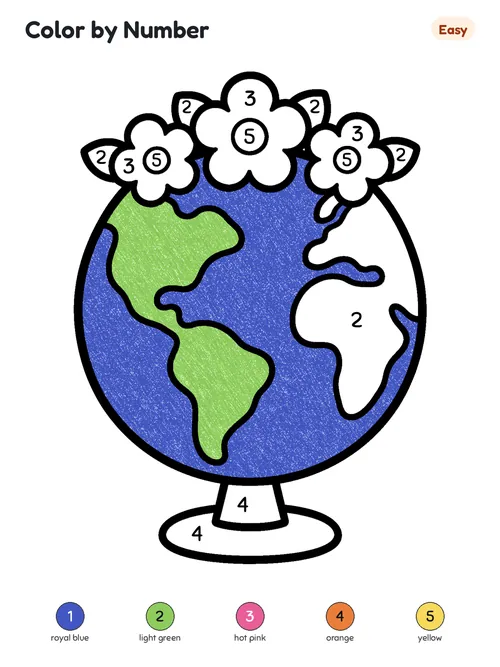
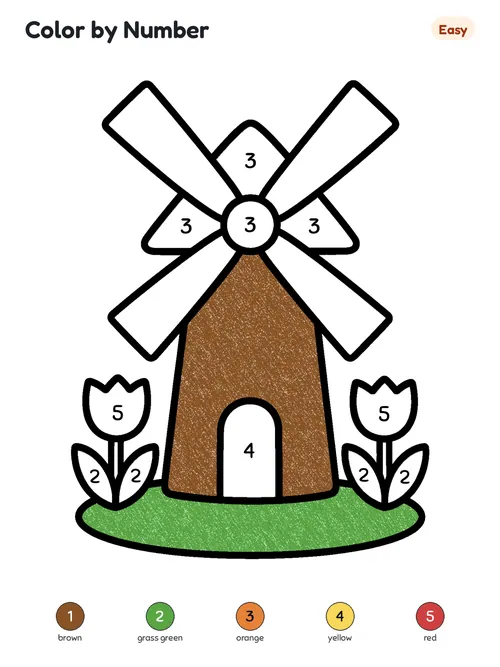
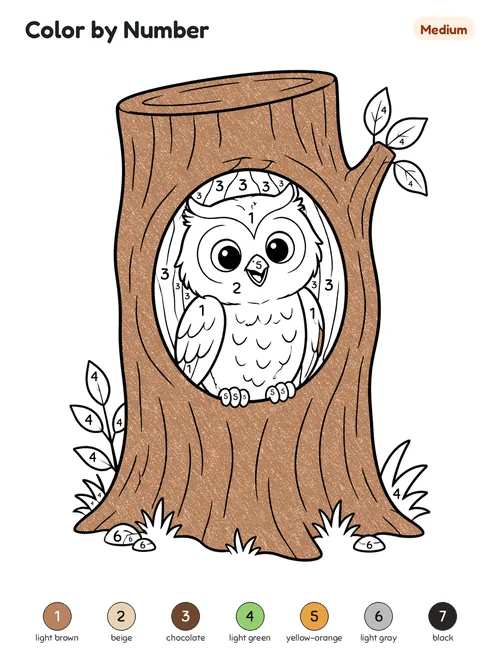
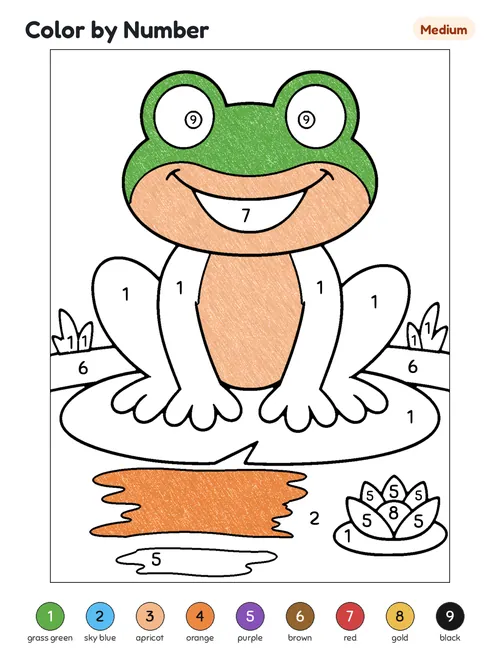
During a science unit, color by number plants help students compare drawings with real leaves on the sill. Every free printable PDF includes a color key with each swatch and name. When blossoms open, try our flower designs alongside these sheets to study petals.
Sorting many shades of green for ferns and succulents
Real houseplants almost never use just one green. A spiky cactus leans sage, while a bushy fern shifts from bright mint tips to deep forest shadow. The botanical houseplant study design pairs patterned tropical leaves with tangled roots. Before starting, sort several green pencils from pale olive to dark pine so neighboring sections stay distinct.
Colored pencils handle tiny succulent rosettes and layered fern fronds far better than chunky markers. Light strokes also shade terracotta pots smoothly. Adults seeking quiet evening focus can try dense botanical linework in our color by number pages for adults.
Mixing guided leaves with open coloring
Numbered guides steady early hands, so let preschoolers match colors slowly across wide cactus pads and rounded pots. Big spaces build confidence before tiny details arrive.
Some children prefer inventing purple ferns or striped succulents instead of following a preset palette. Set out unnumbered plant coloring pages beside numbered ones so each child chooses their pace during quiet work.
Questions about Plant color by number
Why do cacti and succulents need less water than ferns?
Cacti and succulents store water inside thick, fleshy stems or leaves to survive dry climates. Ferns have thin, delicate fronds that lose moisture quickly in dry air, so they thrive in shaded, damp soil with regular watering and light misting.
How can you color overlapping fern leaves without all the greens blending together?
Separate each numbered shade by pressing lightly on pale sections and slightly firmer on darker stems or shadows. Keeping a warm yellow-green beside a cool blue-green creates crisp edges between crowded fronds, while brown soil and terracotta pots anchor the foliage.
How can a seedling or houseplant coloring sheet support a science lesson on plant parts?
Ask students to name roots, stems, leaves, and flowers out loud as each numbered region fills in. Afterward, tape finished drawings beside real classroom pots and discuss how roots drink water while green leaves catch sunlight to feed the growing plant.