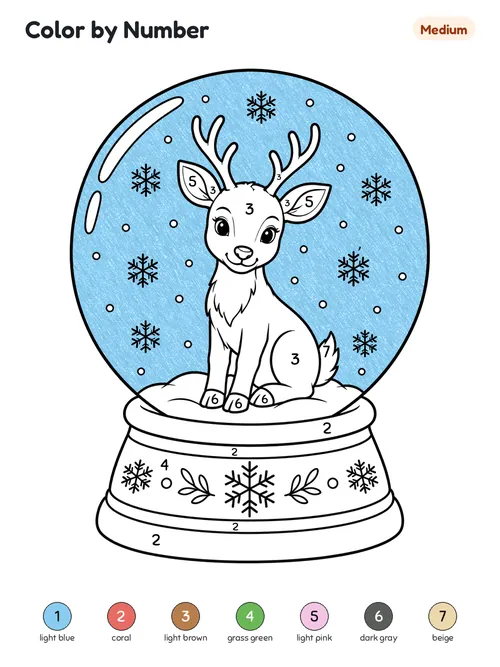
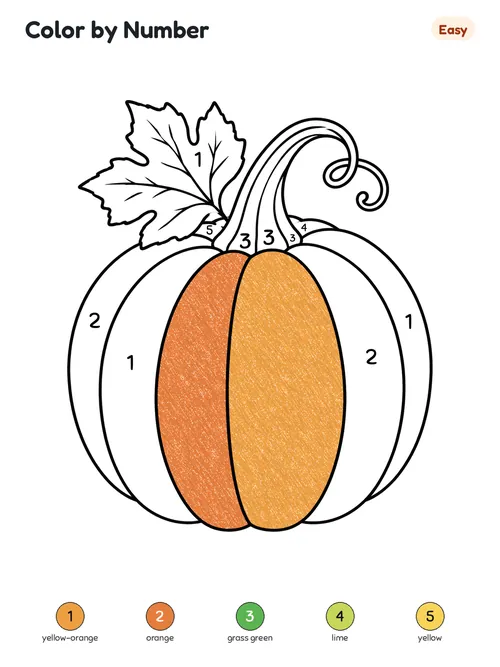
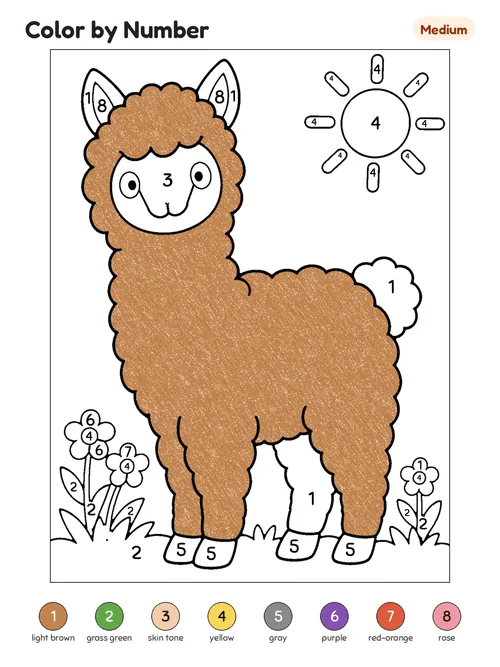
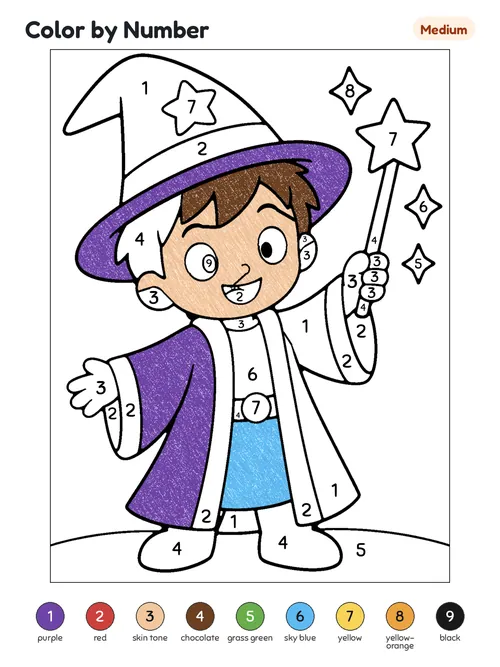
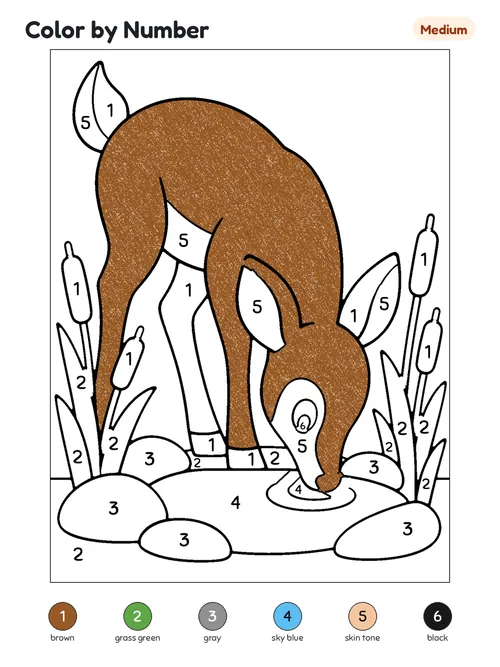
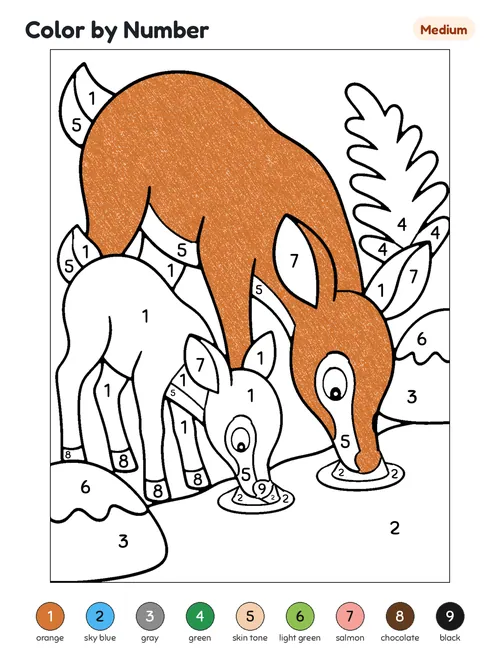
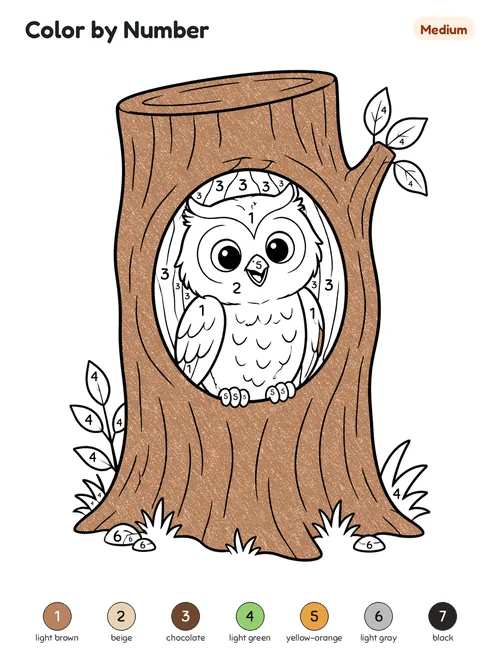
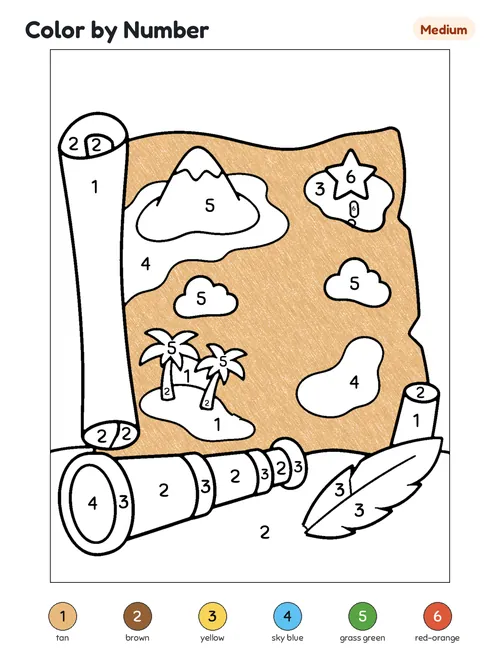
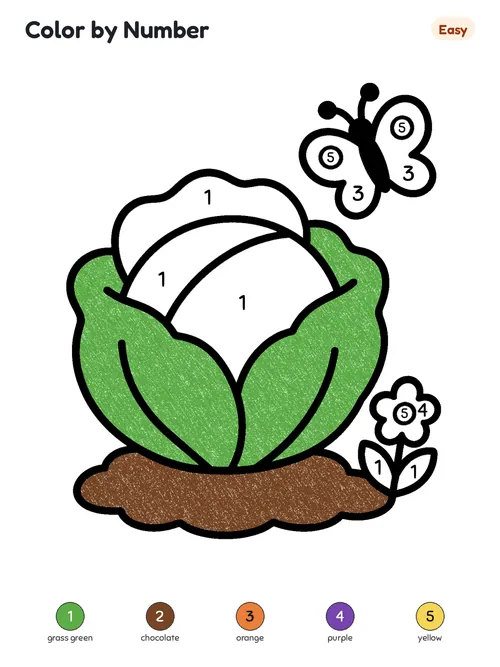
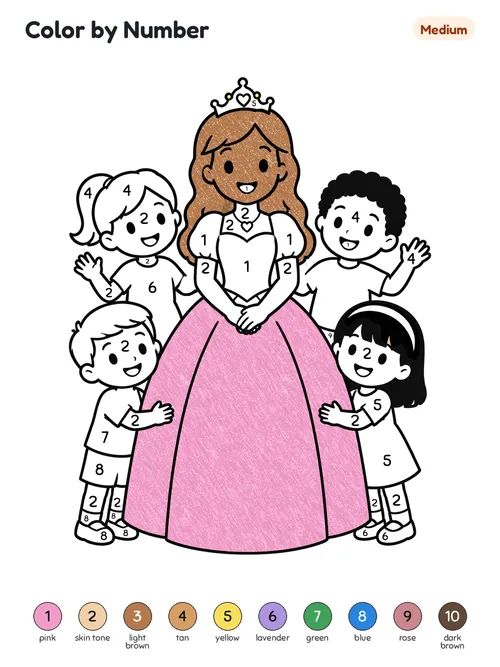
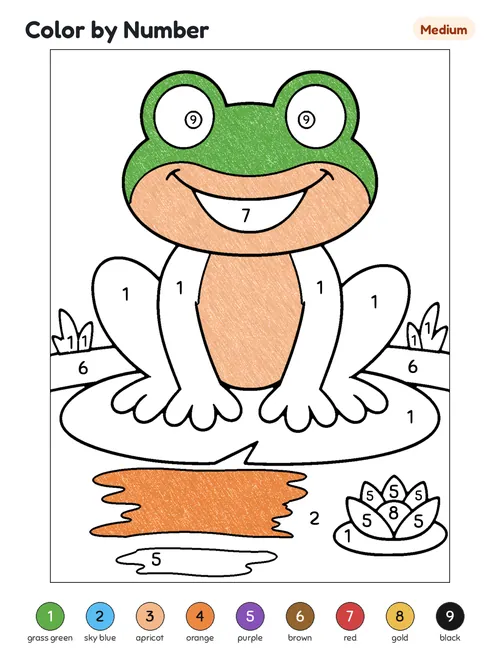
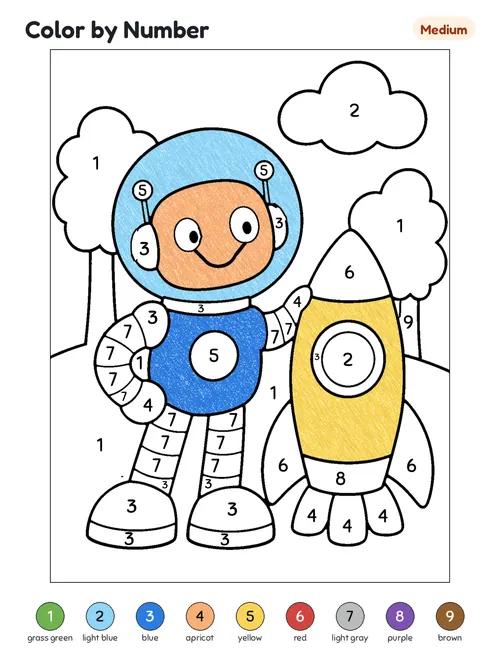
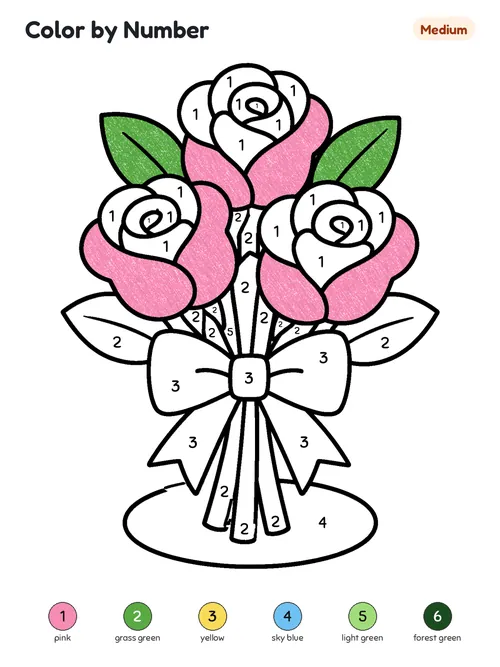
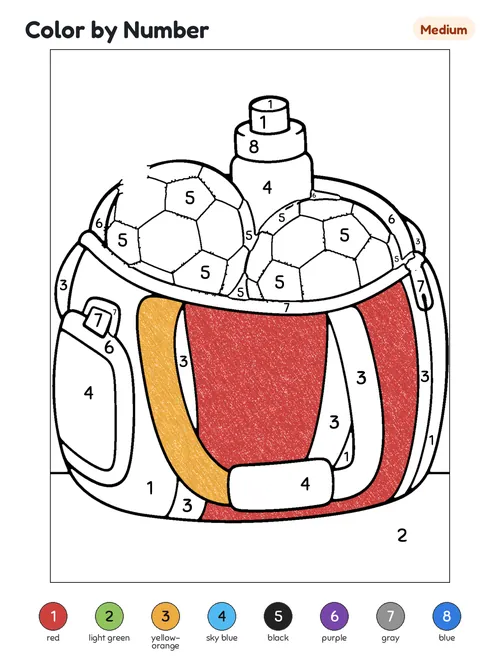
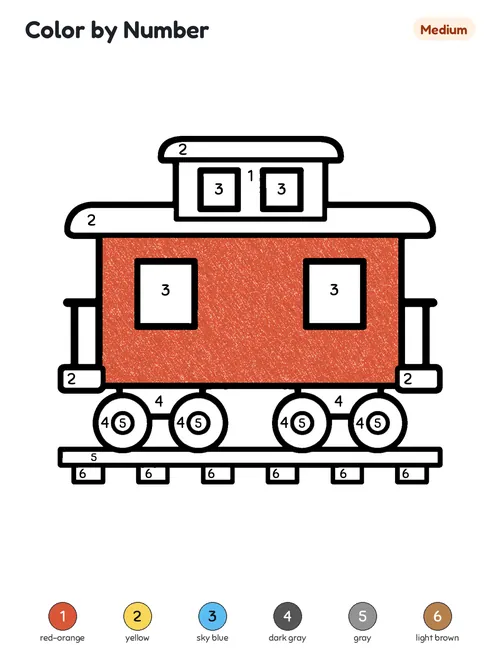
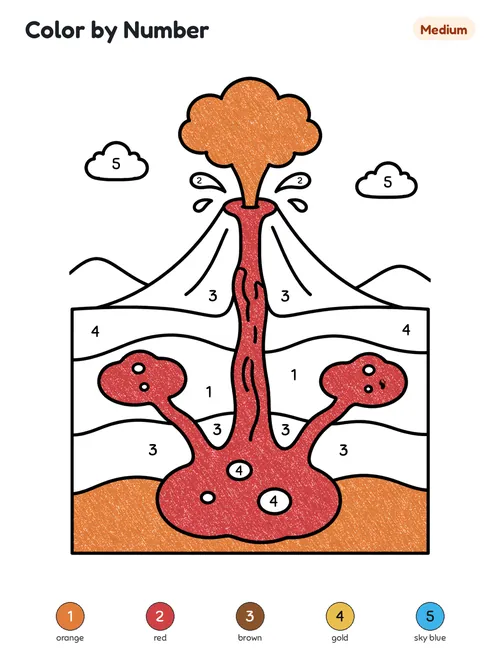
Landscape Color by Number Pages
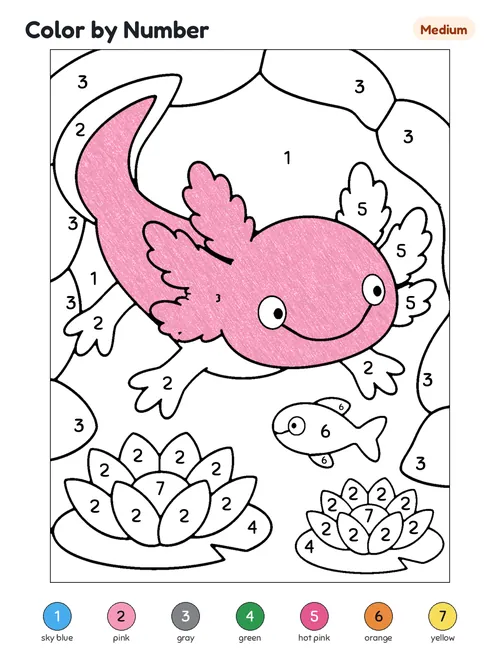
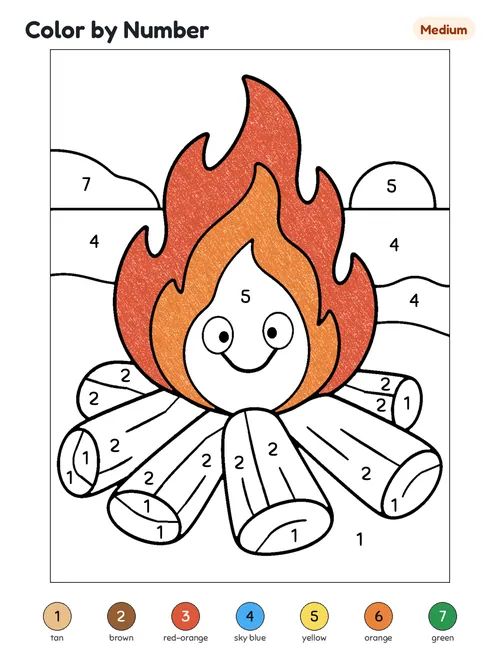
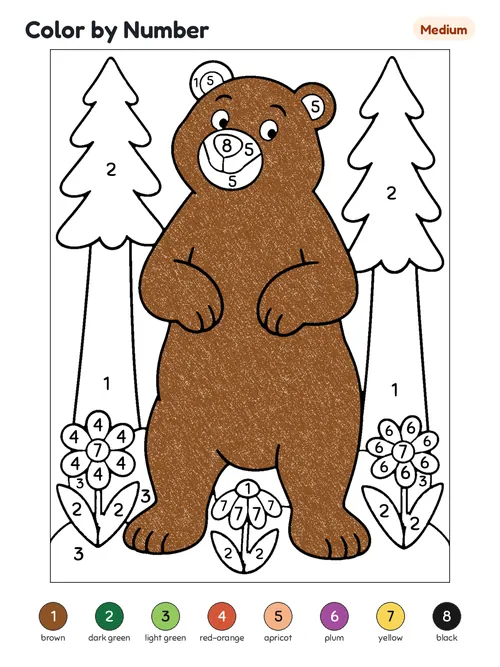
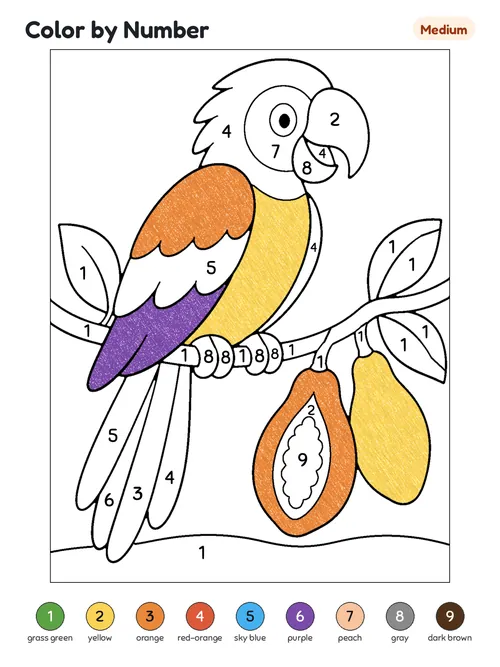
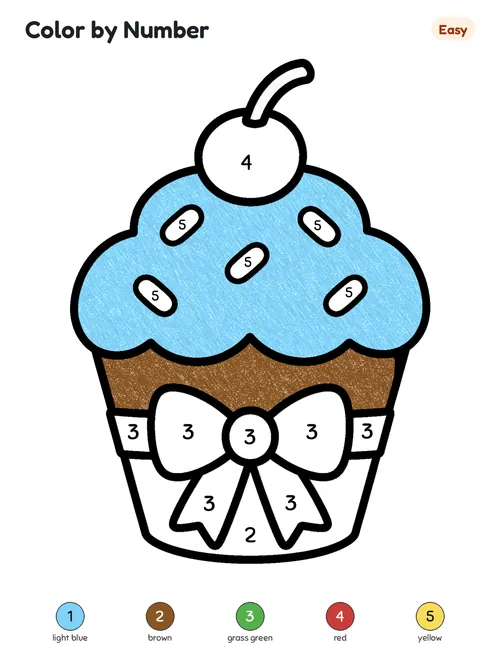
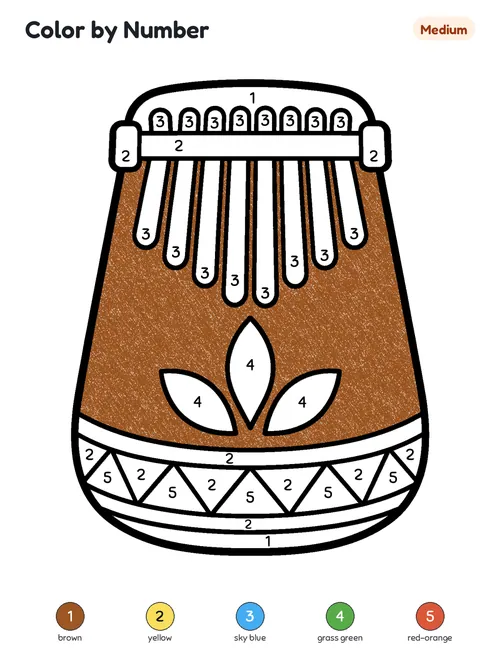
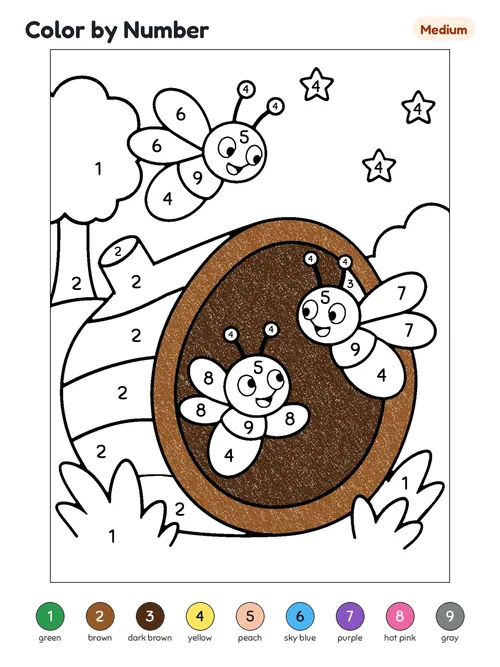
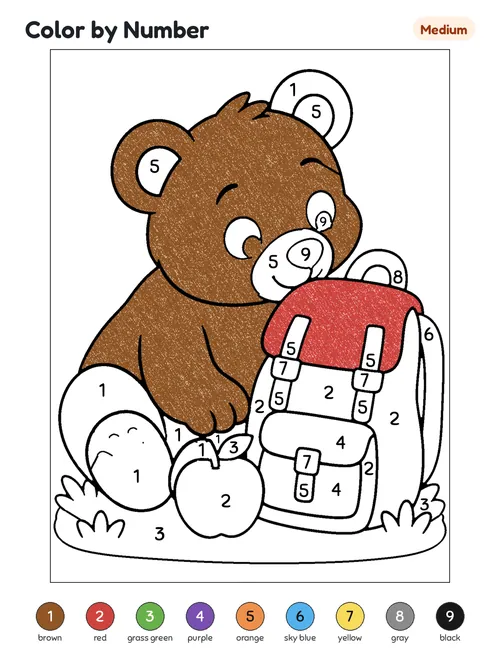
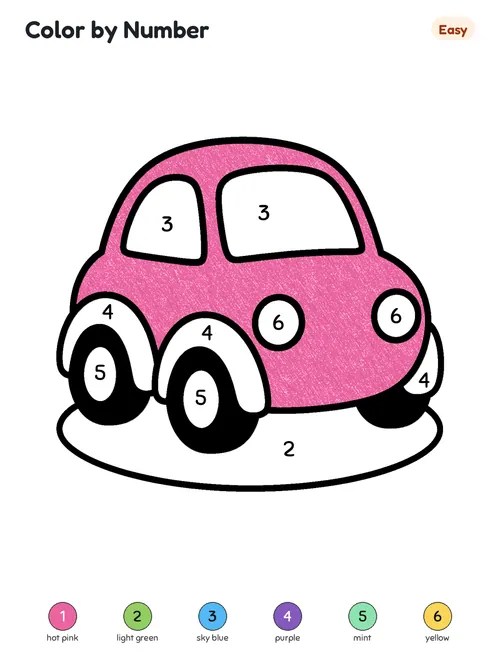
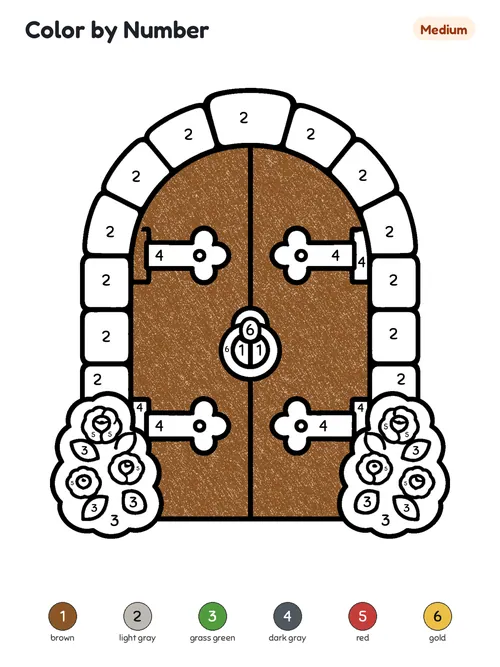
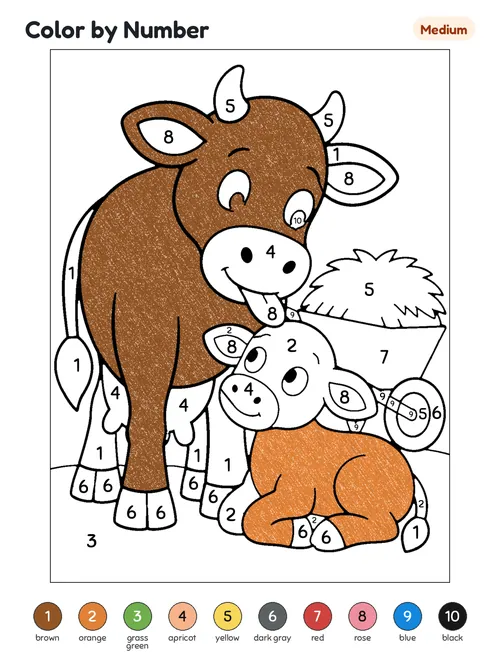
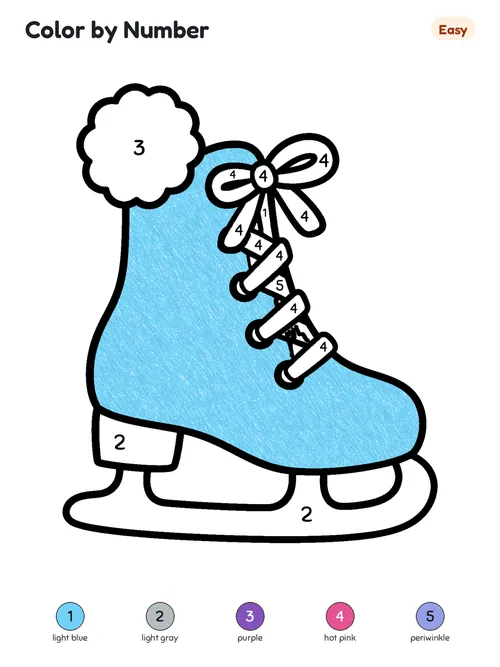
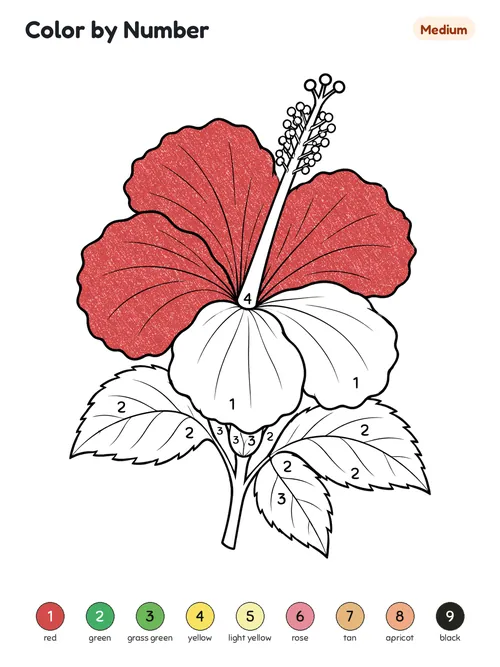
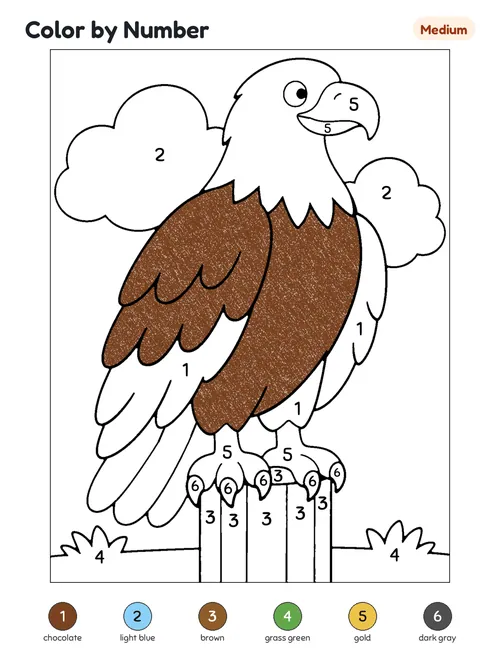
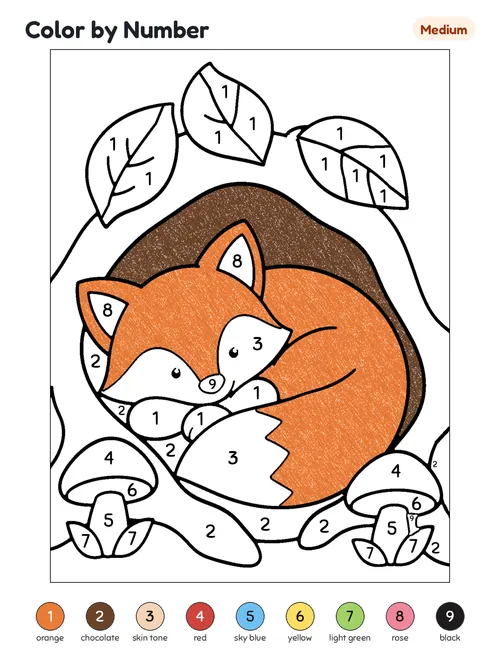
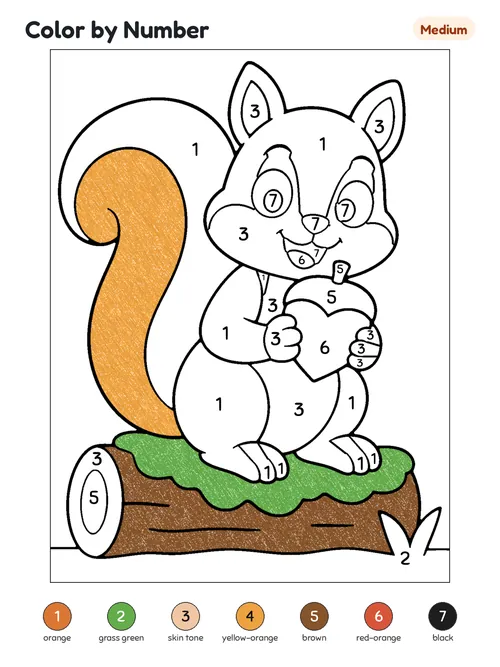
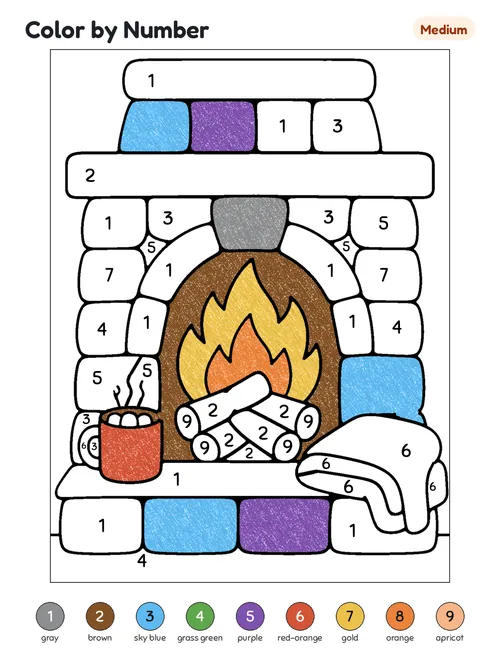
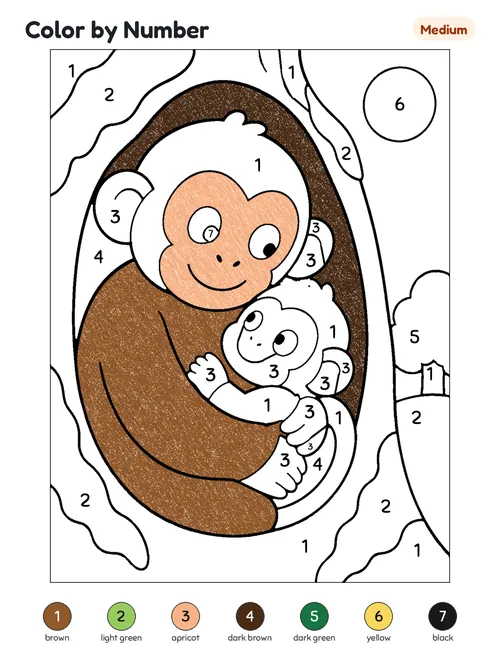
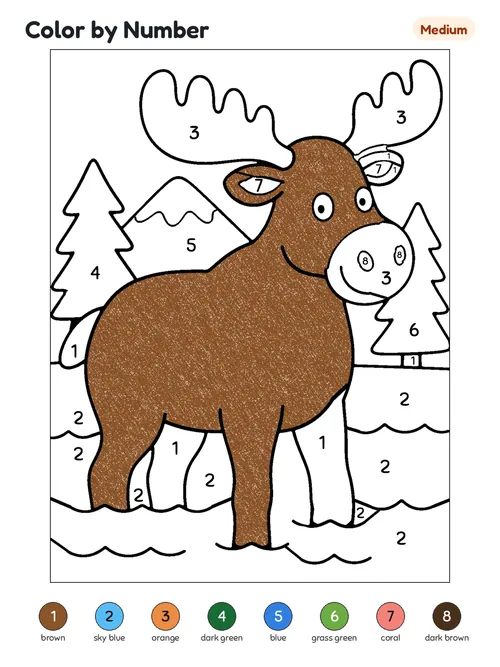
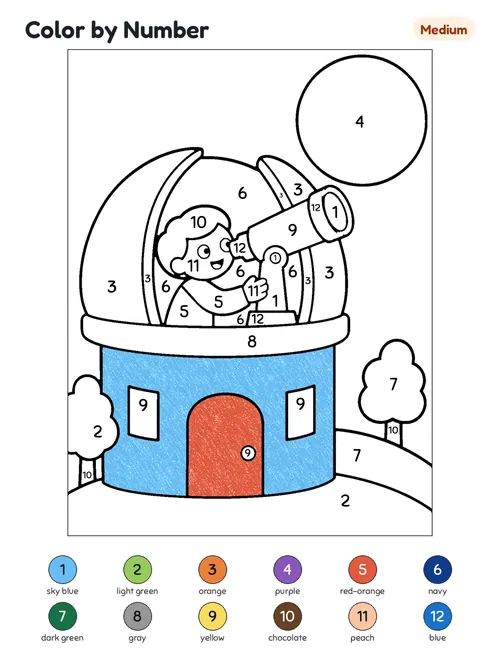
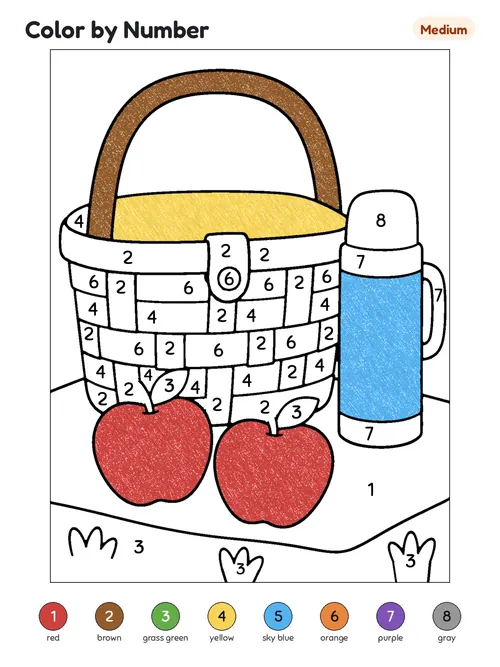
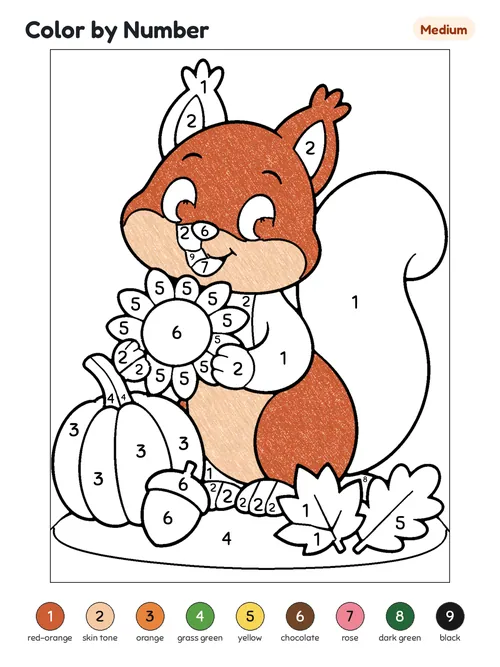
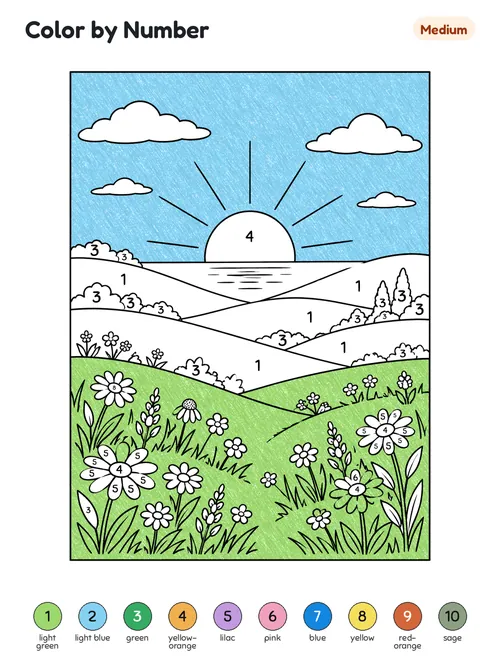
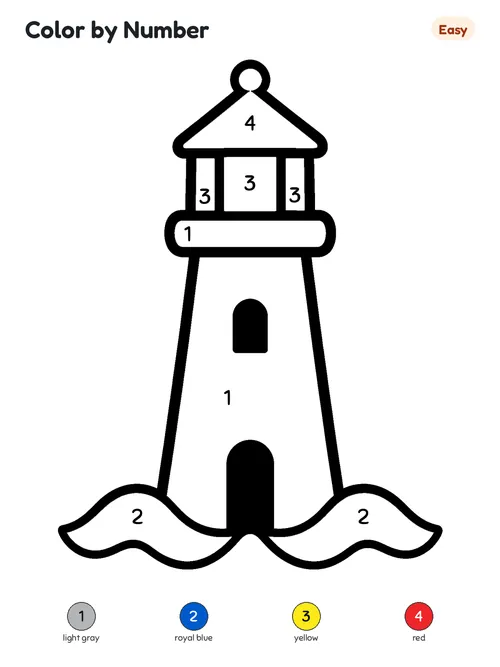
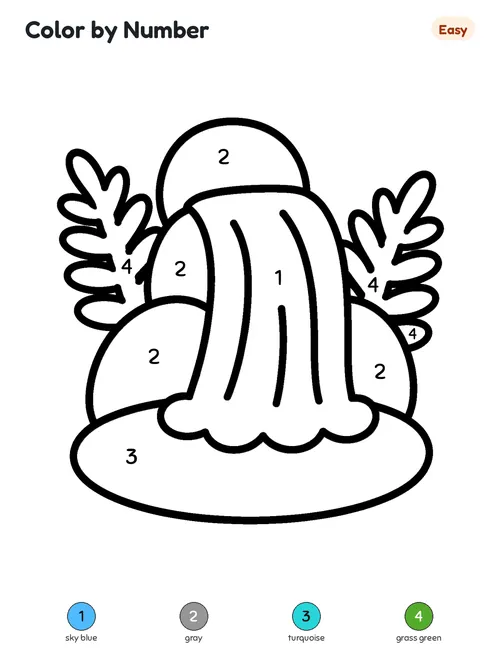
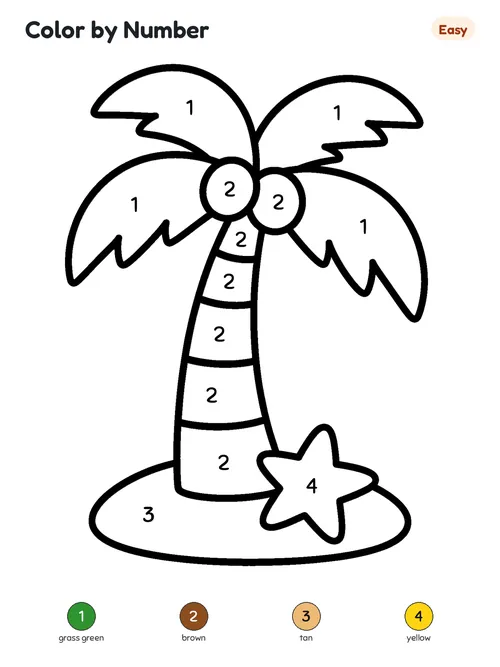
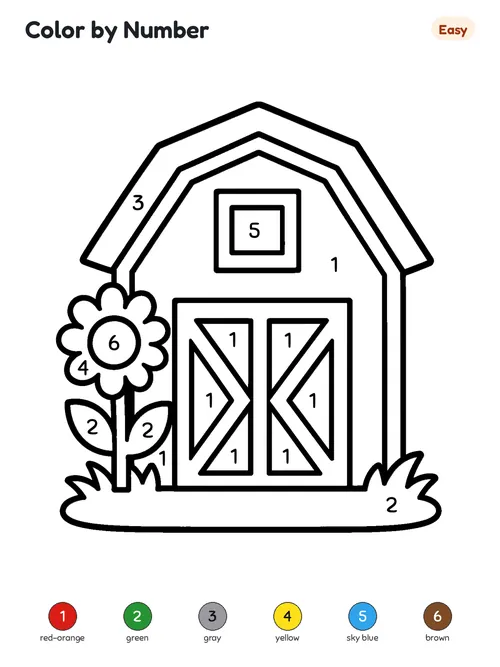
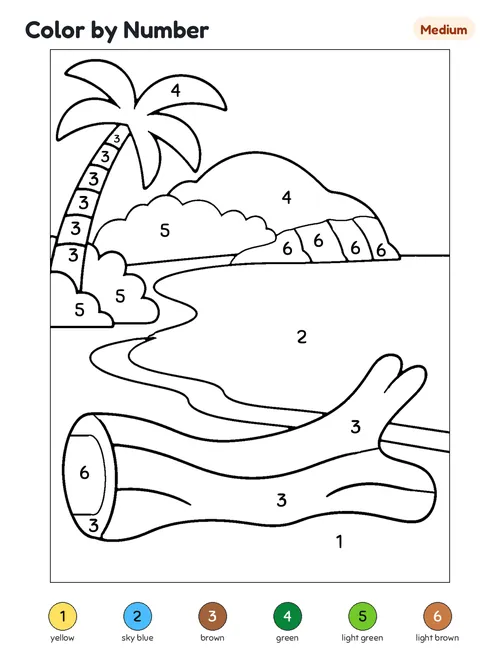
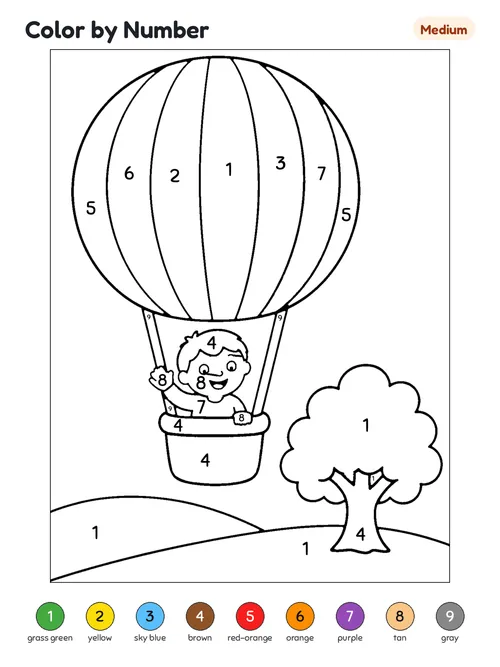
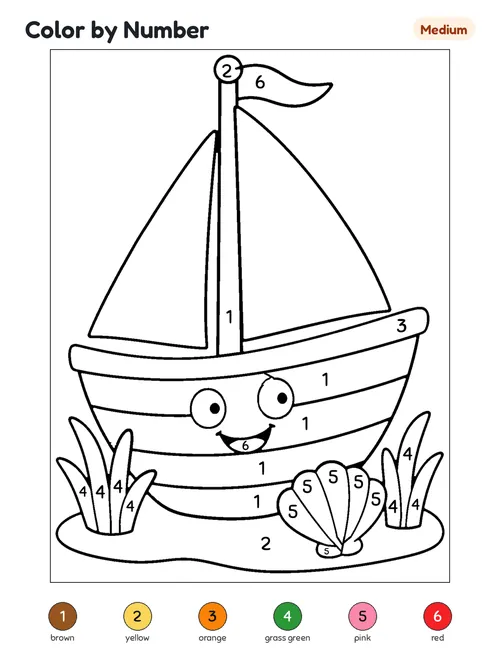
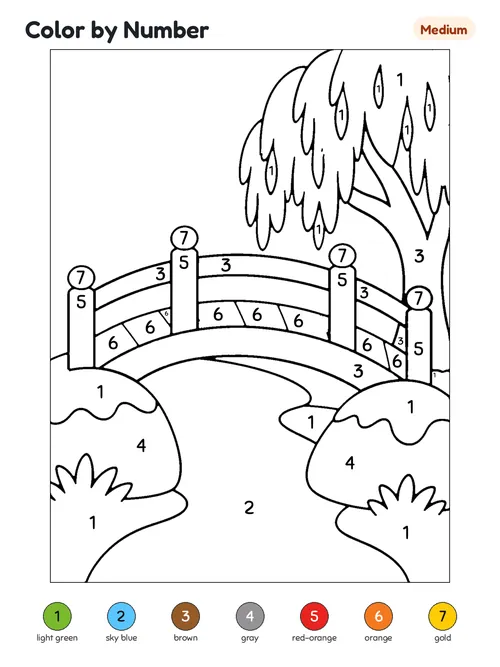
Mountains, coastal lighthouses, and desert canyons anchor these 24 landscape color by number pages: 7 easy pages for preschool with bold lines, 10 medium pages, 3 challenge pages, and 4 advanced pages for teens and adults.
PDF paper size:
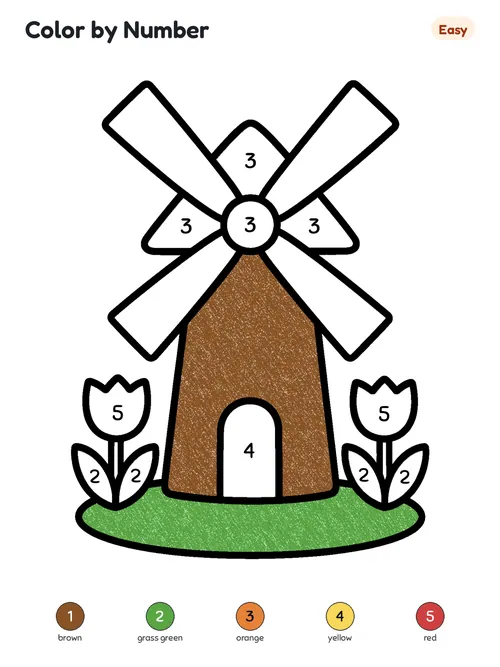
Easy 7 pages · ages 3 to 6








Medium 10 pages · ages 5 to 8







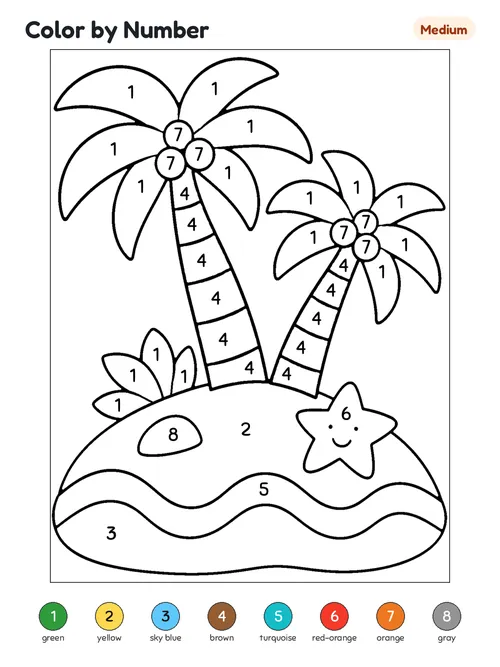


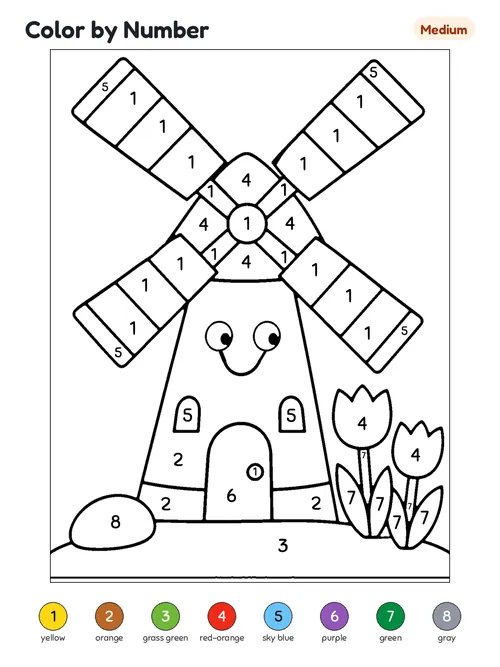

Challenge 3 pages · ages 7 and up


Advanced 4 pages · teens and adults


More Landscape coloring pages →
How distance, water, and horizons guide color
Air scatters sunlight across long distances, making distant mountains look lighter and bluer than foreground trees. Use lighter pencil pressure on far ridges so nearby greenery steps cleanly forward. Lakes and waterfalls mirror the sky and nearby rock instead of staying one solid blue. Soft gray streaks near wet stone make water feel real.
A landscape's horizon always matches eye level. Low horizons leave wide room for warm sunset skies, while high ones spotlight red barns, tulip fields, and desert sand. The little coastal lighthouse page sets a simple seaside tower above dark waves. Pair a color by number landscape with blank landscape coloring pages when students want to pick their own foreground and background hues.
Calm scenery projects without paint supplies
Many hobbyists who search for a paint by numbers landscape simply want that steady rhythm without brushes or wet canvas. Colored pencils bring that quiet focus to any table. The stained glass mountain lake design divides steep peaks, pine trees, and bright water into crisp patterned shapes. Working through one shade at a time turns busy spaces into a calm evening habit.
Every sheet downloads as a free printable PDF with a numbered color key. Sharp pencils keep tight canyon and forest spaces neat. Lightly layering a second shade across wide skies adds gentle natural depth while still following the guide. You can also find calm, intricate scenes in our detailed adult pages.
Questions about Landscape color by number
Why do distant mountains look pale blue in real landscapes?
Air molecules and light haze scatter blue wavelengths of sunlight between your eyes and faraway peaks. This atmospheric layer softens sharp outlines and lightens dark shadows. Because of that effect, distant mountain ridges always look paler and cooler than foreground trees or barns.
How can I make foreground barns, cacti, or tulip rows stand out from a background sky?
Use firmer strokes and warmer colors on close shapes like red barns, green cacti, and bright tulip petals. Keep the sky and far hills lighter by holding your pencil farther back from the tip. That contrast creates instant depth without changing the numbered guide.
How do mountain, desert, and waterfall coloring scenes support a classroom landforms lesson?
Students can compare snowy peaks, desert canyons, rolling hills, and coastal lighthouses side by side while naming each feature aloud. Once the numbered areas are filled in, have learners trace the horizon line and sort finished pictures by climate or habitat on a classroom wall.