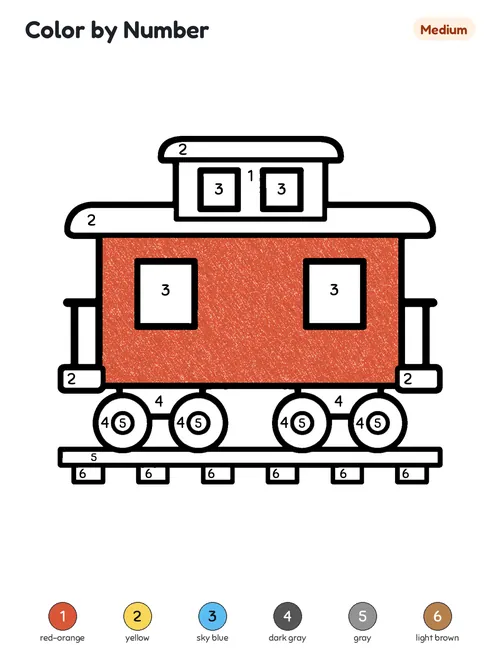
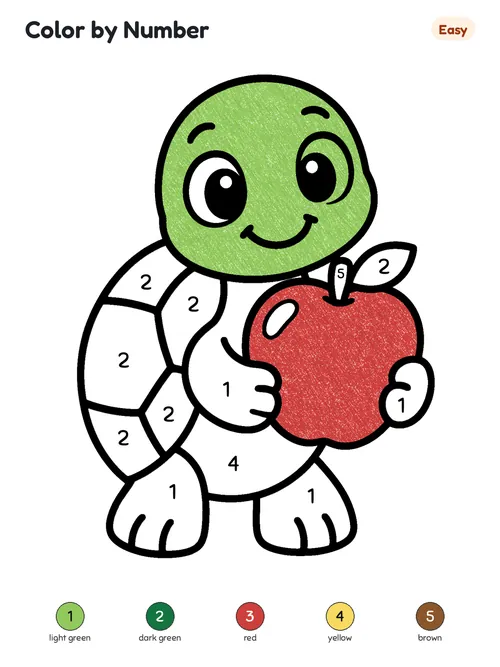
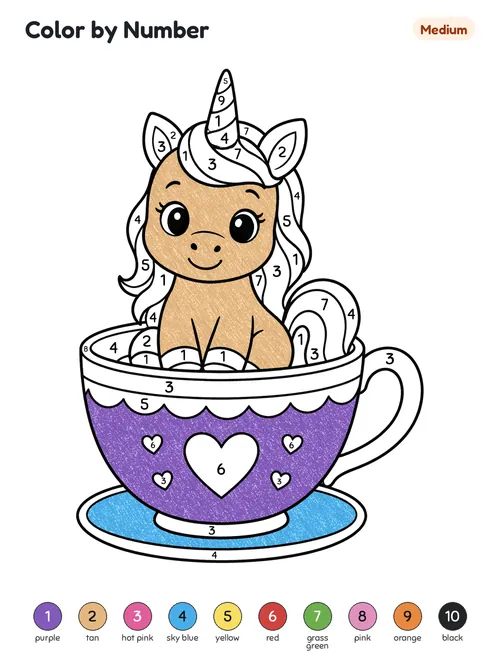
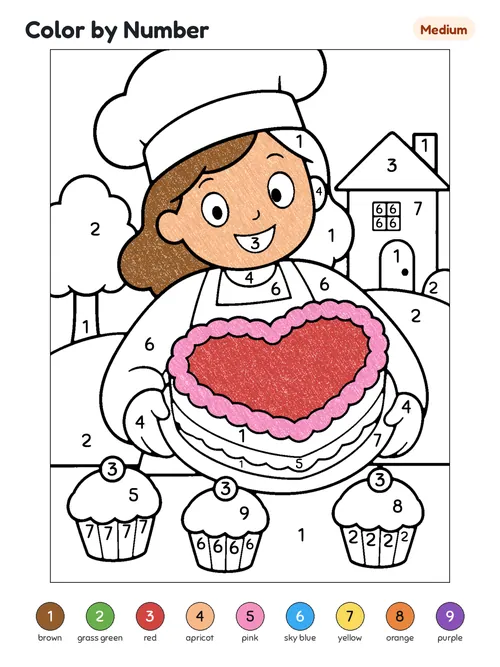
Black History Month color by number pages
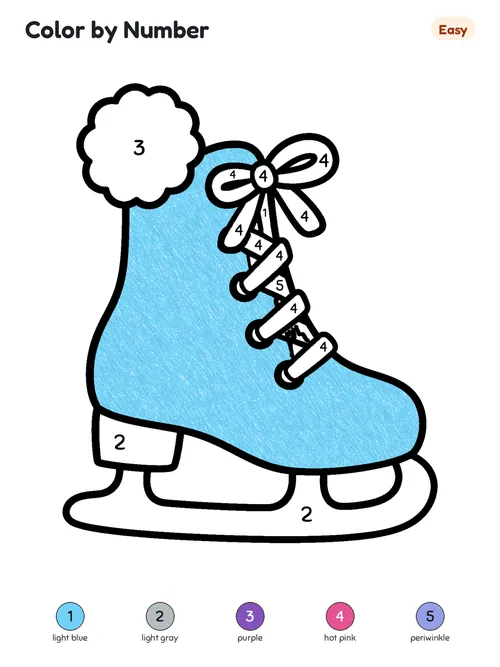
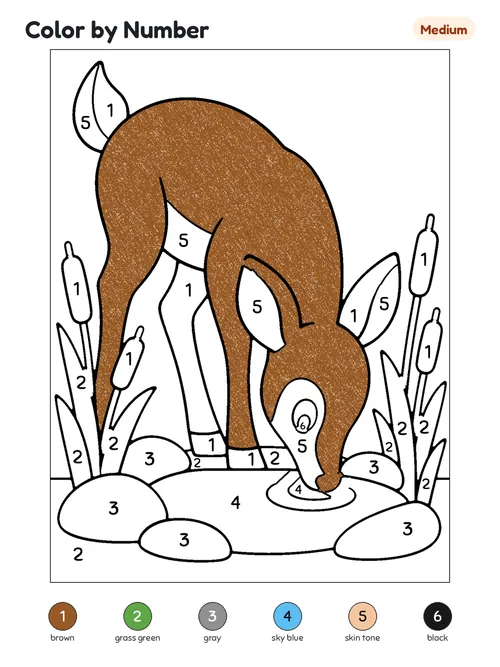
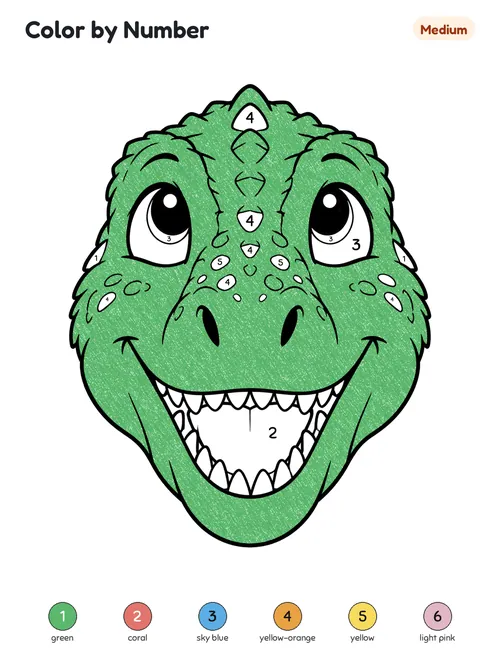
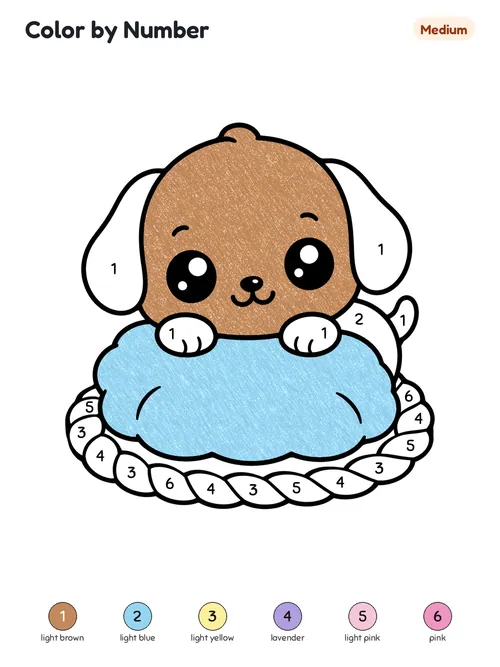
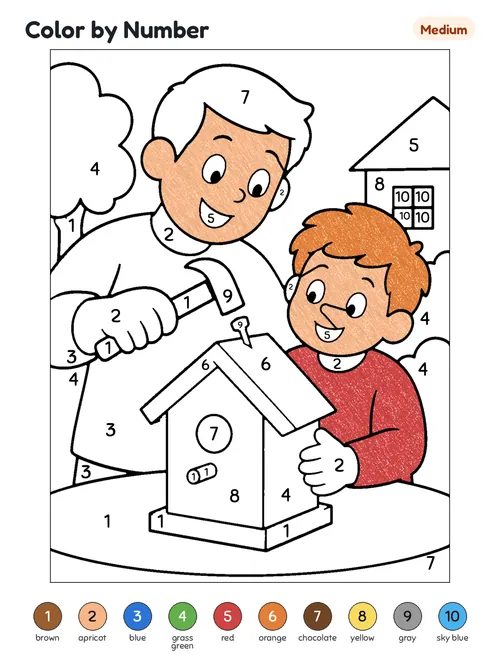
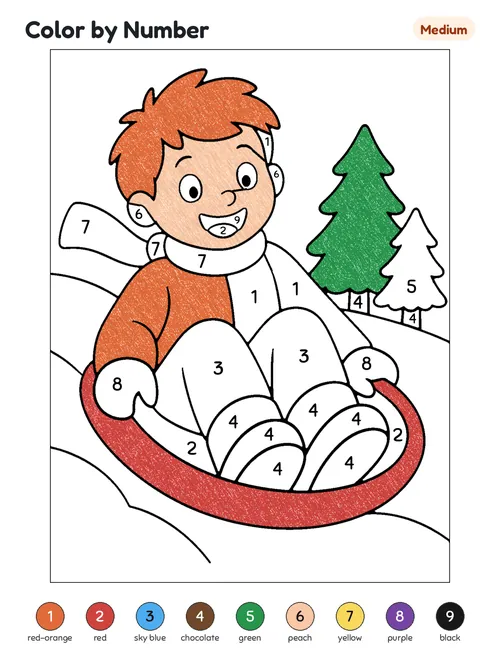
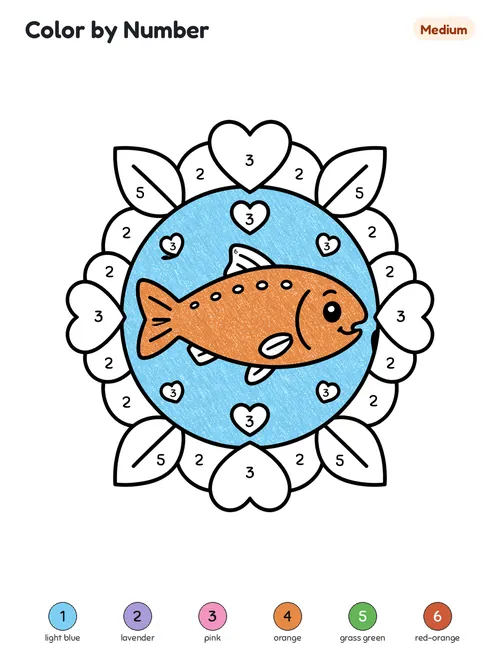
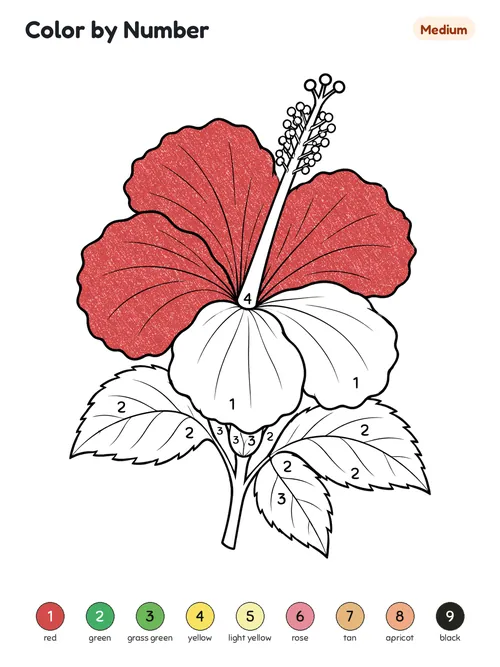
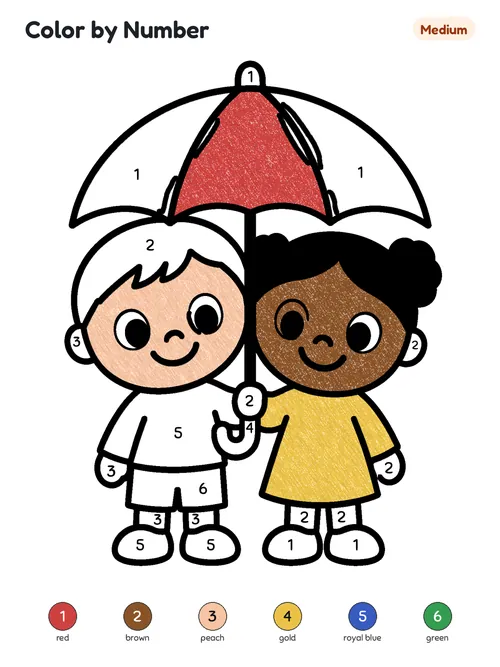
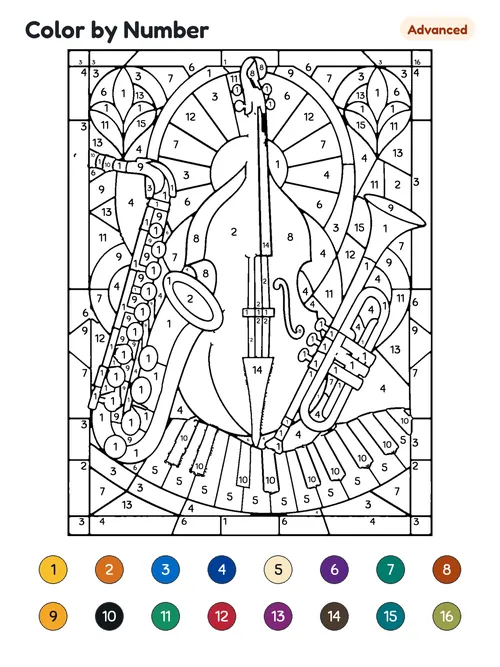
February brings music, quilts, and invention to 23 Black History Month color by number pages: 7 easy pages for preschool with bold lines, 4 medium pages, 8 challenge pages, and 4 advanced pages for teens and adults.
PDF paper size:
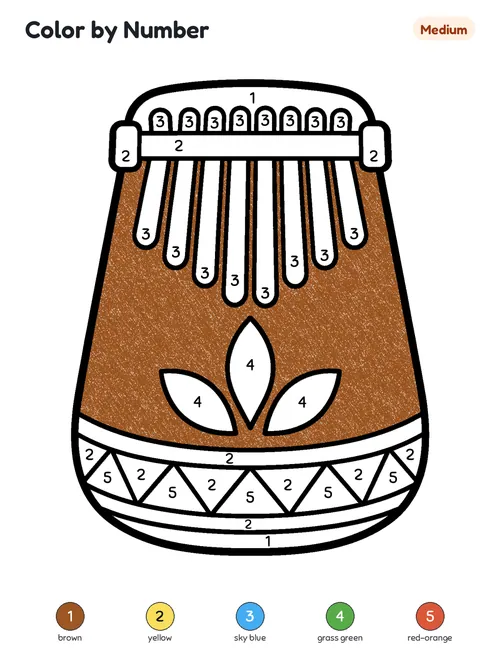
Easy 7 pages · ages 3 to 6
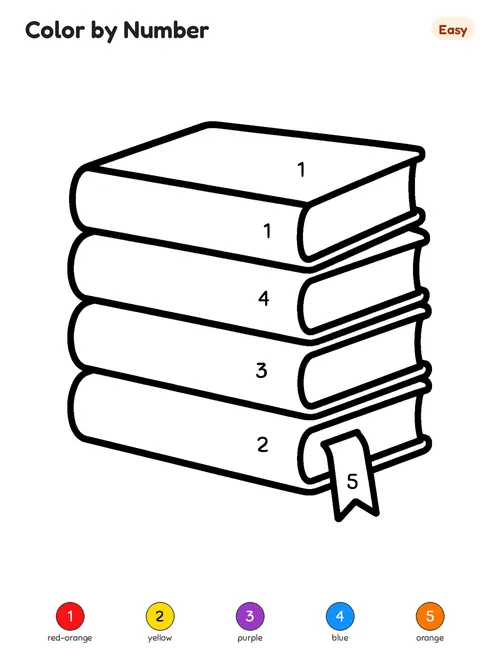

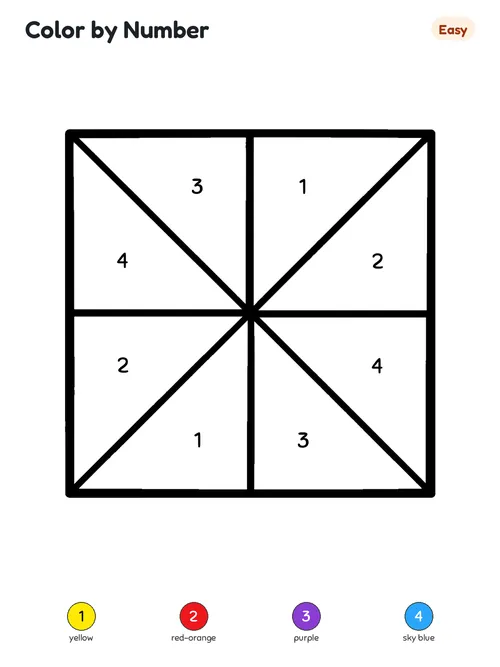

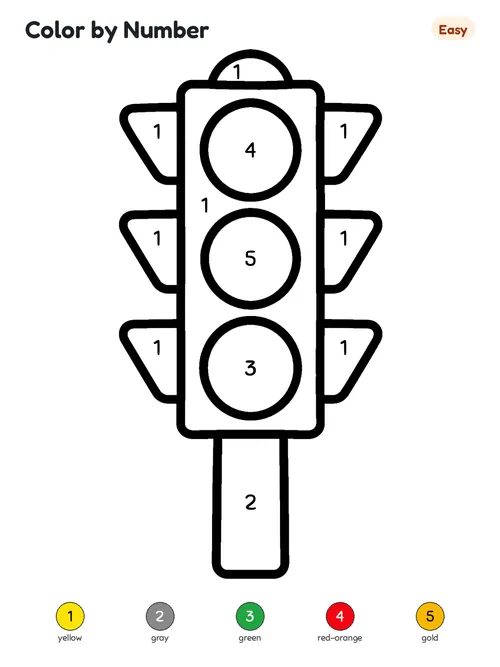

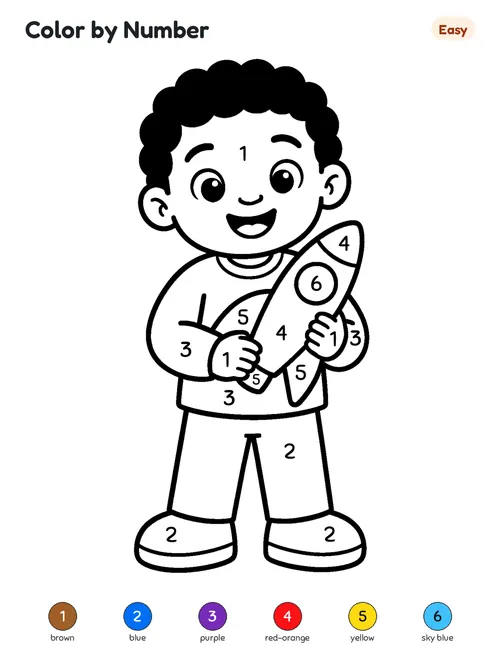

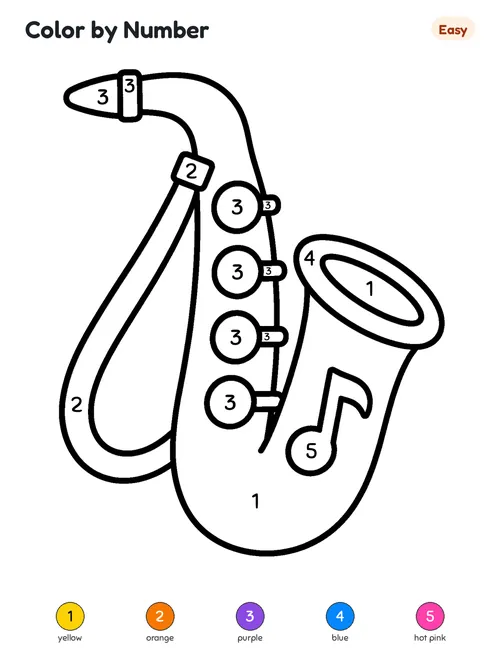


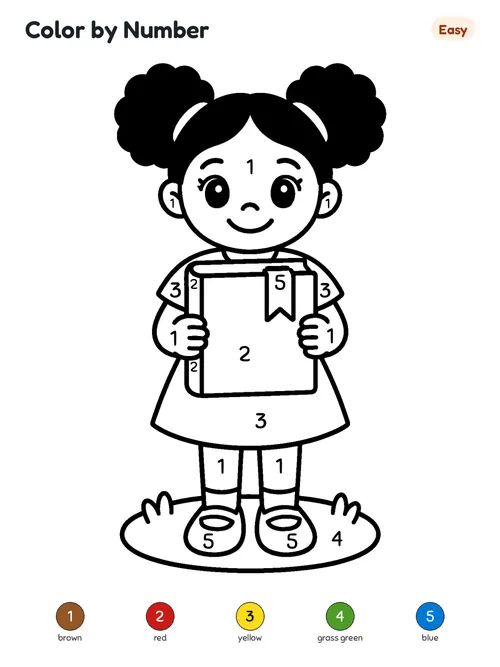

Medium 4 pages · ages 5 to 8


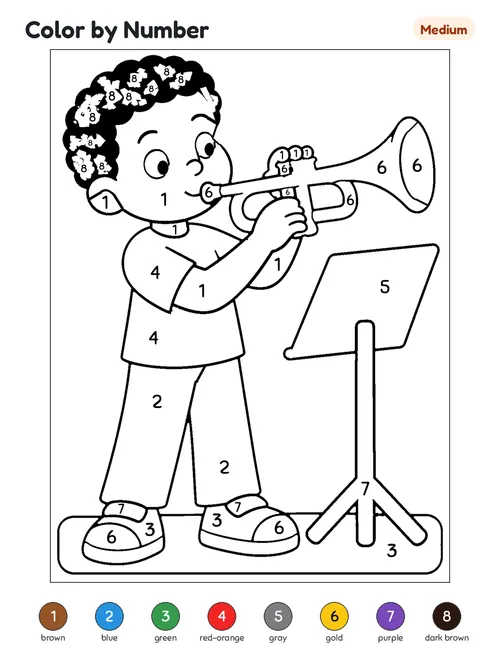


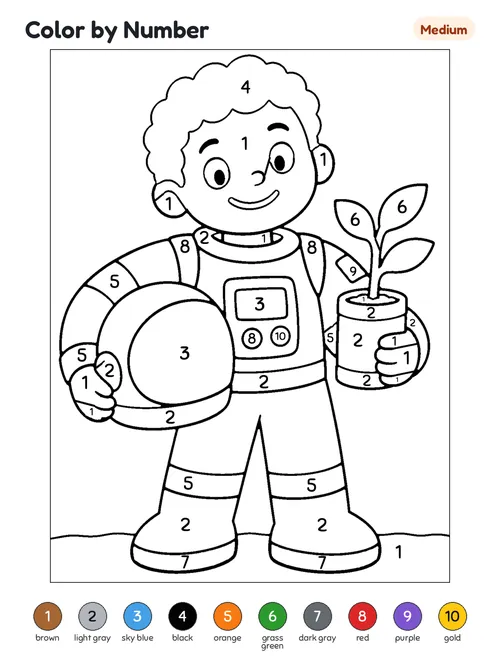

Challenge 8 pages · ages 7 and up
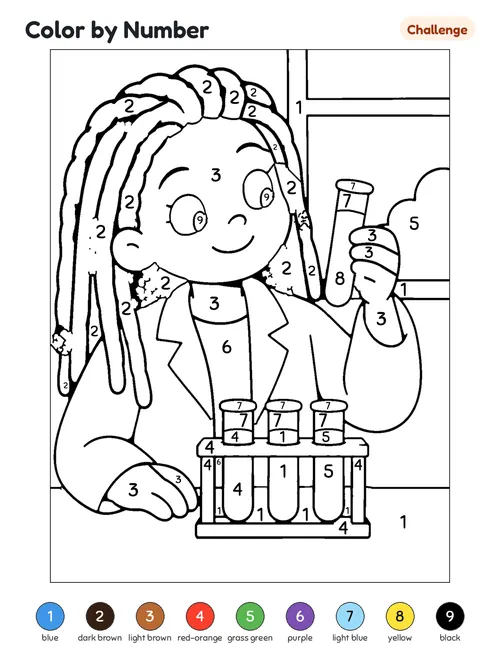

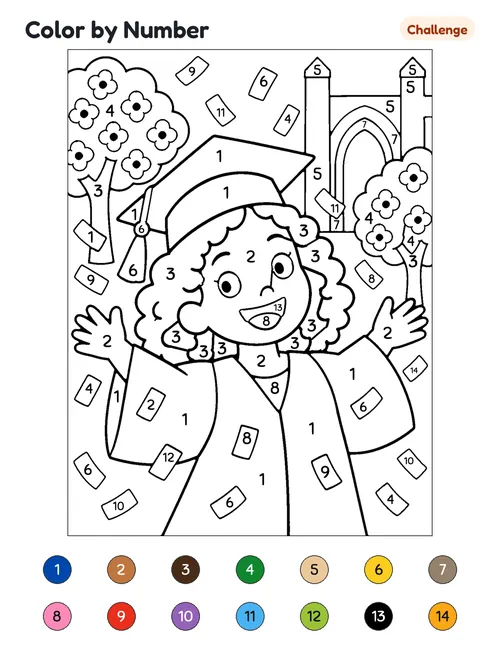


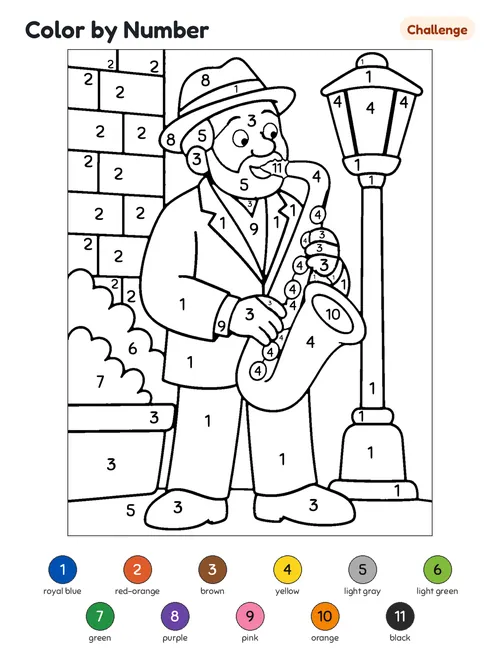





Advanced 4 pages · teens and adults




More Black History Month coloring pages →
Symbols of culture and discovery for February lessons
Every February in the United States, Black History Month honors the history, culture, and achievements of Black Americans. These sheets highlight cultural and scientific symbols instead of portraits. The carved wooden djembe page shows a drum with geometric trim and tension ropes. Set out jazz horns, books, or lab tools beside a read-aloud to ground the lesson.
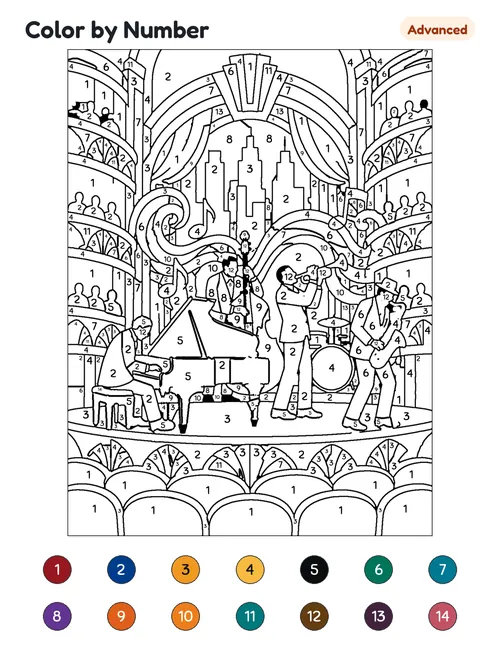
Matching numbers to color names helps restless hands stay calm while a story or jazz recording plays. Each free printable PDF also offers a teacher download with a full answer key page. Play brass or drum tracks softly during work time. For freehand art beside numbered sheets, mix in Black History Month coloring pages or pair horns with music color by number pages.
Build a classroom symbol quilt after coloring
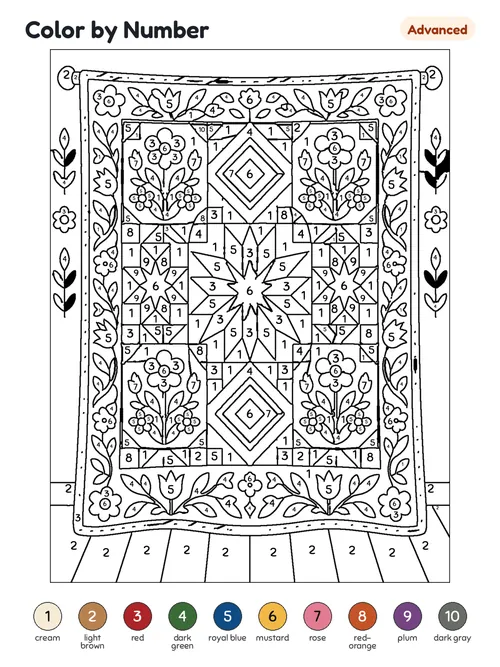
Finished pages can anchor a hallway symbol quilt display. Mount trimmed sheets in a grid on dark butcher paper so every motif forms one panel. The geometric quilt square page breaks a patchwork block into bold colored triangles. Add an index card beneath each panel where a child writes one fact from a read-aloud, invention lesson, or song.
Writing captions turns coloring into active historical recall. Children practice summarizing why a lab tool, a patterned quilt, or a jazz horn matters in American life. Sort the wall into music, science, and reading rows so students spot connections between everyday tools and culture. Keep the board growing all month alongside other February color by number sheets.
Questions about Black History Month color by number
What does Black History Month celebrate in February?
Observed every February across the United States, this annual month recognizes the history, cultural traditions, and lasting achievements of Black Americans. Schools, libraries, and families mark the occasion through music, literature, art, and science lessons that highlight contributions woven into everyday American life.
How should you color metallic jazz horns and wooden drums on these sheets?
Colored pencils work well on brass saxophones and wooden drums because light pressure leaves soft highlights along curved surfaces. Press firmer near the dark borders of each numbered section to create depth, while leaving patchwork quilt triangles flat and bright for crisp geometric contrast.
How do symbol-based Black History Month pages fit alongside a February read-aloud or music lesson?
Handing out a drum, book, quilt, or invention sheet right after a story gives children a concrete visual anchor for what they just heard. Teachers and parents can play jazz recordings during quiet coloring, then invite kids to explain how their symbol connects to the lesson.